
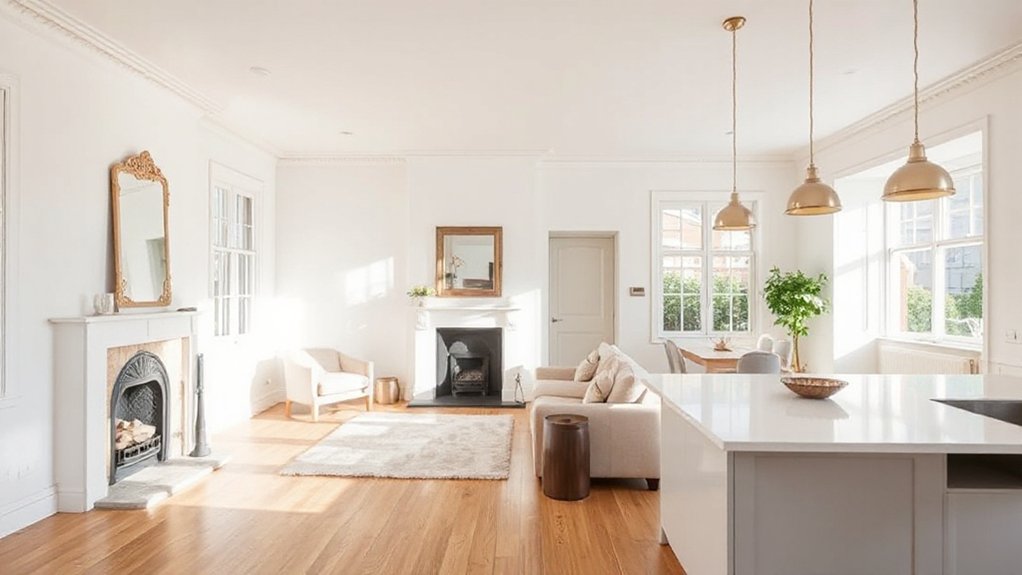

If you want to maximize buyer appeal in a terraced house, start with a clear plan that balances curb appeal, efficient layouts, and timeless interiors, then map ROI across essential repairs, energy upgrades, and smart touches. You’ll detail a scalable design path from entry to back, stage for flow, and keep character with authentic finishes. Keep momentum with practical timelines and honest budgets—there’s a practical decision at every corner that could shift interest, if you know where to look next.
Spot the Top Buyer Pain Points in Terraced Homes
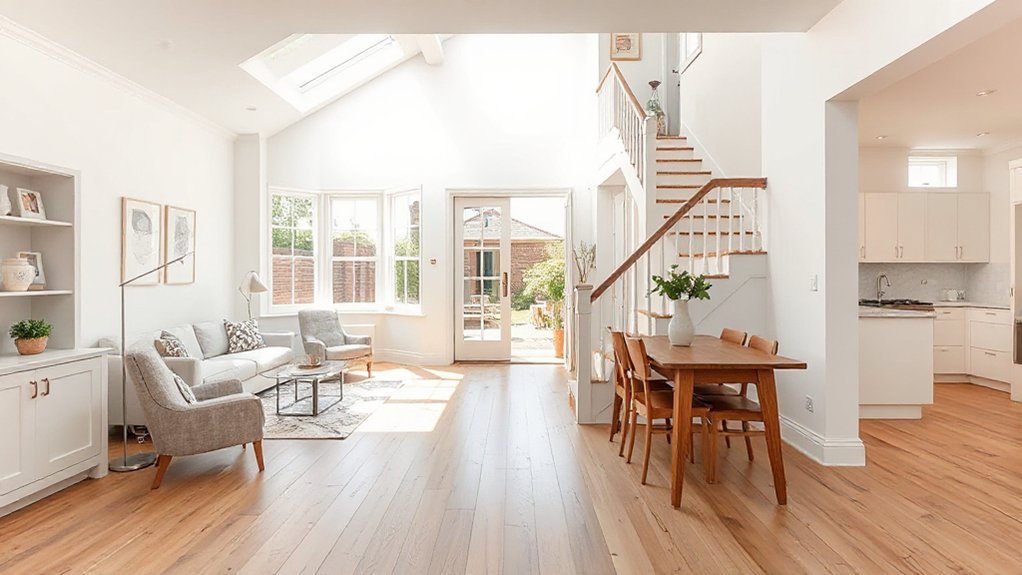
Spotting the top buyer pain points in terraced homes hinges on understanding what buyers expect from limited space, shared walls, and evolving interiors. You’ll focus on how layout inefficiencies, noise transfer, and storage shortfalls erode appeal, then map concrete fixes.
Prioritize adaptable zones: compact living with smart, foldaway furniture; fit-for-purpose kitchens; and quiet, multi-use bedrooms. Emphasize seamless flow between rooms to minimize wasted hallways, and consider how natural light travels through narrow footprints.
You’ll lean on historical architecture cues to preserve character while modernizing essential services. Garden landscaping matters, too, even in tight plots; a tidy courtyard or balcony can feel expansive with proper scale and privacy.
Present buyers with crisp, future-proofed plans that balance charm with practical, update-ready performance.
Budget Smart: ROI-Driven Renovation Plan
To turn buyer insight into real value, map a tight ROI-focused renovation plan that prioritizes high-impact updates over cosmetic fluff. You’ll start by cataloging essential fixes with clear cost-to-value readouts, prioritizing structural integrity and energy efficiency.
Target entrances, kitchens, and bathrooms first, but keep the budget tight with modular upgrades that scale. For Historical preservation, choose authentic materials and discreet modernizations that respect era details while boosting appeal.
Reserve funds for Structural reinforcement where necessary—underpin joists, shore weakened walls, and upgrade damp-proofing to avoid costly post-sale repairs.
Track milestones weekly, validating each purchase against projected resale lift. Favor off-the-shelf fixtures, pre-fabricated components, and local trades for speed.
Finalize a phased schedule that minimizes disruption, maximizes perceived value, and delivers a crisp ROI.
Design a Clear Floorplan for Small Terraced Spaces
A clear floorplan for small terraced spaces starts with a simple, scalable layout: prioritize a single, open sequence from entry to living area. Then tuck in a compact kitchen and bathroom where they won’t interrupt flow.
You’ll optimize corridor width with door placements that don’t trap you in tight spots, and you’ll shift walls where possible to gain usable inches. Use vertical shelving and built-ins to reduce furniture footprint, keeping sightlines uninterrupted toward key zones.
In living areas, select low-profile sofas and a slim media wall to preserve airiness. Integrate vintage fixtures as focal points, reinforcing character without sacrificing space.
Note roof repairs early in planning to prevent future disruption; address patches before decorative updates to maintain a clean, cohesive aesthetic.
Quick Curb Appeal Wins That Pay Off
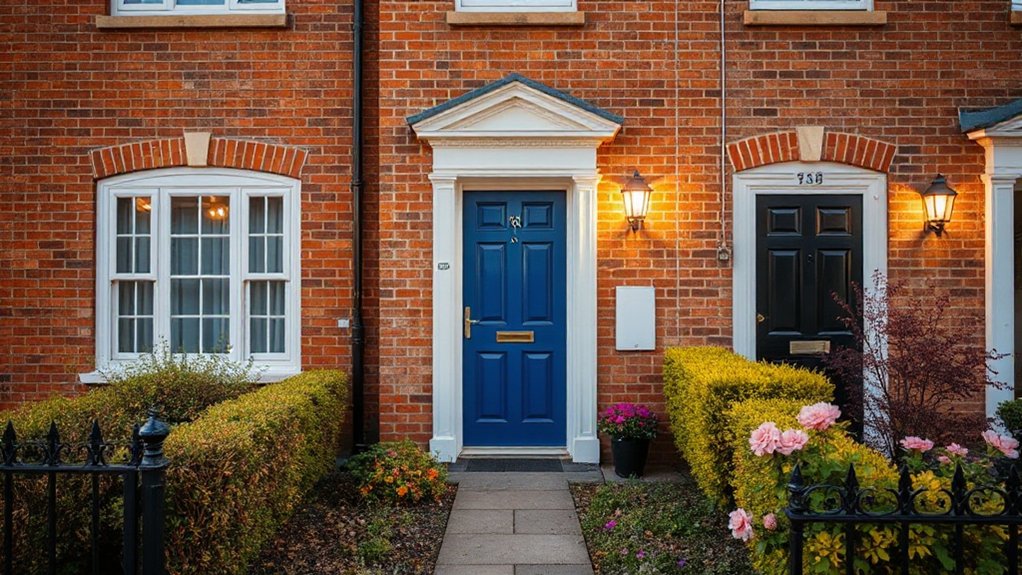
Small tweaks can make a big first impression, so start with curb appeal as part of your overall renovation plan rather than an afterthought. You’ll gain momentum fast by focusing on high-impact, low-effort changes that feel current but timeless.
- Highlight historical features with respectful restoration, like original door hardware or trim, to signal quality and story.
- Elevate garden landscaping with clean lines, container plants, and seasonal color so the approach feels polished year-round.
- Update lighting at the entry and path edges to extend curb appeal into evenings and improve safety.
These quick wins align with contemporary trends while honoring the home’s character, creating buyer confidence before they step inside.
Create a Timeless Color Palette for Broad Appeal
Neutral, timeless colors create broad appeal by serving as a reliable backdrop that lets buyers imagine their own furniture and photos in the space. You’ll choose a cohesive base scheme—soft neutrals, warm whites, and restrained grays—that reads contemporary without dated undertones.
Tie rooms together with a single accent hue carried through accessories, art, and occasional wall color in smaller areas (like a powder room or pantry) to avoid clash.
Apply color psychology insights: calmer tones in living and bedrooms, slightly more energetic hues in kitchens with good lighting.
Pick paint finishes deliberately: eggshell for walls to minimize fingerprints, satin or semi-gloss for trim, doors, and cabinetry for durability and easy cleaning.
Test samples on multiple walls at different times of day to confirm balance.
Lighting That Improves Mood, Space, and Energy Use
Lighting isn’t just about brightness; it shapes mood, makes rooms feel bigger, and slices energy bills. You’ll benefit from practical lighting design that balances task, ambient, and accent layers to elevate space and energy use without clutter.
- Prioritize dimmable LEDs and warm color temps around 2700–3000K to support mood enhancement while keeping efficiency high.
- Use layered lighting in each zone: ceiling ambient, task under cabinets, and subtle wall or floor accents to visually expand small areas.
- Plan automatic controls: switches, motion sensors, and daylight harvesting to reduce waste and maintain consistent mood across rooms.
Restore Period Charm With Modern Comforts
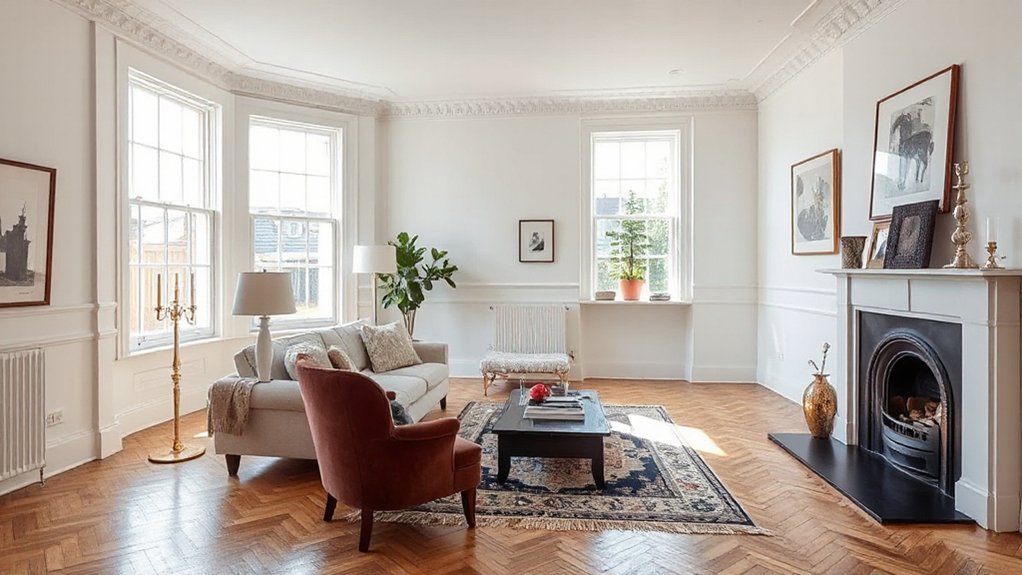
Recreating period charm with modern comforts means blending authentic architectural details with contemporary convenience, so the home feels timeless yet effortless to live in. You can preserve historic features like cornicing, sash windows, or brick fireplaces, then enhance them with discreet, high-performance updates.
Prioritize modern amenities that don’t clash with the era: underfloor heating beneath timber floors, whisper-quiet range hoods, and efficient lighting that mimics vintage warmth. Choose period-accurate fixtures in brass or blackened steel to anchor the look while ensuring durability.
Repaint in authentic tones, but seal gaps and insulate without overhauling character-defining surfaces. Plan kitchen and bathroom layouts to honor layout provenance while integrating smart controls, robust storage, and water efficiency.
This balance delivers tactile charm alongside everyday comfort—appealing, practical, and market-ready.
Built-In Storage Solutions for Small Footprints
Built-in storage is the fastest way to maximize a terraced home’s footprint, and smart design makes every inch count. You’ll trim clutter without sacrificing style by selecting compact, purpose-built solutions that fit your flow. Focus on verticality, hidden gaps, and dual-purpose furniture to maintain clean sightlines in small footprints.
- Wall-mounted cabinets with shallow depths and adjustable shelves for flexible storage zones.
- Under-stair drawers and pull-out organizers that convert dead space into usable storage.
- Benchtop-to-skirting cabinetry in kitchens and bathrooms to keep surfaces clear.
Implement high-contrast finishes to emphasize clean lines, and choose hardware with soft-close mechanisms to reduce noise. Built-in storage keeps rooms airy, tailoring capacity to daily routines while preserving a modern, organized aesthetic.
Durable, Well-Connected Flooring for Narrow Floors
Durable, well-connected flooring is your foundation for a narrow-terrace layout, so choose materials that resist wear while tying rooms together with seamless shifts. You’ll want flooring that handles foot traffic without creaking or gaps, especially where spaces meet.
Prioritize width-appropriate planks or engineered options that stay stable on narrow runs, with minimal subfloor prep. Eco-friendly materials offer long-term value, reducing maintenance cycles and boosting appeal to buyers who value sustainability.
Look for finishes that resist spills, scuffs, and UV fade, plus low-VOC products for better air quality. Smart flooring options, such as synchronized underlay or sensor-enhanced boards, can improve comfort and acoustics across narrow hallways.
Pair with coordinated transition strips to preserve flow, while maintaining distinct zones for living, dining, and circulation.
High-Impact Kitchen Updates in Small Spaces
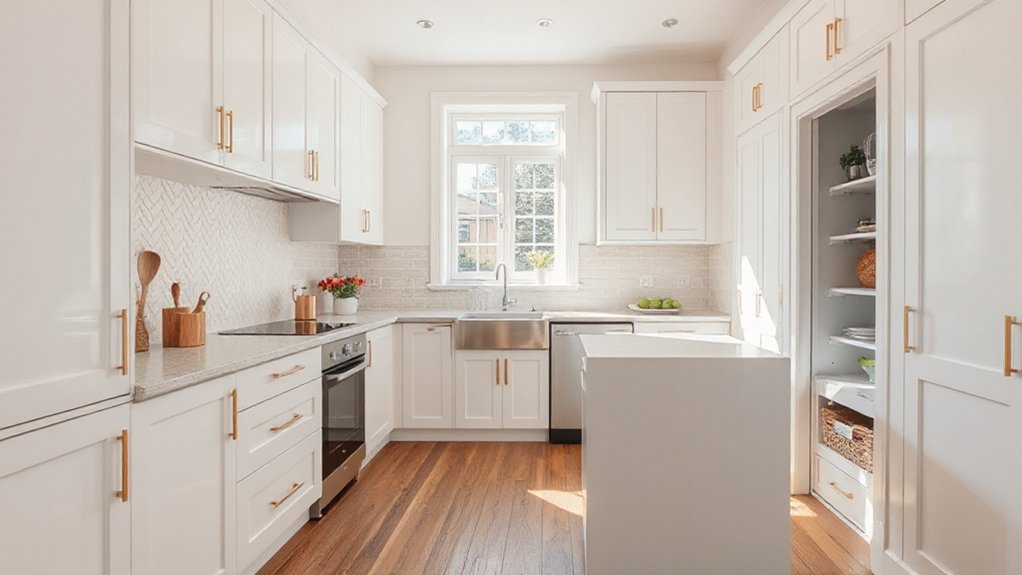
Smart, high-impact updates can transform a compact kitchen without a full remodel. In small spaces, focus on efficiency and mood, weaving vintage charm with smart layout tweaks to feel open concept. You’ll gain function without sacrificing style, letting buyers notice thoughtful details at a glance.
1) Maximize surface area with a slim worktable or drop-down counter, keeping prep moves fluid while preserving floor space.
2) Choose compact appliances in sleek finishes and pair them with open shelving to create airiness and easy access to essentials.
3) Use under-cabinet lighting and light colors to brighten corners, while vintage charm accents—like brass hardware or patterned tile—anchor the space without crowding it.
Refresh Bathrooms Without Major Reno
You can refresh bathrooms without a full reno by focusing on small, high-impact upgrades like new handles, refreshed grout, and a moisture-resistant paint refresh.
Prioritize affordable updates that look cohesive with the existing tiles and fixtures, so you get a polished look without overspending.
I’ll share practical, trend-driven moves that buyers notice and that scale well across terraced homes.
Refresh Without Major Reno
If you’re revitalizing a bathroom without a full reno, start by mapping out a focused plan that targets impact with minimal disruption. You’ll refresh the look using quick, practical tweaks that emphasize garden landscaping visibility from nearby rooms and energy efficiency where it matters most.
1) Update fixtures with a cohesive finish (matte black, brushed nickel) and swap out tired hardware for streamlined surfaces.
2) Layer light and color; install a brighter LED vanity light, add a reflective mirror, and choose neutral wall tones to enlarge the space.
3) Elevate storage with slim cabinets, open shelving, and baskets, keeping clutter out of sight while maintaining accessibility.
Affordable Bathroom Upgrades
Even when you’re not tearing out walls, you can give a bathroom real impact with smart, affordable upgrades that feel premium. Begin with paintable updates: a fresh, moisture-resistant light gray or warm white walls brighten small spaces and pair with bright towels for contrast.
Swap aged fixtures for midrange luxury fixtures; chrome or matte black taps and a slim, frameless mirror sharpen the room without a full reno. Upgrade hardware on cabinets and install an efficient, compact water heater to improve comfort.
Add practical storage: slim floating shelves, baskets, and a medicine cabinet. Choose durable, easy-clean surfaces like porcelain tiles in a herringbone or subway pattern.
Finish with vintage decor accents and a curated plant for character and lasting appeal.
Energy Upgrades Buyers Notice and Value
Energy upgrades catch buyers’ attention fast because they directly affect running costs and comfort. You’ll see value in a home that lowers bills and stays comfortable year-round, so highlight practical upgrades that resonate with savvy buyers. Focus on how tweaks translate to real monthly savings and better resale potential.
- Energy efficient appliances show up as lower utility bills and modern convenience, appealing to busy buyers.
- Insulation improvements reduce drafts and heat loss, boosting comfort and ongoing savings.
- Smart controls and efficient heating systems optimize usage, creating a future-proof feel.
Frame each upgrade with quick ROI notes, installation timelines, and any applicable incentives. Keep the language concrete and data-driven, avoiding jargon. The result is a compelling, buyer-focused narrative that aligns with current market demand.
Elevate the Outdoor Space and Front Entry
A strong outdoor space and welcoming front entry set the first impression and quickly communicate value to buyers. You’ll maximize curb appeal with tight, deliberate upgrades that pay off in photos and walkthroughs.
Start with Garden landscaping that’s low-maintenance but high impact: a defined path, compact perennials, and modern mulch to reduce upkeep. Edge beds cleanly for a crisp silhouette from the sidewalk.
For the front entry, choose Front door upgrades that feel contemporary yet timeless—paint in a bold but not polarizing hue, update hardware, and guarantee smooth hinges.
Add lighting that highlights architectural features and improves safety, such as wall lanterns or step lights.
Finish with a weather mat, tidy fixtures, and a seasonal, well-welcome feel that invites entry without clutter.
Improve Acoustics and Privacy in Narrow Layouts
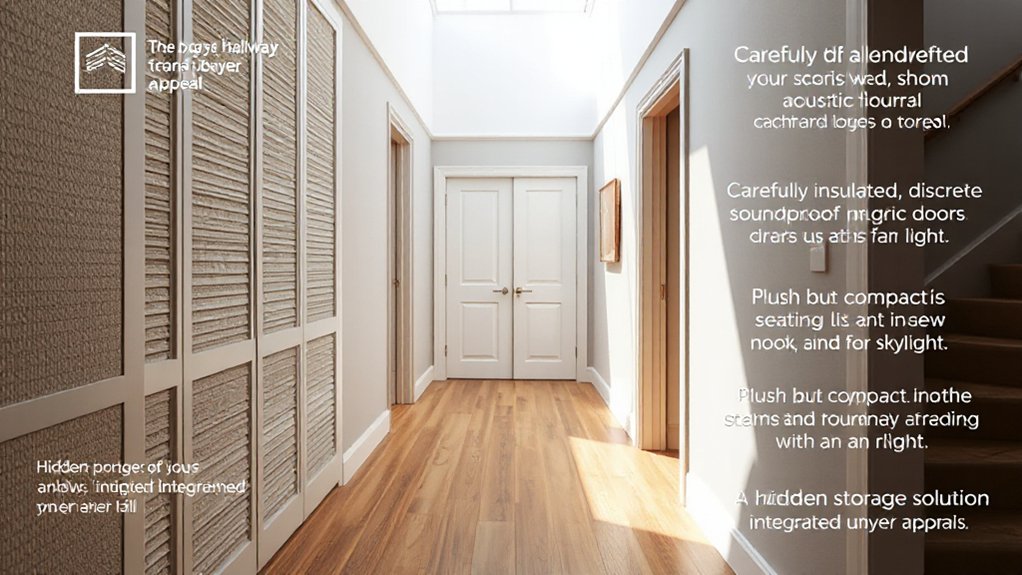
Start by prioritizing soundproofing for thin walls so conversations and TV don’t spill into adjacent rooms. Use track or gypsum board upgrades, plus decoupled framing and acoustic sealants to cut noise transmission without bulky rewrites.
In narrow layouts, design privacy zones with staggered door placements, short partitions, and targeted acoustic panels to keep rooms feeling open while still private.
Soundproofing Techniques For Thin Walls
If you’re renovating a terraced home, improving soundproofing in thin walls isn’t optional—it’s essential for privacy and buyer appeal. You’ll want practical, proven methods that fit narrow layouts without sacrificing floor space or light. Focus on two fast wins: dense wall insulation and targeted mass addition, plus strategic decoupling where noise leaks.
Implement now, test after, and refine.
1) Install high-density mineral wool or acoustic boards behind studs, then pair with airtight seals at all joints.
2) Add lightweight, decoupled staggered studs or resilient channels to reduce vibration transfer without thick walls.
3) Apply acoustic plaster or sound-damped plasterboard and seal gaps around outlets and pipes for continuous barrier performance.
Keywords: soundproofing techniques, wall insulation. Consistent, concise, and aligned with contemporary buyer expectations.
Privacy Layouts In Narrow Homes
When space is tight, prioritize layouts that create discrete zones for work, relaxation, and sleep while preserving natural light and airflow. In narrow homes, define areas with furniture placement, not walls, to keep sightlines open and sound contained. Use floating partitions, tall bookcases, and rugs to carve quiet corners without creating claustrophobic traps.
Consider staggered ceiling heights or soffits to mask noise gradients between rooms. Opt for solid-core doors and weatherstripping on secondary rooms to minimize sound bleed. Plan outdoor landscaping as a privacy buffer alongside windows, softening acoustics with greenery and screens.
Choose kitchen appliances and finishes that reflect light and reduce noise. Align entry paths with storage nooks to maintain flow. Remember to balance privacy with accessibility, even in tight layouts.
Scalable Smart Home Touchpoints for Budget Ranges
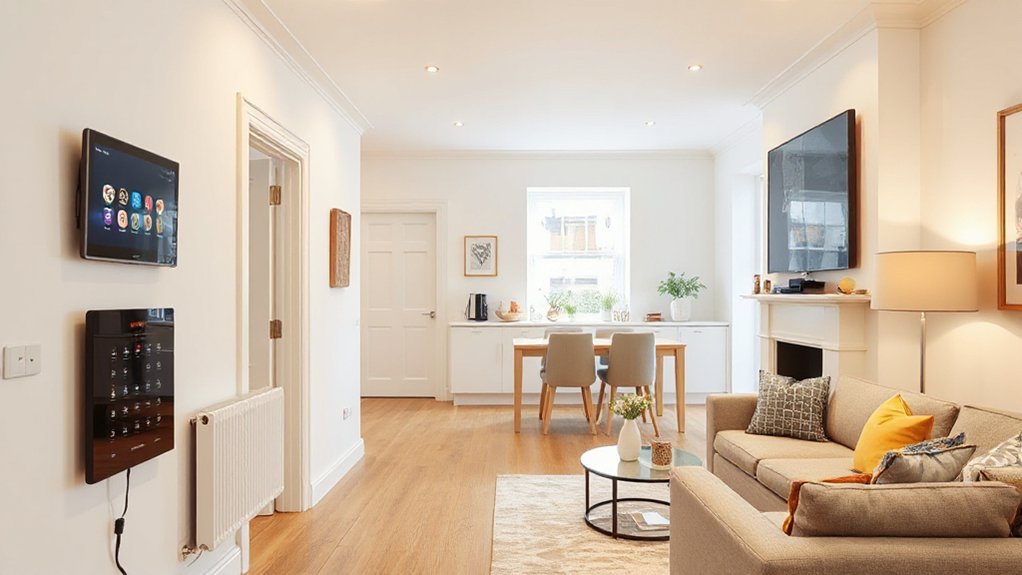
Smart home touchpoints don’t need to break the budget to boost buyer appeal; start with scalable basics that add value now and scale later. You’ll focus on practical, high-impact touches that combine style with future-proofing, aligning with smart tech trends and budget planning.
Configure a centralized hub for controlling lights, climate, and outlets, so upgrades feel seamless. Prioritize devices with clear energy savings and straightforward installation to avoid costly retrofits.
- Install a smart thermostat and programmable lighting starter kit that can be extended as needs grow.
- Choose voice-assist appliances and a secure Wi‑Fi mesh setup for reliable coverage across rooms.
- Use energy-monitoring plugs and curtains with automated schedules to demonstrate efficiency gains.
DIY Upgrades vs. When to Hire a Pro
You’ll weigh DIY upgrades against pro help by matching your skill with the task and the risk to structure or code.
Set a clear budget for expertise and use it to decide when to hire a pro for electrical, plumbing, or structural work.
Aim for fast wins in finish work while reserving complex tasks for licensed specialists to protect value.
DIY Or Pro Guardrails
If you’re weighing DIY upgrades against hiring a pro for guardrails, start by sizing up the project’s complexity, code requirements, and safety risks. You want guardrails that protect without creating accessibility issues or code violations, so assess height, spacing, and attachment points, plus whether permits are needed.
Consider material durability and finishing—paint or powder coat for corrosion resistance, easy maintenance, and curb appeal. If you’re unsure about structural loads or precise anchoring, a pro can prevent costly mistakes and delays, improving resale value through compliant details.
For small terraces, DIY can work with modular systems, but larger spans demand professional calculation and testing.
- Assess specs, permits, and attachments before buying
- Compare materials for durability and maintenance
- Weigh timing and warranty against future energy efficiency and garden landscaping improvements
Budgeting For Expertise
When budgeting for expertise, start with a clear cost map: DIY costs, pro fees, and the hidden price of delays or mistakes. You’ll map project scopes against your timetable, then set decision points for upgrades like Outdoor landscaping and Kitchen appliances.
DIY saves on labor, but you’ll pay with time, tool rentals, and potential rework if you’re inexperienced. For complex tasks—plumbing, electrical, or structural work—hire a pro to avoid costly errors and code violations.
Build a tiered plan: essential upgrades, value-adding enhancements, and nice-to-haves, priced with contingencies. Consider phased hiring to align with cash flow; stagger trades to prevent idle periods.
Track ROI by prioritizing improvements that buyers notice first, such as a cohesive outdoor-to-indoor flow and a modern, energy-efficient kitchen suite.
Staging for Perceived Space and Flow
Staging is all about making spaces feel larger and flow more naturally, so you’ll arrange furniture and decor to guide the eye from room to room. Start with a neutral palette, low-profile furniture, and strategic mirrors to reflect light and create depth. Keep clear sightlines, minimize clutter, and define zones with area rugs.
Use coordinated textures and verticals to draw the eye upward, signaling more space than is there. Integrate upcoming improvements like garden landscaping and energy efficiency features as focal accents.
- Create a cohesive palette and light mirrors to expand perceived space.
- Zone rooms with rugs and furniture placement that encourage smooth passages.
- Highlight garden landscaping and energy efficiency upgrades as value anchors.
Telling the Renovation Story to Maximize Buyer Interest
Telling the renovation story is about framing upgrades as tangible, buyer-relevant wins rather than a list of fixes. You translate each improvement into value: how a new period-perfect cornice or restored sash windows preserves historical authenticity while boosting daylight and energy performance.
Tie the narrative to daily living, not just specs. Explain how reinforcing structural integrity, like underpinning a sagging floor or upgrading load-bearing walls, lowers future risk and maintenance costs.
Show a clear before-and-after arc: why the change mattered, how it feels, and the measurable benefits. Use visuals and data—before photos, material provenance, and lifecycle costs—to build credibility.
Highlight how modern conveniences blend with heritage cues, creating a cohesive, move-in-ready story buyers trust.
Frequently Asked Questions
How Long Will a Typical Terraced House Renovation Take?
Typically, a terraced house renovation takes 6–12 weeks, depending on scope. You’ll optimize interior layout, choose materials wisely, and coordinate trades, ensuring minimal disruption. You’ll timeline milestones, monitor permits, and adapt material selection to budget, performance, and trend.
What Is the Best Way to Finance a Small Renovate?
Like wiring a compass, you’ll finance a small reno with a personal loan or 0% card, budgeting carefully. You’ll prioritize interior lighting upgrades and simple landscaping ideas to maximize value and keep repayments manageable.
Which Permits Are Required for Terraced Home Work?
You’ll need building permits and, after planning, schedule structural inspections to confirm load-bearing stability. Guarantee drawings meet code, submit applications promptly, and coordinate with inspectors; track timelines, inspector notes, and any required retrofit work for compliant terraced home upgrades.
How Do I Handle Party Wall Agreements Cost-Effectively?
To handle party wall agreements cost-effectively, you negotiate early, compare quotes, and document scope clearly. Use a party wall award template, insist on fixed fees, and track costs meticulously for cost management throughout the project.
What Resale Value Uplift Is Realistic by Room Targeted Edits?
Like a staged showroom of sunlight, you’ll see about 5–15% value uplift per room with luxury upgrades and creative staging, targeted edits boosting appeal; you’ll recoup more from kitchens and baths, prioritizing durable finishes and streamlined layouts.
Conclusion
You’ve got the blueprint for buyers’ eyes and wallets: curb appeal that wows, a clean, flexible layout, and timeless interiors that feel instantly livable. Prioritize energy efficiency, smart touches, and authentic materials to keep value rising. DIY where it makes sense, hire pros for the rest, and stage to demonstrate space and flow. Tell a tight renovation story that mirrors daily life. Then, like a classic vinyl record in a streaming era, your terraced house will still feel irreplaceable.