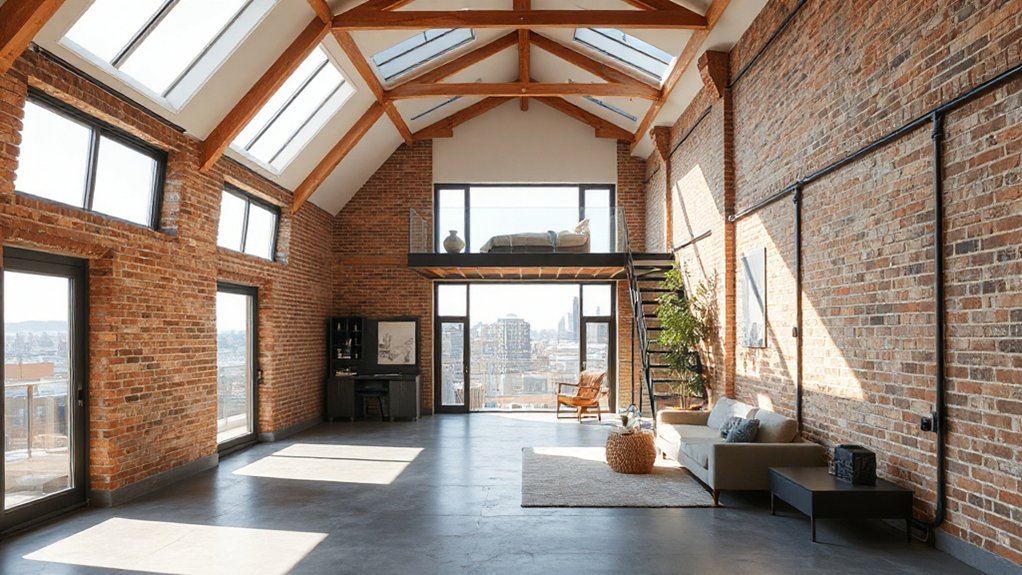

If you’re aiming to boost ROI with a loft conversion, focus on options that add usable space, daylight, and durable build quality—think dormers for extra floor area, Velux windows for cost-effective brightness, or a mansard if you’re chasing high-end value and rental appeal. Your choice hinges on budget, planning rules, and how you’ll use the space over time. Start with practical constraints and long-term payoff to avoid missteps that erode return. Let’s weigh the trade-offs that matter most to your bottom line.
What Loft Conversions Maximize ROI and How to Choose the Best Option
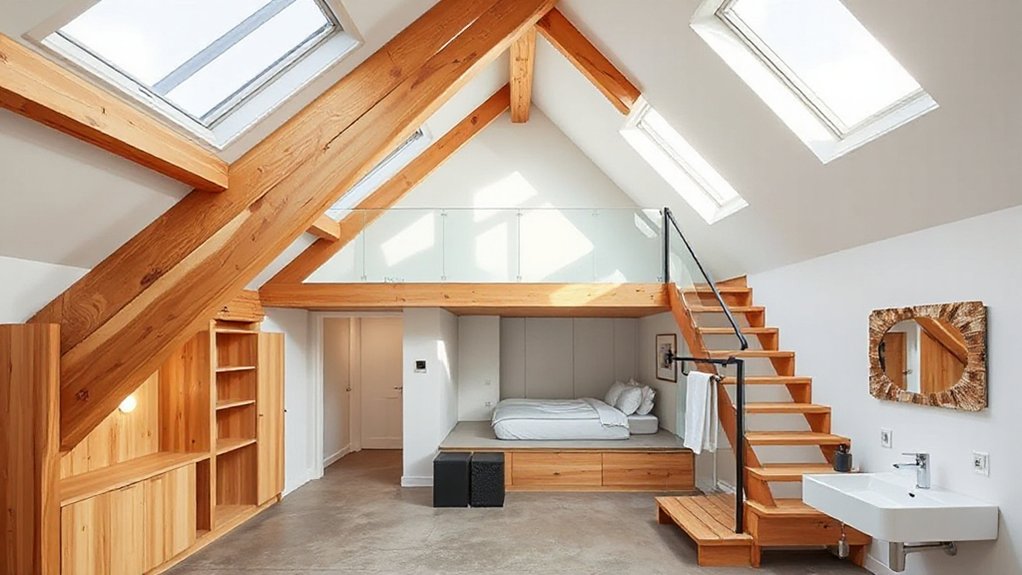
Loft conversions that deliver the best ROI share a few clear traits: they maximize usable space with minimal structural disruption, target high-demand uses, and balance cost with value added.
You should prioritize models that convert attic space into functional rooms without full rebuilds. A practical ROI driver is selecting conversions that align with current buyer priorities, such as an extra bedroom, home office, or ensuite space.
When planning, address roof insulation and ventilation systems upfront to prevent later retrofits that cut into profits. Choose designs with efficient floor plans, durable materials, and scalable finishes.
Compare costs against potential sale premiums, factoring in local demand and time-to-complete. Favor options offering flexible layouts, strong natural light, and low ongoing maintenance for steady ROI.
How to Decide Between Dormer, Velux Window Upgrades, and Mansard
Before choosing between a dormer, Velux window upgrades, or a mansard, assess how each option impacts usable space, light, and thermal performance relative to ROI. You’ll measure floor area gains, headroom, and layout flexibility for each, then weigh light quality and seasonal warmth against cost.
Dormers typically boost usable room space and natural light but add structural complexity and potential heat loss if not well insulated.
Velux upgrades offer cost-effective brightness with minimal disruption, yet may limit ceiling height and total usable area.
Mansard conversions maximize space and exterior architectural impact, but demand higher initial spend and longer build times.
Prioritize roof insulation and targeted ventilation systems to maintain comfort, reduce drafts, and protect ROI during occupancy and resale.
Choose the option that delivers consistent warmth, reliable airflow, and clear ROI signals.
Dormer Loft Conversion: Value, Costs, and Practical Pros and Cons
Could a dormer loft conversion deliver the best ROI by turning unused roof space into usable, well-lit rooms without breaking the bank? Yes, if you plan for value first.
A dormer design adds internal floor area efficiently, often delivering a noticeable extension of usable space at a reasonable cost versus full extensions.
Key ROI drivers are build quality, planning permission, and future resale appeal.
Costs vary by size, materials, and site access, but you’ll gain better light and a more livable layout than simple lofts.
Prioritize solid roof insulation to prevent heat loss and reduce ongoing bills.
Consider structural reinforcement only where needed, avoiding over-spec.
This approach yields practical, durable space with clear long-term returns.
Velux Roof Windows: Impact on Light, Comfort, and Resale Value
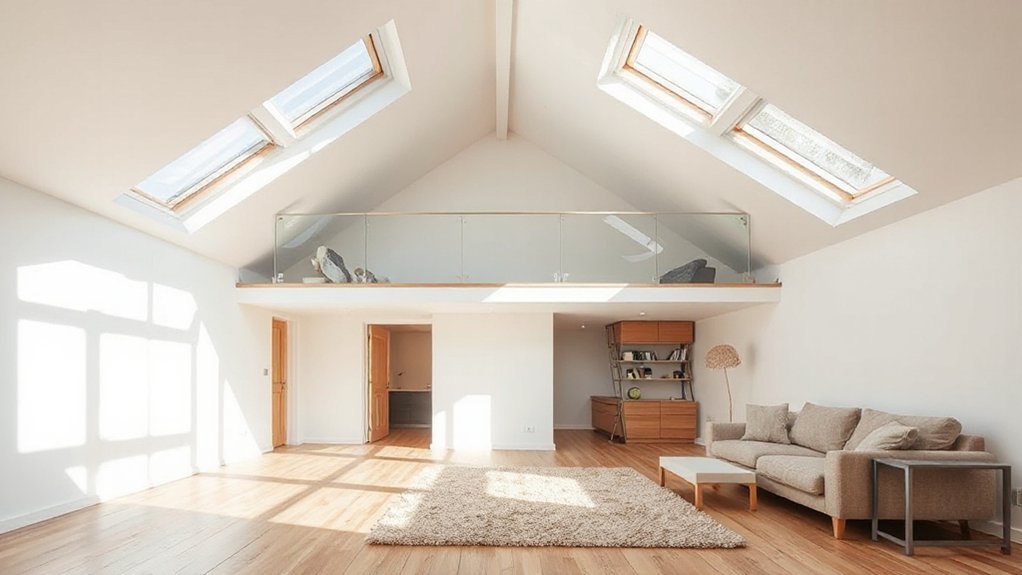
Velux roof windows boost light levels and improve air circulation, making upper rooms feel brighter and more habitable with less reliance on artificial lighting.
This light and airflow uplift can boost daily comfort and support a stronger resale case, especially in tight or awkward loft spaces.
You’ll want to weigh the upfront install cost against potential ROI from higher perceived value and faster sale times.
Light Gains And Airflow
Ever wondered how adding Velux roof windows can boost light, airflow, and ROI in a loft conversion? You’ll experience immediate gains in natural lighting, with daylight penetrating deep into the space and reducing the need for artificial lighting.
Velux units, chosen for size, orientation, and placement, optimize cross-ventilation, enabling cooler air to enter and stale air to exit. Pair these skylights with properly planned ventilation solutions, such as automatic louvre vents or a controllable venting system, to maintain comfort across seasons.
The result is a brighter, more usable area that feels larger and more inviting. This approach supports a practical ROI, encouraging energy efficiency, lower running costs, and a faster sale window.
Focus on accurate sizing and seamless integration: trim, flashing, and insulation are essential.
Resale Value Impacts
Adding Velux roof windows can meaningfully lift resale value by boosting light, comfort, and perceived space, which sellers and buyers both notice quickly.
When you boost daytime brightness with skylights, you create a more inviting attic conversion, supporting a faster sale at a higher price.
Focus on roof insulation to prevent heat loss and drafts, and pair it with high-quality glazing to improve energy performance.
Buyers understand energy efficiency translates to lower operating costs, so quantify improvements in your listing where possible.
Velux units also support better ventilation, reducing moisture risks that can otherwise deter buyers.
In ROI terms, the initial premium on Roof insulation upgrades often pays back through increased offers and quicker closings, especially in markets prioritising Energy efficiency.
Mansard Loft Conversion: When It Pays Off and When It Doesn’t
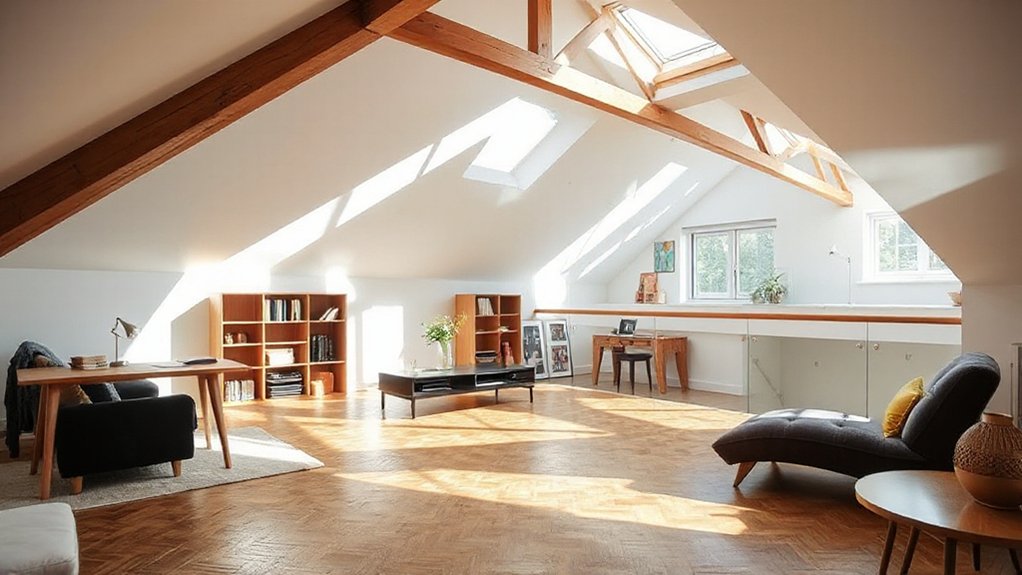
A mansard loft conversion can pay off when you need substantial extra space and the roof is compatible with steep, usable rooms, but it isn’t a universal ROI winner. You’ll gain impressive floor area and headroom, but construction costs are higher, and planning scrutiny can delay payoff.
Target high-value use—guest suites, home offices, or rental-ready rooms—to improve ROI consistency. Design trends influence appeal, so align finishes with current buyer expectations without overcomplicating maintenance.
Material durability matters: choose robust roofing, insulation, and framing to minimize future refurbishments. Consider management costs, potential fire safety upgrades, and access constraints that affect usability.
If your property sits in a market craving extra living space and the roof geometry supports it, the conversion pays off; otherwise, it underperforms.
Interior Layout Strategies to Maximize Space and Value
When you aim to maximize space and ROI in a loft, start with a clear, functional layout that prioritizes circulation, flexible use, and future-proofing. You’ll maximise value by pairing compact zones with open sightlines, minimizing wasted corridors, and using modular furniture.
Prioritize flow from entry to living to sleeping, and tailor niches for dual purposes. Create zones that adapt—working, resting, entertaining—without clutter.
- Creative storage ideas that tuck into eaves, under stairs, and behind built-ins
- Flexible room treatment to swap uses with minimal changes
- Consistent aesthetic themes that unify materials, colours, and finishes
This approach keeps ceilings feeling airy, boosts perceived value, and supports ROI through streamlined maintenance and durable finishes.
Building Regs and Planning Permission: Requirements and Common Twists
Managing building regulations and planning permission is essential for a ROI-focused loft project: it keeps delays and costly reworks off the table. You should audit local planning constraints early, since many councils require pre-application discussions to flag risk areas.
Know your allowable extensions, eaves height, and floor-area thresholds that trigger scrutiny or fees. Expect common twists like permitted development limits, neighbour consultations, and potential conservation-area considerations that impact scope.
For ROI, factor in survey costs, glazing standards, insulation metrics, and fire-safety requirements upfront to avoid retrofit penalties.
Acknowledge Historical preservation if your building sits in a protected area, and plan for environmental sustainability targets, such as energy performance improvements, to align with grants or incentives.
Document decisions, keep approvals dated, and schedule inspections to prevent last-minute hold-ups.
Structural Considerations That Protect ROI
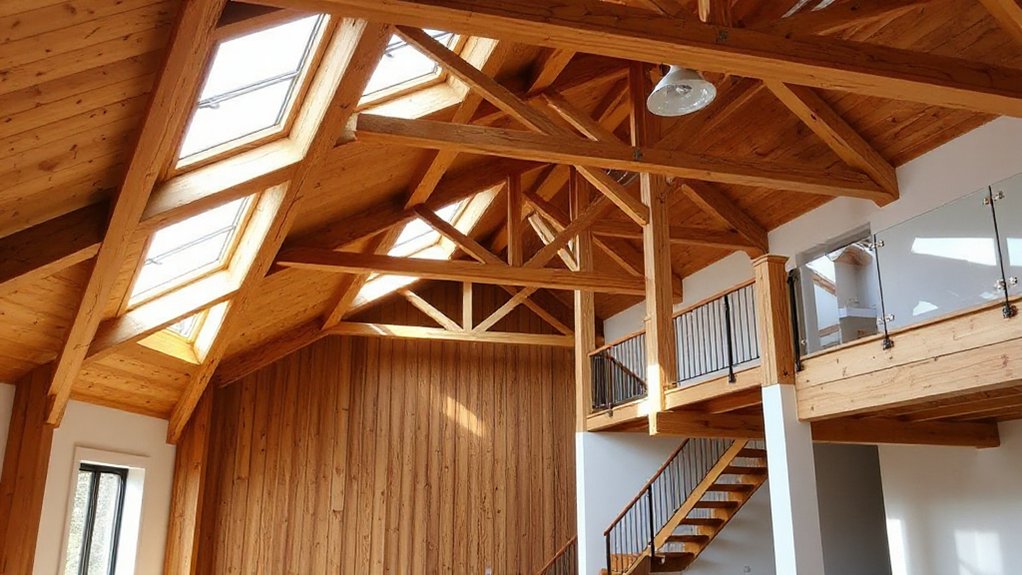
- Structural integrity: verify framing, joists, and diaphragm connections meet expected loads.
- Load bearing considerations: confirm foundation compatibility, span limits, and transfer to supporting elements.
- Redundancy and future access: plan for inspection routes, service runs, and repair options.
This disciplined approach protects ROI by preventing overruns and preserving value through a robust, serviceable loft space.
Cost Ranges and Financing Options for Savvy Buyers
Understanding financing options and the true cost ranges upfront helps you lock in ROI from day one. We’ll break down common funding paths, their impact on cash flow, and how to compare total costs—so you choose a strategy that preserves value.
Think of it as a practical playbook: optimize financing, map costs, and deploy savvy buyer tactics for maximum return.
Financing Options Explained
Financing options for a loft conversion vary widely in cost and terms, so you can tailor a plan that fits your budget and ROI goals. You’ll weigh upfront vs. ongoing costs, loan types, and how terms affect cash flow and value.
Prioritize options that minimize interest and maximize builder reliability, then align with project milestones like roof insulation and ventilation systems.
- Low-down, short-term loans with fixed rates
- Home equity lines of credit (HELOC) or refinancing for flexibility
- Grants or cashback incentives tied to energy efficiency upgrades
Key considerations include the impact on resale value, tax implications, and lender valuation of efficiency features. Choose financing that supports durable improvements, while preserving liquidity for contingencies and any unexpected repairs.
Cost Range Breakdown
Here’s what you can expect for cost ranges and financing options when planning a savvy loft conversion: typical project prices vary by scope and location, but you should budget for design, structural work, insulation, plumbing, electrical, and finishes, plus contingency.
You’ll spot clear ranges: basic lofts may land around mid-range totals, while high-end schemes with skylights, en-suites, and premium finishes push higher.
Factor professional fees, permits, and contingency into the plan.
Financing options align with ROI goals: consider a home equity loan, line of credit, or contractor-backed financing, weighing interest, terms, and impact on monthly cash flow.
Historical trends show gradual price growth, while Environmental impact considerations—heat loss, insulation upgrades, and efficient systems—can improve long-term value and reduce operating costs.
Savvy Buyer Tactics
Savvy buyers approach loft conversions with a sharp eye on cost ranges and financing to protect ROI. You’ll prioritise predictable expenses, weighted toward long-term value, not flashy finishes.
Start with core spend: roof insulation upgrades and exterior cladding, which curb energy costs and preserve curb appeal.
Seek financing that minimizes total interest and aligns with project milestones, using a mix of equity, personal loan, or a short-term construction loan.
Demand itemised bids, and negotiate inclusions that boost ROI without inflating upfront costs.
- Compare insulation grade, thickness, and installation timing to maximise energy savings
- Choose durable exterior cladding with low maintenance, warranty, and transferable value
- Lock financing terms early, favoring fixed rates and clear draw schedules
Real-World ROI Case Studies and Quick-Win Upgrades
Real-world ROI case studies show where loft upgrades pay off and which quick-wins reveal returns fastest. You’ll see small, high-impact changes beat large renovations for early payback.
Start with space perception: install Creative lighting to brighten angles, reduce perceived depth loss, and support room use without structural work. Pair with sustainable materials for long-term value—think reclaimed timber, low-VOC finishes, and durable insulation upgrades that cut energy bills.
Quick-win upgrades include sealing drafts, upgrading attic hatch insulation, and adding a fixed hot-water tap in a bathroom or mini kitchenette to lift value with minimal cost.
Track ROI by set targets: cost, added floor area value, and operating expense shifts. Prioritize upgrades delivering utility, durability, and visual appeal to maximise resale premium.
Frequently Asked Questions
What ROI Benchmarks Apply to Different Loft Types?
Yes, ROI benchmarks vary by loft type: you should target kits with proper Loft insulation and Roof ventilation, aiming for quick payback, higher resale value, and energy savings—prioritize airtight insulation, efficient windows, and compliant ventilation to maximize ROI.
How Long Is Typical ROI Payback for Loft Upgrades?
Average payback for loft upgrades often lands around 60–70% of costs within 5–10 years. You’ll maximize ROI by decorative finishes and lighting improvements, optimizing appeal and value before you commit, budgeting carefully and tracking incremental gains.
Do Local Bans Affect Dormer or Mansard ROI?
Local bans and zoning restrictions can dampen dormer or mansard ROI, delaying approvals and limiting scope; you’ll want precise planning, contingency budgeting, and expert guidance to safeguard profitability while meeting regulations.
Which Trades Influence ROI Most During Build-Out?
You influence ROI most through trades overseeing Building permits and ensuring Structural integrity; coordinate architects, builders, and inspectors, monitor compliance, and verify structural calculations, ensuring permits are secured promptly, while quality workmanship minimizes rework and maximizes durable ROI.
How to Phase Loft Projects to Protect Resale Value?
Start by staging the loft project in phases, protecting resale value; guarantee loft insulation and structural integrity are prioritized, so you save energy, avoid costly rework, and keep ROI rising as you progress.
Conclusion
When you pick a loft upgrade, prioritize ROI: dormers for space and light, Velux for brightness on a budget, or a costly mansard if you’re chasing luxury or high rental returns. A solid insulation plan and durable, low-maintenance materials protect value. Quick stat: dormer projects typically boost internal area by 20–40% and can lift resale value noticeably in mid-market homes. Plan for permits, phased financing, and minimal disruption to maximize your investment.