
If you’re converting a Victorian fireplace basket from wood-only to multi-fuel, start by evaluating its structure, materials, and load limits to guarantee safety and durability. Choose a period-appropriate insert—prefer brazed steel or cast iron with heat-resistant glass and airtight seals—that fits your opening and clearance. Plan reversible upgrades that preserve patina while improving efficiency, including proper venting and CO safeguards. With careful design and compliance, you’ll gain reliable heat and authentic charm, and you’ll discover how to proceed further.
What a Victorian Fireplace Basket Is and Why It Matters

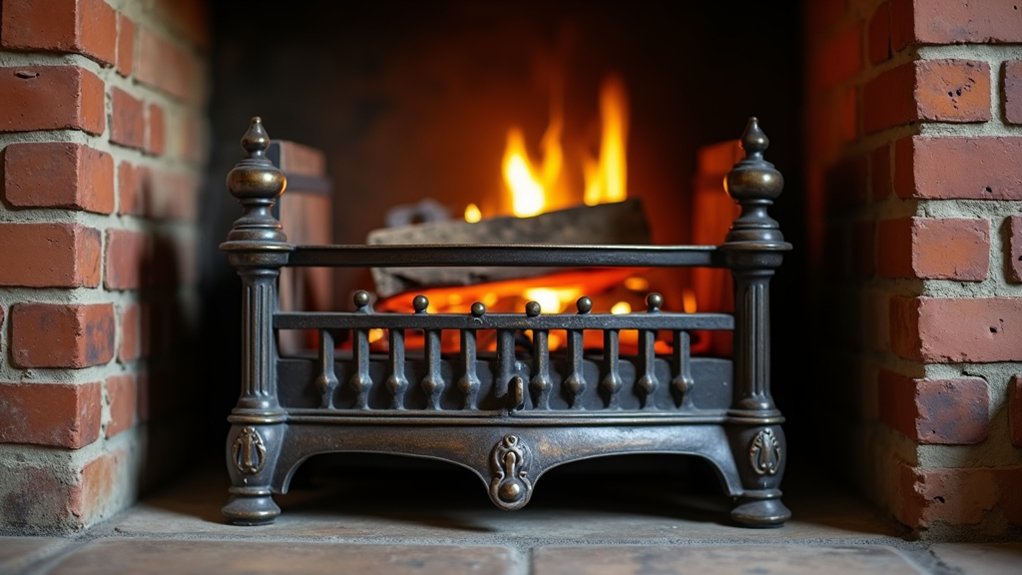
A Victorian fireplace basket is a decorative metal insert designed to sit in a traditional hearth, often featuring woven wirework and baskets’ curves that echo the era’s aesthetic. You’ll understand its purpose by focusing on function and provenance.
This piece channels Victorian decor through form and craft, serving as both heat conduit and visual anchor in a period room. Its significance rests on historical accuracy: the basket’s ironwork, weight distribution, and ventilation patterns reflect methods used in the era to balance safety with style.
When evaluating authenticity, inspect joint quality, finish, and proportion to the surrounding mantle. You don’t just decorate; you preserve a narrative. A well-chosen basket respects the era’s norms while integrating modern safety expectations for contemporary use.
Assess Your Basket: Structure, Material, and Load Limits
Now that you’ve identified the basket’s role in a Victorian setting, it’s time to assess its structure, material, and load limits. Examine the frame for braces, joints, and any warping or corrosion. A sturdy basket uses a welded or riveted steel body with a reinforced base; avoid loose seams.
Material durability matters: look for wrought iron or tempered steel that resists heat and bending. Check load limits by testing with a modest, evenly distributed weight, simulating coal, logs, and embers without overloading the basket’s rim.
Confirm hardware integrity—handles, clasps, and feet should be secure and heat-tolerant. Prioritize Historical accuracy in construction details, and document any deviations from original design. This guarantees a reliable, safe, heritage-appropriate conversion.
Define Your Conversion Goals: Why Multi-Fuel for a Heritage Fireplace
Multi-fuel capability expands your options, letting you burn coal, wood, or alternatives as you see fit. This aligns with heritage fireplace goals by preserving period look while improving reliability and control.
Start by defining your priorities—ease of use, heating consistency, and conservation of the historic character—and then map them to a practical multi-fuel setup.
Multi-Fuel Benefits
Ever wondered why a multi-fuel setup matters for a heritage fireplace? You’ll gain flexibility that aligns with varied fuel availability without sacrificing performance.
Multi-fuel baskets are designed to vent and burn wood cleanly while accommodating coal or smokeless fuels, keeping heat output steadier across seasons. This adaptability supports practical use in historic rooms where fuel access or pricing shifts.
You’ll optimize burning efficiency by selecting the right grate, air control, and fuel mix, minimizing waste and maintenance.
Consider color coordination and finish compatibility with existing surrounds to preserve the room’s cadence. Prioritize historical accuracy in components and installation without compromising safety or efficiency.
The goal is reliable heat with minimal disruption to the fireplace’s authentic character.
Heritage Fireplace Goals
Defining your conversion goals starts with understanding what multi-fuel capability delivers to a heritage fireplace. You’re aiming for a balance between period character and practical versatility, so your goals center on reliability, safety, and adaptability.
Multi-fuel lets you switch between solid fuel and pellets or gas, preserving firebox integrity while expanding usage windows. Prioritize preserving authentic ember-like aesthetics and maintaining clearances, so you avoid chrome temptations that clash with character.
Clarify how you’ll manage heat output—target steady warmth without overtaxing the chimney or hearth. Consider maintenance cadence, fuel sourcing, and potential upgrades to vents or dampers.
Your aims should include modern aesthetics and energy efficiency, ensuring a seamless blend of tradition and contemporary performance without compromising heritage value. This clarity guides a focused, durable conversion.
Choose the Right Insert for a Victorian Basket
Choosing the right insert is essential to modernizing a Victorian fireplace basket without sacrificing its character. You want balance: preserve Victorian aesthetics while delivering efficient heat and safety.
Measure the opening precisely and confirm the throat depth, hearth height, and brickwork clearances with manufacturer specs.
Opt for a brazed steel or cast-iron insert that echoes period lines but accepts contemporary firebox fuel.
Look for a firebox liner with heat-resistant glass and a modern air-wash system to maintain visibility.
Prioritize seals, gasket integrity, and secure mounting to prevent drafts.
Consider ease of use, adjustable grate height, and cleanout access—these boost performance without altering the footprint.
Seek reputable compatibility notes and professional installation to ensure conformity with modern technology while honoring heritage charm.
Multi-Fuel Basics for Heritage Fireplaces

Multi-fuel capability is a practical necessity for heritage fireplaces, letting you burn wood, coal, or solid fuels safely without compromising the basket’s period character. You’ll want a burner setup that respects historical accuracy while providing reliable heat. Use components that resist heat stress and corrosion, ensuring material durability over decades of use.
Maintain clean combustion paths and secure grates to prevent flare-ups and smoke, preserving authentic appearance. Match fuel handling with proper ventilation and ash management to protect the surround and preserve the basket’s form.
- Historical accuracy-focused design choices that don’t betray the basket
- Durable, heat-resistant materials tested for longevity
- Safe, controlled draft and ash disposal practices
- Cleanability and accessibility for regular upkeep
Fuel Options: Wood, Coal, Smokeless Fuel, and Alternatives
With heritage baskets, your fuel choice should balance heat output, burn cleanliness, and historical authenticity. You’ll weigh wood for traditional feel against coal for longer heat, but consider smokeless fuels when you need steadier, cleaner performance in shared spaces.
Eco friendly fuels offer lower emissions and easier storage, though some options may not suit every grate pattern. Modern appliances demand compatibility: check grate size, ember bed behavior, and ash management to avoid unintended restriction or spark risk.
Wood delivers aroma and glow, coal can deliver abundant heat, and smokeless fuels reduce odor and smoke. Alternatives like briquettes or compressed logs provide consistent burn with less clinker.
Always match your selection to your basket design, local regulations, and maintenance rhythm for reliable, safe operation.
Airflow, Sizing, and Safe Combustion
- Maintain unobstructed air inlets and a clear chimney draft
- Match firebox size to fuel type and basket design
- Control burn rate with grate height and ash depth
- Inspect for damage, avoid improvisations that threaten safe combustion
Safety Checks: Chimney, Clearances, and CO Precautions
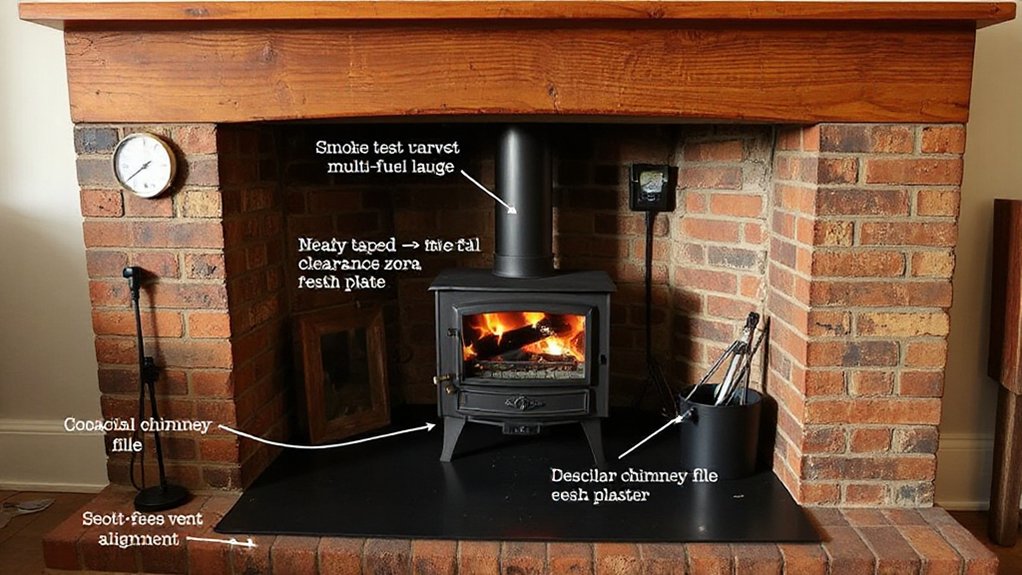
Start with a quick chimney inspection to confirm there are no cracks, loose creosote, or blockages that could spark a fire or restrict drafting.
Adhere to clearances and spacing rules around the hearth, mantle, and nearby combustibles, and verify the insert fits without crowding surrounding surfaces.
Finally, follow CO safety precautions by installing a proper detector, testing it regularly, and understanding symptoms of CO exposure.
Chimney Inspection Essentials
A proper chimney inspection is essential for safety and efficiency, especially in vintage homes where creosote buildup, cracks, or improper clearances can pose fire or carbon monoxide risks.
- Check flue liner condition for cracks, blockages, and material durability, documenting any repairs needed.
- Verify crown integrity and masonry joints to ensure historical accuracy in restoration and ongoing performance.
- Assess chimney venting flow with smoke tests and CO monitors, confirming safe exhaust paths.
- Confirm clearances around combustible materials and proper installation of knockouts, caps, and spark arresters to minimize risk.
This process prioritizes persistent safety, reliable performance, and durable materials, guiding you toward informed maintenance decisions and long-lasting reliability.
Clearances And Spacing Rules
Position flue connections and brickwork to avoid overheating adjacent timberwork, plaster, or wallpaper. Maintain air gaps for insulation sleeves and affirm clean, accessible routes for ash and soot removal. Keep the hearth clear of clutter that could trap heat or ignite nearby fabrics, tools, or décor.
Document clearances for future alterations, preserving fireplace aesthetics without compromising safety. With historical accuracy in mind, apply conservative margins and verify during each seasonal check.
CO Safety Precautions
Because a safe chimney and accurate clearances go hand in hand, prioritize CO safety checks alongside routine chimney inspections. You’ll want to verify carbon monoxide detectors are installed, functioning, and interconnected with the fireplace area to alert you promptly.
Inspect venting for blockages and make certain air seals prevent backdrafts that push CO into living spaces.
Maintain proper combustion by using dry fuel and a well-tuned appliance, reducing CO production.
Track clearances around the hearth to keep combustibles at safe distances and monitor for heat-induced wallpaper or plaster damage over time.
Regular servicing by a qualified technician supports heritage preservation while safeguarding occupants.
- Install and test CO detectors and interconnect them with the heating system
- Inspect venting for blockages and backdrafts
- Maintain proper clearances and monitor heat effects on surrounding materials
- Use dry, seasoned fuel and schedule professional servicing
Install Planning and Step-By-Step Considerations
Planning the conversion start by outlining your scope, identifying code requirements, and securing any necessary permits before you touch the fireplace.
You map a practical path: confirm clearance, chimney suitability, and ventilation needs, then align materials with firecodes.
Next, select a safe, reversible approach that preserves historical accuracy while meeting modern performance expectations.
Create a step-by-step plan: document dimensions, choose a compliant insert or insert-adapter, and schedule inspections at key milestones.
Source sturdy, heat-resistant components with proven material durability, and verify compatibility with existing brickwork and lintels.
Prioritize proper electrical and gas clearances, flame spread ratings, and ember containment.
Document all measurements and approvals, maintain traceability, and communicate changes promptly.
Finalise installation sequencing, then conduct a controlled test burn to confirm reliable operation.
Preserving Patina While Upgrading Function
- Retain existing markings and patinated surfaces; treat them as design features.
- Use reversible liners or liners that can be removed without repainting.
- Opt for decorative accessories that echo period motifs without altering core structure.
- Apply durable sealants only to refurbished areas, preserving the original finish and patina.
Focus on compatibility, reversibility, and minimal aesthetic intrusion to honor history.
Era-Appropriate Design Touches: Trim, Grate, and Finish
To set era-appropriate trim, focus on proportions that reflect Victorian logics—tapered moldings, scrollwork, and balanced architrave details.
Consider finish choices and grate ornamentation that harmonize with your basket’s form, ensuring metalwork respects period patina while introducing readable enhancements.
Start by aligning trim scale with the opening and selecting grate details that echo authentic motifs without crowding the overall silhouette.
Trim Proportions and Style
Trim proportions should mirror the fireplace’s era cues while preserving balance with the surrounding room. You shape every trim element to reinforce historical accuracy, avoiding oversized or understated details that distort the focal point. Precision guides your choices, from casing width to pediment depth, ensuring a clean line that remains legible at distance.
You consider sightlines, proportioning molding with the basket’s silhouette to keep the composition cohesive. Victorian decor informs your material choices, favoring solid wood, subtle grain, and restrained ornament. You maintain practicality by ensuring easy access for maintenance while keeping the aesthetic faithful.
Focus on proportional relationships rather than flashy flourishes, and let restraint convey authenticity.
- Reflect proportional harmony with the basket
- Use authentic profiles and simple ornament
- Select durable, period-appropriate materials
- Prioritize ease of maintenance and access
Finish and Grate Details
Grates should be proportionate, with narrow bars and occasional scrollwork that complements, not dominates, the basket’s form. Use simple, robust joints and a smooth interior to ease cleaning and fuel access.
For multi-fuel use, assure the grate sits low enough to encourage airflow yet high enough to keep ash contained. Maintain clearances and fittings for fireplace maintenance, and document any changes to support historical authenticity in placement and finish.
Troubleshooting Common Conversion Challenges
When converting a Victorian fireplace basket, you’ll inevitably encounter a few common hurdles. You’ll address fit, airflow, and sealing early to prevent drafts and smoke leaks. Prioritize historical accuracy in styling and guarantee the insert integrates without altering original proportions.
Material durability matters; choose components that withstand heat and full-time use without warping. Test with a burn and observe for hotspots, and adjust grate height accordingly. Keep clear margins for cleaning access and maintain a safe clearance around combustibles.
- Verify dimensional fit and mounting positions
- Optimize chimney draw and damper alignment
- Select heat-rated, durable materials
- Preserve historical details while updating ventilation
Costs, Permits, and Budgeting for a Victorian Basket Conversion
Moving from planning fit and airflow to managing costs, permits, and budgeting sets your Victorian basket conversion on solid footing. You’ll itemize each phase: material costs, labor, and contingency.
Start with ventilation improvement needs, since proper airflow affects performance and safety. Obtain quotes from licensed pros for chimney liner, flue sealing, and metal retrofit components; document permits early to avoid delays.
Budget for unexpected issues—historic masonry, lead paint, or hidden voids can spike price. Track financing options, including permits, inspections, and compliance fees.
Prioritize historical accuracy in detailing trim, grate, and firebox adjustments to maintain authenticity while meeting code. Include a buffer for testing, commissioning, and potential rework.
Finalize a written plan with milestones, costs, and sign-offs to keep your project on time and within the approved budget.
Frequently Asked Questions
How Does a Multi-Fuel Insert Affect Basket Aesthetics?
A multi-fuel insert enhances basket aesthetics by preserving traditional lines while adding sleek, modern grate details. It improves fireplace design and increases aesthetic appeal with cleaner flame visuals, refined logs, and balanced proportions you’ll appreciate during use.
Can I Convert Without Professional Chimney Alterations?
Sure, you shouldn’t convert without professional chimney alterations. You must schedule a chimney inspection and follow safety regulations; otherwise, you risk leaks, creosote fires, and warranty voids. Use qualified techs for any multi-fuel insert fitting.
What Maintenance Is Required After Conversion?
You’ll need annual chimney inspection and regular ash removal after conversion. Inspect for creosote buildup, cracks, or blockages; clean your grate and flue as recommended; schedule professional maintenance if you notice drafts, odors, or smoke leakage.
Are There Legal Restrictions on Heritage Homes?
You’ll want to know that 60% of heritage homes require approvals before alterations. Yes, there are restrictions—heritage preservation and legal compliance matter; you must check local ordinances, secure permissions, and guarantee your multi-fuel installation complies with listed-building rules.
How Long Does a Typical Conversion Take?
A typical conversion takes several days to a couple weeks, depending on scope. You’ll prioritize fireplace safety, insulation, and venting, then finalize with inspections. Expect conversion costs to reflect materials, labor, and any regulatory compliance needs.
Conclusion
To be sure, a Victorian basket conversion isn’t effortless magic; it’s careful, respectful upgrading. You’ll avoid overreaching by balancing function with heritage, choosing an insert that fits without forcing fit, and safeguarding the patina that defines your mantle. Expect smart compromises rather than dramatic leaps, and plan for modest costs and permits. With measured decisions and precise execution, you’ll subtly improve efficiency while maintaining character, inviting future occupants to appreciate rather than redefine your history.