
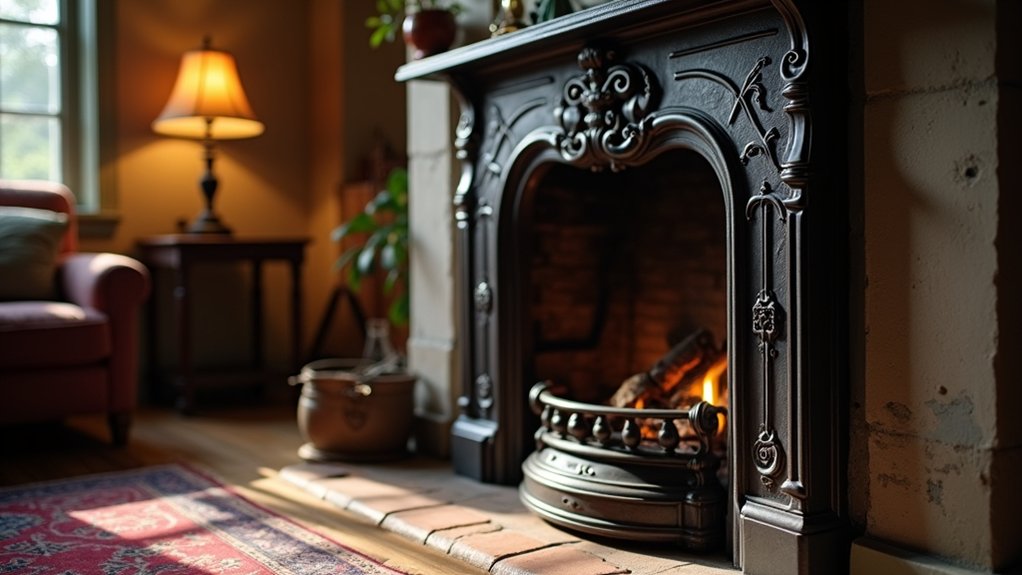

Restored cast iron fireplaces are making a comeback because they fuse timeless craftsmanship with modern practicality. You get a heritage focal point that’s efficient, durable, and versatile, blending ornate ironwork with clean, contemporary surroundings. Advances like clean-burn inserts improve heat control and reduce emissions, while careful restoration preserves architectural character. This balance of beauty and performance adds value and ambiance to today’s homes. If you want to explore how to implement this in yours, you’re in the right place.
Why Restored Cast Iron Fireplaces Belong in Modern Homes
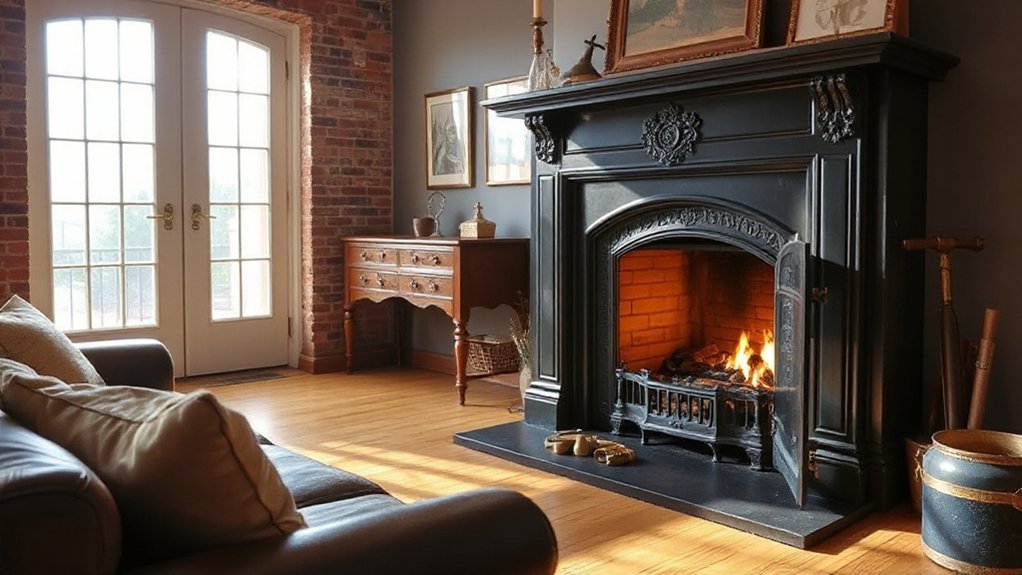
Restored cast iron fireplaces deserve a spotlight in modern homes because they blend timeless craftsmanship with contemporary function. You appreciate how their heat efficiency pairs with a bold, honest silhouette, anchoring rooms without shouting for attention.
Their historical significance informs not just aesthetics, but the way you approach space: durable construction, thoughtful restoration, and a sense of lineage. You’ll notice how the finish, patina, and riveted detailing tell a story that mass-market replicas can’t replicate.
Cultural symbolism emerges in gathering spots around the hearth, where heritage becomes part of daily life. In your home, the piece communicates restraint and confidence, reminding you that form follows function.
The result is a refined focal point that respects history while serving present needs.
Design Catalysts: Ornate Details Meet Modern Style
Ornate details can catalyze a seamless fusion of history and today, turning intricate ironwork into a focal point that feels both timeless and fresh. You’ll notice how deliberate motifs—scrolls, foliage, and geometric flourishes—signal artisan craftsmanship, pairing traditional technique with contemporary restraint.
When you balance scale and negative space, the design preserves its historical significance while avoiding heaviness. The result is a room that reads curated rather than museum-like, inviting conversation rather than intimidation.
In practice, designers prefer clean lines around the mantle edge, leaving the ornate core to speak softly. This approach respects the craftsmanship, honors the lineage of cast iron, and elevates the fireplace into a confident centerpiece.
The key is purposeful restraint that lets centuries-old artistry coexist with modern living.
Modern Inserts and Clean-Burn Tech for Efficiency
You’ll see how modern inserts change performance, delivering more heat with less fuel.
Clean-burn tech is your ally for efficiency, reducing emissions without sacrificing ambiance.
As you compare options, prioritize systems that pair precise airflow with durable build for steady, long-term results.
Modern Inserts Impact
Modern inserts and clean-burn tech are transforming how fireplaces perform, delivering higher efficiency without sacrificing ambiance. You’ll notice sharper heat control, steadier flames, and cleaner venting, all while preserving the character of your historic space.
As you evaluate options, consider how inserts integrate with your existing mantel and brickwork, keeping the focal point intact. Your decisions should balance performance with preservation, ensuring you don’t disrupt historic features.
Here are 4 pivotal impacts you’ll feel:
1) Improved combustion efficiency reduces fuel use and emissions.
2) Sealed designs minimize drafts, boosting comfort in winter.
3) Precise airflow control enhances flame quality and heat distribution.
4) Maintenance becomes simpler, supporting long-term fireplace upkeep.
This approach supports fireplace maintenance and historic preservation, without compromising the aesthetic you value.
Efficiency Through Clean-Burn
Clean-burn technology and modern inserts tighten efficiency without dulling the fireplace’s character. You’ll gain cleaner combustion, longer burn times, and reduced smoke with advanced ignition and insulated chambers.
By pairing airtight seals with controlled air intakes, efficiency rises while heat output remains steady, so you enjoy warmth without frequent refueling.
Modern inserts preserve the look you love while leveraging catalytic or secondary burn stages to minimize emissions. This balance honors historic preservation by integrating contemporary performance into a classic silhouette.
You’ll notice less creosote buildup, easier maintenance, and predictable heat delivery.
Craftsmanship techniques, from precise fitting to seamless paneling, guarantee the insert feels native to the mantel. The result is a refined, responsible centerpiece that respects tradition while embracing modern efficiency.
Restoration Pathways: Dismantling to Finishes
Dismantling a cast iron fireplace is the essential first step in a successful restoration, and it sets the stage for precise assessment and careful reconstruction. You’ll map every component, from flue to base, to understand its condition and records for accurate reuse. This phase informs whether you pursue repair or replacement, guiding budgets and timelines with clarity.
1) Thorough assessment reveals hidden corrosion and crack patterns, shaping a realistic restoration plan.
2) Surface preparation prioritizes safety, preserving integrity while uncovering authentic patina.
3) Finishing options balance aesthetics and durability, aligning with chimney renovation goals and long-term performance.
4) Material choice for hearth materials dictates heat containment and stylistic harmony, ensuring a cohesive return to life. You’ll finish with a faithful, functional centerpiece.
Timeless vs. Contemporary: Choosing Your Fireplace Style
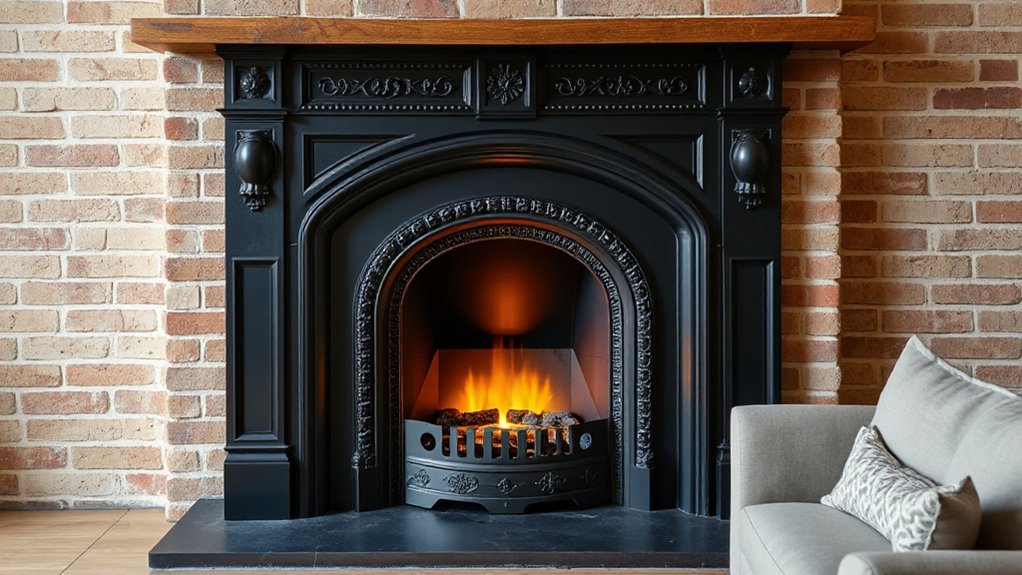
Timeless vs. Contemporary styles each offer a distinct voice for your space, so you assess how material, finish trends, and scale align with your room’s architecture.
You’ll weigh how classic cast iron lines pair with modern accents, aiming for harmony rather than competition.
Start by clarifying how much permanence you want from the fireplace’s look and how it supports your overall design narrative.
Timeless Versus Modern Styles
When weighing timeless and contemporary fireplace styles, you’re weighing how a design will age with your space. Timeless looks anchor rooms with enduring warmth, while modern styles spark fresh energy and cleaner lines. Your choice shapes daily life, not just aesthetics, and should feel effortless today and adaptable tomorrow.
Consider how each option plays with your home’s existing textures and light, then decide which story you want your hearth to tell.
- Rustic charm meets streamlined form, balancing warmth with restraint.
- Vintage appeal layers character without overpowering moderne elements.
- Clean profiles highlight craftsmanship, letting firelight take center stage.
- Versatility guarantees future swaps in trim or surroundings won’t stump you.
Your decision sets the mood, longevity, and return on every square foot of living space.
Material and Finish Trends
Timeless draws on aged textures—rough cast, brushed patina, and muted tones that deepen with time—yet you still demand clean lines and predictable performance.
Contemporary styles favor smooth, high-contrast finishes, glossy enameled surfaces, and lighter palettes that reflect heat and light differently.
Finish options matter as much as the core metal: heat-treated, powder-coated, and lacquered surfaces each respond distinctly to use and maintenance.
Your choice should align with room mood, cleaning tolerance, and long-term upkeep, ensuring a harmonious interplay between firelight, texture, and your daily life.
Harmonizing Space and Scale
To harmonize space and scale, start by evaluating how the fireplace’s silhouette relates to the room’s proportions and focal points. You’ll balance historic heft with modern clarity, letting Historical significance ground the design while Cultural symbolism informs the mood.
1) Align mantel height with eye level and ceiling rhythm to create a cohesive vertical span.
2) Favor a streamlined surround for small spaces, or a bold profile to anchor expansive rooms.
3) Pair iron with warm woods or cool neutrals to modulate weight without sacrificing authenticity.
4) Consider period details that echo the era you prefer, then temper them with contemporary finishes for longevity.
This approach yields a refined, timeless statement that respects tradition while embracing current taste.
Costs, ROI, and Practical Budgeting for Restoration
Restoration costs vary with the fireplace’s condition, scope of work, and chosen materials, but you can gain clarity by breaking the project into three practical steps: assess, estimate, and plan.
You’ll start with budget planning, detailing what must be repaired or replaced and which finishes you prefer.
Then, perform a candid cost analysis to separate essential work from optional enhancements, delimiting risks and contingencies.
Next, align priorities with your timeline and financing, creating a phased approach that avoids surprises.
ROI comes from durable materials, professional-grade safety updates, and preserving architectural character.
Remember to account for permits, potential subcontractors, and cleaning, which can influence overall value.
A disciplined budget yields confidence, smoother decisions, and restoration that respects both cost and craftsmanship.
How to Evaluate Your Fireplace: Next Steps for Homeowners
When you evaluate your fireplace, start with a practical, step-by-step assessment that guides the rest of your project. To move forward confidently, focus on these core steps and keep safety at the forefront.
- Inspect the damper, firebox, and chimney for cracks, corrosion, and soot buildup.
- Assess the mantel, surrounding surround, and hearth for stability and heat damage.
- Check gas lines or wood-burning components for leaks, blockages, or wear.
- Review maintenance habits and establish a routine for fireplace maintenance and safety considerations.
Frequently Asked Questions
How Long Does a Full Restoration Typically Take?
A full restoration typically takes 2–3 weeks, depending on detailing and sourcing. You’ll assess fireplace color options and restoration cost upfront, then coordinate steps, stabilize the iron, refinish surfaces, and cure finishes for lasting beauty.
Can Restored Cast Iron Improve Home Resale Value?
Yes, restored cast iron can boost your resale value. You’ll gain historical authenticity and aesthetic appeal, attracting buyers who value timeless charm and quality craftsmanship, signaling improved perceived value and differentiated, sophisticated interiors.
Are There Health Risks With Old Fireplaces?
Yes, there are health concerns with old fireplaces; you should treat fireplace safety seriously. Inspect for creosote, guarantee proper venting, and consider professional cleaning to minimize exposure to smoke, soot, and potential chimney hazards.
What Maintenance Schedule Does a Restored Unit Require?
You should schedule annual maintenance, including a professional chimney inspection and flue cleaning, plus cosmetic touch-ups to preserve paint durability and prevent rust. Wipe surfaces after use, monitor seals, and address cracking promptly to sustain safety and longevity.
Are There Eco-Friendly Finishing Options for Restoration?
Are there eco-friendly finishing options for restoration? Yes—eco friendly coatings exist, and they align with sustainable restoration. You can protect heritage while reducing impact, choosing low-VOC formulations, durable finishes, and provenance-backed materials for responsible, lasting results.
Conclusion
Restored cast iron is a quiet beacon in a crowded room, a lighthouse for a home’s story. You’re not just buying a fireplace; you’re reviving a memory, letting its ornate ribs glow like embers of tradition guiding modern taste. The metal, cold at first glance, warms with purpose as modern tech and careful restoration fuse. Let symbolism of durability and renewal remind you: beauty endures, and your space can anchor memories while breathing new life into today.