
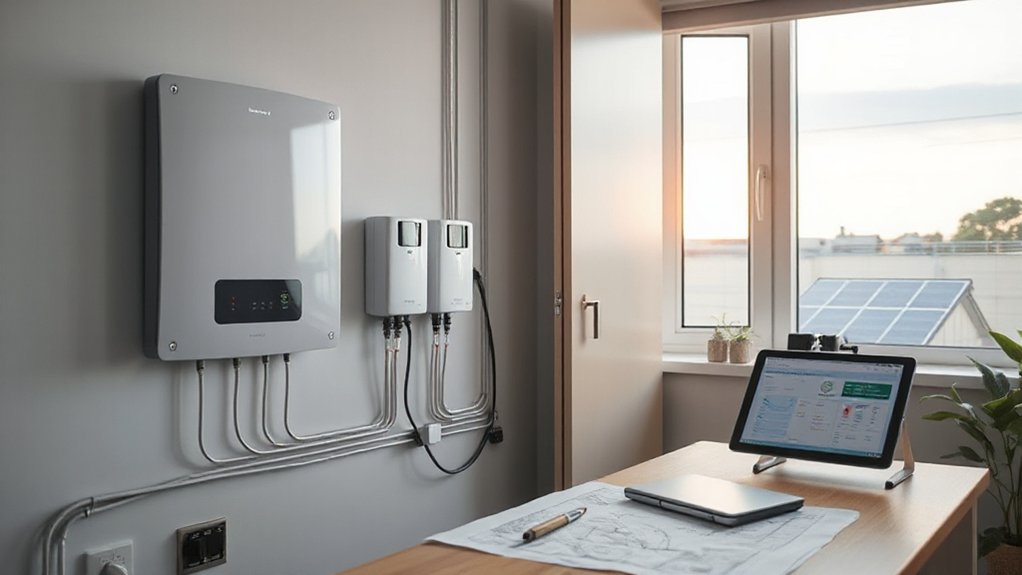

A modest hint of improvement frames what you can expect from smart home repair systems. You’ll monitor health data, schedule fixes at off-peak times, and swap in repairable parts with minimal waste. This approach balances efficiency, durability, and privacy while keeping costs predictable. There’s a practical path to fewer outages and longer device lifespans, but the specifics—your devices, vendors, and routines—will shape the journey you’re about to undertake.
What Smart Home Repair Systems Do For Your Home

Smart home repair systems streamline maintenance by monitoring your equipment, diagnosing issues early, and guiding you through fixes. You’ll notice fewer surprises as smart sensors track performance, temperatures, vibrations, and flow, flagging anomalies before they become faults.
With repair automation, routine tasks—like recalibrating sensors, resetting circuits, or scheduling filter changes—happen automatically, reducing downtime and extending appliance life. You gain clear, actionable insights via concise alerts and dashboards, so you know what needs attention without guesswork.
The system prioritizes efficiency, directing you to targeted actions rather than broad, time-consuming checks. By keeping critical components in harmony, it preserves comfort, safety, and energy use.
In practice, you’ll repair with confidence, precision, and less disruption to daily life.
Why Sustainability Hinges On Proactive Maintenance
Why does proactive maintenance matter for sustainability? Because it reduces waste, lowers energy use, and extends the life of your systems.
When you schedule checks, you catch small issues before they escalate, preserving efficiency and avoiding disruptive repairs. Regular tune‑ups keep appliances calibrated, pipes sealed, and insulation effective, which means less resource draw over time.
Proactive care also supports eco‑friendly choices you already value, like urban farming and biodegradable packaging, by ensuring your smart controls optimize water, light, and temperature for crops and storage.
Predictive Diagnostics: Catching Failures Early
Predictive diagnostics detect wear and anomalies before they cause a failure, so you can schedule timely repairs without surprise downtime. You’ll monitor sensor streams, toast-errors, and trend deviations to distinguish nuisance signals from genuine risk. The system flags actionable issues, prioritizing maintenance tasks by impact on reliability and efficiency.
You gain clarity through concise alerts, clear remediation steps, and adjustable thresholds that respect your tolerance for downtime. By correlating data across devices, you uncover hidden patterns that reveal root causes rather than symptoms.
Quantum computing can accelerate complex pattern recognition, reducing detection latency while boosting accuracy. You’ll also track Solar panel efficiency remotely, ensuring ideal energy harvest and extending the life of your solar investments.
Practical, aesthetic-conscious maintenance becomes a proactive routine rather than a reactive chore.
Energy-Aware Maintenance Schedules For Low Waste
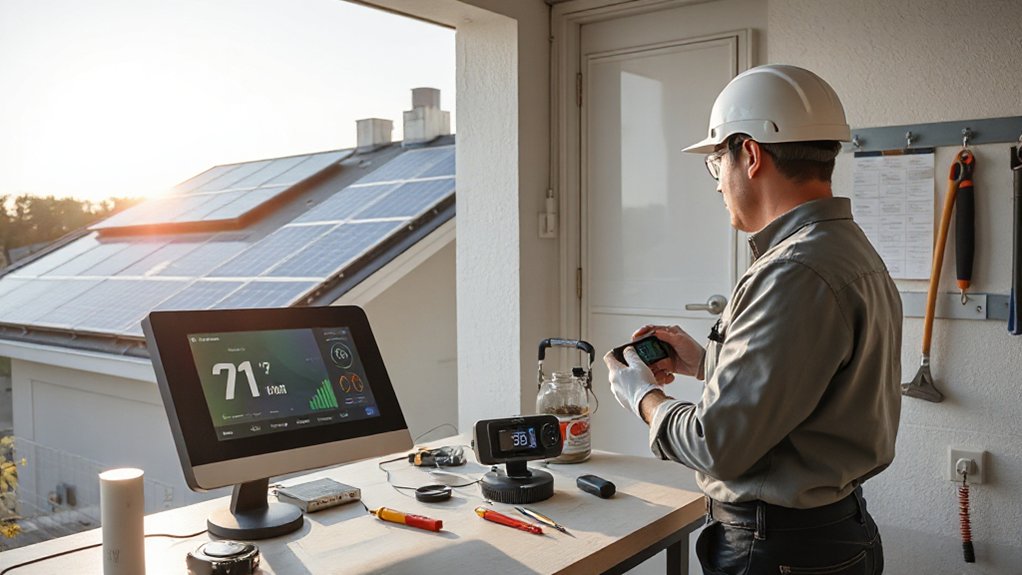
You can optimize energy use with an energy-efficient scheduling approach that aligns maintenance windows with off-peak loads.
We’ll pair downtime minimization tactics with predictive maintenance timing to keep systems reliable without waste.
This discussion starts with clear objectives: reduce energy, limit disruption, and time interventions for maximum impact.
Energy-Efficient Scheduling
You prioritize actions that align with demand, minimizing idle cycles and energy burn. You automate inspections during low-load periods, leveraging smart sensors to flag anomalies early, before they escalate.
You weave in Smart thermostats and other demand-responsive devices to drive asynchronous maintenance without interrupting comfort. You plan around renewable integration, timing calibrations to match generation surpluses or storage availability, cutting grid draw.
You document schedules with clear SLAs, track deviations, and refine thresholds, creating a lean, aesthetically mindful maintenance cadence. Simplicity, predictability, and efficiency define your approach.
Downtime Minimization Tactics
Downtime costs time and energy, so you design maintenance windows around real-time load and system availability to keep disruptions minimal. You map out maintenance scheduling to align with peak efficiency, staggering tasks to avoid simultaneous shutdowns.
When a device demands service, you prioritize low-impact intervals, using onboard diagnostics to confirm fault windows and prevent unnecessary restarts. You minimize waste by coordinating cooling cycles, power cycling, and firmware updates during periods of low demand, preserving overall energy balance.
You document each change for traceability, ensuring operators understand why outages occur and how to recover swiftly. Resource conservation drives your approach, favoring modular replacements over full-unit swaps and leveraging energy-aware fault isolation.
Clear, concise procedures guide technicians, reducing recovery time while maintaining safety and reliability.
Predictive Maintenance Timing
- Real-time insights guide service windows
- Targeted part changes curb waste
- Data-driven schedules boost efficiency
Modular Hardware That Extends Appliance Lifespan
Reliability comes from standardized interfaces, durable connectors, and tested firmware compatibility, ensuring seamless integration with existing ecosystems. By prioritizing modular hardware, you extend appliance lifespan while preserving performance, aesthetics, and user experience.
Maintenance becomes routine rather than disruptive: swap a faulty module, update firmware, or add a sensor module as needs evolve. The result is a sustainable, pristine system that ages gracefully without sacrificing control, speed, or reliability.
Low-Impact Repairs: Fixes That Save Resources
You can start with simple, targeted repairs that minimize material use while still restoring function.
Prioritize reusable or recyclable parts and quick fixes that cut waste and energy, aligning with resource-saving goals.
This approach blends practicality with an understated, refined aesthetic, inviting readers to contemplate efficiency as a core design choice.
Repair Materials Minimization
When repairing a smart home, you can minimize material use by choosing fixes that reuse components, standardize parts, and prioritize modular, low-waste solutions. You lean into efficient design, selecting repair paths that cut new material intake while preserving performance.
Focus on compatible modules, durable finishes, and assembly ease to reduce waste at every step. Embrace Smart technology-informed planning to map out replacements that travel fewer miles and require less packaging.
Prioritize material recycling by selecting recyclable housings and connectors, and document reuse potential for future upgrades. This approach keeps aesthetics intact while trimming the footprint of upkeep.
- Reuse and standardize parts to minimize disposal and inventory
- Favor modular, scalable components that shorten replacement cycles
- Choose recyclable housings and connectors aligned with material recycling goals
Resource-Saving Quick Fixes
Check seals and gaskets on doors, windows, and appliances; a tight fit lowers energy and water waste with little effort. Calibrate thermostats and timers to match real usage, avoiding overcooling or overheating.
Embrace smart gadgets that track consumption and trigger alerts when anomalies occur, enabling fast, targeted adjustments. Use repair apps to locate alternative parts or guide straightforward fixes, cutting waste and downtime.
Opt for durable, repairable components, favoring modular designs when possible. These low-impact steps sustain performance, save resources, and maintain aesthetics with minimal friction.
Real-Time Health Dashboards For Your Appliances
The dashboards emphasize Appliance aesthetics, staying readable and minimal while delivering clear signals. You’ll notice when a cycle takes longer or a temp is off, prompting swift checks—no guesswork, just actionable insight.
Expect durable visuals, intuitive colors, and concise notes that keep repairs practical, not pompous. If a fault arises, you’ll smile at the Repair humor embedded in status messages, easing tension.
- Centralized status overviews for major appliances
- Quick-path diagnostics with guided steps
- Energy-use trends and maintenance reminders
Turning Data Into Decisions With Predictive Analytics

Predictive analytics turns your appliance data into actionable foresight, so you act before failures disrupt performance. You gather usage patterns, fault histories, and sensor signals to build a concise picture of reliability.
With data visualization, you translate complex trends into clear visuals you can interpret at a glance, spotting subtle shifts long before they matter. You set thresholds and alert rules that trigger proactive maintenance, part replacement, or scheduling tweaks, keeping energy use steady and costs predictable.
Decisions become automatic through decision automation, reducing reactive firefighting and freeing your time for improvements. By validating hypotheses with real-world results, you refine models continuously, strengthening confidence.
The outcome: smoother operation, fewer interruptions, and a smarter, more resilient home system.
Integrating Repair With Home Renewable Energy
You’ll explore Repair-Oriented Energy Sync to align maintenance with when your renewables generate power.
Predictive Maintenance Savings become tangible as you anticipate wear and schedule interventions before failures, boosting reliability.
Grid-Integrated Resilience ties your home’s repairs to grid conditions, reducing outages and supporting steady energy flow.
Repair-Oriented Energy Sync
How can Repair-Oriented Energy Sync streamline your home’s reliability by marrying repair planning with renewable generation and storage? You’ll align fault-handling with energy flows, ensuring quick isolation of issues and optimized charging cycles. Remote monitoring keeps you informed, while smart scheduling reduces wear on inverters and panels. This approach boosts resilience, minimizes downtime, and enhances overall efficiency through precise, data-driven actions that respect aesthetics and function.
- Synchronize repair windows with sun and wind forecasts to maximize energy availability
- Use remote monitoring to detect anomalies, trigger maintenance, and sustain user engagement
- Prioritize components with highest impact on storage performance and grid interaction for lasting value
Predictive Maintenance Savings
When you align predictive maintenance with your home’s renewables, you turn data into reliability by forecasting failures before they disrupt energy flows. With predictive analytics, you detect wear patterns in inverters, batteries, and solar panels, scheduling service only when it’s truly needed. This reduces unexpected downtime and extends component life, so you preserve uninterrupted generation and minimize waste.
Maintenance automation coordinates alerts, part orders, and technician dispatch, streamlining repairs without over-servicing. You gain actionable dashboards that translate raw telemetry into clear actions, helping you budget for replacements and optimize warranty claims.
Grid-Integrated Resilience
- Coordinate generation, storage, and loads with real-time data
- Predefine response scenarios for outages and peak demand
- Verify performance through routine tests and data reviews
Circularity In Practice: Reuse, Recycle, Re-Engineer
Circularity in practice means designing and operating smart home systems so components are reused, recycled, or re-engineered at every stage. You evaluate each module for end-of-life pathways, choosing components with standardized interfaces and modular form factors.
You map supply chains to secure refurbished parts, refurbishable hardware, and easily remanufactured sensors, actuators, and controllers. You favor serial production over single-use designs, enabling repairability and upgrades without waste.
You implement disassembly guides, redesign for compatibility, and material traces to guarantee reclaimability. You chase Circular economy principles by prioritizing longevity, repairability, and upgradability, reducing landfill impact.
You pursue Material innovation through recyclable polymers, metal alloys, and safe composites. You document lifecycle outcomes and share best practices to elevate sustainability across households and communities.
Smart Scheduling To Reduce Wasteful Use

Smart scheduling uses energy-aware timelines to curb wasteful usage without sacrificing comfort. You’ll align appliance runs with off-peak periods and clear, predictable patterns, guided by smart schedules and usage data.
This approach blends practical efficiency with precise control, inviting you to optimize both performance and sustainability.
Smart Scheduling Strategies
Why waste energy when a smarter clock can cut consumption? You’ll schedule tasks to match demand, not guess it, using clear rules and predictable cycles. Smart scheduling strategies hinge on timing, prioritization, and feedback, letting your system learn when to run appliances and dim lights.
You’ll gain energy conservation without sacrificing comfort, because only the right devices activate at the right moments. With precise windows, you reduce peak load and extend equipment life, while preserving ambiance and usability.
Embrace smart automation to coordinate routines, avoid overlaps, and respond to real-time data.
- Align startup times with off-peak pricing and occupancy patterns
- Prioritize essential cycles, deferring noncritical tasks during high demand
- Use predictable schedules reinforced by adaptive learning for consistency
Reduce Wasteful Usage
Wasteful usage undermines even the best scheduling. You can curb waste by insisting on precise, adaptive rules for device actuation, not broad defaults.
Start with clear thresholds: lights off when rooms are unoccupied, nonessential loads paused during peak hours, and heating or cooling aligned to actual occupancy patterns.
Leverage smart schedules that learn your routines, but require quick, verifiable overrides for holidays or guests.
Digital documentation of actions creates accountability and an easy audit trail, helping you spot inefficiencies after the fact.
Prioritize user engagement: simple prompts, intuitive controls, and visible savings feedback that reinforce good behavior.
Implement lightweight alarms for anomalies, so you adjust before waste becomes habitual.
The result is consistent, aesthetically mindful efficiency.
Energy-Aware Timelines
- Schedule high-usage tasks to coincide with ideal times, lowering peak demand
- Use dynamic adjusts based on occupancy and weather to sustain comfort and reduce waste
- Review weekly trends to reinforce energy conservation habits and track waste reduction progress
Green Fix Guides: Practical Steps For Homeowners
Smart Home Repair Systems can be lifecycle-friendly and cost-effective when you tackle projects with a plan. Green Fix Guides streamline upkeep by prioritizing low-impact, durable fixes you can perform confidently.
Start with a simple audit: map devices, note energy use, and identify aging components. Prioritize fixes that boost efficiency, like sealing leaks, insulating ducts, and replacing bulbs with LEDs.
When you address electronics, opt for modular replacements so upgrades don’t force replacements of whole systems. Home automation features should be leveraged to centralize control and reduce standby power, without overcomplicating routines.
For troubleshooting, document symptoms, test in stages, and verify results before moving on. DIY troubleshooting saves costs, while professional input guarantees safety and code compliance.
Privacy, Security, And Trust In Repair AI
As we integrate Repair AI into smart-home systems, privacy and security should be built in from the start, not retrofitted after deployment. You’ll protect data without sacrificing usefulness by choosing transparent, auditable algorithms and local processing where possible.
Data privacy and user trust hinge on clear consent, minimal data collection, and strong encryption. Maintain strict access controls, regular security testing, and prompt patching to deter breaches.
When you communicate decisions, explain why data is needed and how it’s used, so confidence grows.
- Prioritize on-device processing and encrypted transmission
- Offer explicit opt-ins, granular controls, and transparent logs
- Provide trusted update paths and incident reporting for accountability
How Proactive Care Delivers Cost Savings

Proactive care trims costs by preventing failures before they disrupt your day. You’ll detect wear patterns, monitor system health, and schedule maintenance before a fault becomes costly downtime.
With smart budgeting, you allocate reserves for predictable repairs, avoiding surprise expenses that erode monthly utility savings. Routine checks reduce emergency calls and extend component life, so you spend less on replacements and more on upgrades that add efficiency.
You’ll understand fault signals quickly, which lowers diagnostic time and repair complexity. This approach also supports homeowner education, empowering you to perform safe, basic maintenance and to recognize when expert help is needed.
The result is steadier bills, fewer outages, and a calmer, more reliable smart home ecosystem that sustains long-term value.
Choosing Eco-Friendly Components And Vendors
When you choose eco-friendly components, you’ll start with materials sourcing that favors recycled and low-impact options.
Verify transparent vendor credentials and expect clear disclosures on certifications, audits, and supply-chain practices.
Use lifecycle impact assessments to compare products, guiding choices that balance performance, durability, and environmental responsibility.
Eco-Friendly Materials Sourcing
Sourcing eco-friendly components means selecting parts and vendors that minimize environmental impact without sacrificing reliability or performance. You’ll prioritize materials with low embodied energy, durable lifecycle, and recyclable packaging.
Seek vendors that document ethical sourcing, robust take-back programs, and transparent supply chains. Align choices with Urban farming and Water conservation goals by selecting compact, energy-efficient devices, and components designed for little water waste.
Validate certifications, test performance, and assess long-term costs over initial price. Build a catalog of trusted partners who share your sustainability standards.
- Prefer modular, repairable parts from certified vendors
- Favor recyclable or compostable packaging with clear disposal guidance
- Choose energy-efficient, water-smart components backed by service support
Transparent Vendor Credentials
You’ve laid out a framework for eco-friendly sourcing; now you’ll verify that vendors live up to those standards. Transparent vendor credentials empower you to compare claims with reality. Look for clear disclosures about materials, manufacturing practices, and supply chains, not generic promises.
Vendor transparency means you can track origin, verify certifications, and assess environmental impact claims against independent standards. Credential verification should be a routine step: request third-party audit reports, recycled content percentages, and end-of-life recycling options.
Prefer suppliers who publish annual sustainability metrics and fail-safes for substitutions when greener options exist. Document decisions to support accountability and future audits. By prioritizing verifiable data over marketing, you reduce risk and reinforce your system’s integrity while maintaining design aesthetics and performance.
Lifecycle Impact Assessments
Have you considered the full lifecycle of every component and vendor you choose? Lifecycle Impact Assessments focus your decisions on environmental and social outcomes, not just upfront cost. You’ll compare materials, manufacturing energy, transport, use-phase efficiency, and end-of-life disposal.
By weighing historical benchmarks, you can gauge progress over time and spot lasting weaknesses. Cultural influences shape supplier practices, product design, and recyclability standards, so align choices with values you respect.
Prioritize durable, repairable components, and vendors with transparent, verifiable impact data. This approach reduces waste, lowers energy use, and supports a resilient grid. Commit to ongoing reassessment as markets evolve.
- Compare lifecycle data across trusted sources
- Favor repairable, modular designs from transparent vendors
- Track performance against historical benchmarks and evolving cultural influences
Case Studies: Green Homes With Repair Ecosystems
How do green homes sustain repairs as part of daily life, rather than as a separate project? In these case studies, you see repair ecosystems woven into daily routines. You perform micro-servicing during routine tasks, diagnose issues with simple checklists, and source replacements from local networks.
Smart gardening and Renewable landscaping reduce maintenance load, so outdoor upkeep becomes a designed habit, not a chore. Systems are modular, allowing quick swaps, while sensors flag wear before failures occur. You prioritize durable materials, reversible fixes, and clear labeling to minimize downtime.
Commissioned dashboards translate complex data into actionable steps, guiding you to lightweight, repeatable repairs. The result is a resilient home where repairs feel like conservation rather than disruption.
Building A Fully Sustainable Repair Workflow

A fully sustainable repair workflow starts with a modular, sensor-informed foundation that fits your daily life, not a separate project. You design routines around durable components, enabling easy swaps, diagnostics, and upgrades without disruption.
Smart materials streamline performance, anticipate wear, and reduce waste through repair-friendly interfaces. You organize tools, parts, and documentation in a single, accessible system so every fix feels planned, not improvised.
You align opportunities with repair incentives, leveraging warranties, tax credits, and community repair programs to lower costs and encourage continual upkeep.
- Build with modular modules that snap together and document every step
- Use smart materials and sensor data to predict failures before they disrupt
- Align repairs with incentives to maximize value and sustainability
Measuring Impact: Green Longevity And Metrics
Measuring impact in green longevity hinges on practical metrics that translate daily repair choices into real value. You track durability, repairability, and component reuse, then convert those observations into clear performance indicators.
Focus on Time-to-repair, mean-time-between-failures, and recoverable value to quantify resilience over years rather than months. Pair these with life-cycle assessments that weigh energy during use, manufacturing, and end-of-life disposal.
Historical trends show how material choices and design simplification drive sustainability, while cultural influences shape user expectations for repairability.
You’ll compare baseline performance against redesigned components, identifying gains in longevity and reduced waste.
Use dashboards that visualize trends, set targets, and celebrate durable fixes. In practice, precise metrics guide smarter replacements, informed purchases, and a consistently durable smart home.
Frequently Asked Questions
How Do Smart Repair Systems Reduce Material Waste?
Smart repair systems reduce material waste by enabling automated diagnostics and precise part replacements you actually need, not guesswork. They optimize usage, enable targeted maintenance, and support material optimization, cutting unnecessary disposals while preserving performance and aesthetics.
What Data Drives Maintenance Recommendations for Sustainability?
Predictive analytics drives maintenance recommendations by analyzing sensor data, usage patterns, and component lifespans, guiding timely actions for efficiency. You guarantee data security, verify data integrity, and prioritize secure communications to sustain reliable, aesthetically conscious operations.
Can Repairs Extend Appliance Lifespans Beyond Warranties?
Did you know 60% of appliance failures are repairable within warranties or via DIY troubleshooting? Yes—repairs can extend lifespans beyond warranties when you act quickly, document issues, and leverage repair incentives to offset costs.
How Is Privacy Protected in Home Repair Analytics?
Data encryption protects your repair analytics, and user consent governs what data’s shared. You retain control, opt out easily, and view access logs. Practically, precisely secured data respects privacy while enabling actionable insights for smarter maintenance and longevity.
What Upfront Costs Yield Fastest Environmental Payback?
A quick upfront cost winner is upgrading insulation airtightness, delivering the fastest environmental payback. In a cost benefit analysis, you balance initial investment against long-term energy savings, with seamless comfort. You’ll see payback within months to years.
Conclusion
You’ll notice a quiet revolution, like a clockwork garden thriving in the rain. Proactive care, data-driven tweaks, and modular parts keep your home humming, wasting less and lasting longer. Think of it as a compass and conduit: steady guidance that aligns comfort with responsibility, guiding choices toward greener vendors and greener days. When systems talk to sensors and repair, not replace, you’ll feel durability bloom—an everyday stewardship that quietly, beautifully sustains your world.