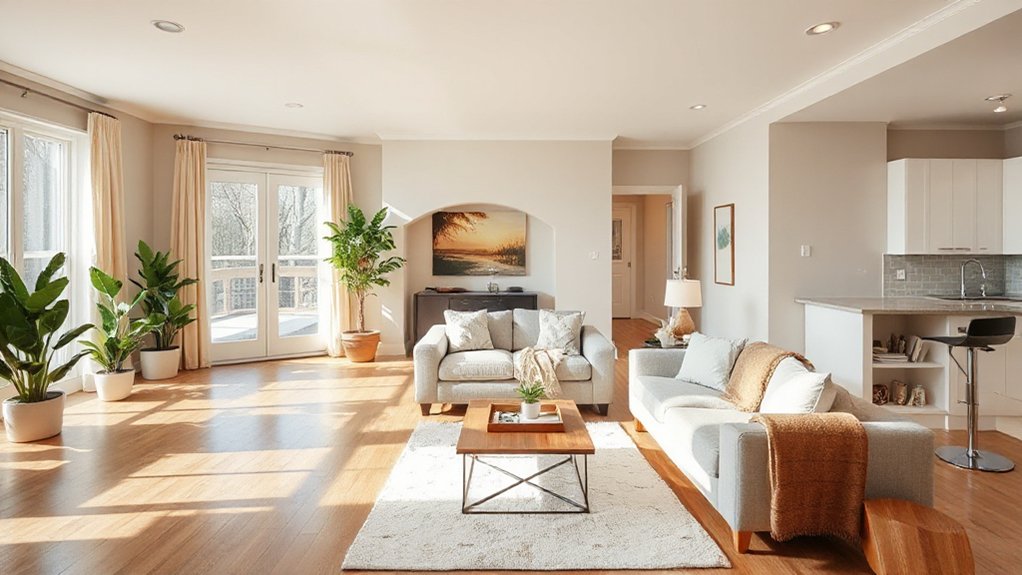

Your rental will feel like a fortress of comfort after you patch every crack, buff every surface, and lock in safety—no detail left to chance. Start by setting a practical scope: fix obvious repairs, paint walls, test appliances, and upgrade locks and detectors. Then shore up curb appeal with clean landscaping and reliable exterior lighting. Document conditions, establish simple protocols, and choose durable, low-maintenance fixtures. If you want long-term tenants who stay content and reliable, you’ll want to keep going beyond the basics.
What Long-Term Tenants Expect in a Well-Managed Rental
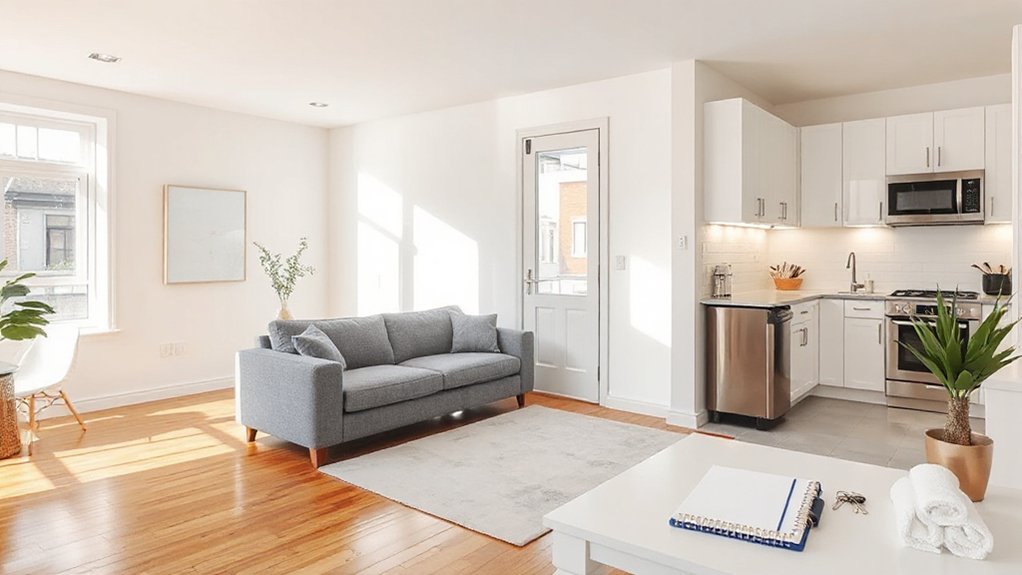
Long-term tenants expect consistency and responsiveness from a well-managed rental. You deliver with a clear maintenance plan, transparent communication, and predictable processes that reduce surprises.
Your lease outlines duties, response times, and escalation steps, so expectations stay aligned. You prioritize reliability—qualified tradespeople, on-time repairs, and documented follow-ups for every issue.
Property insurance matters are evident: you keep certificates current, disclose coverage limits, and explain how claims impact occupancy and safety.
You also optimize Rental marketing by presenting accurate, up‑to‑date listings, prompt inquiry responses, and honest depictions of unit conditions.
Tenant feedback loops are integrated, enabling quick course corrections and ongoing improvements.
In short, you remove friction, protect investments, and create a welcoming, stable environment that sustains long‑term tenancies.
First Impressions That Win: Curb Appeal Essentials
Curb appeal sets the tone the moment prospective tenants drive up, so start with a clean, inviting exterior that signals well-maintained interiors. Begin with a focused cleaning routine: power wash siding, sweep walks, and remove any weeds or debris that clutter the entry.
Prioritize landscaping ideas that are low-maintenance yet high-impact: trim hedges, plant seasonal blooms, and add mulch for a refreshed, cohesive look. Guarantee the lawn is mowed evenly and edges are crisp to convey care.
Exterior lighting should be practical and reliable: install motion-activated porch lights and path lighting to enhance safety and curb visibility at dusk. Refresh front door hardware and a fresh coat of paint in a neutral, welcoming shade.
Present a tidy, inviting first impression that requires minimal ongoing effort.
Essential Safety Upgrades That Boost Value and Confidence
Upgrading safety at your rental isn’t just about compliance—it’s about reducing calls and boosting tenant confidence from day one.
Start with clearly labeled, easily accessible emergency gear, smoke and CO detectors that talk to each other, and well-lit egress routes.
We’ll layer in confidence-boosting features like tamper-resistant outlets and smart locks for keyless, trackable access.
Essential Safety Upgrades
Begin with electrical safety: replace damaged outlets, install tamper-resistant covers, and make sure circuit capacity supports modern loads. Verify that all smoke and carbon monoxide detectors work and are wired to power, with fresh batteries on schedule.
Seal gaps to prevent drafts and moisture intrusion around windows and doors, reducing mold risk. Use non-slip flooring in high-traffic areas and secure loose stair rails.
For outdoor safety, address garden landscaping to eliminate tripping hazards and guarantee lighting along walkways.
Finally, implement pet proofing where needed: secure cords, store chemicals, and reinforce gates to keep tenants and pets safe.
Confidence-Boosting Features
When tenants see clear, practical safety improvements, they gain confidence in the home and in your management. Confidence-boosting features aren’t cosmetic; they’re measurable protections that reduce risk and paint you as a proactive landlord.
Start with a reliable smart lock system, good lighting, and tamper-resistant outlets in common areas. Install water and smoke detectors with battery backups and test them monthly, documenting results for tenant communication.
Upgrade wiring where applicable to support modern devices without overloading circuits. Add stand-alone carbon monoxide detectors in sleeping zones.
Provide clear maintenance timetables and response SLAs to reinforce trust, and tie safety updates to rental pricing transparently, so tenants see value.
Regularly share safety reports with tenants to reinforce confidence and encourage open, ongoing tenant communication.
Durable Exterior Maintenance for 365-Day Rentability
Exterior durability isn’t optional—it’s a core part of steady, year-round rental performance. You’ll establish a routine that safeguards the property from weather and wear, reducing repairs and downtime between tenants.
Start with hardy, low-maintenance materials for siding, doors, and roofing, and seal joints to prevent leaks. Schedule seasonal inspections and address minor issues before they escalate.
Create a proactive exterior maintenance calendar: gutter cleaning, caulking, paint touch-ups, and vegetation control.
Prioritize landscaping aesthetics by trimming shrubs away from foundations, mulching to deter pests, and replacing damaged sod promptly.
Guarantee exterior lighting is reliable—test fixtures, replace bulbs, and install motion-activated options for safety.
Maintain driveways and walkways with timely patching and proper drainage to prevent soft spots and trips.
Consistency here protects long-term rentability.
Interior Readiness: The Must-Have Basics Tenants Demand

Interior readiness starts with fresh paint prep, then a clean, safe surface, so tenants feel immediate comfort.
Guarantee functional essential fixtures are in good repair and accessible, with simple, transparent maintenance steps outlined.
This approach keeps the space reliable, minimizes surprises, and sets a practical standard for ongoing tenancy care.
Fresh Paint Prep
Before you start painting, prep the walls thoroughly to guarantee a durable, clean finish tenants will notice. Begin by inspecting for cracks, nail holes, and peeling paint; fill with appropriate filler and sand smooth. Dust thoroughly, then wash with a mild degreaser to remove grease, grime, and smoke residue.
Protect adjacent surfaces with painter’s tape and drop cloths, and remove switch plates. Prime stained or glossy areas to improve adhesion and color consistency.
Choose color schemes that hide scuffs and suit the space, and select paint types appropriate for high-traffic areas and humidity, such as eggshell or satin finishes. Apply two even coats for durability, allowing proper drying time between coats.
Label cans for future touch-ups and store leftovers for tenant needs.
Clean, Safe Surfaces
Pull the room together by guaranteeing every surface is clean, safe, and ready for tenants to move in. You’ll focus on a deliberate cadence: remove debris, wipe down high-touch zones, and verify cabinets, counters, and floors are spotless.
Prioritize surface sanitization in kitchens and baths with an EPA-approved cleaner, paying attention to grout lines, seals, and crevices.
Ensure tools and products are stored off living areas to reduce exposure and clutter.
Protect surfaces during turnover with appropriate surface protection, like breathable coverings that don’t trap moisture or leave residue.
Reinspect after cleaning to confirm no residues remain and that finishes aren’t dulled.
Document any repairs or touch-ups needed before lease signing, so tenants experience a safe, ready-to-live environment from day one.
Functional Essential Fixtures
Confirm the kitchen has functional faucets, a clean garbage disposal, and properly labeled shutoffs. Check doors, locks, and weatherstripping for security and energy efficiency.
Inspect appliances for safe operation, ventilation, and serviceability, including dryer and range ventilation. Provide clear manuals or labels for maintenance tasks, and stock basic replacement parts.
Plan for routine upkeep, schedule seasonal checks, and establish a responsive service framework.
Use decorative accents and aesthetic enhancements to create a welcoming ambiance without sacrificing durability or ease of repair.
Tenant-Friendly, Durable Flooring That Stands Up to Wear
Choosing tenant-friendly, durable flooring means picking surfaces that handle foot traffic, spills, and relocation wear without frequent replacements. You’ll prioritize resilience, easy cleaning, and steady cost over flashy trends, so tenants feel comfortable and landlords protect rental affordability.
- Choose water-resistant vinyl or tile for kitchens and baths
- Install durable laminate with a solid core in living areas
- Consider luxury vinyl plank for a wood look with resilience
- Use cork oroped backing for comfort underfoot and sound control
- Select matching, tight-grain finishes for long-term wear
With the right options, you boost Tenant comfort and Rental affordability, minimize maintenance calls, and create a welcoming, low-risk space for long-term tenancy.
Plan ahead, budget smartly, and document coatings and warranties.
Kitchen Readiness for Longevity and Low Maintenance
To guarantee longevity and low maintenance, set up the kitchen with durable, easy-clean components from day one. You’ll prioritize solid surfaces, sealed seams, and corrosion-resistant hardware that withstand daily use.
Choose cabinets with full-overlay doors, melamine interiors, and soft-close hinges to reduce wear and noise.
For appliance efficiency, opt energy-star models and tune them for easy access: moveable shelves, accessible knobs, and clear labeling.
Install a reliable filtration system and a single, angled faucet with a pull-down sprayer to minimize grime buildup.
Use professional installation for countertops and backsplashes to prevent gaps.
Emphasize consistent finish choices and standard sizes to simplify replacements.
Create a straightforward maintenance routine, including quick wipe-downs and monthly deep-clean checks, to sustain kitchen design and appliance efficiency over the long term.
Bathroom Durability and Low-Maintenance Design
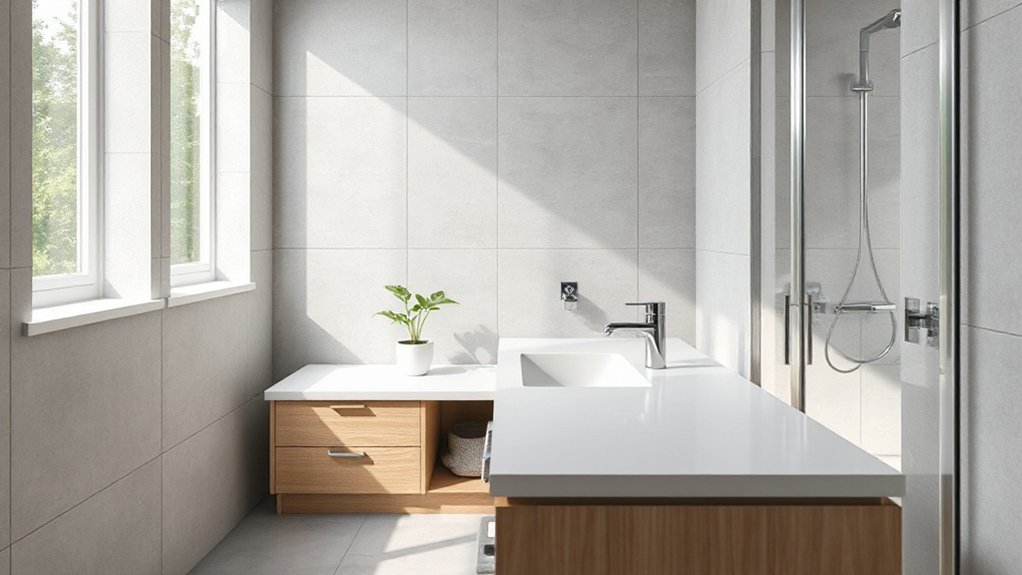
You’ll prioritize durable surfaces and water-resistant materials that stand up to frequent use, so cleaning stays quick and simple.
Choose minimal-maintenance fixtures and easy-clean finishes to reduce upkeep without sacrificing function or comfort.
Durable Surfaces, Easy Cleaning
Durable surfaces and easy cleaning are nonnegotiables in a rental bathroom, where high-traffic use and moisture demand resilience. You’ll prioritize materials that resist scuffs, staining, and water exposure, while keeping upkeep simple for tenants.
- Choose solid-surface or porcelain tiles with minimal grout lines
- Opt for matte, non-slip finishes to reduce cleaning friction
- Seal grout regularly to prevent moisture intrusion
- Install single-surface vanity tops for seamless cleaning
- Use corrosion-resistant fixtures and easy-wipe metals
To maximize durability, match colors and textures to hide wear, and provide clear care instructions.
You’ll notice lower maintenance calls when surfaces resist daily use, stains, and soap scum. Emphasize durable surfaces and easy cleaning in your maintenance plan to support long-term tenant satisfaction.
Water-Resistant Materials Choice
Are you choosing materials that can stand up to moisture and daily wear? In bathrooms, select water-resistant substrates and durable finishes that resist soaking and scrapes.
Prioritize waterproof finishes on floors and walls, such as porcelain tiles, solid-surface panels, or high-grade vinyl with realistic texture. Pair these with moisture barriers beneath subfloors and behind walls to prevent mold and rot.
Use sealed grout and nonabsorbent adhesives to minimize absorption points. Opt for acrylic or epoxy coatings on tubs, showers, and vanity tops for easy cleaning and long life.
Install drop-in or wall-hung fixtures to reduce cleaning surfaces and water pooling. Plan for accessible, safe grates and channels in wet zones for drainage.
Keep maintenance simple with clear replacement paths and supplier-ready product lists.
Minimal-Maintenance Fixtures
When upgrading a bathroom for rental use, prioritizing fixtures that require minimal upkeep saves time and reduces service calls. You’ll choose durable materials, simple finishes, and reliable mechanicals that survive heavy use.
Focus on low-maintenance design that stands up to humidity, cleaning, and tenant turnover. Prioritize minimal fixtures and maintenance essentials to reduce surprises.
Your goal is durable, easy-clean surfaces, and universal fittings that don’t require frequent tweaks.
- Choose corrosion-resistant metals and solid-surface countertops
- Install scratch-resistant, non-porous tiles with sealed grouts
- Opt for push-to-open or lever taps, water-saving fixtures
- Use accessible shutoffs and clearly labeled maintenance points
- Select easy-to-replace parts and standardized components
With these steps, you’ll minimize service calls and maximize tenant satisfaction.
Heating, Cooling, and Energy Savings That Pay Back
Heating and cooling costs eat into profits, but with smart upgrades and efficient use, you can reduce bills while keeping tenants comfortable. Start with a high-efficiency HVAC system and proper sizing to avoid short cycling. Seal ducts, add attic insulation, and install programmable thermostats to optimize use.
Use ceiling fans to cut cooling needs in hot months and winterizing strategies to minimize heat loss. Consider solar integration for modest or larger homes to offset electricity, especially if you have sunny exposure and favorable utility rates.
Landscaping design matters too: plant deciduous trees on the sunniest side to block summer heat and allow winter sun, plus shrubs to reduce wind exposure. Maintain filters quarterly and schedule annual professional checkups for sustained performance.
Plumbing Reliability: Proactive Fixes That Save Time
Proactively prevent leaks by inspecting connections and seals before tenants move in, and set a routine to catch issues early.
Schedule regular system inspections, from shutoff valves to water heaters, so small problems don’t turn into costly emergencies.
Build a quick fixes toolkit with essential parts and clear steps for immediate, on-site responses.
Proactive Leak Prevention
Ever wonder how you can keep a rental leak-free and save time on repairs? Proactive leak prevention centers on anticipatory fixes and clear maintenance routines you can implement now.
- Inspect water shutoffs and supply lines, replacing worn valves before leaks trigger damage.
- Install drip pans under appliances and basins to catch early moisture.
- Schedule annual pipe insulation, seals, and anti-corrosion checks in high-risk areas.
- Label circuits and shutoffs for quick isolation during a problem.
- Integrate seismic retrofitting considerations and pest control measures to limit hidden damage.
Regular record-keeping helps you spot trends and prioritize fixes, reducing emergency calls and insurance hassles. Maintain concise vendor contacts, and document seasonal tests to stay ahead.
Regular System Inspections
During the visit, you verify pressure, detect corrosion, confirm vent integrity, and listen for abnormal noises. Document findings with clear notes and photographs, then prioritize actions by risk and impact on occupancy.
Implement routine maintenance tasks such as flushing tanks, inspecting anode rods, tightening connections, and replacing worn washers before leaks occur.
Communicate timelines and expected costs to tenants upfront, so they understand the plan. Use tenant communication to set reminders, share simple seasonal checks, and encourage reporting issues promptly to prevent larger problems.
This approach minimizes emergencies and supports reliable occupancy.
Quick Fixes Toolkit
What quick fixes can you rely on to keep plumbing reliable without calling in a full repair every time? You can handle small issues quickly with a targeted toolkit and a plan, reducing downtime and tenant disruption. Proactive measures save time, money, and stress, while preserving your rental’s value. Keep routines simple, document actions, and stay within reasonable cost and safety limits.
- Check aerators and faucet cartridges for mineral build-up and clean or replace as needed.
- Inspect toilets for leaks; snug connections and wax ring replacements prevent hidden water waste.
- Replace worn supply lines and hose bib threads before failures.
- Maintain traps and P-traps with occasional rinses to prevent odors.
- Review outdoor landscaping drainage to protect foundations and prevent backups.
Include Rental insurance and note any plumbing-related outdoor wait times.
Simple Smart Tech Tenants Will Actually Use

Smart, simple tech is more likely to get used by tenants when it clearly solves everyday problems. You’ll choose devices that are reliable, easy to set up, and straightforward to operate.
Focus on practical benefits: reduce friction, cut disruption, and improve security. Prioritize Smart locks for convenient entry without cluttered keys, plus simple maintenance prompts for battery checks.
Include Voice assistants to streamline routines, like adding reminders or controlling lights with a quick voice command. Guarantee compatibility with common platforms and provide clear, written instructions for tenants.
Avoid overly fancy features that complicate use. Place devices where they’re most needed—near entrances, living spaces, and common areas.
Test the setup, document access details, and offer a quick troubleshooting guide for common hiccups.
Quality Yet Practical Appliances and Fixtures
- Choose energy-efficient refrigerators, dishwashers, and washers
- Install robust faucets, handles, and thermostats for easy use
- Make sure outlets, cords, and switches are properly labeled and accessible
- Prefer modular, serviceable components with spare parts available
- Verify filters, seals, and gaskets are user-friendly and easy to replace
This approach reduces callbacks, extends life, and keeps operating costs predictable for long-term tenancy.
Turnovers Made Easy: Checklists, Protocols, and Timelines
Turnovers don’t have to disrupt rent cycles. You establish a clear, repeatable process: pre-move steps, move-in/move-out checklists, and a 2-week timeline that keeps everyone aligned.
Begin with a concise pre-inspection to capture condition notes and photos, then document responsibilities for cleaners, painters, and trades.
Use standardized checklists for each phase—notice receipt, key return, and final walkthrough—to minimize delays.
Maintain open lines of tenant communication, confirming dates, expectations, and any required repairs promptly.
Track compliance with Landlord legalities, including security deposit handling and disclosure requirements, so nothing slips through the cracks.
After turnover, file results in a simple, searchable log and schedule the next cycle.
This disciplined approach reduces vacancies and stabilizes cash flow without sacrificing property quality.
Budget-Smart Updates That Preserve Property Value

Budget-smart updates are about keeping costs predictable while preserving or increasing your property’s value. You’ll focus on high-impact, low-cost changes that endure. Prioritize durable materials, easy maintenance, and broad appeal to tenants.
Here are practical options:
- Refresh with neutral paint and modern trim for a fresh, lasting look
- Upgrade lighting to energy-efficient LEDs and warm color temps
- Install budget-friendly flooring in high-traffic areas, like vinyl plank
- Update kitchens and baths with inexpensive hardware and fixtures
- Improve curb appeal via landscaping and a sturdy entry door
These moves are budget friendly and offer aesthetic enhancements without major renovations.
Plan updates around maintenance cycles, track costs, and set clear ROI targets to preserve value while staying tenant-friendly.
Frequently Asked Questions
How Often Should Warranties Be Renewed on Landlord-Installed Systems?
Warranty renewal timelines vary, but you should renew landlord-installed system warranties every 1–2 years to guarantee continuous coverage. You’re responsible for scheduling, funds, and documentation, confirming transfers, and updating tenants. This protects your landlord responsibilities and property reliability.
What Legal Disclosures Are Mandatory During Long-Term Tenant Turnover?
Back in 1999, you must disclose all legally required information; what’s mandatory varies by jurisdiction. You guarantee legal compliance and protect tenant rights by providing clear, timely disclosures, notices, and documentation during turnover. Stay organized and proactive.
Which Maintenance Tasks Require Licensed Professionals vs. DIY?
You should DIY only non‑critical tasks; any plumbing issues require DIY plumbing for minor fixes, but call licensed professionals for leaks, gas lines, or sewer problems. Use licensed electrical for wiring, outlets, panels; document completed work.
How to Price Basic Upgrades for Best Rental ROI?
Like a measured blueprint, you price basic upgrades by value and cost. You use pricing strategies, prioritize upgrades with highest ROI, and adjust per market. You document costs, timelines, and expected rent boost to guide decisions.
What Documentation Should Accompany Move-In/Move-Out Inspections?
You should include a signed move-in/move-out inspection report, a dated Inspection checklist, tenant communication records, photos, and any agreed-to repairs or credits. Make sure copies go to you and the tenant, with clear timelines and signatures.
Conclusion
You want a rental that stays occupied and trouble-free, so build every element around reliability and ease. Remember: a well-maintained home rents faster and costs less over time. Quick stat: homes with regular preventive maintenance see 20–30% fewer emergency repairs and longer tenant stays. Prioritize clear protocols, durable finishes, and smart-but-simple upgrades. Keep checklists current, timelines realistic, and communication open. When you invest in readiness, you set the stage for a smooth, long-term tenancy.