
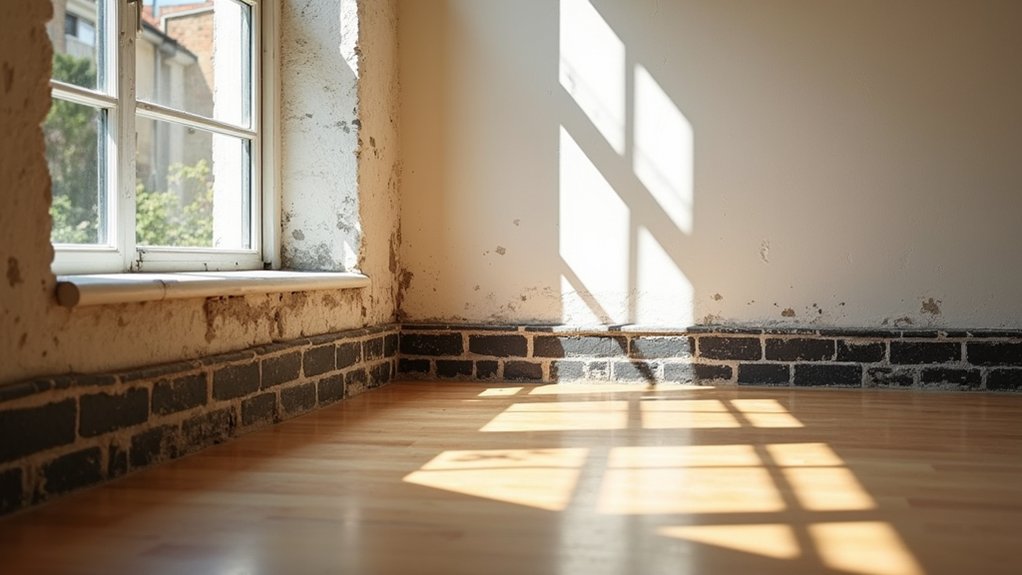

Damp proofing older terraced UK properties requires a phased, conservation-led approach that respects historic materials. Start with thorough diagnostics to identify rising damp, penetrating damp, or condensation, then choose breathable lime-based coats and plasters that move moisture naturally. Prefer traditional lime mortars or breathable, reversible remedies over non-porous coatings, and implement low-cost ventilation tweaks to control condensation. Plan, monitor moisture, and maintain drainage. If issues persist, engage specialist conservators for targeted, durable solutions that protect character while solving damp. More to come.
Identify Damp Problems in Historic Walls
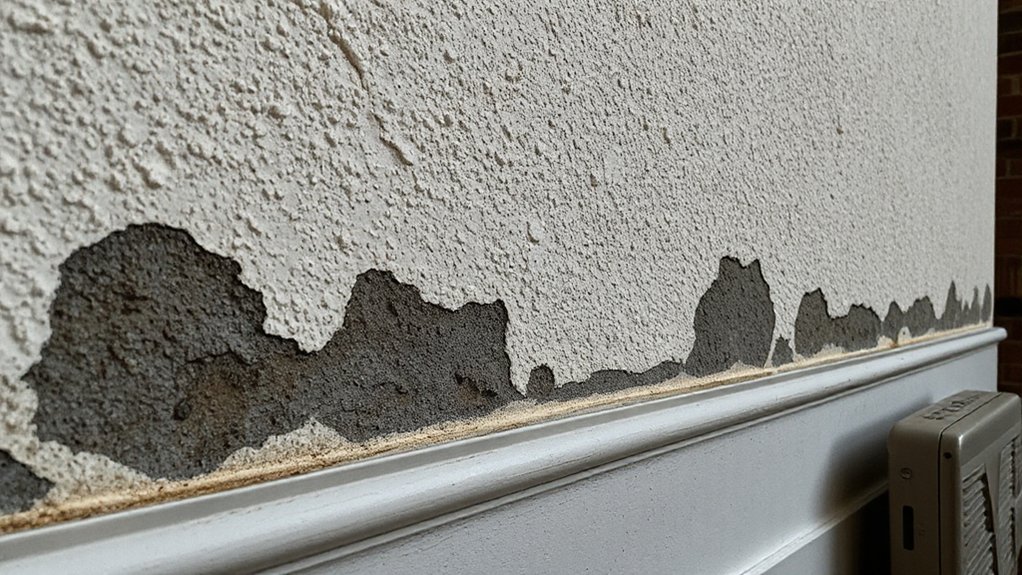
Identifying damp problems in historic walls starts with a systematic assessment of symptoms and their likely causes. You’ll map moisture indicators, staining patterns, salt efflorescence, and seasonal variation to distinguish transient damp from persistent issues.
Closely inspect junctions, plaster keys, and timber frames for delamination, cracking, or mould growth. Record textures and finishes to support diagnostic decisions; historical wall textures often reveal prior interventions and material changes that influence moisture behavior.
Note breathability, capillary rise, and exterior brickwork or render failures, then correlate findings with regional climate and building age. Preservation techniques begin with accurate characterization, informing targeted interventions that respect fabric while improving performance.
Document findings for stakeholders, ensuring you prioritize minimal disruption, reversible methods, and compatibility with surrounding historic materials.
Diagnose Damp: Rising, Penetrating, or Condensation?
Rising damp, penetrating damp, and condensation each have distinct signatures that you can distinguish through targeted observation and simple tests.
In a damp assessment, you’ll look for moisture fronts, salt efflorescence, and softened plaster near floor levels for rising damp.
While penetrating damp appears as damp patches that extend horizontally behind walls, often with mould growth.
Condensation shows moisture on cold surfaces, foggy windows, and watermark patterns tied to occupancy and ventilation.
Use a moisture meter at plaster edges and inspect historic materials for porosity and capillary movement.
Record temperatures, humidity, and wind exposure to contextualize findings.
Don’t assume cause from appearance alone; correlate with historic materials and construction details to confirm the damp type before remediation planning.
Breathable Masonry Coats and Lime Plasters for Historic Walls
Breathable masonry coats and lime plasters are foundational for historic wall performance, allowing moisture to move inward and outward without trapping it within the fabric. You select breathable, lime-based mixes to maintain hygrothermal balance and minimize freeze–thaw damage.
Proper coat thickness and staggered joins prevent crack propagation and guarantee uniform drying, while color and texture choices should respect aesthetic historic values.
Material compatibility matters: lime plasters interact with original lime-based mortars, lime-putty infills, and existing substrates without inducing moisture stagnation or salt migration.
In practice, you verify substrate porosity, test for efflorescence, and monitor reversed capillary action after application.
This approach supports historic preservation goals, reduces risk of damp recurrence, and sustains wall longevity under UK climate cycles.
Traditional Lime-Based Damp Proofing vs Modern, Heritage-Safe Alternatives
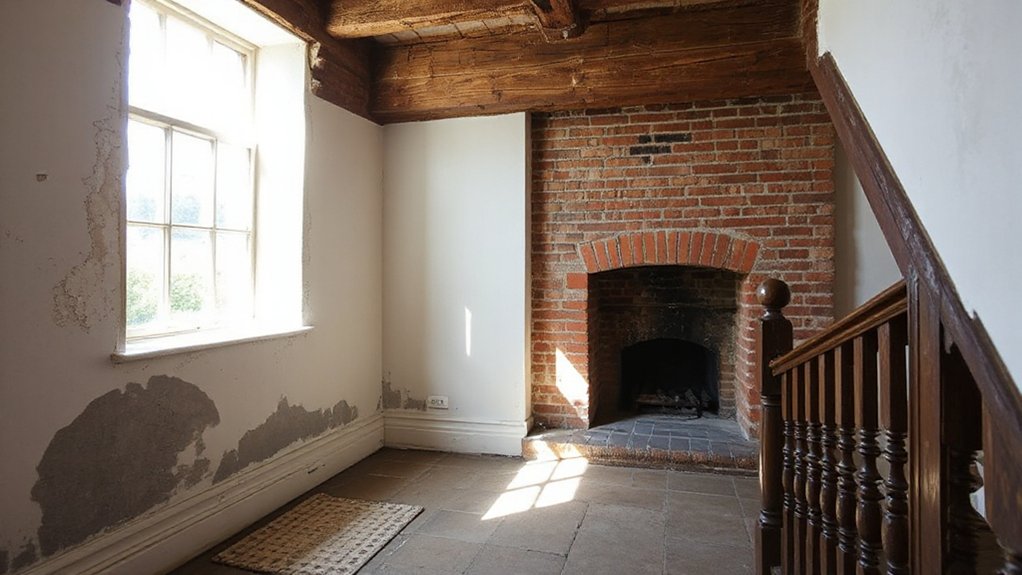
Traditional Lime Damp Techniques offer proven breathability and compatibility with historic substrates, but may require skilled execution and ongoing maintenance.
Modern, heritage-safe alternatives aim to balance damp control with reversibility and moisture management, yet must prove long-term compatibility with traditional masonry.
You should weigh performance and longevity across both approaches, considering substrate condition, environmental exposure, and repair practicality.
Traditional Lime Damp Techniques
Are traditional lime damp techniques still relevant in older terraced UK homes, or have modern, heritage-safe alternatives surpassed them? You’ll assess lime-based methods for historic walls by prioritising breathability, compatibility with old substrates, and moisture management.
Lime mortar remains central: its hydraulic or NHL-based formulations permit moisture movement while restoring rigidity, reducing cracking, and preventing repeated damp cycles. You’ll apply traditional techniques to rebuild lime joints, repair crumbling plaster, and re-establish a continuous capillary break without sealing walls airtight.
Consider breathable paint as a finishing layer; it permits slow evaporation and helps regulate surface moisture without trapping dampness behind finishes. Monitor substrate alkalinity and ensure compatible plaster thicknesses to avoid delamination.
Document performance over seasons, adjust thicknesses, and validate long-term stability before extending retrofits elsewhere in the terrace.
Modern Heritage-Safe Alternatives
Could modern heritage-safe alternatives outpace traditional lime-based damp-proofing in older terraced UK homes, or can they complement rather than replace tried-and-true lime methods? You’ll assess heritage-compatible options that respect breathability, moisture management, and capillary action.
Modern products emphasize controlled permeability, reduced hyper-drying risks, and easier retrofit paths while preserving historic aesthetics. Use tested formulations alongside careful substrate prep, not as a blanket substitute for lime acceptance.
Consider where lime remains advantageous, and where modern systems fit without compromising walls, historic paint compatibility, or wall insulation performance. The goal is stable moisture equilibrium, not quick fixes.
Align choices with project constraints, climate, and occupancy needs while maintaining archival integrity and comfort.
1) Breathable membranes versus solid barriers
2) Lime-compatible cementitious substitutes
3) Compatible surface finishes for Historic paint
4) Targeted insulation strategies that respect fabric
Performance and Longevity Considerations
In weighing performance and longevity, lime-based damp-proofing offers proven breathability and capillary management that align with historic fabric, while modern, heritage-safe systems prioritize controlled permeability and easier retrofit.
You’ll assess long-term compatibility with building materials, movement, and moisture regimes, noting lime’s low modulus supports gradual settlement without inducing cracks.
Lime-based products require traditional curing conditions and can demand skilled application to sustain breathability, but they resist salt movement and damp-induced decay when correctly specified.
Modern alternatives provide faster installation, more predictable failure modes, and standardised maintenance, yet may restrict historical preservation goals if permeability is over- or under-managed.
Choose based on substrate, climate exposure, and regulatory expectations, ensuring alignment with Building regulations and preservation aims, preserving authenticity while delivering durable, functional performance over decades.
Low-Cost Ventilation and Condensation Control Tactics
Effective, low-cost ventilation and condensation control start with simple, actionable steps you can implement today. You’ll reduce moisture buildup by prioritising airflow, monitoring humidity, and sealing obvious cold bridges without major renovations.
Focused ventilation strategies reduce indoor humidity peaks during cooking, washing, and showering, while targeted condensation prevention measures stop habitual damp spots from forming.
1) Use extract fans in kitchens and bathrooms during moisture-generating activities, keeping doors ajar to improve cross-ventilation.
2) Regularly run loft and trickle vents, especially on windy days, to move moist air outward.
3) Fit simple door drops and window seals to minimise drafts and cold spots that invite condensation.
4) Keep surfaces dry after use, wipe away mist, and maintain sensible indoor humidity levels with a hygrometer.
Selecting Breathable, Conservation-Compliant Remedies
When choosing remedies for damp-proofing older terraced UK properties, prioritize breathable materials that permit moisture to escape without trapping it inside walls or fabrics. You should select products with proven moisture-vapor-permeance (MVPS) ratings appropriate to historic fabric, avoiding modern sealants that form stubborn barriers.
Opt for lime-based or cementitious renders, breathable plasters, and natural fibre insulation where compatible with listed-status constraints. Avoid glossy, non-porous coatings that obscure wall behavior.
For finishes, consider historical paint formulations that maintain porosity and aesthetic integrity, enabling gradual moisture migration.
Guarantee roof ventilation remains effective to prevent condensation at the upper envelope, coordinating with wall assemblies to balance moisture flux.
Document compatibility with conservation guidelines, and prioritize reversibility, inspectability, and long-term performance over short-term appearance.
Regular monitoring informs ongoing remediation decisions.
Step-by-Step Plan: Assess, Decide, and Implement in a Terraced Home
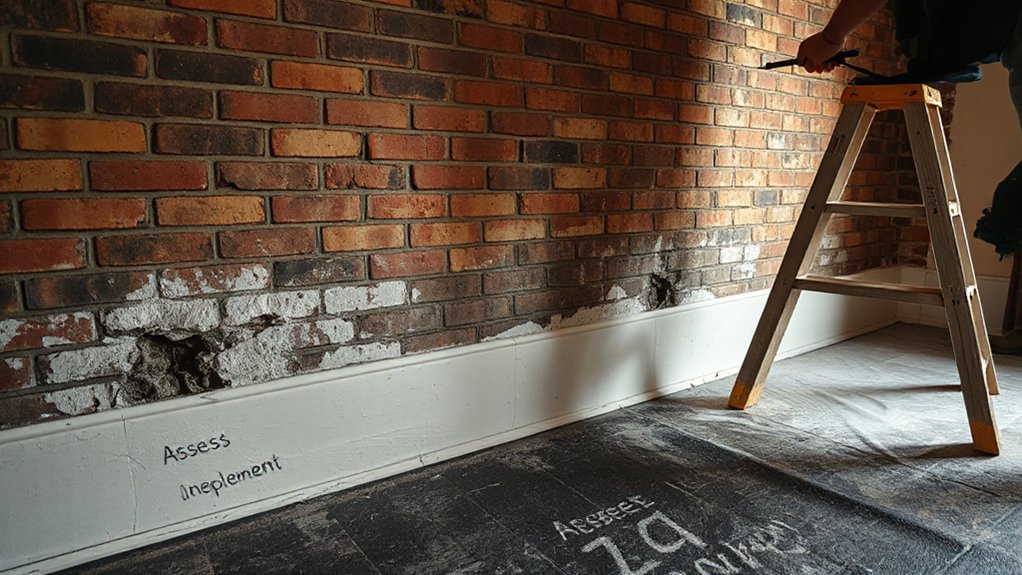
To tackle damp-proofing in a terraced home, begin with a structured assessment, then decide on remedies, and finally implement them in a coordinated sequence. You’ll prioritize Historical preservation while choosing effective Moisture barriers that align with the building’s fabric and regulations. Establish baseline moisture data, ventilation gaps, and substrate condition before selecting interventions.
1) Conduct a site survey to map moisture sources, airflow, and wall assemblies.
2) Select remedies that preserve heritage values and minimize invasive alterations.
3) Plan a phased implementation with clear responsibilities, timelines, and documentation.
4) Verify performance post-installation with moisture readings and visual checks, adjusting as needed.
Maintenance, Monitoring, and When to Call a Specialist
Regular moisture monitoring lets you spot trends early, so you can act before minor damp becomes a larger issue.
Look for early warning indicators like persistent damp patches, wallpaper peeling, or musty odors, and log readings from a hygrometer or moisture meter.
If indicators worsen or you’re unsure, engage a specialist to assess structural risks and recommend targeted remediation.
Regular Moisture Monitoring
Regular moisture checks are essential for early problem detection and long-term damp-proofing efficiency in older terraced UK properties. You’ll prioritise consistent monitoring to spot subtle changes before damage escalates.
Track indoor humidity levels and surface moisture to inform maintenance decisions, and verify wall insulation performance over time.
- Use a calibrated hygrometer to log daily indoor humidity and note spikes.
- Inspect vulnerable walls for damp patches after rain or rapid drying periods.
- Measure surface moisture with a non-contact gauge and record trends.
- Schedule quarterly reviews of insulation integrity, ventilation, and sealants.
Early Warning Indicators
Maintain drainage, gutters, and ventilation to minimize condensation risks in compact Victorian spaces, where moisture patterns follow historical fabric. Consistent housekeeping, including promptly drying rooms after use and drying footwear away from walls, reduces microbial growth and mould spread.
When monitoring reveals persistent damp beyond routine cycles, or you observe repeat staining after remediation, you’ve reached a threshold for expert assessment. This approach supports historical building preservation and informs Victorian architecture analysis without overhauling before specialist input.
When to Engage Specialists
When damp signs persist beyond routine monitoring and maintenance, you should know when to bring in specialists for maintenance, monitoring, and remediation. You’ll assess structural history, ensuring Historical preservation goals align with effective damp control and material compatibility, avoiding incompatible repairs.
- Initiate a formal assessment when patterns reappear after standard treatments.
- Schedule ongoing monitoring if moisture trends don’t stabilize within six to twelve weeks.
- Engage a specialist for remediation when structural damage or mould escalates, prioritising material compatibility with lime, brick, or timber.
- Document all interventions for property records, preserving authenticity and ensuring long-term compatibility with listed or characteristic features.
Frequently Asked Questions
How Often Should Historic Lime Plaster Be Repointed or Replastered?
You should repoint or replaster lime plaster every 20 to 30 years, depending on exposure and cracking. For wall maintenance, inspect annually and address deterioration promptly to prevent moisture intrusion and preserve breathable, historic fabric.
Can Damp Issues Be Fixed Without Re-Plastering Walls?
Yes, you can fix damp issues without replastering. Modern treatments and chemical solutions penetrate and seal minor moisture problems, while preserving structure; monitor humidity and ventilation. Apply with proven products, following manufacturer instructions for safety and long-term effectiveness.
Do Condensation Problems Differ Between Alleyways and End-Terraces?
Conceal minor distinctions: condensation issues differ slightly. Alleyway ventilation improves overall moisture balance, while end terrace airflow challenges persist due to shared walls. You should optimize both, targeting ventilation, air movement, and humidity control for best outcomes.
Are DIY Damp-Proofing Products Safe for Historic Fabric?
DIY damp-proofing products aren’t universally safe for historic fabric; you should consult a conservator. They can assess risks of Chemical treatments and moisture barriers, ensuring compatibility, minimal intrusion, and preservation of integrity in older terraced walls.
What Grants or Subsidies Exist for Heritage Damp-Proofing Projects?
Government incentives exist through Heritage funding and other grants; you should consult local authorities and Historic England. You’ll secure matched funding, eligibility criteria, and application timelines, so you can plan damp-proofing with precise budgeting and compliance, avoiding costly overruns.
Conclusion
Conclusion:
You’ve mapped the damp landscape, diagnosed the type, and chosen breathable, heritage-safe remedies. Implement the plan with precision, monitor any changes, and preserve the wall’s historic integrity. Don’t rush repairs—slow and steady wins the race, and “a stitch in time saves nine.” By prioritizing lime-based coatings, proper ventilation, and professional guidance when needed, you’ll safeguard terrace homes for generations while keeping them true to their historic character.