
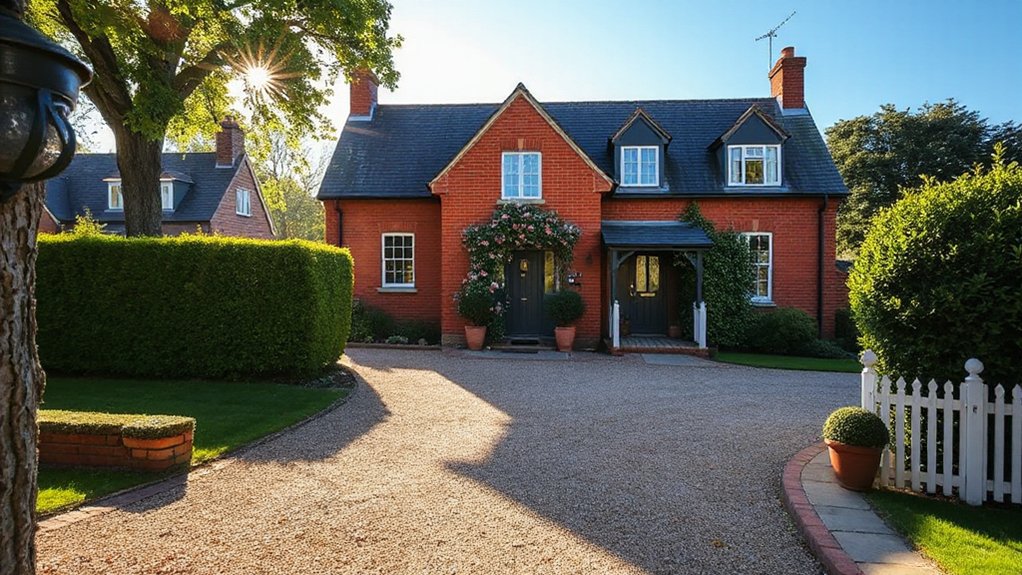

Did you know Gloucestershire has more than 2,000 historic cottages that demand durable, weather-ready upgrades? You’ll want siding, roofing, and windows that resist damp and wind without compromising charm. But the best choices balance longevity with local aesthetics, sustainability, and cost. Start with a practical plan that treats moisture, insulation, and drainage as foundations. There’s more to it, and a clear path ahead will keep your exterior both resilient and visually inviting.
Gloucestershire Climate and Style: What Your Home Needs
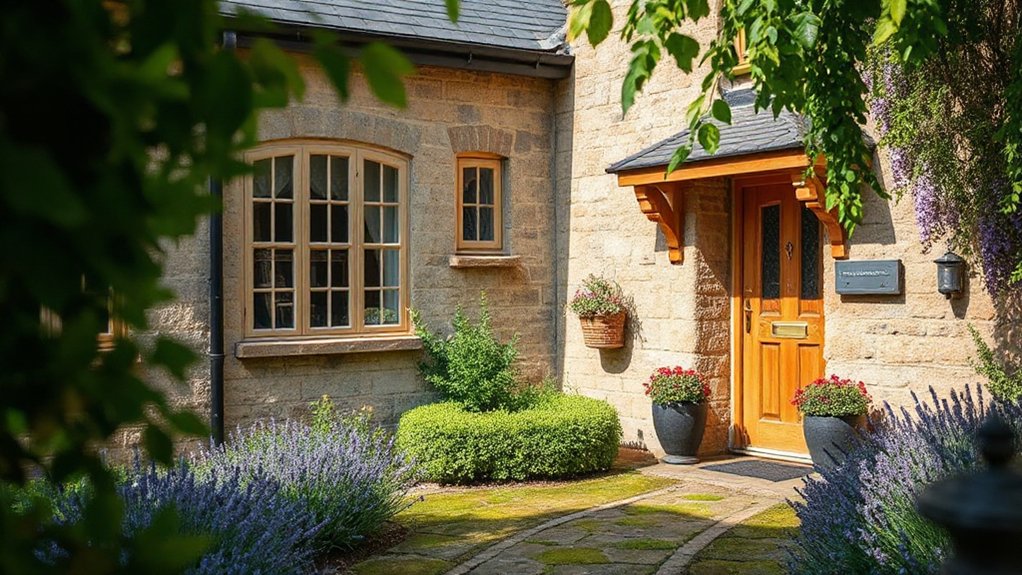
Gloucestershire has a mixed climate that begs for resilient exterior choices, and understanding it helps you pick the right materials first. You’ll choose surfaces that endure rain, sun, and temperature swings without cracking or fading.
Prioritize moisture management with breathable, well-sealed substrates and proper flashing to prevent damp. For a low-maintenance setup, opt for coatings that resist mould and mildew while staying color-stable over years.
Consider temperature-driven performance: insulative cladding can reduce heat loss in winter and curb heat gain in summer, enhancing comfort and efficiency.
Align your selection with climate adaptation and aesthetic harmony, ensuring textures, tones, and detailing complement your home’s style. Your goals: durability, curb appeal, and predictable upkeep through thoughtful material pairing.
Durable Siding for Historic Gloucestershire Cottages
When you choose durable siding, you balance options like fiber cement, engineered wood, and properly treated timber to protect historic Gloucestershire cottages.
Consider how each material meets historic aesthetics, while providing long-lasting performance and minimal maintenance.
Pair the siding with long-lasting protective coatings to preserve color and integrity for decades.
Durable Siding Options
Durable siding is essential for historic Gloucestershire cottages, offering protection from weather while preserving character. You’ll weigh options that balance longevity with authenticity, so your decision lasts generations.
Fiber cement delivers a rugged, fade-resistant finish that mimics wood without the maintenance, while vinyl siding offers fast installation and budget-friendly resilience. Consider textures that echo traditional appearances to maintain village charm.
- Fiber cement panels for a sturdy, low-maintenance shell that withstands damp seasons.
- Vinyl siding with breathable underlayers to prevent moisture build-up and color fade.
- Insulated variants that improve energy efficiency without changing exterior lines.
Choose a product with proper ventilation, a compatible flashing system, and a reputable warranty to guarantee enduring Gloucestershire appeal.
Historic Cottages Aesthetics
You’ve weighed rugged, long-lasting siding options, and now you’ll want that same practicality to shape the look of historic Gloucestershire cottages. Durable siding can respect traditional forms while withstanding weather, moisture, and time.
Choose textures and profiles that reflect local architecture, avoiding modern slickness that clashes with aged stone and timber. Prioritize materials that aging gracefully can match stone, limewash, and plaster tones, so colors patina rather than fade harshly.
Focus on install details: precise reveals, secure battens, and weatherproof seams that honor architectural preservation. Emphasize traditional craftsmanship in paneling, joinery, and edge treatments to maintain authenticity.
This approach supports a cohesive streetscape, lowers maintenance, and protects value, ensuring historic Gloucestershire aesthetics endure for generations.
Long-Lasting Protective Coatings
- Inspect substrate and prep thoroughly to guarantee longevity.
- Apply breathable, weather resistant finishes that tolerate Gloucestershire climates.
- Schedule periodic top-ups to maintain protection without overcoating.
With the right protective coatings, you’ll extend life, prevent costly repairs, and keep craftsmanship visible.
Protect your exterior while preserving charm, stability, and value, so your cottage remains inviting for generations.
Roofing Upgrades That Withstand UK Weather
A solid roof pays for itself by preventing leaks and weather damage, so start with materials rated for UK conditions—think sturdy asphalt or metal options that resist wind uplift and heavy rain. You’ll prioritize low-maintenance, high durability, and proper installation to stop creaking and failures in storms.
Choose membranes and batten systems that ventilate, deter condensation, and extend lifespan. For efficiency, combine robust insulation with reflective overlays to cut heat transfer.
Consider solar panels integrated into the roof rather than mounted—reducing risk of leaks and preserving aesthetics. If you’re replacing, pick a system that accommodates rainwater harvesting fits, letting you reuse runoff and lower bills.
Confirm warranties cover extreme UK weather, and schedule professional checks after severe events.
Windows That Cut Heat Loss Without Losing Charm
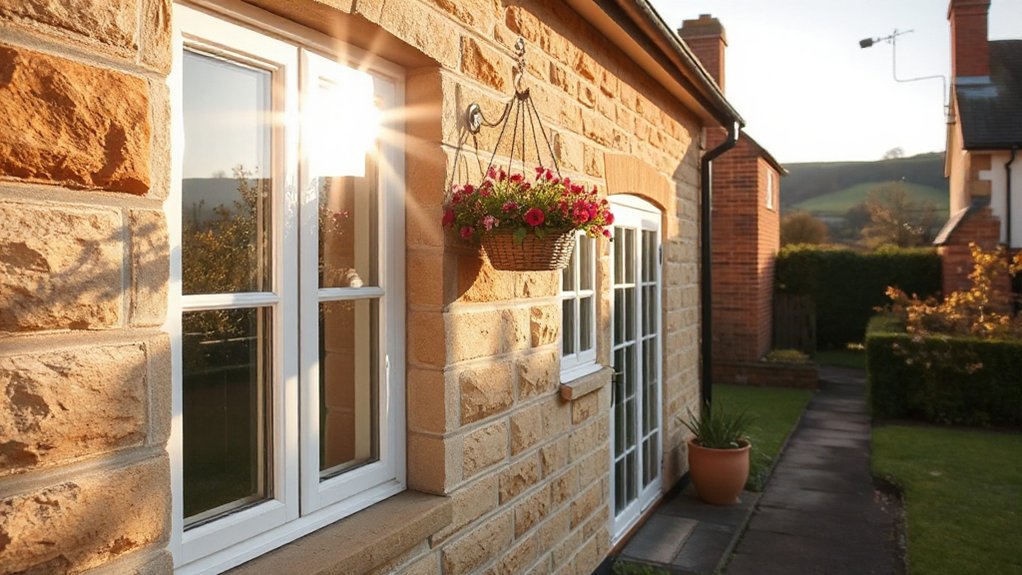
Even when you’re aiming for a warmer, more energy-efficient home, you don’t have to sacrifice charm; the right windows can cut heat loss without changing your house’s character. Prioritize energy efficiency through well-sealed frames, low-emissivity glass, and multiple glazing layers that retain heat while staying visually tasteful.
Look for window design features that enhance performance, not just appearance.
- Choose double- or triple-glazed units with warm-edge spacers to minimize heat transfer and drafts.
- Opt for timber, aluminum-clad, or composite frames that align with Gloucestershire aesthetics while improving longevity.
- Select slim profiles with sash or casement styles that maximize light without compromising insulation.
Insulation and Air Sealing for Gloucestershire Homes
Insulation and air sealing are the practical backbone of a Gloucestershire home’s comfort and energy savings. You’ll start by identifying which areas leak heat, then choose proven insulation materials suited to your climate and walls.
Prioritize continuous addressing of gaps around bays, junctions, and attic hatches, because small leaks compound quickly. When you assess insulation benefits, look beyond warmth—you’ll reduce drafts, damp risk, and seasonal noise, while boosting resale value.
Use air sealing techniques like carefully applied sealants, spray foams, and weatherstripping on doors and window frames to create a tight shell before you finish interiors.
Don’t overlook ventilation; balance airtightness with controlled makeup air. Plan a practical, phased approach to retrofit, ensuring compatibility with existing structures and local Gloucestershire conditions.
Outdoor Living: Extending Your Home Respectfully
Outdoor living should extend your home without overwhelming it, guided by clear principles: implement Outdoor Living Principles to shape layout and flow, confirm Respectful Site Integration with the surrounding Gloucestershire landscape, and choose Durable Outdoor Materials that stand up to our climate.
You’ll factor sightlines, scale, and drainage from the outset, so additions feel like a natural extension rather than an afterthought. By prioritizing practicality, durability, and harmony with your home, you’ll create spaces you actually use, year after year.
Outdoor Living Principles
Outdoor living should feel like a seamless extension of your Gloucestershire home. You’ll design spaces that function year-round, blending indoors with outdoors through thoughtful layout and durable materials. Prioritize reciprocity between shelter, seating, and access so every area invites use, not maintenance headaches.
- Plan garden design zones that flow into each other, using sightlines from interior rooms to create a cohesive experience.
- Integrate outdoor lighting that highlights pathways, textures, and gathering spots, ensuring safety without glare.
- Choose weather-ready furnishings and finishes that endure Gloucestershire seasons, while preserving a unified aesthetic.
Apply practical details: durable textiles, non-slip surfaces, and hidden storage to keep spaces tidy. The result is inviting, functional, and respectful of your landscape.
Respectful Site Integration
Careful site integration means your extension should feel like a natural part of the landscape, not a fenced‑off add‑on. You’ll plan sightlines, scale, and grading to minimize disruption and preserve views.
Choose native or drought‑tolerant planting to blend new space with existing greenery, and use edging and materials that echo your current hardscape.
Opt for a seamless connection between indoors and outdoors with aligned floor levels and weatherproof thresholds.
Prioritize functional zones: a compact seating area, a small dining spot, and strategic shade.
Integrate garden landscaping thoughtfully to maintain balance with surrounding trees and hedges.
For access, consider driveway paving that minimizes runoff and echoes the driveway’s tone, ensuring smooth circulation while respecting the site’s character.
Durable Outdoor Materials
What durable outdoor materials should you choose to extend your Gloucestershire home without sacrificing longevity or curb appeal? You want options that withstand the damp climate, require minimal upkeep, and blend with period aesthetics.
Prioritize materials that resist rot, fading, and temperature swings, yet feel comfortable underfoot and inviting to guests. Focus on structural integrity, maintenance cycles, and total lifecycle costs.
Plan lighting and seating to complement the material’s behavior, not compete with it. Consider these durable choices:
- Weather-resistant timber composites for decking that resist warping and staining.
- Natural stone or engineered pavers for stable, timeless patios.
- Powder-coated aluminum or galvanized steel outdoor furniture that won’t rust.
Pair with garden lighting to enhance ambiance and outdoor furniture for daily use.
Drainage and Moisture Control for Gloucestershire Exteriors
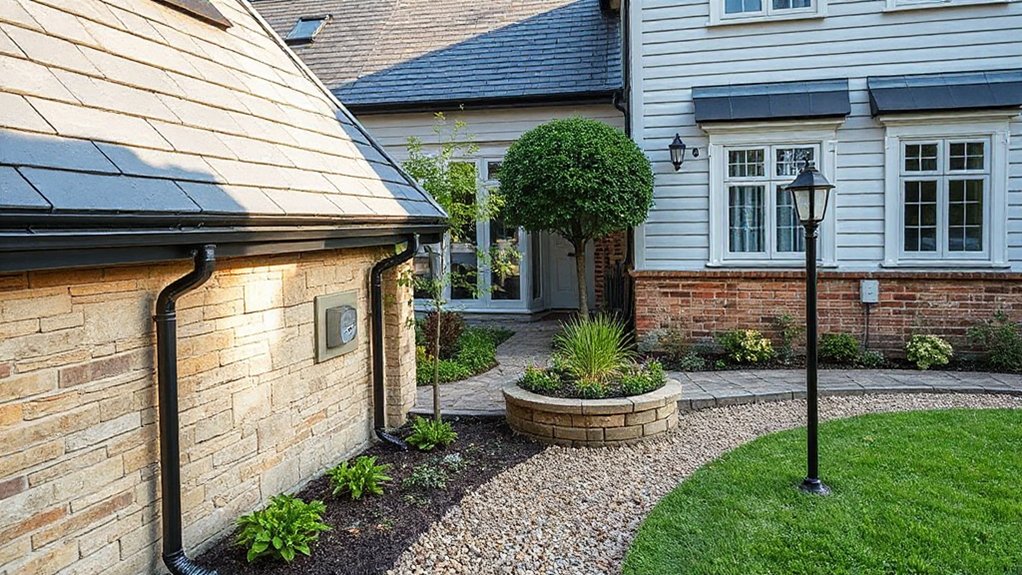
Drainage and moisture control are essential for Gloucestershire homes, especially in areas with clay soils and frequent rainfall. You’ll want a clear plan that limits damp and preserves foundations.
Begin with proper site grading to direct water away from walls, patios, and sheds.
Install robust drainage solutions such as perforated pipes, gravel backfill, and cleanouts to manage underground moisture without pooling.
Guarantee proper downspout extensions and splash blocks so rain runoff doesn’t pool near foundations or into crawl spaces.
Use moisture barriers on vulnerable exterior surfaces to slow capillary rise and reduce surface damp.
Regularly inspect and maintain gutter systems, seals, and drainage terms to prevent blockages.
Choose water management products rated for heavy rainfall and freeze–thaw cycles to maintain long-term effectiveness.
Sustainable Materials and Local Sourcing for Quality
Choosing local materials not only supports Gloucestershire trades but also shortens transport emissions and seasonality impacts.
You’ll notice better fit, faster installation, and a smaller carbon footprint when you prioritize locally sourced timber, stone, bricks, and insulation with documented provenance.
Start by evaluating suppliers’ sustainable practices and material certifications to guarantee quality, durability, and long-term savings.
Local Materials Sourcing
- Prioritise nearby quarry, timber, or stone options that match local aesthetics and aging patterns.
- Verify supplier transparency, lifecycle impacts, and the ability to recycle or repurpose components.
- Align with craftspeople who can source or finish materials to your project’s exact specifications.
Choosing locally grounded materials keeps your project honest, resilient, and uniquely Gloucestershire.
Sustainable Construction Practices
Sustainable construction starts with materials you can trust: durable, low-impact options sourced locally to minimize transport, support Gloucestershire crafts, and age gracefully with the house. You’ll prioritize recycled or reclaimed elements where feasible, and verify durability, weather resistance, and maintenance needs before committing.
Choose locally manufactured composites, lime-based mortars, and natural insulation that reduce embodied energy without compromising comfort. Plan for longevity by detailing coatings and flashing that resist damp and freeze-thaw cycles.
When possible, integrate renewable energy systems with compatible materials and spacing to maximize efficiency and ease future upgrades. Use eco-friendly paints with low VOCs on exterior surfaces to protect air quality.
Document sourcing, warranties, and reuse potential to guarantee your project remains resilient and marketable for years to come.
Budget-Smart Exterior Refreshes With Big Impact
If you’re aiming for a noticeable exterior upgrade without breaking the bank, start with smart, low-cost changes that boost curb appeal and protect your home. You’ll gain big impact by focusing on practical upgrades that don’t require major renovations.
Use these budget-friendly moves to make Gloucestershire homes feel refreshed and welcoming:
1) landscape lighting that highlights features and improves security,
2) refreshed garden pathways with simple edging and durable materials, and
3) fresh, inexpensive paints or exterior accents on doors and shutters.
Small, well-chosen tweaks add cohesion and value, guiding visitors to your entry while reducing maintenance later. Prioritize weather-resistant finishes and set a clean, inviting tone from the curb.
The payoff is immediate: enhanced character, safer surroundings, and a stronger first impression for buyers or guests.
Step-By-Step Exterior Improvement Plan for Gloucestershire Homes
To transform Gloucestershire homes efficiently, start with a clear, actionable plan that maps each improvement to immediate curb appeal and long-term durability. Begin with a prioritized checklist: assess drainage and siding, repair cracks, and choose durable materials suited to the regional climate.
Next, outline a seasonal schedule, pairing tasks with budget brackets and field-tested results.
For garden landscaping, design low-maintenance plantings that accent the facade and require minimal upkeep, ensuring good sightlines from the street.
Plan Exterior lighting to highlight architectural features and improve safety, using warm, energy-efficient fixtures and strategic uplighting.
Integrate a simple maintenance routine: repaint or reseal every five to seven years, trim vegetation annually, and routinely inspect gutters.
This plan keeps projects focused, cost-conscious, and deliverable.
Frequently Asked Questions
How Do I Get Planning Permission for Exterior Changes in Gloucestershire?
To get planning permission, you’ll check if your exterior changes need building regulations approval and whether they fall under Permitted Development. Contact your local planning authority, submit a detailed plan, and secure necessary permissions before you start.
What Are Cost-Effective Drought-Tolerant Plants for Front Gardens?
You thirst for drought resistant planting that thrives with little water; choose blooms like lavender, yarrow, and echinacea. For front garden landscaping, group natives, mulch deeply, and water once weekly to keep roots sturdy and plants resilient.
Which Local Craftspeople Specialize in Gloucestershire’s Historic Homes?
You should seek local craftspeople who specialize in Gloucestershire’s historic homes, especially those skilled in traditional stonework and timber framing. They’ll restore character, guarantee authenticity, and deliver durable results that respect era-specific detailing and materials.
How Can I Protect Paintwork From Gloucestershire’s Seasonal Rain?
Around 75% of homeowners see slower paint degradation with quality protection; you should. You protect paintwork by applying weatherproof coatings and regular top-ups, ensuring paint protection through seasonal rain, reducing peeling, cracking, and costly repairs.
What Maintenance Schedule Fits Gloucestershire Climates and Materials?
You should establish a year-round maintenance schedule tailored to Gloucestershire; perform exterior cleaning seasonally and inspect materials annually. Prioritize material selection that resists rain and damp, then seal and repaint as needed to protect coatings and aesthetics.
Conclusion
In Gloucestershire, your home should weather time as gracefully as it does its landscape. Imagine sturdy fiber cement siding, a roof that channels rain like a shield, and windows that hug heat away without tinting the charm. Picture native greenery guiding rain to storage, and insulation sealing every crack like a whisper. Start small, think durable, source locally, and watch decades of curb appeal compound. Your refresh becomes a trusted partner with the weather, not a brief flourish.