


You’ve probably walked through homes where a second bath would have changed the pace of daily life. Think about how a well-placed en suite or near the main living area can cut morning bottlenecks, boost privacy, and expand your hosting appeal. If you’re weighing layout, materials, and cost, you’ll want practical options and real-world tips that balance value with livability—without delaying your project. Let’s map out what matters most and why it matters to buyers.
What Buyers Look for in a Second Bathroom
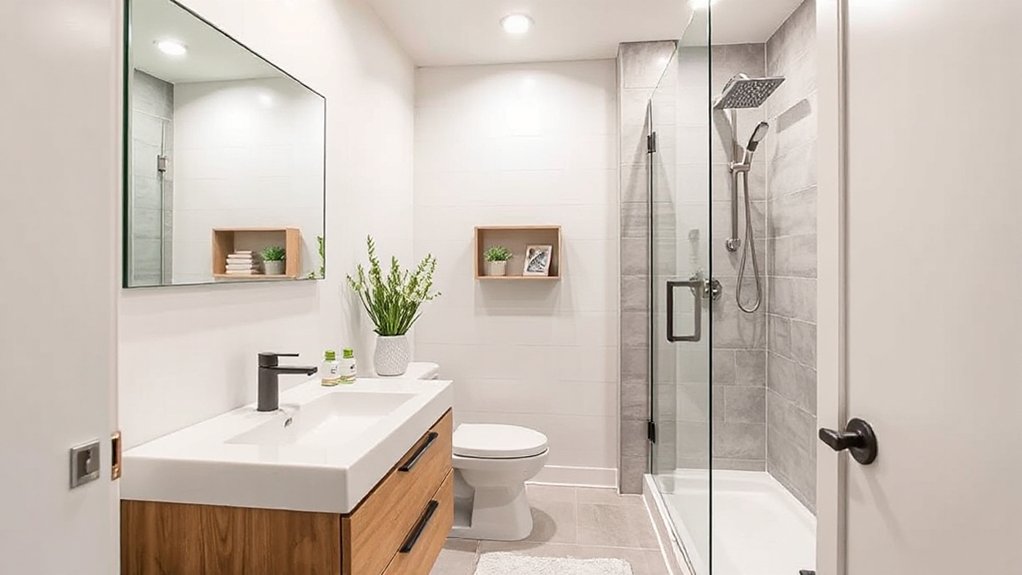
When buyers look for a second bathroom, they want efficiency and privacy without sacrificing space. You’ll prioritize layouts that minimize wasted movement, with clear zones for sink, toilet, and shower.
Look for durable, easy‑to‑clean finishes and thoughtful storage, like recessed shelves and medicine cabinets. Lighting matters: bright, shadow‑free illumination plus a dimmable option for late-night use.
Value comes from features that reduce daily friction, such as dual outlets, ample countertop space, and quiet, powerful exhaust fans. Highlight luxury amenities—heated floors, towel warmers, and ainoir fixtures—that elevate comfort without bulk.
Eco friendly materials also sell well: low‑VOC paints, sustainable cabinetry, and responsibly sourced tiles. Keep the design cohesive with the home’s style to reassure buyers of effortless integration.
Where to Add a Second Bath: Criteria for the Best Location
Choosing the best location for a second bath hinges on workflow, plumbing access, and privacy. You’ll want proximity to frequently used spaces—bedrooms for guest convenience, or near the main living area for quick daytime use.
Consider existing waste and vent lines; locating alongside or under an adjacent bathroom simplifies installation and reduces costs. Avoid blocking hallways or entry sightlines that disrupt circulation.
If possible, tuck the toilet and sink into a corner to save space, then place the shower where it won’t flood high-traffic zones.
Use vintage fixtures for character without compromising efficiency, and prioritize eco-friendly materials to appeal to modern buyers.
Plan for adequate storage, good lighting, and quiet ventilation to keep daily routines smooth and private.
Budget-Friendly Bath Layouts That Maximize Space
Maximize every inch with compact layout options that keep fixtures tight and accessible, so you get full bathing utility without crowding the room.
Place fixtures efficiently to create clear circulation paths and flexible traffic flow, letting you use hard-wack space for essential amenities.
Think multi-use storage solutions that tuck items into narrow walls or under sinks, keeping the bath neat and ready for daily use.
Compact Layout Options
If you’re tight on floor space but still want a comfortable bathroom, start with clever layout options that maximize every inch. Compact layouts focus on efficient squaring, pocket doors, and corner fixtures to free floor area while preserving flow.
Prioritize design trends that fit tight footprints, like floating vanities and narrow, tall storage. Use lighting solutions that brighten without widening the room, such as recessed LEDs and backlit mirrors.
Plan plumbing lines to minimize center runs and elbows, cutting install time and costs. Here are quick ideas:
- Install a corner shower with a curved door and a slim profile vanity
- Choose a compact toilet with a low-profile tank and integrated storage
- Opt for a linear drain and a frameless glass panel for openness
Efficient Fixture Placement
Place the toilet and sink along a single wall to reduce plumbing runs. Then tuck the shower or tub into a corner with a glass enclosure to visually expand the room.
Choose wall-mounted sinks and toilets to free floor space and create the illusion of roominess. Opt for compact, high-efficiency fixtures to curb waste and maintenance.
When budget allows, upgrade to luxury fixtures for perceived value without overhauling the layout.
Use eco-friendly materials for countertops and tile to reinforce durability and eco-conscious appeal.
Multi-Use Storage Solutions
Squeezing even more function from a tight bath means thinking vertically and modularly: clever storage turns small layouts into user-friendly spaces without inflating costs. You’ll maximize every inch by stacking functions, choosing dual-purpose pieces, and tucking essentials into hidden compartments.
Eco friendly materials keep costs down while supporting sustainability, and Creative lighting enhances perceived space and usability.
- Install a wall-mounted cabinet with a mirrored door above the sink for storage and illumination
- Choose a recessed shower niche and a slim, lipped shelf to hold daily items
- Use stackable bins and a narrow cart that rolls between vanity and shower for flexible access
These moves deliver multi-use storage that feels larger, stays organized, and preserves budget integrity.
Permits, Timelines, and Practical Plumbing Basics

First, you’ll navigate permits and approvals early so your project isn’t stalled at the start. I’ll map timelines, flag potential delays, and give you realistic buffers to keep momentum.
Along the way, you’ll grasp essential plumbing basics and the right fixtures to pair with your layout for reliable, code-compliant results.
Permits And Approvals
- Confirm required permits and designated office
- Align plumbing, electrical, and venting with code basics
- Schedule inspections and document approvals promptly
Timeline Considerations And Delays
How long will this take? You’ll face a few moving parts that shape your schedule. Start with permits, then wait times, then rough-in work, then inspections.
Expect back-and-forth with the city or county because reviews hinge on accuracy, completeness, and the scope you’ve defined. Build in a realistic buffer for any required amendments.
Contractor timelines matter: lock in a detailed, written schedule with milestone dates, not vague guesses. If a delay hits, communicate immediately and adjust the plan instead of reacting last minute.
Keep contingency funds handy for minor changes or expedited inspections. Track each phase, compare progress to your timeline, and push for clear accountability from trades.
Thoughtful planning minimizes idle days and protects your bottom line.
Plumbing Basics And Fixtures
Ever wonder how plumbing permits, timelines, and practical basics fit into adding that second bathroom? Here’s the essentials you’ll reuse.
Permits pin down code compliance, so you know your scope, inspections, and fees before drywall comes down.
Timelines set realistic milestones for rough-in, fixture install, and final inspection, helping you avoid costly delays.
Practical plumbing basics keep waste lines, water supply, and venting efficient, minimizing leaks and rework.
When choosing, consider vintage fixtures for character and compatibility with existing plumbing, while Eco friendly plumbing reduces long-term costs and water waste.
- Permits, inspections, and code checks
- Efficient layout: waste, supply, venting
- Fixture selection: vintage charm and eco friendly options
Fixtures and Finishes Buyers Love
When buyers evaluate a second bathroom, they pay attention to durability and appeal right away: quality fixtures that stand up to daily use and finishes that stay clean-looking with minimal maintenance. You’ll want faucets with smooth operation, solid handles, and corrosion-resistant finishes in brushed nickel or matte black for lasting appeal.
Choose porcelain or ceramic tiles that resist staining and chips, and grout that’s easy to seal. For finishes, aim for subtle luxury: neutral tones, clean lines, and consistent sheen across surfaces.
Include a vanity with ample storage and a durable countertop. Prioritize lighting that flatters without glare, plus a mirror with anti-fog features.
Incorporate luxury finishes and trendy fixtures thoughtfully to elevate perceived value without overdoing it.
Smart Cost-Saving Tricks Without Sacrificing Quality
Smart cost-saving tricks start with smart choices that boost value without sacrificing quality. You can cut costs while keeping durability by prioritizing simple, proven fixes and selective upgrades. Focus on efficiency, not excess, and choose fixtures with long lifespans to minimize replacements.
Smart technology can automate safety and water use, lowering ongoing bills without compromising comfort. Look for modular components that fit existing plumbing to avoid costly rewrites, and compare warranties to protect your investment.
- Luxury upgrades without overinvesting: opt for high-ROI elements like efficient faucets and durable tile.
- Smart technology: sensors, motion-activated lighting, and programmable controls save water and energy.
- Quality essentials: solid subfloor, leak-tested connections, and reputable brands for lasting performance.
Framing the Added Bath as a Strong Selling Point

Adding a second bathroom isn’t just a convenience—it’s a strategic selling point that boosts floor plan flexibility and resale appeal. You frame it as a value amplifier, not a cost, by highlighting practical benefits buyers notice first.
Emphasize how a well-placed half bath reduces morning bottlenecks and keeps clutter out of primary baths, especially in homes with growing families or guests. Show concrete design wins: compact layouts that maximize storage, clearly labeled zones, and privacy through pocket doors where appropriate.
Include bathroom lighting that makes the space feel larger and brighter, and outline clean ventilation options that prevent moisture and odors from lingering. Present a maintenance plan and upgrade path so buyers visualize long-term ease and cost savings.
Frequently Asked Questions
How Long Does a Second Bathroom Add Typically Take to Install?
Typically, a second bathroom takes about 1–3 weeks, depending on existing plumbing and permits. You should plan for bathroom layout adjustments and plumbing modifications, plus inspections, to avoid delays and guarantee smooth, reliable installation.
What Is the Best Resale Value Boost From a Second Bath?
A second bathroom typically boosts resale value by about 10-15%, depending on layout. Prioritize efficient bathroom layout and smart plumbing considerations, like venting and drain sizing, to minimize costs and maximize appeal for buyers.
Are There Energy-Efficiency Upgrades Worth Adding?
Sure—these energy-efficiency upgrades are worth it. You’ll see energy savings from smarter insulation upgrades, which quietly boost comfort and bills. You’ll notice practical improvements, lower operating costs, and a more convincing home appeal during showings.
How Do HOA Rules Affect Adding a Second Bathroom?
HOA restrictions affect adding a second bathroom by requiring approvals, design compliance, and potential impact fees. You’ll navigate permit requirements, timelines, and disclosures, ensuring plans align with HOAs rules to avoid fines or build disputes.
What Are Hidden Costs Not Usually Discussed?
Hidden expenses often bite you later; beware permit requirements and surprise fees. You’ll want thorough budgeting, contractor clauses, inspection costs, and utility upgrades. Plan contingencies, compare permits, timelines, and warranty terms to avoid costly, avoidable overruns.
Conclusion
You’ll seal success by spotlighting smart, space-savvy setups. Show off a second bath that blends practicality with polish: compact layouts, chic fixtures, durable finishes, and efficient florid fixtures. Frame features as family-friendly, guest-ready, and resale-strong. Emphasize easy maintenance, minimal moisture, and modern utility. Promote proven value through versatile vibes, timeless textures, and thoughtful timing. Sell the story: superb spaces, superior flow, satisfying spaces—simple, smart, sensational, selling-ready.