


If you’re gearing up to rent out a property, focus on practical, affordable upgrades that boost appeal without breaking the bank. Start with fresh, neutral paint, updated hardware, and energy-efficient lighting, then seal gaps and add smart storage to improve daily use. Exterior touches and tidy landscaping raise curb appeal, while durable flooring and low-maintenance finishes cut long-term costs. With a clear 30-day plan, you’ll see how small changes compound—but there’s more to optimize beyond the basics.
Rent-Ready Upgrades: ROI-Driven Criteria for Landlords
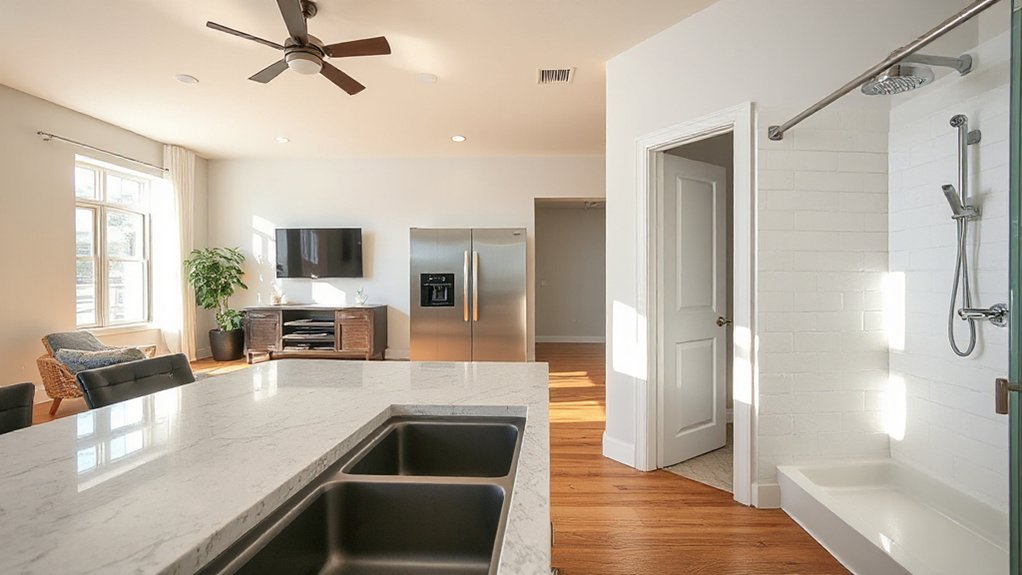
Rent-ready upgrades should maximize appeal while staying affordable, prioritizing fixes that reduce vacancy time and boost rent without overinvesting. You’ll target ROI by aligning upgrades with what renters value most: durable finishes, low maintenance, and quick improvements that don’t disrupt tenancy.
Focus on ROI-driven criteria like cost per day of vacancy saved, not just sticker price. When planning, consider how property marketing highlights fresh highlights—bright lighting, modern fixtures, and cohesive styling—to attract qualified applicants.
You’ll value tenant screening efficiency, ensuring you don’t overspend on features that don’t improve approval rates. Prioritize upgrades with broad appeal, easy upkeep, and documented results.
Track impact by listing performance, inquiry rate, and time-to-fill, then iterate on high-return tasks to sustain steady demand and reliable rent.
Budgeting a Rent-Ready Refresh: Costs, Timelines, and ROI
To plan a rent-ready refresh, you’ll translate ROI-driven aims into a practical budget with clear costs, timelines, and expected returns.
Begin by listing required updates aligned to code and market needs, then price each item with vendor quotes.
Include property zoning considerations that may affect permitted renovations and timelines, and identify any rental licensing steps your jurisdiction requires before listing.
Break the total into major categories: cosmetic refreshes, systems upgrades, and safety/compliance fixes.
Allocate a contingency—typically 5–15%—for price swings or delays.
Set a realistic schedule with milestones for permit approvals, material delivery, and contractor work.
Track ROI by projecting increased rent, reduced vacancy days, and longer tenant retention.
Document costs for tax and future budgeting, and adjust if licensing or zoning changes arise.
Fast Cosmetic Fixes That Cut Vacancies
You’ll start with quick coat touchups to freshen walls where scuffs show first impressions. Modernize hinges and handles with simple hardware upgrades to lift cabinets, doors, and fixtures in minutes.
These fast fixes target speed and impact, so you’ll spot-the-paint and swap parts for a cleaner, more presentable look that helps cut vacancies.
Quick Coat Touchups
Choose a neutral, durable paint and apply a light, even coat to minimize flashback in photos. Use long, steady strokes and watch for drips; feather edges to blend seamlessly with existing colors.
Prioritize high-traffic spaces like hallways and living rooms, but don’t neglect kitchens and bathrooms where stains show quickly. Consider garden landscaping and exterior painting updates as a broader curb appeal plan, while keeping interior touchups crisp and purposeful.
Maintain a simple touchup log for future vacancies.
Hardware Modernizing Hacks
Sprucing up hardware is a fast, cost-effective way to lift a rental’s look and curb appeal without a full remodel. In this hardware modernizing hacks section, you’ll swap out dated knobs and pulls for brushed-nickel or matte-black finishes to instantly modernize doors, cabinets, and drawers.
Pick lever handles for easier access and fewer friction points, especially in high-traffic areas like kitchens and baths. Tighten loose hardware, lubricate hinges, and replace worn strike plates to cut squeaks and improve operation.
Consider smart security touches like keypad deadbolts or smart door sensors wired into a simple home system for peace of mind without a major install.
Improve energy efficiency with weatherstripping, insulating foam gaps around door frames, and low-emission sealants to reduce drafts.
Lighting Upgrades That Elevate Curb Appeal and Value
Outdoor lighting can transform your home’s first impression, enhancing curb appeal and long-term value. You’ll focus on practical gains, not gimmicks.
Start with pathway lighting that guides visitors to the entry and deters mischief; choose low-voltage LEDs for efficiency and easier wiring. Add a warm, consistent color temperature (2700–3000K) to unify the exterior tones.
Install uplights to accent architectural features, like a porch column or gabled roofline, but keep beams tight to avoid light spill onto neighbors.
Consider dusk-to-dawn sensors for hands-off operation, and guarantee all components are rated for damp locations.
Integrate garden landscaping accents near entry points and use exterior signage that’s legible at night.
Finish with a quick test of switches, timers, and battery backups to confirm reliability.
Durable, Tenant-Friendly Flooring Options

When you choose durable flooring, you’ll balance longevity with ease of upkeep for tenants. Consider options like wear-tested vinyl, SPC, or porcelain tile that resist scratches and resist moisture.
These flooring types also feature simple subfloor prep and steady installation. We’ll weigh installation ease and tenant-friendly performance to keep costs predictable and units rentable.
Durable Flooring Choices
What makes durable flooring a smart choice for rentals? You’re aiming for longevity, low maintenance, and tenant satisfaction. Start with resilient options like luxury vinyl plank or laminate that resist scuffs and moisture while still feeling comfortable underfoot.
Choose plank formats with thicker wear layers for long life and easier replacement if a section dents or stains. Consider epoxy or sealed concrete in high-traffic zones for extreme durability, but balance with comfort and acoustics.
Eco-friendly materials matter, so seek certified products that reduce VOCs and reuse content. Look for built-in underlayment or add acoustic insulation to minimize noise transfer between rooms—great for multi-unit buildings.
Prioritize seamless shifts and colorways that hide wear; document care routines for tenants to extend life.
Tenant-Friendly Installation
To keep installation tenant-friendly and durable, opt for flooring that’s quick to install, easy to replace, and forgiving of imperfect subfloors.
For durable, tenant-friendly options, choose vinyl planks or laminate with a solid wear layer and simple click-lock installation. These systems minimize subfloor prep and suction-based damage, boosting lease compliance and reducing maintenance calls.
Consider floating floors over underlayment to cushion drops and reduce sound transfer, improving tenant comfort without costly repairs. If you need a softer feel, high-density engineered bamboo or luxury vinyl tile can blend durability with a warm look, relegating impact concerns to a manageable level.
Prioritize stain resistance and easy cleaning to maintain a fresh appearance between tenants, and document the product’s warranty to support informed turnover.
Schedule concise, clear instructions for future replacements to sustain tenant comfort and lease compliance.
Curb Appeal Tweaks That Draw Tenants In
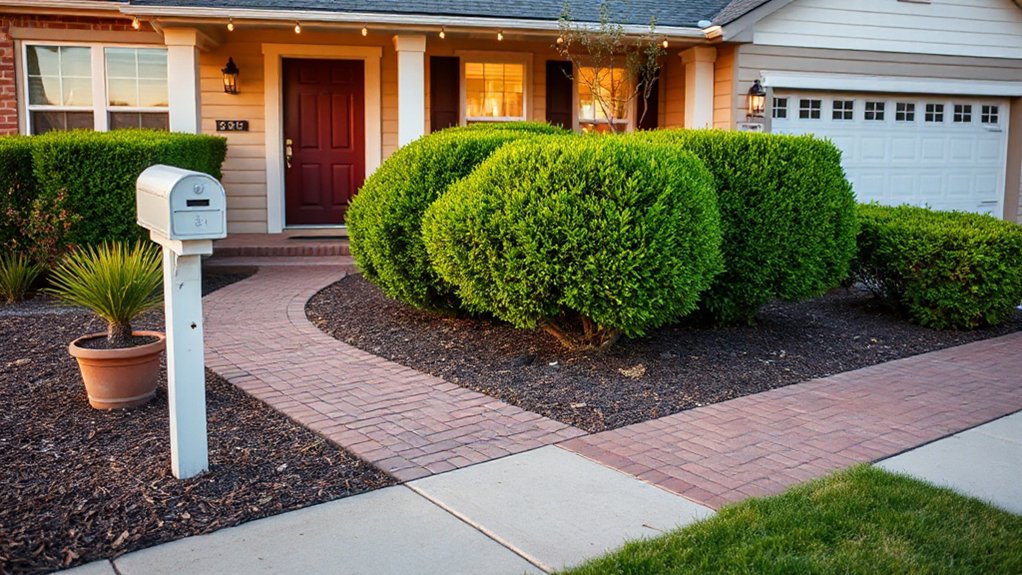
Curb appeal sets the first impression, so focus on easy, high-impact updates that tenants notice at a glance. You’ll refresh the facade with simple fixes that pay off fast: prune overgrowth, mulch beds, and edge sidewalks for clean lines. Replace worn house numbers and mailboxes, and guarantee exterior lighting is bright but unobtrusive.
Add a touch of color with repainting the front door or shutters, choosing durable, fade-resistant finishes. For landscaping design, create defined focal points—a single tree, a rimmed flower bed, and tidy ground cover—to guide the eye toward entry points.
Clear pathways and a welcoming entryway boost usability and safety. Integrate exterior signage that’s legible from the street and aligns with your property’s style. Maintain curb cleanliness weekly to sustain appeal.
Kitchen Upgrades on a Budget That Pay Off
If you’re aiming for a noticeable upgrade without breaking the bank, start with kitchen basics that deliver the most bang for your buck. Focus on efficiency first: swap old bulbs for bright LEDs, install a low-flow faucet, and seal cabinets to reduce drafts and dust.
Next, concentrate on durable surfaces: affordable laminate improvements or a fresh coat of stain on open shelves can transform visuals without a full remodel. Appliance upgrades don’t have to be expensive; you can swap in energy-efficient models or refinished fronts to modernize without a full teardown.
Don’t ignore layout tweaks—clear counter space, add a compact island, or relocate a workspace to improve flow.
Consider outdoor landscaping as a quiet value booster that increases curb appeal for renters, too.
Bathroom Updates With High ROI for Rental Properties
You can refresh a rental bathroom with tile updates that look modern yet affordable, from simple grout refreshes to new large-format options that minimize maintenance.
Improve airflow and reduce moisture with a compact ventilation upgrade, paired with a timer or humidity sensor for efficiency.
Add practical storage and efficient fixtures—think recessed shelves, dual-flush toilets, and space-saving vanities—to boost appeal and ROI.
Tile Refresh Ideas
Renovating bathroom tile on a budget can yield surprisingly big returns for rental properties, and you don’t need a full remodel to make a noticeable impact. Start with a clean slate: remove grime, reseal grout lines, and fix chipped edges before any cosmetic work.
If replacement isn’t feasible, refresh with painter’s tape and epoxy paint designed for tiles, choosing a durable, mildew-resistant formula. For the visual upgrade, explore tile patterns that visually expand the space—combining staggered bricks or herringbone layouts can add intrigue without major expense.
Pair with a bright, neutral grout color to reduce maintenance visibility; lighter grout hides less dirt than dark tones. Seal once dry to protect the finish, and document the updates for prospective tenants. Maintain consistency across bathrooms to maximize ROI.
Efficient Ventilation Upgrades
Confirm all joints are sealed and vent line slopes toward the exterior to reduce condensation. Add a humidity-sensing switch for automatic operation during showers, which keeps airflow steady without constant manual adjustments.
Consider an inline booster for longer ducts to maintain steady airflow, especially in older homes. Improve air quality by venting moisture before mold forms, and verify continuous operation with cycle tests.
Keep airflow management simple: one effective fan, proper ducting, and timely maintenance.
Fixtures and Storage Boosts
Are you maximizing value by upgrading fixtures and adding smart storage in bathrooms? Start with durable, water-saving fixtures—low-flow taps, dual-flush or pressure-balanced shower valves, and a water-efficient toilet.
Replace dated hardware with brushed nickel or matte black for a modern feel that lasts. Opt for recessed or slim-profile medicine cabinets to boost storage without crowding space, plus adjustable shelves to adapt to tenants’ needs.
Add a few smart storage tweaks: vertical towel racks, pull-out organizers, and magnetic holders to keep counters clear.
Finish with finishes that resist humidity, and guarantee proper sealing around vanities and tiles.
If exterior projects loom, plan garden landscaping and exterior painting nearby to boost curb appeal alongside bathroom upgrades.
Paint Strategies That Transform Spaces

Start with a clear plan: choose a color palette that fits the room’s light, scale, and function, then map out where to use each shade. You’ll maximize space by pairing light colors for walls with darker accents to add depth. Use color psychology—calming tones in bedrooms, energizing hues in kitchens—to influence mood and perceived size without costly renovations.
Test swatches on walls at different times of day, noting how natural and artificial light shift perception. When applying, vary paint texture for practical impact: matte on ceilings to minimize glare, satin on trim for clean edges, and eggshell on walls for durability in high-traffic areas.
Keep edges sharp with painter’s tape and label each zone to avoid overreach. This targeted approach yields cohesive, rentable spaces with minimal disruption.
Low-Maintenance Finishes That Attract Long-Term Tenants
Investing in low-maintenance finishes pays off by reducing ongoing upkeep and appealing to long-term tenants who value reliability. You’ll choose durable materials that resist stains, moisture, and wear, then install them in high-traffic areas first.
Opt for quartz or solid-surface countertops, ceramic or porcelain tile, and low-maintenance flooring like LVT in kitchens and entrances. Choose finishes with wipe-down ease and minimal sealing; avoid high-sheen woods that show scratches.
For exteriors, use hard-wearing siding and fade-resistant paint to lessen repaint cycles. Landscaping design should require minimal irrigation and pruning, with drought-tolerant plants and permeable mulch beds.
Simple exterior signage should be clear and vandal-resistant, avoiding frequent replacements. Document maintenance tasks in a simple calendar to keep tenants confident in reliability and long-term tenancy prospects.
Fresh Fixtures and Hardware on a Dime
Fresh fixtures and hardware can make a big impact without breaking the bank. You’ll notice tighter doors, smoother drawers, and updated faucets instantly, with minimal disruption. Prioritize durable finishes like brushed nickel or matte black that resist fingerprints and wear. Swap cabinet pulls and switch plates in a consistent finish to unify spaces quickly.
When selecting fixtures, size matters: measure hole patterns and clearance to avoid rework. Budget-conscious tips include spray-painting dated hardware, replacing faucet aerators, and choosing lever handles for accessibility.
Outdoor updates deserve the same logic: consider garden landscaping accents and weatherproof hardware to extend life. For curb appeal, pair compact lighting with sturdy outdoor furniture.
Quick upgrades with planning save time and help tenants feel refreshed on move-in.
Safety, Code, and Compliance Checks Before Renting

Before you rent, run through essential safety, code, and compliance checks to keep tenants safe and avoid costly fixes later. You’ll verify smoke alarms and carbon monoxide detectors meet local requirements, test each unit, and replace batteries or devices as needed.
Inspect egress routes—clear paths, functioning doors, and accessible exits—and confirm window guards or guards are compliant where required.
Review electrical systems for visible hazards, proper labeling, and grounded outlets; guarantee panels have no unauthorized work, and confirm circuit loads aren’t overloaded.
Check plumbing for leaks, proper venting, and hot-water reliability, and affirm gas lines are sealed and vented correctly.
Document permit history, recent inspections, and any required certifications for code compliance, so your rental remains compliant and safe, now and after in-tenant tenancy.
A 30-Day, Step-by-Step Upgrade Plan for Landlords
To get your property upgraded without surprises, follow this 30-day, step-by-step plan that keeps tenants safe and upgrades affordable.
Day 1–3: assess needs, budget, and financing options, focusing on essential fixes first. Map out tasks by priority and feasibility, aligning with property financing strategies to maximize value without overspending.
Day 4–10: address safety upgrades, fix lighting, plumbing leaks, and drafts; document costs for deductions or reimbursements.
Day 11–17: refresh common areas—paint touchups, floor cleaning, hardware updates—keeping disruption minimal for tenants.
Day 18–24: implement energy-efficient improvements, like seals or low-flow fixtures, to reduce operating costs.
Day 25–28: prepare for tenant screening, updating disclosures and maintenance records.
Day 29–30: finalize contracts, schedule inspections, and compile a transparent upgrade log for future renters and investors.
Frequently Asked Questions
How Do I Prioritize Upgrades for High ROI per Square Foot?
Prioritize high-ROI upgrades by maximizing appeal per square foot: start with fresh paint in neutral color schemes, then optimize furniture arrangement for flow and space. Focus on durable, low-cost finishes and decluttering to boost perceived value.
Which Fixtures Are Most Cost-Effective for Quick Rent Impact?
For quick rent impact, pick cost-efficient luxury fixtures and decorative accents you can install yourself; prioritize neutral finishes, durable hardware, and easy-to-clean surfaces, ensuring consistency across bathrooms and kitchens to attract higher rent without overinvesting.
Can I Upgrade While Tenants Remain in the Property?
Yes, you can upgrade while tenants stay, but respect Tenant privacy by scheduling work during agreed windows and providing advance notice. Plan Upgrade timing to minimize disruption, use dust barriers, and communicate clearly about scope, timelines, and safety precautions.
What Legal Checks Should I Complete Before Renting?
You should verify legal compliance and uphold tenant rights before renting, including licensing, safety checks, and deposits. You’ll document disclosures, track repairs, and guarantee accessibility. Regular inspections stay within law, safeguarding tenant rights and protecting your investment.
How Do I Phase Upgrades to Minimize Vacancies?
Phase upgrades strategically: you’ll stagger systems, syncing Property aesthetics with tight Maintenance scheduling to minimize vacancies. Start small, scale smart, schedule showings between steps, and save time, costs, and hassle while preserving appeal and occupancy.
Conclusion
You’ve got a clear, practical path: quick cosmetic fixes, durable updates, and smart lighting to boost appeal without breaking the bank. Focus on ROI-driven choices and keep timelines tight to reduce vacancy. Quick stat: rental properties with fresh curb appeal can shorten vacancies by up to 50% in the first month. Use a simple 30-day plan, seal gaps, upgrade fixtures, and document progress so tenants feel cared for and value stays high.