


You want a lean blueprint, you want clear wins, you want lasting value. You’ll modernize kitchens and bathrooms, you’ll tighten insulation and glazing, you’ll refresh exteriors and entryways, and you’ll layer neutral paint with versatile furnishings. You’ll balance CapEx with OpEx, plan a practical timeline, and study real Leeds cases. The path is practical, data-driven, and trend-aware, but the payoff hinges on how you sequence upgrades and push the right features to attract reliable tenants. Let’s map the first steps.
What Renovations Really Boost Leeds Rental Yields

If you’re aiming to lift Leeds rental yields, start with essential upgrades that tenants notice quickly: kitchen and bathroom improvements, energy efficiency, and curb appeal. You’ll see the biggest impact when improvements address daily use and maintenance costs.
Focus on robust, tenant-friendly fixtures—durable countertops, shatterproof glass, and efficient appliances. Prioritize proper insulation, modern heating controls, and draft-proofing to cut bills and boost comfort.
In Historical architecture, preserve character while upgrading with sympathetic modern materials that respect original features.
Local zoning considerations matter too: verify permitted alterations, noise limits, and parking rules to avoid compliance delays.
Target high-use areas first, then enhance lighting and storage to reduce vacancy risk.
Restore or replica details can attract longer tenancies without sacrificing modern performance.
Plan, budget, and document upgrades for transparent value growth.
Quick Wins: High-Impact, Low-Cost Upgrades for Leeds
You can start delivering value quickly by targeting high-impact, low-cost upgrades that tenants will notice fast. Focus on practical tweaks that boost perception and reliability: fresh paint in neutral tones, modern door hardware, improved lighting with LEDs, and durable vinyl flooring where appropriate.
Prioritize easy fixes over guesswork: tighten doors, seal gaps, and replace worn rugs in high-traffic areas. Align choices with neighborhood analysis to guarantee styling fits Leeds’ demand and avoids dated looks.
Keep records of improvements for rental listings to highlight value-adds. Consider historic preservation aspects where relevant, preserving charm while upgrading function.
These small wins create a sense of care without major expense, encouraging longer tenancies and quicker, higher-quality occupancy.
Improve Thermal Efficiency: Leeds-Ready Insulation and Glazing
To boost rents and comfort in Leeds, prioritize thermal efficiency with Leeds-ready insulation and glazing upgrades. You’ll reduce energy bills, stabilize indoor temperatures, and attract quality tenants faster.
Focus on airtight seals, breathable loft insulation, and cavity wall fills to minimize heat loss. Pair this with modern glazing upgrades—double or triple-pane units, low-emissivity coating, and smart, easy-clean finishes—to curb drafts and condensation.
Choose performance-led materials that meet local standards and offer visible payback within a few seasons. Always assess building fabric first, then fenestration, to maximize impact. Document energy savings and comfort gains for marketing.
Your upgrades should be future-ready, scalable, and compliant with safety checks for long-term tenancy appeal.
- Assess insulation gaps and upgrade where needed
- Prioritize loft, cavity, and wall insulation improvements
- Select energy-efficient glazing upgrades
- Consider CO2 and energy-use benefits
- Track post-upgrade heating savings and comfort levels
Modern, Low-Maintenance Kitchen Refreshes for Landlords

You’ll benefit from streamlined cabinet refacing options combined with durable, low-maintenance materials that stand up to daily use.
Choose quiet, energy-efficient appliances and simple finishes that resist marks while still looking contemporary.
This approach keeps costs predictable and yields a modern, rental-friendly kitchen that appeals to tenants without frequent upkeep.
Streamlined Cabinet Refacing Options
Streamlined cabinet refacing offers a practical, cost-efficient way to give kitchens a modern, low-maintenance upgrade for rental properties. You’ll transform visuals without full demolition, choosing cabinet styles and finishing techniques that suit each unit’s vibe and budget.
Focus on durable laminates, thermofoil, or veneer wraps for quick wear resistance and easy cleaning. Align color and grain with existing countertops to maximize appeal and resale value, then insist on moisture-safe coatings for longevity.
Precision components reduce maintenance calls, while hidden hardware streamlines cleaning. Plan for minimal downtime by scheduling per-unit refacing in stages. Guarantee quality control during installation, so inconsistencies don’t affect tenant experience.
- Quick color refresh ideas that boost first impressions
- Durable finish options for high-traffic kitchens
- Matching hardware and hinges for cohesive look
- Budget-conscious material upgrades
- Timeline milestones to minimize vacancy periods
Cabinet styles, Finishing techniques
Durable Materials, Low Maintenance
Durable materials and a low-maintenance approach are essential for rental kitchens that stay appealing with minimal upkeep. You’ll prioritize hard-wearing surfaces that resist scratches, moisture, and stains, reducing repair cycles and tenant complaints.
Opt for solid-wood alternatives or high-quality laminates with reinforced edges, and choose cabinet boxes with durable melamine or plywood cores for longevity.
For worktops, consider quartz or engineered stone that handles heat and spills without warping.
Keep fixtures simple and robust—pVD or stainless steel taps, with single-hole mixers that are easy to replace.
Prioritize eco-friendly materials where possible, and guarantee finishes are wipeable and stain-resistant.
Aim for stylish finishes in understated tones to blend with future rental trends and ease ongoing maintenance.
Efficient, Quiet Appliances Upgrade
Efficient, quiet appliances make a landlord’s refresh pay off in happier tenants and lower maintenance calls. You upgrade with modern, low-maintenance units that blend reliability with sleek design, boosting perceived value and rental appeal.
Focus on smart appliances that integrate with app controls, energy monitoring, and remote diagnostics to cut idle time and service visits.
Prioritize noise reduction in dishwashers, washers, and HVAC-compatible ranges to minimize disruption in open-plan kitchens and living areas.
Durable coatings and easy-clean interiors reduce daily upkeep, while consistent performance supports long tenancy terms.
Choose V- and H-class energy ratings where available, and verify warranty coverage for peace of mind.
- Smart appliances and app integration
- Noise reduction features in key devices
- Energy-efficient configurations
- Durable, easy-clean finishes
- Reliable warranties and service networks
Durable Bathroom Upgrades That Attract Tenants
Smart design and sturdy materials matter more than flash when you’re aiming for steady rental returns, so focus on bathrooms that hold up under daily use while still looking fresh. You’ll prioritise durable fixtures, water-efficient taps, and scratch-resistant surfaces to reduce maintenance calls and extend lifespan.
Choose porcelain or composite countertops, and solid-surface or ceramic tiles with strong grouts to resist staining. Opt for reinforced shower enclosures, slip-resistant floors, and a reliable ventilation system to prevent mold.
For tenant appeal, select neutral tones and timeless fittings that won’t demand frequent upgrades. Prioritise easy-clean surfaces and accessible storage, like built-in niches and under-sink organisers.
Document warranties and installation dates to reassure landlords and tenants alike about bathroom durability and ongoing tenant appeal.
Space-Saving Layouts and Flexible Rooms for Flats
To maximize rental yield in compact flats, prioritize space-saving layouts that maximize usable square footage without sacrificing comfort. You’ll create flexible rooms that adapt to tenants’ routines, using zones rather than walls to define living, sleeping, and work areas.
Multifunctional furniture becomes essential: sofabeds with built-in storage, fold-down desks, and wall-mounted tables. Integrate compact storage solutions to keep clutter invisible, like under-bed drawers, vertical shelving, and mezzanine nooks.
Aim for bright, neutral palettes that reflect light and feel larger. Plan for acoustic privacy between zones with slim partitions or tall bookcases. Choose materials that endure high use and easy cleaning.
Finally, design access to natural light and ventilation to boost perceived space and comfort.
- Multifunctional furniture that saves space
- Fold-away work areas that flex with needs
- Under-bed and vertical storage optimizers
- Slim, sound-absorbing partitions
- Bright, durable, easy-clean finishes
Lighting You Can Feel: Ambience and Efficiency in Leeds Homes

You’ll shape Leeds homes with lighting that feels right—from warm ambiences to crisp task layers.
We’ll balance energy-saving layers, like dimmable LEDs and layered task, ambient, and accent lighting, to cut bills without sacrificing mood.
Smart controls tie it together, letting you tailor scenes for comfort, efficiency, and rental appeal.
Lighting For Ambience
Good lighting can transform a Leeds rental’s atmosphere without costing a fortune, so start by layering two types of illumination: ambient overall light and focused task lighting for reading or cooking. You’ll create depth with dimmable options and color temperature around 2700–3000K to feel warm yet modern.
Focus on color schemes that complement neutral walls and bold accents, shaping rooms to feel larger and more cohesive. Plan furniture arrangements that maximize sightlines and natural light, then mirror that with lighting placement to avoid glare.
Use warm accents, textured lampshades, and reflective surfaces to enhance ambience without battlements of cost.
- Layered ambient and task lighting
- Dimmer controls for mood shifts
- 2700–3000K white light choice
- Color schemes that unify spaces
- Strategic furniture arrangements to optimize flow
Energy-Saving Light Layers
Could you cut energy waste without sacrificing ambiance? Energy-saving light layers heighten Leeds homes’ efficiency by layering sources for depth and control.
Start with high-CRI LEDs to minimize color distortion while delivering bright, warm tones. Pair ambient ceiling fixtures with task lighting at desks, counters, and reading nooks, enabling lower overall outputs without dim rooms.
Use dimmers and zoned controls to tailor mood and power use across spaces, shifting from bright mornings to soft evenings.
Choose fixtures with integrated motion sensors in hallways and entrances to curb waste between comings and goings.
Favor fixtures designed for sustainable design, with long lifespans and low heat output.
This approach balances practicality, comfort, and resident appeal, boosting energy efficiency while maintaining stylish, contemporary Leeds interiors.
Smart Control Solutions
- Voice control for hands-free lighting scenes and checks
- Occupancy and daylight sensing to optimize power use
- Zonal control for living, dining, and entry areas
- Quick scene presets for morning, work, and relaxation
- Remote management for maintenance and tenant convenience
Soundproofing and Privacy in HMOs and Family Homes
When you’re balancing rental yield with tenant comfort, soundproofing and privacy become non-negotiables in HMOs and family homes alike. You’ll prioritise dense ceiling and floor assemblies, high-density mineral wool, and resilient channels to curb impact noise.
Consider solid-core doors with rubber seals and door sweeps to reduce airborne leaks. In shared spaces, install acoustic panels or fabric-wrapped boards to dampen reverberation without compromising aesthetics.
For privacy, zone rooms with staggered layouts, frosted or textured glazing, and independent ventilation where possible. Emphasise privacy solutions like individual programmable thermostats, secure storage, and sound-isolating partitions between units.
Keep materials compliant with building regs and fire safety. Track tenant feedback, then refine layouts and finishes to sustain demand and minimize turnover.
Exterior Curb Appeal That Wins Tenants in Leeds
On a Leeds rental, curb appeal starts with simple upgrades like fresh fascia, a crisp entryway, and low-maintenance landscaping that lasts.
You’ll want exterior maintenance routines that prevent costly fixes and keep the façade inviting year-round.
Let’s plan lighting that enhances safety and highlights key features, while staying energy-efficient and in line with current design trends.
Curb Appeal Upgrades
First impressions matter, especially in a competitive Leeds rental market, so curb appeal should be your first upgrade. You’ll grab tenants’ attention by aligning the exterior with current trends and durable choices. Focus on a cohesive look that’s easy to maintain: crisp lines, inviting entry, and a balanced color palette for the doors and trims.
Prioritize practical upgrades that boost longevity and energy efficiency, like weatherproofing and low-maintenance materials. Use garden landscaping to frame the entrance, define pathways, and add seasonal color without overcomplicating upkeep.
Consider a refreshed front door color to signal modernity, while exterior painting favors a weather-resistant finish. Small details matter: lighting, door hardware, and tidy boundaries create a trusted, move-in ready vibe.
- Update front facade with a coordinated color scheme
- Refresh pathway lighting for safe, welcoming evenings
- Refresh front door and hardware for instant polish
- Introduce low-maintenance garden landscaping elements
- Choose durable, weather-resistant exterior painting finishes
Exterior Maintenance Essentials
Exterior maintenance isn’t optional in Leeds; it’s your first line of defense in attracting tenants. You’ll keep property value steady by prioritizing practical upkeep: assess roof gutters for blockages, trim overhanging branches, and seal gaps around windows to curb drafts.
Schedule seasonal inspections to prevent leaks and costly repairs, and replace worn soffits before damp becomes an issue. You should invest in garden landscaping that enhances curb appeal without overhauling the footprint—think low-maintenance, drought-tolerant plantings and clean, defined borders.
Keep exterior finishes looking fresh with a reserved repaint cadence tied to masonry wear and weathering. For safety and appeal, maintain clear walkways, address moss on steps, and ensure exterior lighting is functioning, well-aimed, and even in coverage.
Consistency here reduces vacancies and boosts tenant satisfaction.
Visual Impact Through Lighting
Lighting is your best shortcut to curb appeal after dark, and it should be both practical and deliberate. You’ll shape first impressions with smart layers of exterior light that highlight architecture, pathways, and entry points.
Use warm, consistent color temperature to create a welcoming glow that complements color schemes and outdoor materials. Low-voltage LEDs reduce energy use and maintenance while offering precise beam control.
Plan fixtures to prevent glare and ensure safety without overpowering architectural details. Pair lighting with strategic furniture arrangement on steps, porch, and seating areas to extend usability after sunset.
This approach enhances perceived value, attracts tenants, and supports long-term yield.
- Highlight architectural features with targeted wall and step lights
- Use warm, cohesive color temperature to unify the palette
- Integrate lighting with entryway color schemes
- Align fixtures with furniture arrangement for flow
- Choose energy-efficient, controllable options for flexibility
Essential Safety and Compliance Upgrades You Must Include
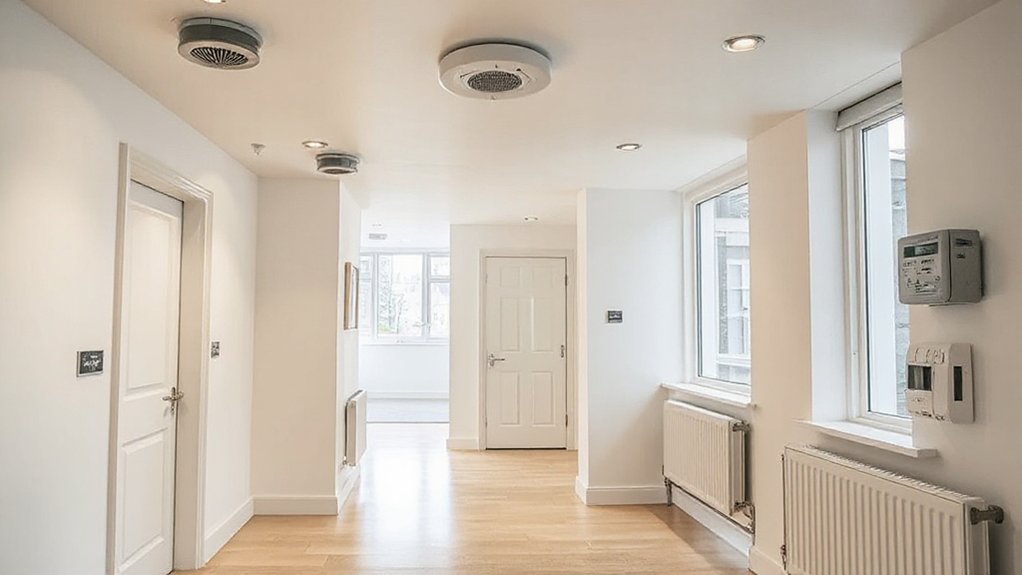
To protect tenants and your bottom line, you should prioritize essential safety and compliance upgrades that drive reliable occupancy and lower risk. You’ll tackle core systems first: fire safety upgrades like reliable alarms, serviced extinguishers, and clear escape routes, plus load-tested electricals and gas safety checks.
Document every inspection and certificate to build your compliance documentation trail, which reassures tenants and inspectors alike. Install compliant smoke and carbon monoxide detectors in mandatory zones, ensure adequate ventilation, and address damp risks that affect habitability.
Create maintenance calendars that trigger timely replacements and lock in warranties. Communicate these standards clearly in tenancy onboarding and handbooks.
Regularly review Leeds regulations, adapt quickly, and keep a liability-first mindset without over-spending on nonessential tweaks.
Smart Home Features Tenants Love in Leeds
In Leeds rentals, smart home features are more than buzzwords—they boost appeal, retention, and perceived value without breaking the bank. You’ll find tenants crave reliability, ease, and energy efficiency, so prioritize practical tech that’s simple to use and scalable. Focus on solid, mid-range installs with clear maintenance plans.
- Smart thermostats for comfort and bills control
- Voice control for lighting and blinds
- Remote monitoring of security sensors
- App-based access and guest codes
- Energy dashboards that show savings in real time
Aim for compatibility with common platforms, clear setup guides, and robust customer support. Choose devices that don’t jeopardize insulation or ventilation, and document warranties. The result is a rental that feels up-to-date, efficient, and ready for fast tenant turnover.
Flooring That Lasts: Durable, Low-Maintenance Options
With tenants expecting durability and low upkeep, choosing flooring that lasts reduces maintenance calls and protects rental income. You’ll want options that resist scuffs, spills, and heavy foot traffic without frequent refinishing.
Consider luxury vinyl plank (LVP) for a water‑resistant, installer-friendly solution that mimics wood but remains maintenance free options in reality; it cleans easily and holds color well.
Engineered hardwood offers a premium feel with better stability than solid wood, though you’ll still want a robust wear layer and good acclimation.
For high-traffic areas, ceramic or porcelain tile provides longevity and simple cleaning, especially in kitchens and entrances.
If budget is tight, high‑quality laminate can approximate wood with strong wear resistance.
Prioritize warranties, underlayment, and moisture barriers to maximize flooring durability across the property.
In-Unit vs Communal Laundry: What Works in Leeds

If you’re weighing in-unit laundry against communal setups, consider how in-unit options boost tenant appeal with convenience and perceived value.
We’ll break down the pros of in-unit laundry, weigh the ongoing costs of communal facilities, and map how space and layout choices affect usability and maintenance.
This discussion anchors on cost implications, space efficiency, and how Leeds tenants prioritize quick-to-use laundry that fits daily routines.
In-Unit Laundry Pros
In-unit laundry can considerably boost rental appeal in Leeds, delivering the convenience tenants expect and reducing turnarounds between tenants. You’ll attract longer tenancies by offering in-unit laundry, which smooths daily routines and minimizes landlord callbacks.
When selecting equipment, choose space-saving machines with energy efficiency and reliable warranties to cut operating costs. Position facilities for easy access from living areas, and guarantee venting, drainage, and electricity meet safety standards.
Highlight laundry convenience in listings with clear specs and cycle times to set accurate expectations. Consider smart-meter options to monitor usage and control costs.
Pair in-unit laundry with durable finishes to withstand high turnover and maintain curb appeal.
- Space-saving machines
- Energy efficiency
- Safe, compliant setup
- Clear cycle times
- Smart usage monitoring
Communal Laundry Costs
Across Leeds, communal laundry costs impact every rental model differently, so you’ll want to weigh upfront investment against ongoing gains. Communal machines offer lower per-unit maintenance and simpler fleet management, but they can add shared-cost burdens and potential wait times for tenants.
In practice, you’ll compare upfront install costs, utility metering options, and service contracts with projected usage patterns. Shared amenities tend to attract longer tenancies when reliability is high, yet peak demand can drive dissatisfaction if queues form.
Consider modern, energy-efficient coinless systems to simplify billing and reduce laundry costs across units. Documented usage data helps forecast reimbursements and maintenance cycles, improving budgeting accuracy.
Align the setup with your property mix and tenant expectations to maximize yield without over-investing.
Space and Convenience Impact
In Leeds, choosing between in-unit and communal laundry shapes both space planning and daily convenience, so you’ll want to weigh footprint, utility setup, and tenant expectations upfront. You’ll gain clarity by mapping how each option affects unit size, maintenance cycles, and utility costs, then compare to current trends like compact laundry hubs and energy-efficient machines.
Garden landscaping and smart home security subtly influence perceived value, so plan upgrades that complement laundry choices without overcomplicating layouts. Prioritize durable finishes, easy access, and future-proof scalability to attract longer tenancies.
- Footprint impact and room flow for each setup
- Utility hook-ups, meters, and cost predictability
- Maintenance frequency and vendor access
- Aesthetic cohesion with garden landscaping and entry appeal
- Smart home security integration and leasing flexibility
Flexible Spaces for Students and Families
How can flexible layouts boost appeal for both students and families? You design adaptable spaces that maximize usable square footage and futureproof your rental. Start with modular furniture: lightweight partitions, foldaway desks, and bed storage to switch between study zones and living/hosting areas in minutes.
Prioritize rooms with flexible access—quiet study nooks adjacent to shared lounges, plus a dining area that doubles as a social hub. Integrate smart storage walls, under-bed drawers, and wardrobe configurations that accommodate varying wardrobes and gear.
Include practical features like accessible power, robust lighting, and durable finishes. For on-site appeal, add Indoor gardening corners for hobbyists and consider Pet friendly spaces with easy-clean flooring and contained play areas. These tweaks attract both students and families seeking versatility and value.
CapEx vs OpEx in Leeds Renovations: A Practical Guide
Are CapEx and OpEx truly at tension in Leeds renovations, or can they work in harmony to maximize yield? In this practical guide, you’ll weigh capital expenditure against operational expenses to optimize long-term returns.
Prioritize projects that boost rentability and durability, while keeping operating costs predictable. Map each renovation’s payback period, note tax incentives, and consider resale impact. Balance upfront investments with ongoing costs to avoid creeping expenses that erode yield.
When evaluating options, model scenarios for inflation, vacancy risk, and energy efficiency. Aim for investments that raise occupancy comfort, extend asset life, and lower utility bills.
Align your capex choices with tenant expectations and local market trends for sustainable, profitable outcomes.
- Clear ROI timelines across different capex projects
- Energy-efficiency upgrades that cut operational expenses
- Durable materials with minimal maintenance needs
- Tax incentives and depreciation benefits
- Tenant-focused features that sustain higher rents
Case Studies: Leeds Rentals After Renovation

From real-world renovations in Leeds, you’ll see how targeted upgrades translate into tangible rent boosts and shorter vacancies—especially when projects blend durability with modern comforts.
Case studies show you the value of preserving Historical architecture while upgrading systems, insulation, and fixtures for today’s tenants. In these examples, simple, cost-conscious improvements—fresh paint, soundproofing, efficient boilers, and smart thermostats—boost appeal without overhauling character.
Local market trends reveal that well-located multi-family units command faster leases and premium rents when communal spaces, security, and accessibility are addressed. You’ll notice turnovers drop after renovations where marketing emphasizes energy savings and long-term reliability.
These cases prove that thoughtful, design-aware refreshes align with tenant expectations and landlord returns, reinforcing the link between quality updates and steady income in Leeds.
Planning Your Leeds Renovation Timeline: A Step-By-Step Schedule
To plan an effective Leeds renovation timeline, start by mapping your project milestones a few months out, then lock in critical dates for design sign-off, permitting, and contractor availability. You’ll align Renovation budgeting with the sequence, so funds flow with milestones and avoid delays.
Next, identify lead times for materials and inspections, then set buffers for unexpected hold-ups. Maintain a clear, shared calendar with your contractor to track progress and approvals.
Prioritize tasks by impact on rental yield, such as kitchens, bathrooms, and energy upgrades, and document dependencies. Regular reviews keep you on target and adaptable to market shifts.
Remember: concise milestones, proactive communication, and cost-conscious decisions drive faster occupancy and stronger returns.
- Phase milestones and sign-offs
- Permit and inspection buffers
- Material lead-time planning
- Contractor selection criteria
- Contingency and budget alignment
Frequently Asked Questions
What Grants or Funding Help Exist for Leeds Renovations?
Funding options exist, including renovation grants and local schemes you can apply for. You’ll want to research Leeds-specific programs, check housing, regeneration, and energy-efficiency grants, and consult advisers to maximize opportunities for your renovation project.
How Long Does a Typical Leeds Renovation Take?
A typical Leeds renovation takes 4–12 weeks, depending on scope and permits. Plan for a smooth Renovation timeline, with contingency for delays. You’ll manage trades, inspections, and snagging to guarantee solid Property turnaround and budget adherence.
Which Renovations Improve Council Tax Band Changes?
“Waste not, want not.” You’ll trigger council tax band adjustments by upgrading insulation, plumbing, and energy efficiency, then applying for a revaluation; you evaluate improvements, document energy certificates, and submit evidence to guarantee favorable council tax implications.
Are There Leeds-Specific Legal Liabilities After Renovations?
Yes—you may face Leeds-specific legal liabilities after renovations. Guarantee legal compliance with local planning, building regs, and safety standards, and verify insurance requirements are met, including landlord insurance and contractor liability coverage. Keep documentation for audits and disputes.
How to Budget for Unexpected Renovation Overruns in Leeds?
Like a whispered warning from a future you, you budget by anticipating Renovation cost spikes and building contingencies. You’ll do Budget planning with 10–20% extra, track invoices, and adjust timelines to safeguard your Leeds project.
Conclusion
You’ve got a clear playbook: modernize kitchens and baths, boost insulation, upgrade lighting, and add smart touches without breaking the budget. Focus on durable, low-maintenance finishes and curb appeal to attract steady tenants fast. Plan with a practical timeline, balancing CapEx and OpEx to maximize yield. Track results against rents and vacancy shifts to prove value. Remember: slow and steady wins the race—investment today compounds into reliable income tomorrow. Adage: don’t put all your eggs in one basket.