
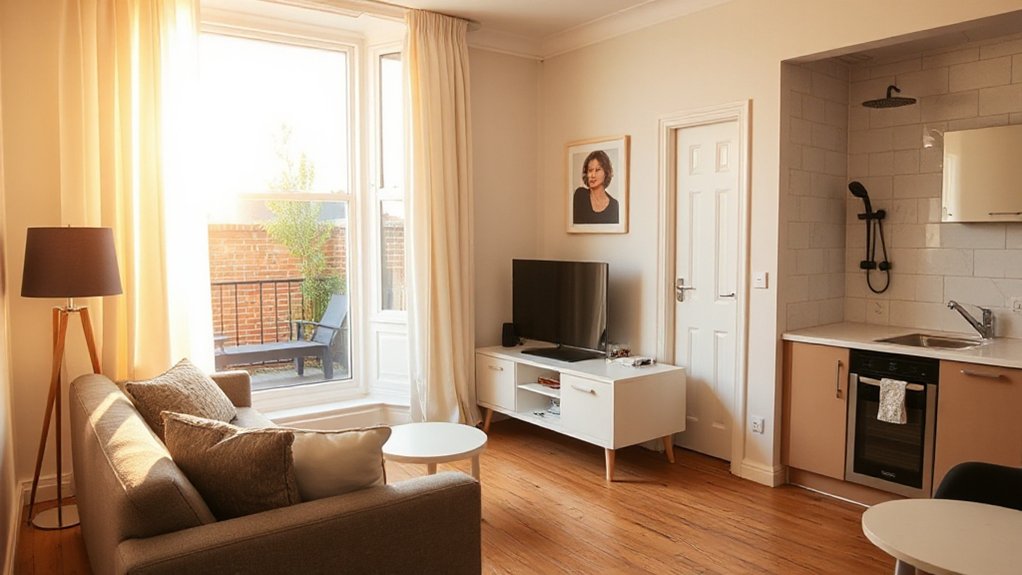

You’ll see rents soar overnight—if you pick the right upgrades and execute them smartly. You’ll focus on energy efficiency, space optimization, and kitchen/bathroom upgrades to attract reliable tenants and cut costs. Plan with a clear ROI in mind, choose the right property type, and manage trades efficiently. But the real test is in the details: what to do first, how to budget, and how to measure impact to keep profits on track. Let’s map it out.
What London Rental Yield Really Means for Landlords
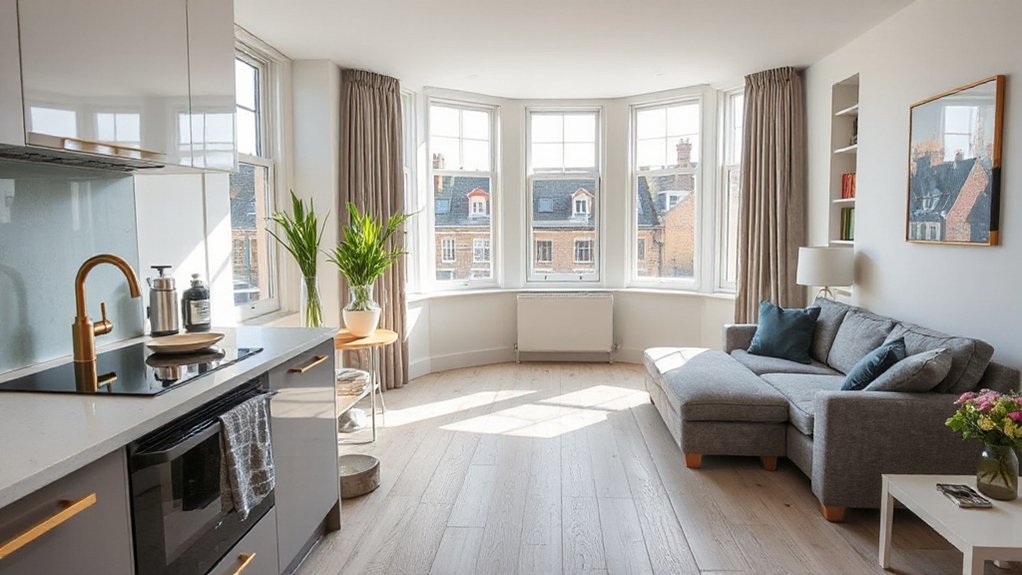
So, what does London rental yield actually mean for landlords, and why should you care? Rental yield is your main proxy for profitability, calculated as annual rent as a percentage of the property price. It tells you how much cash you’re likely to generate relative to your investment, guiding decisions on purchase price, financing, and ongoing costs.
In London, yields move with market fluctuations and tenant demographics, so you can’t treat it as a static figure. A higher yield often signals stronger demand or lower entry price, while a lower yield reflects premium areas or rising costs.
Use yield as a planning tool, not a final verdict, to assess risk, set rent bands, and prioritize renovations that preserve or improve cash flow.
A Simple ROI Framework for London Renovations
Weight each factor by your priorities, then score proposals on a 1–5 scale. For every candidate, quantify improvements in occupancy risk, tenant retention, and monthly rent; translate these into a projected net operating income delta.
Consider historical preservation implications where relevant, noting any grants or tax relief that affect cash flow. Track upfront capex versus ongoing maintenance, calculating a break-even horizon to avoid overcapitalizing.
Use sensitivity analysis to test rent and vacancy volatility.
Finally, document decisions with concise rationale, so tenant satisfaction aligns with financial targets and you retain clarity across stakeholders.
Prioritize Energy Efficiency to Cut Costs and Boost Value
Prioritizing energy efficiency isn’t just green—it’s a strategic move to lower operating costs and increase rental value. You’ll start with a quick audit to identify heat loss, drafts, and high-utility areas.
Upgrade insulation improvements in walls, lofts, and floors to reduce seasonal heating loads and cooling spikes. Install efficient windows or secondary glazing where feasible to minimize drafts without sacrificing light.
Consider renewable energy options like solar PV or thermal systems to cut electricity and heating bills over time, ensuring you choose fittings with solid payback.
Replace aging boilers with high-efficiency models and seal ducts to prevent hidden leaks.
Document savings and energy performance improvements for tenants, boosting perceived value and rentability.
Maximize Small Spaces With Smart Layouts and Storage

Smart layouts and smart storage can open rental yields in compact London flats without sacrificing comfort. You’ll boost usable space with open plan zones that visually expand rooms without adding physical walls, keeping furniture choices flexible and traffic flows clear.
Prioritize built-in storage: deeper wardrobes, bed frames with drawers, and wall alcoves that trim clutter. Use multi-function furniture—ottomans with hidden compartments, drop-down desks, and fold-away tables—to maximize floor space without eroding utility.
Emphasize natural lighting by choosing lighter wall colors, sheer curtains, and strategically placed mirrors to amplify brightness, making rooms feel larger. Assign dedicated storage for seasonal items and bulk purchases to reduce visible clutter.
Maintain a simple, consistent color palette to reinforce perceived openness and ease of maintenance. Regularly reassess layouts as furniture and occupancy change.
Kitchen Upgrades That Raise Rent Without Overspending
Renovating the kitchen can boost rent without breaking the bank by targeting high-impact upgrades that tenants notice first. You’ll prioritize durable, cost-effective changes that endure daily use and shine in photos.
Begin with fresh, neutral cabinet doors or a high-quality veneer, pairing them with solid hardware to slash replacement needs. Opt for energy-saving LED lighting and an efficient under-cabinet setup to enhance ambiance without spiking bills.
Choose eco-friendly materials for countertops or backsplashes that resist stains and heat while supporting sustainability.
Introduce vintage fixtures—tap, handles, or a retro-inspired faucet—to add character without a full overhaul.
Keep appliances proportional and reliable; prioritize performance over novelty to reduce maintenance calls and maximize appeal to steady renters.
Bathroom Renovations That Modernize Appeal and Value
You’ll boost appeal and value by choosing durable materials that look premium yet stay within budget. Focus on water resistance and easy maintenance in floors, walls, and cabinetry.
Optimize space with smart layouts and wall-hung fixtures to maximize perceived size without sacrificing storage.
Stay current on modern fixture trends—minimalist taps, frameless glass, and concealed plumbing—to deliver a refreshed, high-yield bathroom that tenants notice.
Material Choices Impact
Material choices can make or break bathroom ROI, so start with durable, water-resistant options that still look premium. You’ll select materials that combine material durability with aesthetic appeal, ensuring longevity under daily use and moisture exposure.
Prioritize surfaces that resist staining, mold, and warping, while delivering a refined finish that attracts tenants. Focus on neutral tones, consistent textures, and easy maintenance to sustain appeal over time.
Use high-quality fixtures and waterproof membranes to prevent leaks and costly repairs. Plan for replacements and warranties upfront to protect ROI.
- Porcelain or ceramic wall and floor tiles with matte finishes
- Solid-surface or quartz vanity tops for resilience
- Premium-grade acrylic or porcelain fixtures with integrated seals
- Waterproof plywood or cement backer boards behind tiled areas
Space-Saving Layouts
Smart space planning can dramatically boost a bathroom’s functionality and value; start by prioritizing compact layouts that maximize flow without sacrificing comfort. You’ll design open floorplans that feel larger, using wall-hung fixtures to free floor space and ease cleaning.
Choose corner storage, recessed niches, and mirror-fronted cabinets to keep essentials accessible without clutter. Prioritize a clear path from door to shower or tub, reducing trip hazards and improving usability.
Opt for a shower enclosure with minimal framing instead of a bulky tub, and implement sliding doors to save space. Let natural lighting guide color and material choices—light tones, reflective surfaces, and frosted glass brighten the room without adding bulk.
Integrate controllable task lighting for vanity zones to enhance functionality and perceived space.
Modern Fixture Trends
- Choose wall-hung fixtures for a sleek silhouette
- Pair classic designs with modern finishes for longevity
- Prioritize durable materials and seamless cleaning
- Add smart lighting and mirrors for convenience
Quick Cosmetic Refreshes That Elevate Perceived Value

A fresh coat and a fresh look instantly lift perceived value, especially when you pair it with targeted lighting upgrades that highlight key spaces.
Tackle quick wins like updated hardware and small details that catch the eye and signal quality without a full remodel.
Focus on practical changes you can execute fast, measuring impact by brighter rooms, tighter taps, and more organized, polished surfaces.
Fresh Coat, Fresh Look
Fresh coats of paint, refreshed fixtures, and updated finishes can transform a dated rental into a perceived premium without a full renovation.
You’ll optimize impact with careful color choices and cohesive finishes that echo current interior colors and furniture styles. Pick neutral bases accented by one or two bold but tasteful tones to maintain broad appeal.
Focus on doors, trim, and kitchen cabinets for quick returns, and don’t overlook hardware, mirrors, and matching fixtures. Prioritize durable, washable surfaces to keep maintenance low and perception high.
Use consistent lighting temperature to avoid mismatches that detract from the refresh.
- Choose a cohesive palette that ties interior colors to furniture styles
- Refresh cabinets and hardware for instant uplift
- Update fixtures and mirrors with brushed or matte finishes
- Paint high-traffic areas for a clean, durable feel
Lighting Upgrades Quick Wins
Lighting upgrades are a fast, high-impact way to boost perceived value without a full remodel—focus on brightness, color temperature, and consistency across rooms.
You’ll start by swapping to bright, energy-efficient LEDs with a neutral to cool white (around 4000–4500K) to render true colors. Maintain uniform color temperature across living, kitchen, and bedrooms to avoid jarring shifts.
Prioritize dimmable fixtures in common areas to control ambiance and highlight features, while leaving task lighting in kitchens and baths at higher brightness for practicality.
Choose fixtures with solid build quality for fixture durability and easy maintenance.
Install well-placed ambient, task, and accent lighting to create layered lighting ambiance that feels premium without overhauling the space.
These quick wins drive perceived value and tenant satisfaction.
Hardware Small Details Matter
Small details in hardware can yield outsized gains in perceived value without a full reno. You’ll notice quick lifts from targeted tweaks that many renters value immediately, yet often overlook. Focus on crisp finishes, reliable operation, and cohesive style to boost perceived quality with minimal disruption.
Small improvements add up: upgraded handles, refreshed hinges, and calibrated doors can feel like a higher-end space without major investment. Keep textures and metals consistent to avoid visual discord, and test every latch, switch, and knob for smooth action.
By documenting these hardware details, you communicate care and durability, which renters notice on day one.
- Upgrade cabinet handles and door knobs for a cohesive look
- Replace worn hinges and ensure quiet, smooth action
- Calibrate doors, drawers, and latches for reliability
- Match metal finishes across fixtures and hardware
Navigating London Regulations, Permits, and Approvals
Managing London regulations, permits, and approvals can be a hurdle, but a clear, staged approach makes it manageable. You start by mapping permit processes for your project—identify which authorities issue approvals, expected timelines, and required documentation.
Then, confirm zoning regulations relevant to your property type, as they dictate allowable alterations and uses. Next, compile a concise submission packet: drawings, plans, energy assessments, and safety declarations, focusing on compliance rather than novelty.
Engage early with the local planning office or a qualified consultant to validate your proposal’s feasibility, reducing back-and-forth. Track milestones, anticipate potential objections, and have contingency options ready.
Planning Timelines to Minimize Vacancies and Disruption
To minimize vacancies and disruption, map your project around clear seasonal windows and align trades to maximize steady progress.
Target tight turnaround times for each phase and lock in suppliers early to avoid delays.
Prioritize a practical schedule that reduces downtime while keeping safety and compliance front and center.
Plan Seasonal Windows
How can you minimize vacancies and disruption when planning renovations?
Plan seasonal windows carefully to align work with favorable weather and tenancy cycles. Schedule exterior tasks during milder months to reduce weather-related delays, and target interior updates for peak vacancy gaps, minimizing rent losses. Build in buffer days for permit approvals, deliveries, and inspections, so unexpected holds don’t cascade.
Prioritize tasks that boost appeal now, like Seasonal maintenance and improved Window insulation, which shorten post-renovation vacancy periods. Communicate timelines clearly with tenants or prospective tenants to set accurate expectations and reduce inquiries that freeze occupancy.
Use phased work if possible, keeping some units online while others finish. Track progress weekly and adjust milestones to protect cash flow.
- Coordinate weather windows and tenancy cycles
- Phase work to keep some units occupied
- Highlight Seasonal maintenance benefits
- Emphasize Window insulation impact on energy and tours
Minimize Turnaround Delays
Pre-qualify tenants early with efficient Tenant screening to reduce later delays, and set clear expectations about required documents and deposits.
Schedule property taxes and utility setups as part of a single onboarding plan, so administrative tasks don’t pile up between lets.
Use a phased renovation approach to minimize downtime: target essential upgrades first, then complete cosmetic work after tenants are in place.
Track KPIs like days on market and time-to-rent, adjusting workflows to prevent gaps.
Maintain transparent communication with stakeholders to keep everyone aligned and compliant.
Smart Budgeting: Where to Spend and Where to Save
Smart budgeting starts with a clear plan: identify which upgrades will boost rental income the most and which costs you can safely defer.
- Prioritize high-ROI improvements (kitchens, bathrooms, energy efficiency) to maximize yield without overcapitalizing.
- Lock in a realistic budget with contingency for unexpected costs, avoiding budget pitfalls that derail projects.
- Use savings strategies like bulk purchases, energy-efficient fixtures, and reputable trades to cut long-term operating costs.
- Schedule phased upgrades to align with tenancy cycles, reducing vacancy risk and cashflow disruption.
This approach keeps you focused on value, not vanity. You’ll see quicker returns, better tenant satisfaction, and clearer cost tracking—essential for scalable portfolio growth.
Flat vs. House: Tailoring Upgrades to Property Type

When you’ve planned smart budgeting, the next step is to tailor upgrades to the property type. Flat upgrades focus on space efficiency, durable finishes, and flexible layouts that maximize occupancy and turnover speed.
In a flat, optimize storage, soundproofing, and kitchen efficiency to appeal to renters who value convenience and low maintenance.
For houses, prioritize curb appeal, robust bathrooms, and a durable ensuite strategy that supports longer tenancies.
Consider how Historic architecture can inform tasteful updates—preserving character while modernizing essentials.
In both cases, target areas that deliver the strongest ROI: kitchen appliances, smart controls, and energy efficiency.
Also map proximity to Neighborhood hotspots to reassure tenants about lifestyle value and long-term demand.
Tailor upgrades to type, then measure impact against rents and vacancy trends.
Choosing London Trades and Managing Projects Effectively
- Define roles and responsibilities for each trade up front
- Schedule regular site check-ins to maintain momentum
- Centralize updates through one point of contact
- Document deviations and reestimate costs promptly
Measuring Impact: Key Metrics to Track Before and After
To measure impact effectively, start by identifying the heaviest-hitting metrics that tie directly to rental yield and cash flow: occupancy rate, days on market, rent per unit, and operating expenses as a percentage of gross income.
Track these before and after renovations to gauge net improvement and seasonality effects. Historical trends help you set realistic benchmarks, showing how similar properties behaved under peak market cycles.
Use market comparisons to contextualize performance against peers in London neighborhoods and property types. Monitor vacancy duration, lease renewals, and rent growth momentum quarterly to detect drift early.
Tie metric changes to renovation scopes, cost baselines, and financing terms to maintain a tight ROI view. Document findings in a concise dashboard for ongoing decision-making.
Frequently Asked Questions
How Quickly Do Renovations Impact Rental Yield After Completion?
Renovation timing matters: you’ll typically see yield improvement within weeks after completion as rents adjust to improved space. You can accelerate impact by marketing immediately, documenting upgrades, and showcasing energy efficiency; plan for a staged rollout if needed.
Which Renovations Maximize Rent Without Breaking the Budget in London?
You’ll maximize rent on a tight budget, because 70% of tenants notice staging first. Focus on property staging and interior styling—fresh paint, decluttering, smart lighting, and functional layouts—creating appealing spaces without overspending or lengthy delays.
Do Permits Affect Time to Rent During Renovations?
Yes, permits can affect time to rent during renovations: building permits often cause renovation delays, impacting your project schedule and interim vacancy. Plan contingencies, secure approvals early, and coordinate inspections to minimize rent-taking delays and maximize occupancy speed.
What Are Typical Renovation ROI Ranges for London Properties?
You’ll typically see ROI ranges around 5–15% for London properties, depending on scope and location, with larger kitchens or bathrooms pushing higher. Consider Property taxation and Renovation financing early to maximize net gains and cash flow.
Which Maintenance Tasks Boost Value With Minimal Cost?
Maintenance matters matter most: prioritize plumbing checks, roof and gutter upkeep, and secure doors. You’ll save, streamline, and sustain value. Focus on cost effective upgrades, proper sealing, and smart scheduling to maximize maintenance priorities and preserve property appeal.
Conclusion
Concentrate on energy upgrades and smart space planning to maximize London yields. By boosting insulation, efficient windows, and boilers, you’ll slice bills and attract quality tenants with steadier occupancy. An eye-opening stat: energy-efficient homes rent up to 8% more than average properties in prime areas. Couple that with built-in storage and compact, flexible layouts, and you create high-demand units that command premium rents. Track utilities, vacancy, and time-to-let to sharpen ongoing profitability. Stay practical, benchmark fiercely, and iterate.