


Sunlight dances off your deck like a heat-hazed mirror, and choosing the right surface can either invite comfort or invite a sweat. You’ll want cool, reflective tones, breathable joints, and textures that stay steady under sun. Think light porcelain, pale stone, or tinted concrete with a matte, anti-slip finish, plus a layout that promotes airflow. Ready to map out surfaces that stay cooler and endure the season, with style that holds up and requires minimal fuss? Let’s start.
Key Criteria for Heat-Resistant Outdoor Flooring
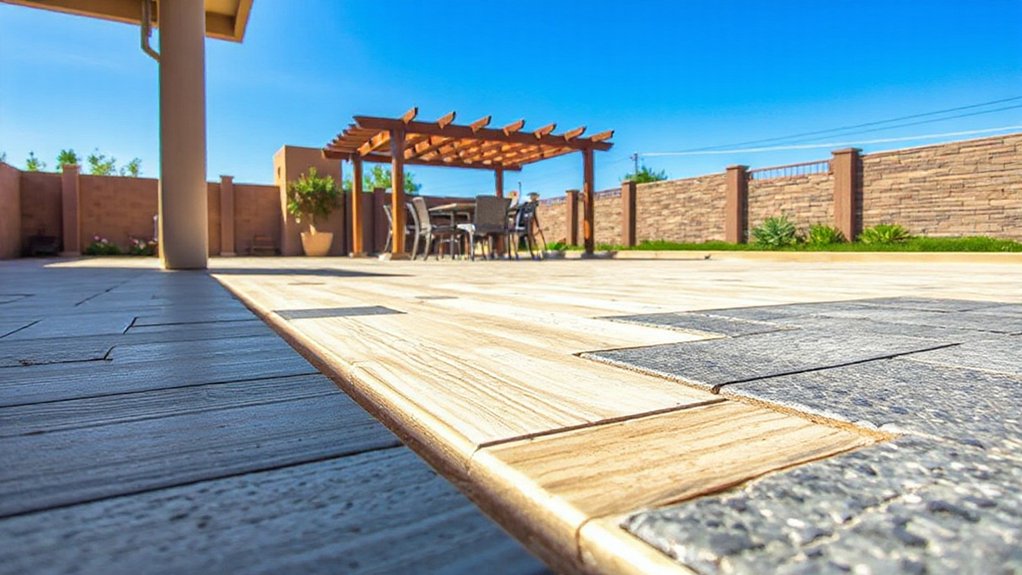
When choosing heat-resistant outdoor flooring, prioritize materials that stay cool under direct sun and resist fading, warping, and surface damage. You’ll assess heat dissipation, surface stability, and maintenance needs to keep your space usable year-round.
Look for boards or pavers with low thermal mass and reflective or light-toned finishes that reduce heat buildup. Require consistent slip resistant finishes to prevent accidents when surfaces are damp.
Favor Eco friendly materials that minimize environmental impact without sacrificing performance, and verify color stability against UV exposure for long-lasting aesthetics.
Evaluate installation compatibility with your climate and foot traffic, ensuring joints allow expansion without buckling.
Finally, confirm durability in temperature swings, moisture, and seasonal use, balancing cost, upkeep, and visual appeal.
Best Cool-Touch Options for Sunny Patios
To keep sunny patios cool and comfortable, prioritize materials with low heat absorption and high reflective potential, like light-colored composites, porcelain tiles, or natural stone with a polished or honed finish.
For cool-touch options, choose textures with subtle pore contrast and slip resistance that stay comfortably cool under sun. Light hues help reflect solar gain, while larger tiles reduce seams and heat buildup.
Plant shading around edges softens glare and lowers ambient temperature, enhancing the effect of cool surfaces.
Water features provide evaporative cooling and a soothing contrast to solid flooring, reinforcing comfort without bulk.
Prioritize installation with proper airflow and drainage to sustain coolness.
Pair with drought-tolerant greenery for a balanced, low-maintenance, aesthetically cohesive patio.
Heat-Reflective Surfaces and Shade-Friendly Choices
Heat-reflective surfaces cut heat before it lingers, so choose materials with high albedo and a refined finish that bounce solar energy rather than soak it in. You’ll prioritize shade-friendly layouts and color contrast to highlight textures while keeping glare manageable.
Focus on materials that endure sun exposure without fading or cracking, ensuring long-term color harmony and practical durability.
- Select light tones with strong contrast for visual depth while preserving material durability.
- Pair reflective pavers with shaded seating zones to reduce heat buildup and maintain comfort.
- Use low-gloss finishes that resist dirt and weathering, boosting both aesthetic appeal and longevity.
Breathable Surfaces to Manage Moisture
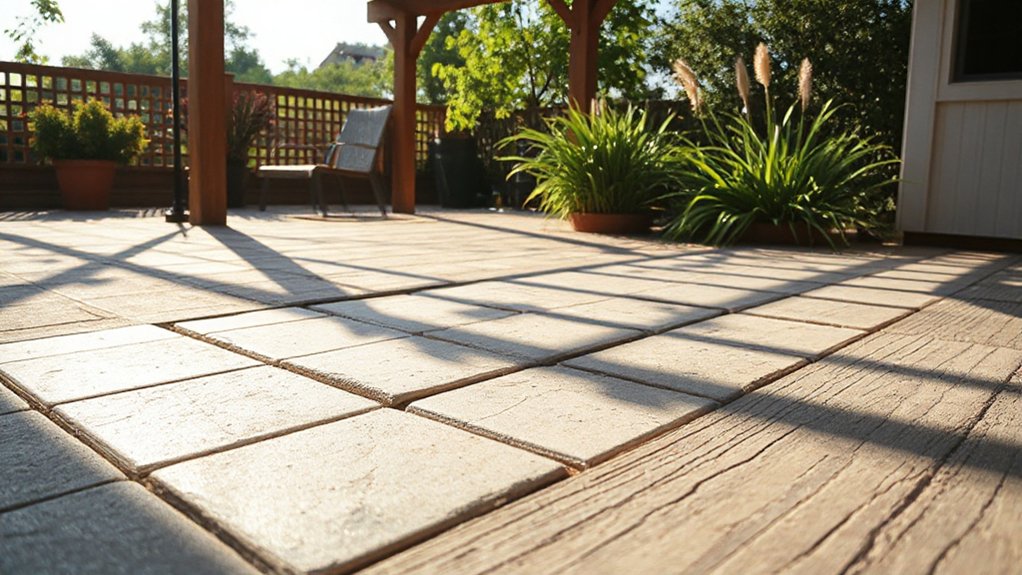
Breathable surfaces help moisture escape and keep outdoor spaces comfortable in hot weather. You’ll want materials that prioritize airflow and drainage, so dampness doesn’t linger after a rain or a spill. Favor designs with gaps, slats, or perforations that promote air circulation without compromising safety.
Permeable aggregates, crushed rock, or interlocking pavers with open joints can facilitate rapid moisture evaporation, aiding moisture control. Avoid solid, non-porous planes that trap heat and moisture alike.
Subsurface drainage is essential: guarantee grades slope away from thresholds and consider a French drain or moisture mat beneath the surface. Pair breathable surfaces with ventilation strategies like shaded walkways or roof-overhangs to extend comfort.
Regular cleaning prevents clogging and maintains consistent airflow across the area.
Timber vs. Composite Decking: Pros, Cons, Temperature
Timber and composite decking each bring distinct advantages and trade-offs for hot weather, so your choice hinges on heat management, maintenance, and the aesthetic you want. Timber durability varies by species and finish, so pick rot-resistant wood and seal regularly to curb heat absorption.
Composite maintenance is lighter, resisting fading and warping, but joints can trap heat and show scratches. Both options benefit from light colors to reflect sun and breathable underlayment to prevent heat buildup.
- Heat behavior: timber can feel warmer; composites often stay cooler if shaded.
- Upkeep: timber requires periodic sealing; composite needs occasional cleaning and brushing.
- Longevity: consider warranty and expected life in your climate.
Stone and Tile That Stay Cool Underfoot
You can keep temperatures comfortable underfoot with cool-through stone options that resist heat buildup. Porcelain tile manages surface heat well when paired with proper ambient airflow for pavers.
Helping your outdoor space stay inviting. Consider how layout, shade, and material choices work together to maintain a visually clean, cool feel.
Cool-Through Stone Options
- Choose dense, low-porosity pavers with cool-touch finishes to reduce heat absorption.
- Integrate light, reflective tones and matte textures to maintain a calm, even surface.
- Plan paths and seating around shaded zones to extend comfort windows and define spaces.
Porcelain Tile Heat Management
Porcelain tile stays cooler underfoot when you choose dense, low-porosity varieties with matte, non-slip finishes and light, reflective tones. In practical terms, prioritize porcelain with a low absorption rate, which minimizes heat retention from sun exposure and reduces surface warmth after midafternoon sun. This improves comfort without sacrificing performance.
Focus on porcelain durability by selecting products rated for outdoor use, with frost resistance and wide-format consistency to reduce grout joints that trap heat.
For heat absorption, opt for light hues and cool-toned textures that reflect rather than soak heat.
Matte finishes offer slip resistance while keeping glare low, aiding comfort in bright conditions.
Install with proper spacing to allow airflow beneath, which helps heat dissipate and maintain a cooler walking surface.
Ambient Airflow For Pavers
Ambient airflow beneath pavers and stone tiles is the quiet driver of a cool surface. When you choose pavers that encourage air exchange, you improve ambient airflow and heat dissipation, making your patio feel cooler underfoot.
Practical layout matters: gaps, venting, and elevation reduce heat buildup without sacrificing style.
- Use permeable joints and slight elevations to promote continuous airflow.
- Favor materials with natural thermal mass that absorb and release heat gradually.
- Consider underlayment and pedestals that create a consistent air channel for cooling.
This approach balances aesthetic appeal with performance. You’ll notice less surface heat, steadier temperatures, and a more comfortable environment for barefoot moments.
Ambient airflow and heat dissipation work together to extend outdoor usability and preserve stone and tile beauty.
Pavers and Ground Grids for Heat Dissipation

When you choose heat-safe surface options, you’ll notice how material color, porosity, and finishing affect foot comfort and surface temps.
With pavers, focus on heat transfer control through spacing, shade, and material selection to keep walkways cooler.
Ground grids create a cool zone design by promoting airflow, drainage, and insulation beneath pavers, shaping a practical, aesthetically pleasing path.
Heat-Safe Surface Choices
Heat can make outdoor spaces uncomfortable, so choosing pavers and ground grids that dissipate it matters. You’ll look for surfaces that balance heat reflection, airflow, and visual appeal, prioritizing materials with cooler-foot performance and refined texture.
Consider color options and texture variations that hide minor wear while maintaining style.
- Color options: choose light-tinted or reflective shades that reduce heat absorption without sacrificing mood.
- Texture variations: opt for subtle ridges or perforations that channel air and minimize surface temperature buildup.
- Grid patterns: align gaps to promote convection, improving heat dissipation under foot and wheel.
Pavers: Heat Transfer Control
Pavers and ground grids should be chosen for their ability to move heat away from the surface while maintaining style. You’ll prioritize materials with high albedo and air gaps that promote convection, reducing surface temperatures without compromising aesthetics.
Opt for light-toned concrete, natural stone, or porcelain pavers with textured finishes that hide footprints while enabling airflow beneath. Install with proper spacing to encourage drainage and air flow, then pair with ground grids where appropriate to boost heat dissipation in high-traffic zones.
For garden pathways, align paver layout to sun exposure, keeping walking areas cooler and visually balanced. In patio furniture zones, maintain shade edges and consider permeable joints to manage moisture.
This approach delivers durable, stylish, cool outdoor spaces.
Ground Grids: Cool Zone Design
Ground grids extend the cooling strategy by inviting airflow beneath hard surfaces. When you design a cool zone, you create pockets for air to move, reducing surface temps and evaporative heat buildup.
A properly spaced ground grid supports both drainage and shade, enhancing comfort without sacrificing aesthetics. Focus on clean lines, neutral tones, and material durability to keep the area visually calm as temperatures rise. Your aim is practical beauty: form follows function, with cooling as the priority.
- Optimize spacing for maximum airflow and debris filtration
- Choose low-thermal-emission materials that resist sun exposure
- Integrate plants and light accents to emphasize the cool zone the eye notices
Ground grid benefits include reduced heat transfer, improved barefoot comfort, and a more inviting outdoor room.
Natural Shade: Bamboo and Vine-Covered Solutions
Natural shade offers a practical, elegant approach to cooling outdoor spaces, using bamboo and vines to soften heat without heavy infrastructure. You’ll leverage bamboo solutions to create lightweight, breathable canopies that filter harsh sun while preserving airflow.
Select bamboo with tight joints and durable finishes to resist weathering, and install at varying heights to form a layered escape from heat. Pair with climbing vines that thrive in sunlit walls or trellises, choosing varieties known for rapid growth and seasonal foliage.
This combination delivers dynamic texture, subtle color, and natural insulation beneath foot traffic. Focus on clean lines, minimal footprints, and maintenance that respects the setting.
Natural shade reinforces comfort without sacrificing aesthetic integrity or functional openness.
Maintenance Routines to Minimize Heat Buildup
A simple, regular cleaning schedule keeps heat-absorbing debris from trapping warmth on your surface.
Use shade and ventilation tips to promote airflow and prevent hot spots around edges and joints.
Consider material heat resistance strategies to choose finishes that reflect sun and stay cooler under frequent use.
Regular Cleaning Schedule
Regular cleaning should be part of your routine if you want to keep outdoor flooring cool and safe in hot weather. Establishing a steady cadence prevents debris and grime from absorbing heat and transferring it to the surface.
Cleanliness also preserves aesthetics and roof insulation performance by reducing heat absorption from organic buildup. Keep wind resistance and airflow in mind as you plan maintenance, ensuring tools and products don’t trap heat or dust.
- Schedule lightweight cleanings weekly to avoid heavy residues that intensify heat absorption.
- Use non-abrasive brushes and cool water to prevent surface scorching and preserve color.
- Tie cleaning days to low-wind periods to minimize wind-driven debris and maximize efficiency.
Shade and Ventilation Tips
Shade and ventilation play a key role in keeping outdoor flooring cooler without heavy upkeep. You’ll benefit from placing shade structures strategically to minimize direct sun on high-heat zones.
And you’ll keep airflow moving beneath canopies for evaporative cooling. Opt for breathable fabrics or slatted coverings that block sun but don’t trap heat, and position them to align with prevailing winds.
Garden furniture should be lightweight, modular, and easy to rearrange so airflow isn’t obstructed.
For plant placement, group heat-tolerant species where they’ll offer natural shade without crowding turf or pavers.
Regularly lift and air out seating areas to prevent moisture buildup, and use light colors for textiles to reflect heat.
Maintain clean lines and avoid clutter that traps warm air near the surface.
Material Heat Resistance Strategies
To minimize heat buildup, choose flooring materials with high thermal resistance and low moisture retention, and implement a maintenance routine that regularly checks for heat accumulation. You’ll optimize performance by pairing materials with strong Thermal insulation and minimal Heat absorption, then scheduling periodic inspections and cleaning to prevent hotspots.
- Inspect seams, joints, and finishes for wear that could trap heat and air leaks, resealing as needed.
- Clean surfaces to remove dust and debris that increase surface temperature, using reflective or light-colored treatments where appropriate.
- Rotate use patterns and shade strategies seasonally, elevating heat resistance through thoughtful layout and material choices.
This pragmatic approach keeps aesthetics intact while reducing heat buildup, delivering durable, comfortable outdoor spaces.
Installation Considerations for Hot Climates
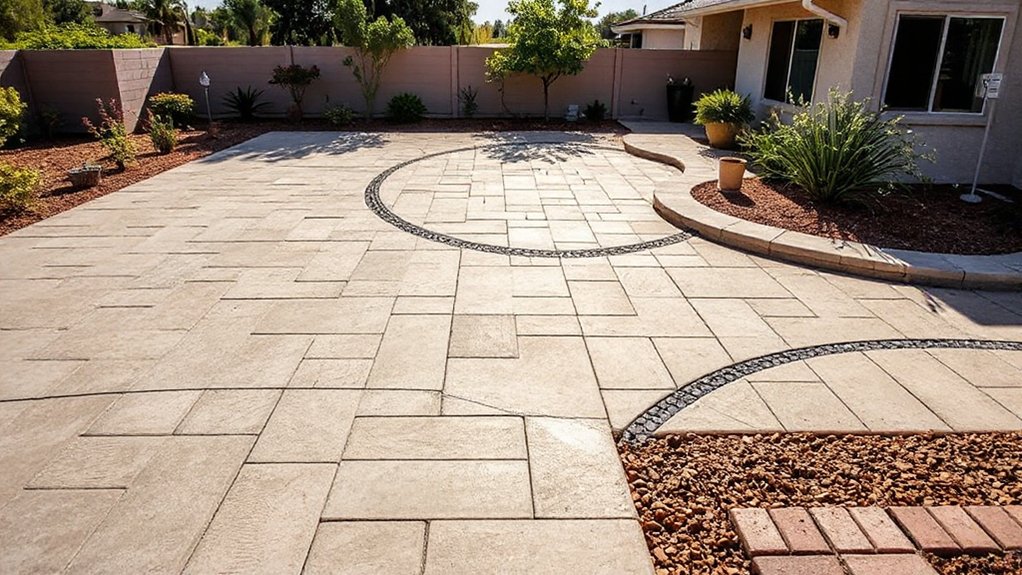
If you’re installing outdoor flooring in hot climates, plan for heat as a tool and a constraint, not a hurdle. You’ll want surfaces that stay comfortable under sun, resist warping, and dry quickly after showers.
Prioritize installation basics that support longevity: precise subfloor prep, stable fasteners, and correct expansion gaps to accommodate temperature swings.
Consider slope and drainage so water exits efficiently, keeping surfaces cooler and less slippery.
Landscaping design influences material choice—opt for colors and textures that minimize heat absorption while harmonizing with plantings.
Use breathable assemblies to prevent moisture buildup, and guarantee adequate air movement around edges.
Plan for ongoing maintenance windows, sealing schedules, and visible joints that enhance aesthetics.
Water drainage and thoughtful landscaping integration keep your hot-climate deck or patio both functional and beautiful.
Budget Guide: Affordable to Premium Cooling Flooring
When you’re budgeting cooling outdoor flooring, start by mapping heat-reflective options across a price spectrum, then weigh long-term savings against initial costs. You’ll find value in balancing performance, durability, and upkeep.
Consider material palettes that stay cooler under sun and fit your space’s mood.
1) Entry-level efficiency: affordable ceramic or composite tiles with reflective sealants.
2) Mid-range balance: light-toned pavers or wood composites that resist fading and heat transfer.
3) Premium performance: ventilated decking systems and radiant-heat–resistant surfaces for extended longevity.
Tips to maximize return: pair with garden furniture that stays cool to touch, and adopt planting strategies that shade key zones without blocking airflow.
Focus on practical layouts, avoid heavy thresholds, and ensure seamless transitions between indoors and outdoors.
Aesthetic Ideas That Don’t Trap Heat
Light-colored surfaces stay cooler, so you’ll feel less heat reflection as you move between zones.
Slatted shadows create strategic relief from sun exposure, keeping pathways comfortable for longer.
Textured patterns improve airflow and visual interest, guiding movement while minimizing heat buildup.
Light-Colored Surfaces Stay Cooler
To keep outdoor spaces cooler, opt for light-colored surfaces that reflect sunlight rather than absorb it. When you choose materials, consider hues that feel airy and blend with surroundings, reinforcing a calm, inviting vibe. Color psychology matters here: lighter tones can visually expand small areas and reduce heat perception, while pairing with cool undertones enhances serenity.
Alongside color, plan for outdoor lighting that complements daytime brightness without adding glare.
- Use pale, matte finishes that resist staining and reflectivity without sheen.
- Pair light flooring with warm LED accents for balanced contrast.
- Test color under sun at different times to ensure it stays visually cool.
This approach keeps aesthetics precise and practical, with outdoor lighting guiding evening ambiance and comfort.
Slatted Shadows Reduce Heat
Slatted shadows offer both form and function, creating dynamic patterns that cool outdoor spaces without trapping heat. You’ll notice the interplay of light and shade as you move through the area, guiding steps to cooler zones without abrupt contrasts.
Choose spacing that balances sun exposure with deliberate shade, allowing air to circulate beneath each slat. Narrow gaps reduce direct heat absorption while still delivering visual rhythm, so the surface stays comfortable underfoot.
Align slats to exterior breezes and prevailing sun angles for steady shadow movement across the day. This approach preserves material longevity and minimizes heat gain, supporting longer use without scorching surfaces.
Shadow patterns enhance design depth, making spaces feel cooler and more intentional while keeping heat absorption in check.
Textured Patterns Improve Airflow
Textured patterns can boost airflow without sacrificing style, giving you cooler feet and a fresher yard. You’ll notice the benefit as breeze weaves through carefully carved or pressed surfaces, reducing heat buildup while keeping visual interest high.
- Choose pattern textures with gaps or channels to maximize ventilation and prevent heat pockets.
- Opt for alternating reliefs and smooth segments to create micro-airflow corridors that feel cooler underfoot.
- Combine geometric motifs with permeable joints to sustain airflow across wide patios and walkways.
This approach blends aesthetics with practical heat management, delivering Airflow enhancement without clutter. It also supports slip resistance and easy maintenance, ensuring your space stays inviting after sunny afternoons.
Seasonal Timing: When to Install in Hot Climates

Winter heat isn’t the only factor; planning the install for hot climates hinges on timing that minimizes heat stress on materials and maximizes surface readiness.
You’ll optimize results by avoiding peak heat windows and aligning projects with cooler morning hours or late afternoon shade. Schedule major cuts, drying, or curing during cooler days to protect material durability and reduce expansion risks.
Consider seasonal maintenance tasks, like moisture conditioning or acclimation periods, before laying, so boards or pavers enter the climate with stable moisture levels.
Select substrates that tolerate heat and install them when temperatures stay within manufacturer recommendations.
Prepare the site in advance, ensuring clean, dry, and compacted bases.
A well-timed plan preserves aesthetics, minimizes warping, and delivers a durable, ready-to-use surface.
Quick Compare by Use Case: Best Overall Picks
When you’re selecting outdoor flooring for hot weather, the best overall picks balance heat tolerance, durability, and aesthetics for quick, reliable installations. You want options that install fast, endure sun and moisture, and stay visually appealing over time.
Consider materials that resist warping and fading, while keeping maintenance low. The most versatile choices cover residential patios, poolsides, and outdoor kitchens with minimal upkeep. Rain resistant materials and Eco friendly options help future-proof your space and reduce environmental impact.
1) Composite decking: durable, fade resistant, easy to clean
2) Porcelain pavers: sleek, heat-tolerant, quick grout-and-go install
3) Stone veneer tiles: natural look, rain resistant, compact for tight spaces
Frequently Asked Questions
How Does Color Impact Heat Absorption on Outdoor Flooring?
Color matters: lighter hues reflect more heat, keeping surfaces cooler; darker colors absorb heat, increasing temps. Color psychology guides mood, while Aesthetic versatility lets you pair tones with surroundings, balancing comfort and style for practical outdoor spaces.
Can Cooling Flooring Survive Harsh UV Exposure?
Cooling flooring can survive harsh UV exposure if you choose UV-stable materials; monitor pavement durability and material longevity, and maintain with protective coatings. You’ll appreciate practical performance, precise aesthetics, and durable resilience that stay cool under sunlit, busy use.
Do Installation Substrates Affect Heat Performance?
Sure, yes: installation substrates influence heat performance by affecting heat conductivity; select solid, well-ventilated bases. Anachronism at start: Behold, you’ll catapult comfort. You’ll optimize substrate choice, maximizing heat conductivity while preserving aesthetics and install practicality for outdoor flooring.
Which Surfaces Are Easiest to Clean in Heat?
You’ll find smooth, nonporous surfaces easiest to clean in heat, with high dirt resistance and low maintenance tips. Focus on seamless finishes, rinse quickly, and wipe spills promptly to maintain aesthetics while you manage dirt and grime.
Are There Eco-Friendly Cooling Flooring Options?
Can you go eco-friendly with cooling flooring? Yes. You’ll use recycled materials and natural finishes, choosing breathable, reflective surfaces that stay cooler. You’ll prioritize practicality, precision, and aesthetics for comfortable outdoor spaces you’ll actually enjoy.
Conclusion
You crave cool comfort, so choose thoughtfully. Find fresh, light-footed surfaces, like porcelain, pale stone, or permeable pavers, that reflect heat and promote airflow. Favor textures that won’t trap sweat, and shade strategies that stay stylishly practical. Balance budget with beauty, from affordable grouts to premium panels. Keep maintenance minimal, moisture managed, and mood memorable. With well-planned placement, you’ll enjoy stylish shaded serenity, seasonal savings, and spectacular, long-lasting summers. Seek smart, sustainable sensibilities for superb, sun-smart spaces.