
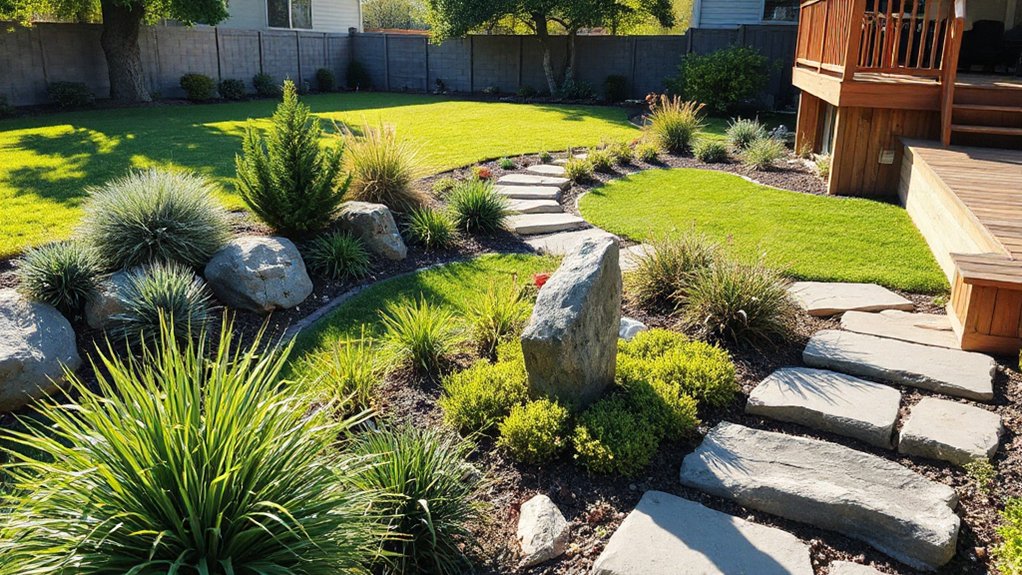

Take a hypothetical yard with a drought-tolerant mix, seasonal blooms, and a weatherproof patio. You’ll see lower maintenance, safer walkways, and a more inviting outdoor living area that doesn’t scream “costly upgrade.” The question is which elements deliver the best ROI while staying practical and stylish. Stay with me as we break down the simplest tweaks that boost curb appeal, reduce ongoing costs, and extend usable space without overhauling your whole landscape.
Garden Improvements That Boost Home Value: The ROI Frame
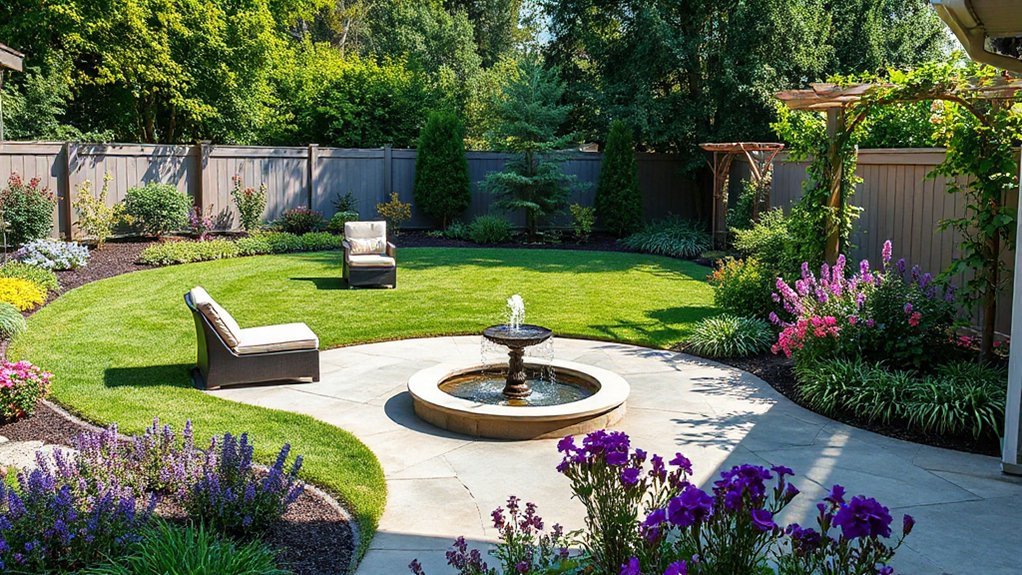
A well-planned garden isn’t merely nice to have—it’s a tangible asset that can boost your home’s resale value. You’ll maximize ROI by prioritizing features buyers notice: durable perennial borders, tidy paths, and a coherent color story that extends the house’s architecture.
Focus on garden art that adds focal points without clutter, such as a weatherproof sculpture, a striking trellis, or a balanced focal planter. Clear labeling helps guests understand the space quickly, reinforcing perceived value.
For sustainability, implement composting techniques that reduce waste and improve soil health, then showcase a simple, accessible system near the kitchen or utility area. Document maintenance routines and seasonal rotations so the garden remains vibrant with minimal effort.
Practical, scalable upgrades like these deliver measurable value.
Low-Maintenance Landscaping Buyers Love
You’ll appeal to buyers by choosing low-maintenance planting ideas that look intentional year-round.
Pair drought-tolerant yard features with smart irrigation solutions to cut water use and upkeep while preserving curb appeal.
This practical combination delivers lasting value and minimizes daily chores, making your landscape a selling point.
Low-Maintenance Planting Ideas
- Native plants with drought-tolerant traits in borders for steady performance
- Container gardening with compact, flowering perennials for doorstep appeal
- Layered plantings that combine mulch, mulch-friendly shrubs, and groundcovers to reduce weeding
Drought-Tolerant Yard Features
Prioritize rainwater harvesting as a core tactic, channeling runoff into planters or zones with drought-tolerant beds. This approach lowers monthly bills and elevates curb presence when paired with well-defined borders and mulch that suppresses weeds.
Native plant selection guarantees long-term adaptation to your climate, attracting local pollinators and supporting ecosystem health. Plan with year-round interest: varied heights, bloom times, and evergreen anchors.
With thoughtful layout and routine inspection, you gain dependable, low-effort landscaping that enhances value and buyer appeal.
Smart Irrigation Solutions
- Smart sensors optimize schedules to match actual moisture needs.
- Zone-based irrigation minimizes waste and supports diverse plantings.
- Automated adjustments align with forecasted conditions and rainfall.
This approach blends practicality with measurable performance, increasing perceived value.
Drought-Tolerant Plantings for Easy Upkeep
To reduce water use and maintenance while boosting curb appeal, choose drought-tolerant plantings that thrive in your climate with minimal irrigation. You’ll focus on hardy, low-care varieties that fit your soil and sun, reducing weekly upkeep.
Start with xeriscape principles: group plants by water needs, mulch deeply, and use efficient irrigation zones to minimize waste.
Native plant selection matters because locals resist diseases and thrive on seasonal rainfall, lowering fertilizer and pest-control needs. Select species that bloom across seasons for continuous color with little effort.
Think groundcovers, grasses, and shrub layers that tolerate drought without sacrificing structure.
Install a simple irrigation plan with drip lines and smart timers, then monitor soil moisture to avoid overwatering.
With thoughtful spacing and mulching, your landscape stays vibrant and resilient, increasing property value.
Hardscapes That Create Usable Outdoor Space
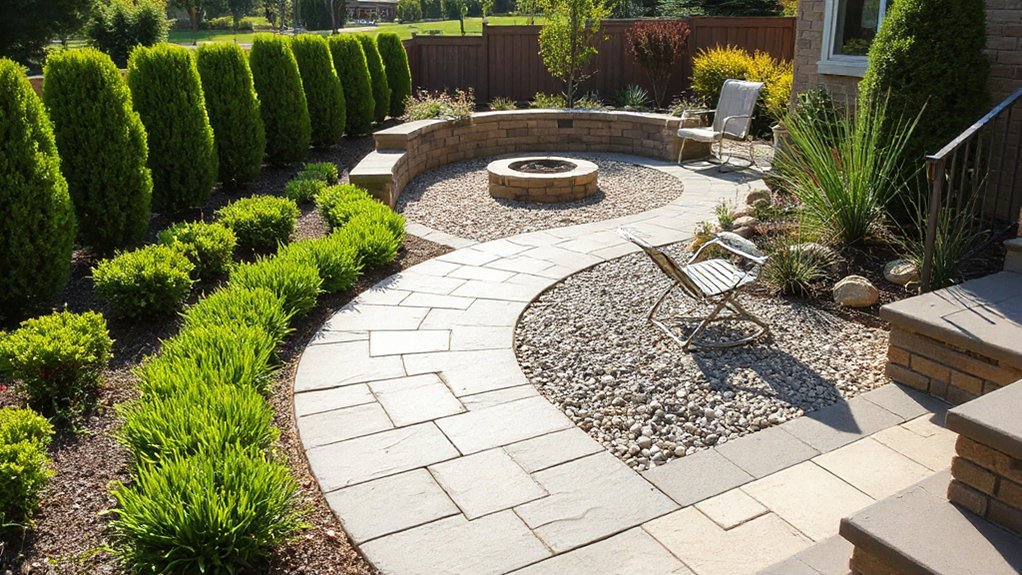
A well-planned hardscape extends your drought-smart yard into a usable, inviting space. You choose durable materials, define zones, and guarantee ADA-friendly paths for easy navigation. Strategically placed seating, lighting, and shade make evenings workable and safe.
Add garden art to personalize focal points without clutter, keeping sightlines clear for mowing and maintenance. Use permeable pavers to manage runoff, and install a simple drainage plan to prevent puddles after storms.
Include a compact, functional patio for grilling and dining, plus a low-maintenance edging system to define borders. Incorporate composting tips into your routine by placing a small, discreet bin near the kitchen area to reduce waste and feed your soil.
- Define zones with purpose and flow
- Choose durable, low-maintenance surfaces
- Integrate garden art and a discrete compost bin
Outdoor Living Rooms: Extending Your Home Outdoors
Think about how outdoor space zoning guides flow from indoors to outdoors, so you define zones for lounging, dining, and prep without crowding each other.
Choose weather-resistant furnishings that hold up season after season, and place them where you’ll actually use them, not just where they fit.
Integrate lighting designers recommend to extend usability after sunset and highlight key features, so your outdoor living room feels intentional and inviting.
Outdoor Space Zoning
- Delineate zones with ground treatments that cue shifts between spaces
- Choose plants and screens that balance privacy with openness
- Align furniture and lighting to reinforce function and flow
Weather-Resistant Furnishings
Outdoor living rooms thrive when you choose weather-resistant furnishings that stand up to sun, rain, and humidity while still inviting comfort. To guarantee lasting appeal, pick cushions with quick-drying foam and outdoor-grade fabric, and select frames made from powder-coated aluminum or teak that resist warping.
Prioritize weather resistant furnishings that resist fading, mold, and corrosion, so you spend less time maintaining and more time enjoying. Consider modular pieces that adapt to seasonal layouts, and stackable or transportable options for storage during storms.
Invest in water-repellent covers for added protection between uses. Verify warranty terms for outdoor durability, confirming coverage against UV damage and moisture intrusion.
This practical approach safeguards value, delivering reliable performance without sacrificing style or comfort.
Integrated Lighting Design
Integrated lighting is the backbone of a usable outdoor living room after dark: it should illuminate paths, highlight seating areas, and create ambiance without glare. You’ll maximize usability and curb appeal by planning a layered system that blends landscape lighting with task and accent lighting.
Prioritize even path illumination to reduce tripping hazards, then add seating focal lighting to invite lingering conversations. Avoid harsh white glare by choosing warm, dimmable fixtures and shielded designs. Use timers or smart controls to balance function with ambiance.
Coordinate lighting temps with landscape features for a cohesive look, and guarantee safety zones are well lit. A thoughtful scheme boosts property value, extending your outdoor usability well beyond sunset.
- landscape lighting that complements plantings
- dimmable, glare-free pathway illumination
- timed controls for effortless ambiance
Paving and Pathways for Safety and Style
Paving and pathways do more than guide foot traffic; they set the tone for safety and style across your property. You’ll choose materials that resist weather, provide grip, and minimize tripping hazards, then align them with both landscape and house lines for a cohesive look.
Prioritize permeable surfaces where possible to manage runoff, paired with clear edging to keep gravel and mulch from invading turf. Consider contrasting textures or colors to highlight entryways and focal plants without overpowering the scene.
Plan for maintenance in your selections—proper sealing, routine sweeping, and timely weed control matter as much as aesthetics. Emphasize paving safety and create stylish pathways that invite use, enhancing curb appeal while reducing risk and long-term costs.
Efficient Irrigation and Water Features With Quick Payback
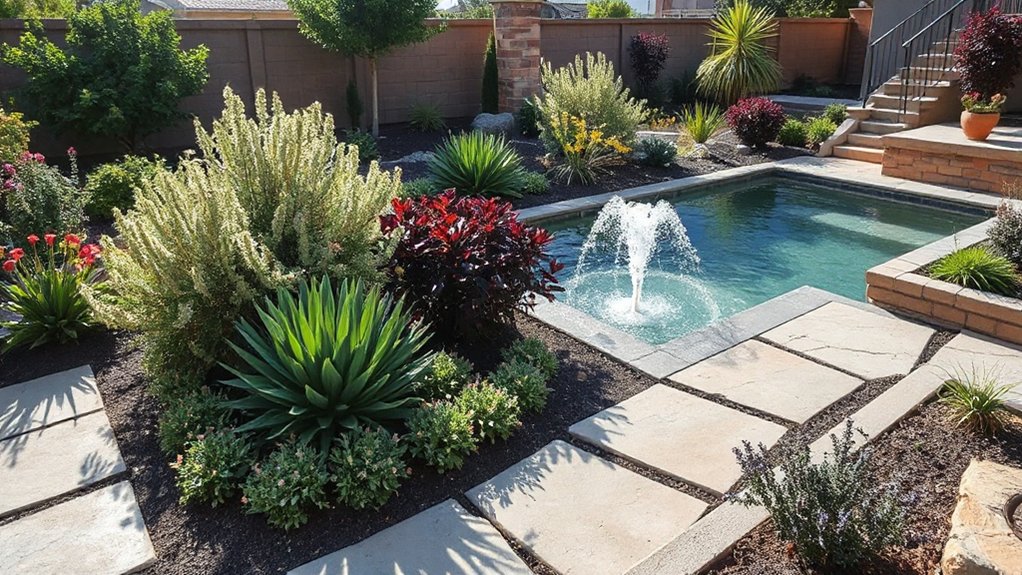
Efficient irrigation and well-placed water features deliver quick payback by cutting water waste, reducing maintenance, and boosting curb appeal. You’ll save on bills and stress while keeping your landscape lush with precise control and smart design.
- Rainwater harvesting systems paired with drip irrigation minimize runoff and deliver steady moisture where it matters.
- Drip irrigation zones tailor delivery to plant needs, reducing evaporation and overwatering.
- Quiet, energy-efficient features (pump, filters, and timers) create a low-maintenance focal point that enhances property value.
This approach blends practicality with aesthetics: durable materials, simple monitoring, and scalable options.
You gain reliability, faster recovery after drought, and a more attractive, water-smart yard that buyers notice and remember.
Seasonal Color for Instant Curb Appeal
Seasonal color is your fastest route to instant curb appeal, because the right blooms hit the eye and stay memorable long after you pull into the driveway. Focus on a cohesive palette that repeats across beds and containers for a united look. Choose a few reliable performers for each season, prioritizing bloom time, color intensity, and contrast against your home’s siding.
Limit variegated foliage to avoid visual clutter. Plan height by layering: tall perennials or annuals at the back, mid-height specimens mid-ground, groundcovers at the edge. Maintain clean edges, mulch evenly, and deadhead weekly during peak season.
Install low-maintenance options first to maximize long-term curb appeal without demanding constant upkeep. Seasonal color delivers immediate impact, boosting property value with minimal disruption.
Budget-to-Value: Prioritizing Upgrades for Maximum ROI
If you want to maximize value beyond curb appeal, shift focus to budget-minded upgrades that deliver high ROI. In this section, you’ll apply budget planning and smart investment strategies to choose projects that yield the largest bang for your buck.
Prioritize fixes that lower maintenance, extend lifespan, and appeal to a broad buyer base. Favor durable materials, scalable upgrades, and tasks you can complete in stages to manage cash flow.
Measure ROI by tracking costs versus expected resale lift, not just immediate aesthetics. Tackle high-impact improvements first, then refine with targeted enhancements.
- Focus on cost-effective, durable materials that reduce upkeep over time
- Schedule renovations in phases to align with cash flow and market conditions
- Quantify expected resale lift to guide every purchase and decision
Frequently Asked Questions
How Long Does It Take for Garden Upgrades to Recoup Cost?
You’ll usually recoup costs in 5–15 years, depending on scope and market. You should plan for garden design and efficient irrigation systems to boost appeal, save water, and shorten payback by delivering noticeable curb appeal and lower maintenance.
Which Plants Deter Pests and Require Minimal Care?
You’ll want pollinator friendly plants and drought resistant greenery that deter pests with minimal care. Plant herbs and marigolds near beds, and include lavender. You’ll reduce maintenance, attract beneficial insects, and enjoy a resilient, low-effort landscape.
Do Local Zoning or HOA Rules Affect Landscape Changes?
Yes, local zoning or HOA rules affect landscape changes. You must check Community regulations and obtain landscaping permits when required, to avoid fines, guarantee compliance, and streamline approvals for your outdoor project. Plan accordingly and document approvals.
How Do I Estimate Maintenance Costs After Installation?
You visualize a thriving yard and estimate like a navigator: track recurring tasks, seasonal pruning, and irrigation checks. Budget planning guides you, while cost analysis flags overruns; you compare quotes, schedule maintenance, and adjust as needed.
Are There Seasonal Timing Tips to Maximize Value?
Seasonal timing boosts curb appeal; plan seasonal planting during ideal windows and align with weather considerations to maximize value. You’ll plant early for spring bloom, mid‑season for continuous color, and consider drought-tolerant varieties for resilience.
Conclusion
Investing in your landscape pays off. Focus on low-maintenance, drought-tolerant plantings, durable hardscapes, and smart irrigation to slash upkeep and water bills. Create usable outdoor rooms and safe, inviting pathways to extend living space and boost appeal. An eye-catching, seasonal color plan seals the deal. Fun fact: homes with well-landscaped yards can see up to a 7–15% value bump at sale, and buyers pay a premium for low-maintenance landscapes. Prioritize ROI with practical, lasting improvements.