


If you want real value from landscaping, you’ll focus on curb appeal, durability, and usable space. Emphasize low-maintenance, native plantings, and durable hardscapes that endure weather and time. Add smart irrigation, wildlife habitats, and multi-functional outdoor rooms to boost appeal and efficiency. Plan with soil health in mind and prioritize high-visibility upgrades that buyers notice first. It’s about a clear ROI path, but you’ll want to explore the specifics that fit your property’s unique constraints.
Top Landscaping Projects That Boost Property Value (ROI)

Investing in the right landscaping projects can deliver solid, visible ROI by boosting curb appeal and lowering operating costs. You’ll prioritize features that appeal to buyers and tenants while remaining cost-conscious.
Begin with a focal point, such as garden art, that creates a visual anchor and signals quality. Choose durable materials, low-maintenance textures, and seasonal color to extend appeal year-round.
Integrate wildlife habitats that welcome birds and pollinators, signaling ecosystem awareness without expensive upkeep. Map irrigation efficiency to reduce water bills, and select native or well-adapted species to lower fertilizer and pruning needs.
Document expected payback by project, including installation costs, maintenance requirements, and energy or water savings.
Finally, guarantee design coherence with neighborhood norms to maximize resale confidence and market interest.
Low-Maintenance Plantings That Increase Curb Appeal and Cut Costs
Low-maintenance plantings can boost curb appeal while trimming upkeep costs, delivering tangible value for buyers and tenants. You’ll maximize visual impact with minimalist maintenance by selecting xeriscape design principles and low-water species.
Prioritize drought-tolerant, well-adapted native plants that thrive in your climate with minimal supplemental irrigation. Group plants by sun exposure and water needs to simplify scheduling and reduce waste.
Use mulch to suppress weeds, stabilize soil, and conserve moisture, then install weed barriers under plant beds to cut maintenance tasks.
Choose perennial shrubs and grasses that mature evenly, reducing pruning frequency and replacement costs. Plan for seasonal interest with color through foliage and flowers rather than high-input annuals.
Align plantings with property age and target market to boost perceived value and long-term savings.
Durable Hardscapes for Long-Term Savings
Durable hardscapes pay off over time by resisting wear, reducing maintenance, and preserving value. You’ll prioritize surfaces that stand up to weather, foot traffic, and heavy use, avoiding frequent repairs and replacements.
Choose durable materials, like concrete pavers, stamped aggregates, or natural stone, engineered for slip resistance and load tolerance. Proper installation matters as much as material choice; guarantee proper subgrade, drainage, and joint upkeep to prevent cracks and settling.
Long term savings come from lower maintenance cycles, fewer reseals, and reduced replacement costs, even in high-traffic zones. Plan for seasonal maintenance windows, sealants, and periodic inspections to catch issues early.
The result is a stable, attractive foundation that enhances resale appeal while keeping ongoing expenses predictable.
Buffer Zones and Privacy Buyers Notice
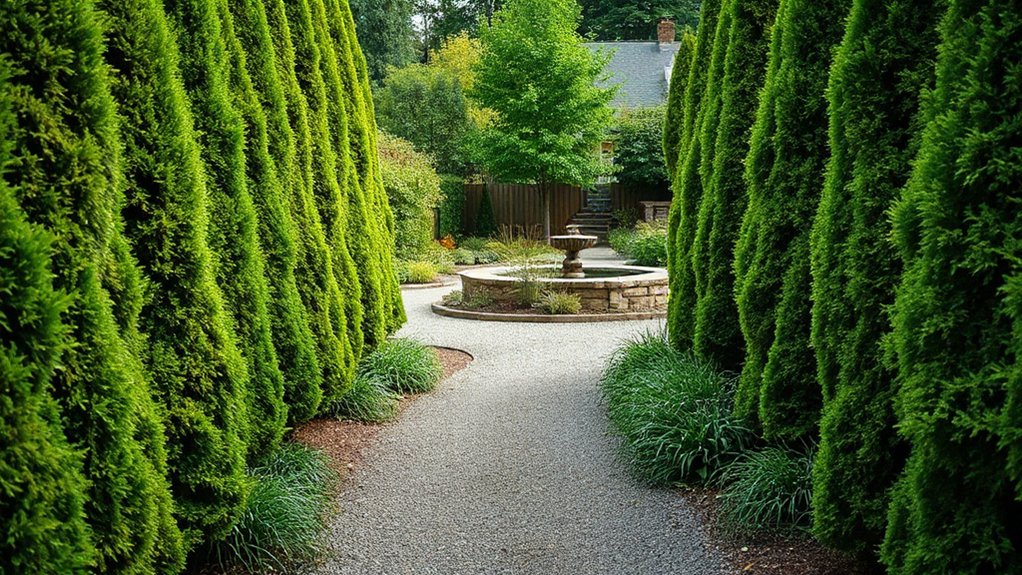
You’ll want to map privacy needs to actual property use, prioritizing visible screens and sound buffering where neighbors are close.
Buffer zones should prove effective in real-world scenarios, with clear measurements, plant selections, and maintenance plans that keep screening resilient over time.
Keep buyer notice implications front and center, outlining what potential buyers will see, how disclosures are handled, and the value those details bring to the sale.
Privacy Needs Considered
To protect privacy in outdoor spaces, homeowners should plan buffer zones that balance visibility, noise reduction, and yard usability, and clearly note them on the property’s disclosure and marketing materials.
You’ll want practical guidelines: define line-of-sight limits, specify plant maturity timelines, and document maintenance expectations to avoid buyer surprises.
Include how garden aesthetics integrate with screening—timing, spacing, and height matter.
Detail any needed landscape lighting to preserve safety without creating glare or signaling private zones.
Outline acceptable noises and screen materials, plus maintenance responsibilities for the buffers.
Present tangible metrics: buffer width, plant species, irrigation needs, and expected growth rates.
This clarity helps buyers evaluate value, while protecting privacy without compromising curb appeal.
Buffer Zone Effectiveness
How effective are buffer zones at preserving privacy without sacrificing curb appeal or marketability? You’ll evaluate composition, height, and placement to balance screening with light and view lines.
A well-designed buffer zone acts as a privacy barrier, using evergreens, layered shrubs, and groundcover to create dense, year-round coverage. It should promote sound dampening, reduce wind, and limit sightlines from nearby streets and neighbors while maintaining a welcoming facade.
Consider maintenance needs, growth rate, and variability across seasons; slow-growing trees can delay results, while fast-growers may require pruning for shape. Guarantee accessibility for irrigation, pruning, and replacement.
Documents and plans should underscore predictable performance, helping buyers perceive added value without implying high ongoing costs.
Buyer Notice Implications
Buffer zones aren’t just about privacy; they’re a tangible disclosure that buyers will weigh. When you present properties with buffer zones and clear neighborhood restrictions, you help buyers assess ongoing costs and compliance risk.
You’ll want to highlight how landscaping regulations shape maintenance expectations, signage, and permitted plantings, so buyers don’t uncover surprises after closing. Transparency about buffer-related rules can speed negotiations and reduce post-sale friction.
- Clarify who enforces local landscaping regulations and how violations affect resale value.
- Outline any required buffer maintenance schedules, rainfall considerations, and allowed plant types.
- Explain neighborhood restrictions, including setback variances, guardrails, or seasonal restrictions that impact curb appeal.
Front Yard Curb Appeal Upgrades That Attract Buyers
You’ll make a strong first impression by prioritizing plantings to impress and ensuring trimmed edges create crisp, inviting lines. Clear, well-defined borders and tidy edging signal care and value to buyers while framing key focal points.
When you pair thoughtful plantings with precise trimming, you boost curb appeal and present a ready-to-maintain landscape that buyers notice.
Plantings To Impress
- Choose a dominant focal plant with year-round presence, then layer color through carefully selected native species and flowering companions.
- Schedule bloom windows so there’s continuous texture from spring to fall, enhancing perceived value.
- Use mulch, edging, and smart irrigation to reinforce a tidy, low-maintenance narrative.
Trimmed Edges Impact
Trimmed edges are a quick, high-impact upgrade for curb appeal that buyers notice first. When you refine lawn borders and bed lines, you create clean sight lines that guide the eye toward focal points. This isn’t decoration; it’s landscape framing that signals care and investment.
Precise cuts reduce trimmings spilling onto walkways, improving safety and first impressions. Use a durable lawn edge or steel edging to maintain a crisp boundary year-round, which helps your property look professionally maintained between visits.
Consistency matters: match edge treatments to overall garden style and house architecture. From a buyer’s perspective, trimmed edges imply low ongoing maintenance.
In short, sharp borders boost perceived value and support stronger appraisals without expensive heavy lifting.
Efficient Irrigation and Water-Saving Systems
Efficient irrigation saves water, reduces bills, and protects your landscape, so start with a smart plan that targets needs, not guesswork. You’ll maximize value by choosing efficient systems, pairing smart watering with drought tolerant plants, and monitoring performance to cut waste.
Design decisions should prioritize zone-specific runtimes, soil type, and weather data to avoid overwatering and runoff. In markets where water costs rise, precise irrigation signals become a selling point for buyers seeking low-maintenance, durable landscapes.
1) Implement weather-based controllers that adjust to local rainfall and temperature.
2) Use drip lines and emitter spacing tailored to plant needs and soil depth.
3) Retrofit with moisture sensors to pause irrigation when moisture suffices.
Smart watering and drought tolerant plants drive long-term savings, resilience, and curb appeal.
Outdoor Living Spaces That Expand Usable Square Footage
Outdoor living spaces can extend your functional square footage by creating weatherproof entertaining areas, multi-functional patios, and seamless indoor-outdoor flow. You’ll want durable materials, smart layout, and shade or shelter that withstands year-round use, so every square foot counts.
This discussion centers on how these elements boost value by delivering versatile outdoor rooms that attract buyers and justify premium pricing.
Outdoor Living Expansion
Can expanding your outdoor living space truly boost usable square footage and real estate value? Yes—when you design smartly, you create functional rooms that blend with the landscape. Focus on durable materials, clear sightlines, and scalable layouts that invite Year‑Round use.
A well-planned expansion can improve curb appeal, drive buyer interest, and support faster sales at a premium. Keep maintenance minimal by selecting low‑effort greenery and built‑in storage. Integrate garden art as focal points and wildlife habitats to enhance desirability without sacrificing usability.
The result is a practical, market-ready extension that reads as extra square footage, not an afterthought.
- Define zones for dining, lounging, and cooking with weatherproof transitions
- Use scalable, modular furniture and lighting for flexible occupancy
- Incorporate garden art and wildlife habitats to elevate ambiance and value
Weatherproof Entertaining Areas
Prioritize materials that resist sun fade, moisture, and temperature swings, such as powder-coated metals, composite decking, and high-performance textiles. An accessible layout that *shift* to indoor rooms boosts usability during rain or frost, while integrated shading and heating expand hosting windows.
Choose durable furnishings and weatherproof electrical finishes to reduce maintenance and replacement costs. This approach appeals to buyers seeking practical, low-oversight living spaces with proven durability and value.
Multi-Functional Patios
A well-planned patio considers circulation, material durability, and seasonal comfort, so it remains functional year-round. Think modular furniture, weather-friendly surfaces, and integrated storage to minimize clutter.
Maintain curb appeal with thoughtful garden lighting that highlights features and adds safety at night, while lawn maintenance remains straightforward with proper grading and drainage.
Here are three high-impact ideas:
1) Create zones for cooking, lounging, and dining with movable screens or Pergolas.
2) Choose low-maintenance, durable materials suited to your climate.
3) Integrate smart irrigation and lighting controls for energy efficiency and appeal.
Seasonal Maintenance Planning to Protect Resale Value
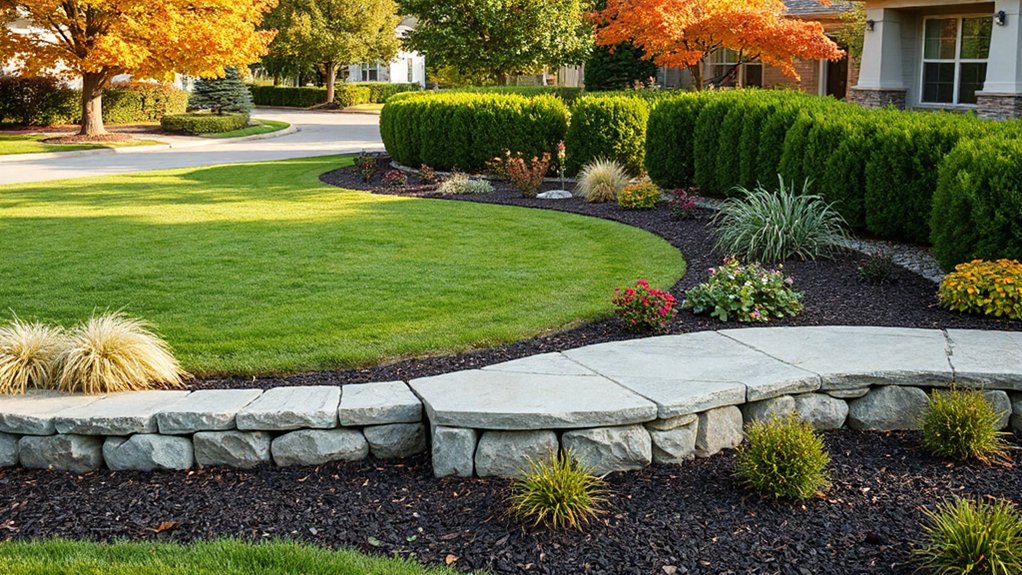
Seasonal maintenance planning is essential to safeguard resale value, so you should map a year-round calendar that aligns tasks with each season’s conditions. You’ll target curb appeal in spring with healthy growth, then lock in summer energy and drought resilience, fall cleanup, and winter protection.
A practical plan reduces surprise bills and preserves plant health, increasing buyer confidence. Schedule seasonal pruning to shape structure and remove weak growth, minimizing pest risk and disease.
Plan mulch application before heat and freeze cycles to preserve moisture, suppress weeds, and improve soil texture. Track irrigation tuning, fertilization windows, and pruning cut timing to avoid stress.
Document results, costs, and timing to justify upgrades to buyers. This disciplined approach communicates value, differentiating your property in a crowded market.
Prioritizing Projects for Maximum ROI: A Budgeting Guide
Prioritizing projects for maximum ROI starts with a clear, data-driven budget that ties every upgrade to measurable value. You’ll rank options by impact-to-cost, expected resale lift, and time to completion, then allocate funds to high-ROI moves first.
Track benchmarks for property appeal, maintenance savings, and market demand to stay objective, not wishful. Focus on Garden design and Soil improvement as core levers, but don’t neglect ancillary gains from irrigation, lighting, and accessibility.
Your plan should be adaptable, with contingency lines for price swings and supplier delays.
- Prioritize high-visibility garden design up front to maximize curb appeal and buyer interest.
- Invest in soil improvement to boost plant health, lower maintenance costs, and long-term value.
- Reserve a contingency fund to protect ROI against unexpected costs.
How to Choose a Landscape Professional for Value-Driven Results
Choosing a landscape professional is a value decision, not just a project choice, so you should start by defining what you need—budget, timeline, and expected ROI—and then assess fit against track record, pricing transparency, and maintenance posture.
Start with a short list of must-haves and nice-to-haves, then verify portfolio relevance to your climate, soil, and style.
Prioritize firms who clearly outline scoped deliverables, milestones, and contingency plans. Ask for client references and long-term maintenance philosophy—do they handle lawn care and garden furniture layouts, and how they source materials?
Compare bids for transparency, warranty terms, and post-project support. Guarantee compatibility on communication cadence and decision speed.
Conclusion: choose a partner who aligns value with execution and future-proofing of your outdoor space.
Frequently Asked Questions
How Long Does ROI Typically Take to Realize After Landscaping?
Typically, you’ll see ROI realized within 1–3 years after installation, depending on scope. Factor in garden design and irrigation systems upgrades; they boost appeal, efficiency, and maintenance savings, accelerating buyer interest and market value in practical, market-focused terms.
Which Plants Deter Pests Without Harming the Home Resale Value?
Native plants and pest repellent shrubs deter pests without harming resale value, you’ll notice lower maintenance and market appeal. You’ll choose drought-tolerant natives and aromatic shrubs, layering beds strategically to maximize curb appeal, resilience, and buyer confidence.
Do Landscaping Upgrades Affect Home Insurance Premiums?
Yes, landscaping upgrades can influence premiums. You’ll often see reductions with clear garden design and well-installed landscape lighting enhancing safety, maintenance costs, and risk profiles, which insurers consider when pricing your home insurance. Compare quotes to maximize savings.
What Tax Incentives Exist for Landscape Improvements?
Tax credits tempt you to treat terrain thoughtfully; incentive programs provide practical pathways, promising potential cost relief. You’ll leverage legislative levers, maximize deductions, and plan proactively, prioritizing price-efficient projects that pay back through saved taxes and painted property appeal.
How Should I Prioritize Projects for a Fast Resale Timeline?
To fast-track resale, prioritize curb appeal and quick ROI: upgrade garden aesthetics with low-maintenance plants, add outdoor lighting for safety and ambiance, and guarantee strong drainage; focus on visible value, durability, and market-grade finishes to attract buyers.
Conclusion
You’ve got a clear roadmap: prioritize durable, low-maintenance plantings, sturdy hardscapes, and multi-use outdoor spaces that buyers can imagine as living areas. Target ROI with smart irrigation, privacy buffers, and high-visibility curb appeal, then back it up with a solid maintenance plan. The takeaway: invest where value compounds—first impressions, lasting durability, and usable space. The future-proofed landscape isn’t just beautiful; it’s a seller’s proof of practicality, proving you’ve thought through every dollar and detail.