
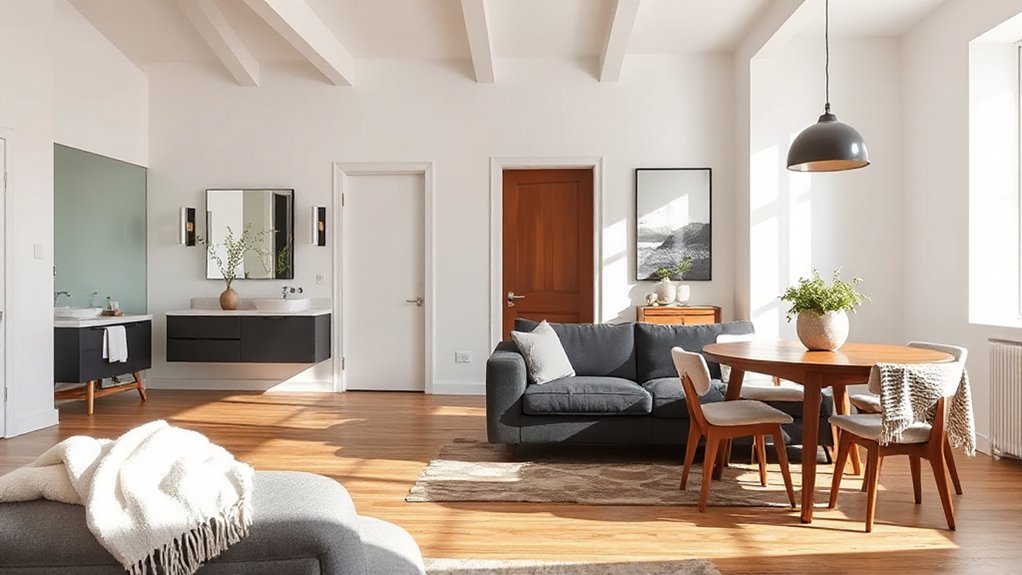

You may not realize that small, strategic upgrades can lift your rent potential without a big outlay. Start with cost-effective, high-appeal fixes—neutral paint, durable flooring, and modern lighting—then boost curb appeal with tidy landscaping and inviting entry lighting. You’ll see how interior details like smart features and quality fixtures influence perceived value, while a clear plan keeps costs and timelines in check. Curious how to sequence these for maximum return without overhauling your whole property?
Identify Rental ROI-Worthy Upgrades
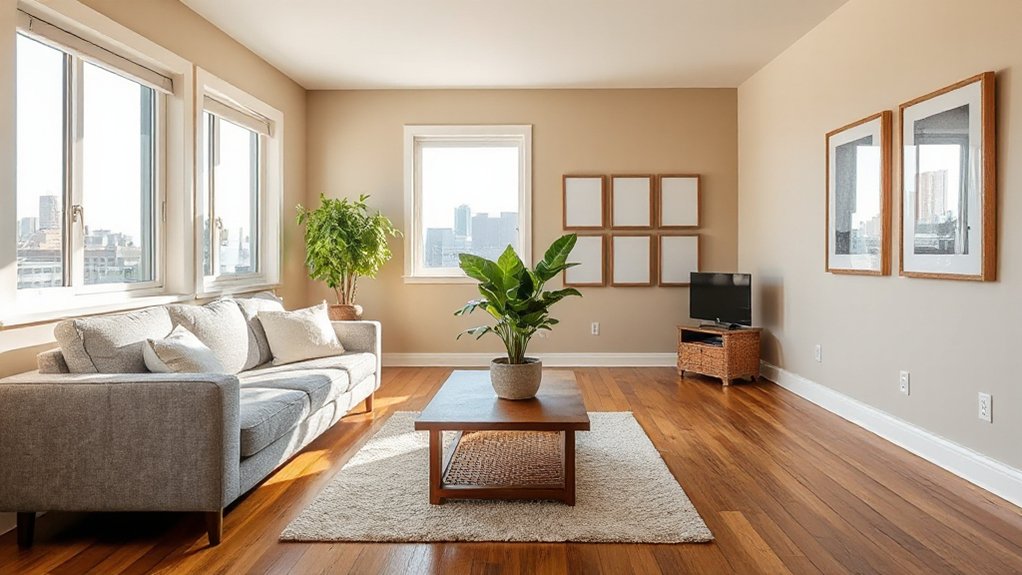
To identify ROI-worthy upgrades, start by comparing upfront costs to expected monthly gains and long-term value. You’ll map each option against tenant satisfaction, because happy tenants stay longer and reduce turnover costs.
Prioritize improvements with broad appeal—efficient lighting, durable flooring, fresh paint in neutral tones, and modern fixtures that feel premium without overcommitting budget.
Consider upgrade timing: align projects with lease renewals or slow-season lulls to minimize vacancy risk.
Deliberate on energy-efficient systems and low-maintenance materials that cut ongoing expenses and appeal to eco-conscious renters.
Measure anticipated monthly returns, then validate with market comparables and cap rate expectations.
Document a simple scoring rubric: cost, monthly impact, maintenance load, and tenant feedback.
Your goal is a thoughtful, repeatable process that delivers reliable, aesthetic upgrades.
Budget-Friendly Curb Appeal Fixes That Pay Back
Curb appeal pays off fast, especially when you use a few budget-smart tweaks that create a strong first impression without breaking the bank. You’ll focus on clean lines, cohesive color, and purposeful greenery to maximize impact.
Start with simple landscaping ideas: trim overgrowth, mulch beds, and add native perennials for seasonal texture. Choose two or three focal plants with contrasting foliage to frame the entry.
Use fresh front-door paint in a durable tone that complements siding and windows, plus a sturdy house number for readability.
Exterior lighting should be practical, low-cost, and inviting—install solar path lights and a warm porch glow to extend coverage and safety.
Keep the layout symmetric, avoid crowding, and make sure sidewalks are free of cracks. These details boost perceived value without major expense.
Modernize Interiors to Command Higher Rents
Updating interiors is where you turn that fresh curb appeal into tangible rental value. You’ll elevate spaces by choosing a cohesive palette, durable textures, and purposeful lighting that highlights architecture without overwhelming it.
Focus on layout refinements: guarantee flow from living to kitchen feels intuitive, with clear sightlines and ample outlets. Upgrade key touchpoints first—bathrooms and the kitchen—using luxury fixtures and high-end appliances where possible, prioritizing water flow, finish quality, and efficiency.
Select fixtures in matte or satin finishes to hide fingerprints and wear. Implement smart storage solutions that don’t crowd rooms, like built-ins and under-bench drawers.
Opt for mid-to-high quality materials with good warranties, and keep maintenance in mind with easily cleanable surfaces. This approach yields perceived value without overcapitalizing.
Smart, Maintenance-Saving Upgrades for Rentals
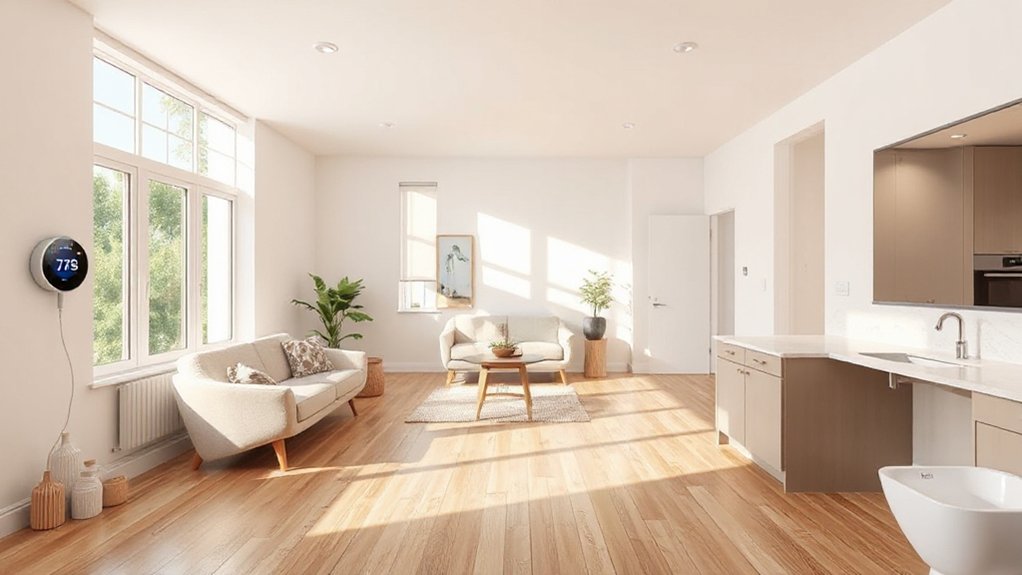
Smart, maintenance-saving upgrades keep your rental ready for the long haul and your expenses in check. You’ll lean into practical, durable improvements that blend function with style.
Install smart technology for lighting, climate, and security so you can monitor conditions remotely and reduce wasteful usage.
Choose energy-efficient appliances with weather-sealed doors to minimize drafts and noise.
In kitchens and baths, durable finishes—porcelain, quartz, scratch-resistant surfaces—keep maintenance low while staying visually appealing.
Embrace smart sensors that flag unusual activity or humidity, aiding proactive maintenance management.
Opt for modular plumbing and expandable electrical boxes to simplify future fixes without major invasions.
Document warranties and service cycles so you and your team stay on top of upkeep, preserving value and tenant satisfaction.
Prioritize, Budget, and Schedule for Fast ROI
To fast-track ROI, start by listing improvements that deliver the highest value per dollar and the quickest tenant impact. Then map them to a tight budget and schedule.
You’ll prioritize updates that unlock reliable rent increases and lower vacancy, like durable finishes, fresh curb appeal, improved lighting, and a quieter, safer entry.
Create a phased plan that aligns with turnover windows and lease timing.
Budget conservatively but realistically, reserving a contingency for unseen costs.
Dimension each upgrade by impact: estimate monthly rent lift, maintenance savings, and tenant satisfaction.
Integrate tenant screening refinements and clear lease agreements into your process to reduce turnover friction.
Schedule tasks with precise deadlines, responsible parties, and inspection checklists, then track progress weekly to maintain momentum and prevent scope creep.
Frequently Asked Questions
How Do I Measure Our Target ROI Before Upgrading?
You measure ROI first by projecting cash flow and costs, then compare to your cap rate. Do a market analysis and factor property depreciation to refine the target ROI before upgrading. Adjust assumptions until the metric aligns with your goals.
Which Upgrades Add the Most Value per Dollar Across Neighborhoods?
Did you know luxury upgrades raise rents up to 5–10% on average? You’ll prioritize energy efficiency, upgrading windows, insulation, and appliances, then pair them with tasteful finishes; you’ll see lasting value across neighborhoods and stronger tenant appeal.
What Legal or Permit Considerations Affect Rental Renovations?
You must check zoning regulations and secure building permits before renovations, to avoid fines and delays; plan aesthetically, document details, and confirm setbacks, occupancy limits, and contractor licensing, ensuring compliance while you maximize function, safety, and tenant appeal.
How Can I Minimize Tenant Disruption During Upgrades?
Imagine a landlord who paused a renovation during move-ins and saved 20% downtime. You minimize disruption by clear Tenant communication and smart Upgrade timing, scheduling noise-intensive work between tenants’ stayovers, and providing updates, timelines, and access windows.
What Financing Options Optimize Cash Flow for Improvements?
You can optimize cash flow by using tax incentives and loan options that fit your project, sourcing flexible repayment terms, preserving aesthetics, and prioritizing high-ROI upgrades, so you keep momentum, minimize costs, and maximize long-term rental income.
Conclusion
You refresh a rental to attract more tenants, to shorten vacancies, to boost income. You upgrade with eye-catching lighting, durable floors, and neutral paint, you enhance curb appeal with simple landscaping and welcoming entry lighting, you modernize interiors with smart tech and quality fixtures, you schedule repairs, you monitor costs, you track ROI. You choose priorities, you budget wisely, you plan strategically, you execute cleanly, you maintain consistently, you reap higher rents, you enjoy steady occupancy, you maximize returns.