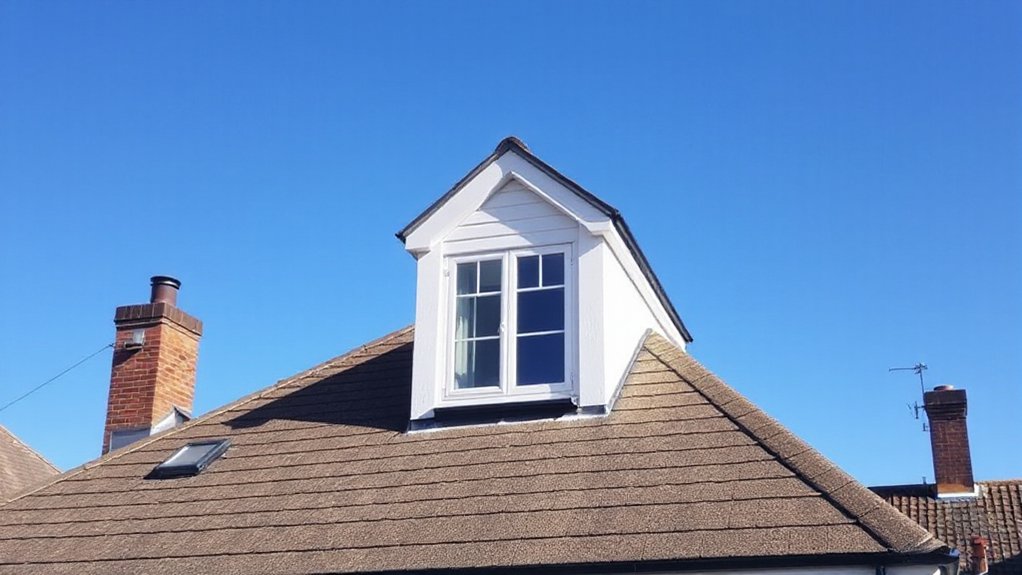

You may not realize that many loft dormers don’t need full planning permission if they fit strict size, height, and appearance rules. But the lines between permitted development and formal approval can blur quickly, especially in conservation areas or near listed buildings. You’ll want to pin down local constraints, then map out whether your design stays within PD limits or requires a formal plan. There’s more to weigh before you act, and it all starts with checking the specifics for your property.
Do Loft Dormers Need Planning Permission?
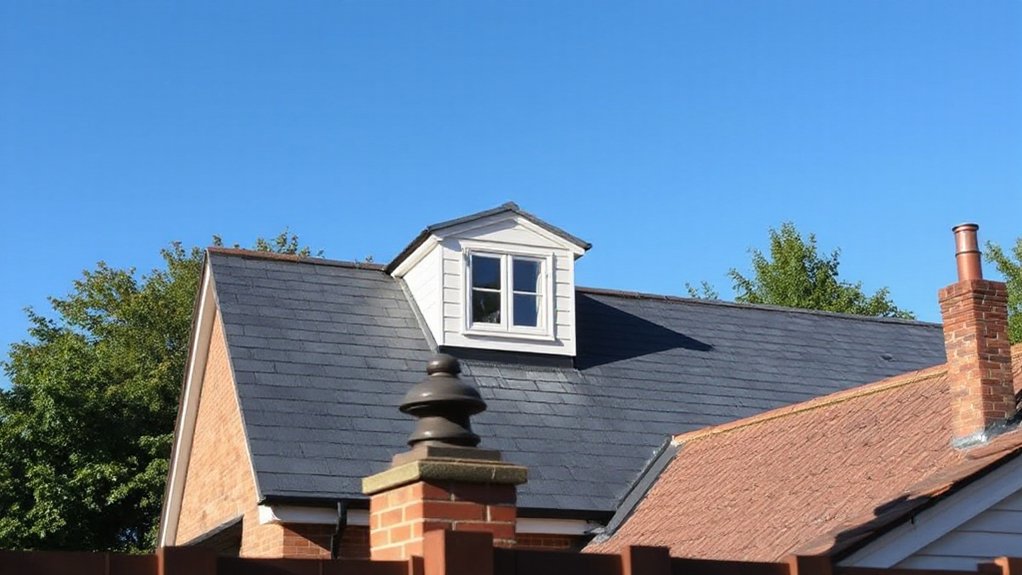
In most cases, loft dormers do require planning permission, but it depends on location and the specifics of the work. You’ll assess whether the project changes a dwelling’s height, extends its footprint, or alters front-facing features, since these factors trigger rules.
If you’re within permitted development, you still must verify size limits and exclusions with your local authority. You’ll document the design and materials to guarantee consistency with your home’s exterior.
Inside, plan for interior decor that aligns with ceiling height changes and natural light, avoiding bulky built-ins that reduce space.
Energy efficiency should guide choices: add insulation, install efficient glazing, and seal drafts to minimize heat loss.
Keep records of calculations, drawings, and approvals for smooth progression and future resale clarity.
Loft Dormer Permitted Development: The Quick Read
You’ll want a quick read on Loft Dormer Permitted Development, focusing on the PD limits, height and depth rules, and the consent and conditions that apply.
We’ll outline what counts as permitted, where thresholds matter, and what approvals or notices you might still need.
This sets the stage for precise, practical steps you can take to stay compliant.
Loft Dormer PD Limits
Loft dormer limits define what you can add under Permitted Development without planning permission. As you plan, you’ll focus on size, projection, and overall look to stay within the PD box.
You typically can extend 1.2 meters beyond the original roof plane for terraced homes, or 3.5 meters for detached properties, subject to overall volume constraints.
You’ll need to keep materials matching or sympathetic to the existing structure, and avoid altering the roof’s existing slope to a dramatic degree.
Consider interior insulation and ventilation during planning, ensuring the space remains habitable and energy-efficient.
Roofing materials should be compatible with weatherproofing and fire safety rules.
Always verify local limitations, and consult the planning authority if you’re near a boundary or conservation area.
Height And Depth Rules
Orientation matters: a dormer should align with the roof slope and preserve drainage paths. Factor roofline symmetry, glazing placement, and headroom to maintain practicality. When calculating area, include only the dormer envelope, not existing attic space.
Design aesthetics matter: a well-proportioned dormer blends with the roofscape and preserves internal feel. Energy efficiency counts, too—trim external heat loss with appropriate insulation, air sealing, and high-performance glazing where feasible.
Consent And Conditions
Consent under permitted development for a loft dormer hinges on meeting specific conditions set by planning rules. You’ll need to verify size, height, and position limits, plus materials and drainage specifics. If you fail any criterion, you’ll risk a refusal or enforcement action. Plan to document exact dimensions and site photos for your records.
- Check whether the dormer stays within the approved envelope and doesn’t increase overall roof height beyond limits.
- Guarantee the materials blend with the existing roof, favouring eco friendly materials where possible.
- Confirm that openings, side-facing glazing, and targets for light don’t overlook neighbours.
- Align interior design goals with fire safety, drainage routes, and accessibility to comply with permitted development conditions.
When Loft Dormers Fall Outside Permitted Rights
If your loft dormer falls outside standard permitted rights, you’ll need to act quickly to avoid penalties or enforcement actions.
When that happens, you should first assess how far the design strays from permitted criteria, then document concrete deviations. Check height, footprint, and roof slope against local rules, and note any alterations to materials or openings.
You’ll want a clear plan to either revert features or pursue an alternative route. Engage a planning consultant or the local planning authority early to understand enforceable timelines and potential remedies.
In parallel, consider design aesthetics and material selection that align with neighboring properties if you pursue mitigation, ensuring any changes stay technically feasible and visually harmonious.
Prompt, precise action reduces risk and clarifies next steps.
PD vs Building Regulations: What Governs a Dormer?
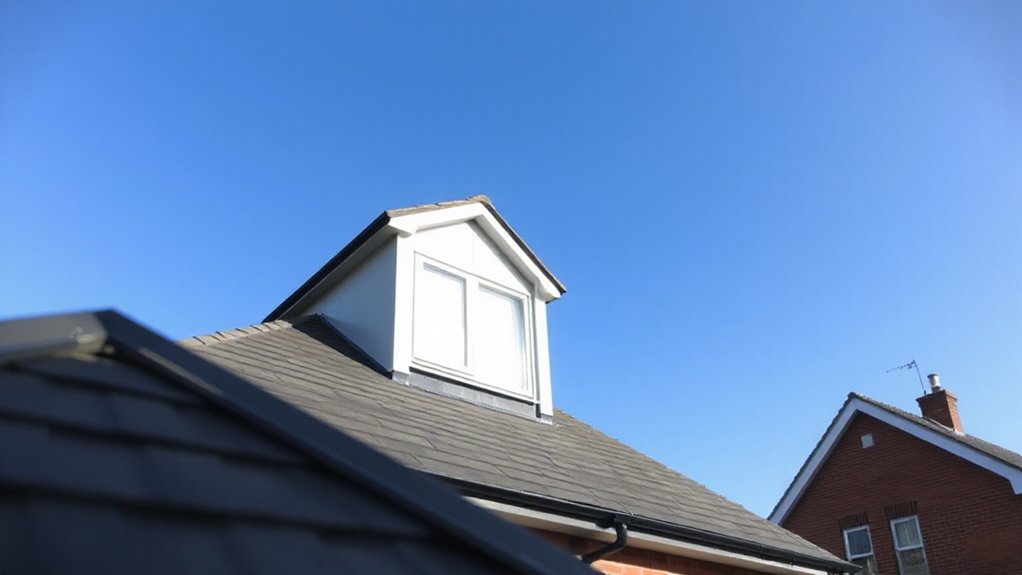
You’ll compare PD Rules with Building Regulations to see which governs a dormer in practice.
We’ll map the PD Boundaries against the Building Regs to spot where each applies, and flag any overlaps that affect design, exemptions, and consent.
Start by noting Dormer Compliance Thresholds for both paths so you can decide what’s required before you draw up plans.
PD Rules Overview
PD rules can be a maze, but understanding what governs a dormer starts with a clear distinction: permitted development (PD) rights set the baseline, while building regulations guarantee safety and performance.
1) PD determines size, height, and location limits for many loft dormers without full planning permission, but it won’t cover structural integrity or ventilation needs.
2) You’ll need Building Regulations for workmanship, thermal performance, and fire safety even when PD applies.
3) Key topics to verify include roof insulation and ventilation systems to prevent heat loss and condensation.
4) Always check local exemptions and any prior approvals that might modify standard PD allowances.
In practice, assess insulation levels, confirm proper venting, and document compliance steps early to avoid delays.
Building Regs Boundaries
Do PD rights truly cover all you need for a loft dormer, or do Building Regulations still gate the project’s safety, performance, and durability? You’ll find that PD grants simplify scope, but Building Regulations manage critical competence, especially structural integrity and fire safety.
In practice, you’ll align designs with regs that affect foundations, load paths, and insulation, ensuring compliance before work begins. You’ll engage structural engineering input to verify framing choices, roof intercepts, and water protection meet performance targets.
Interior finishes must satisfy fire resistance and detailing standards, not just aesthetics, while ventilation and moisture control stay within regulatory expectations. Coordination between PD limitations and Building Regulations minimizes rework, expedites approvals, and protects long-term performance.
Dormer Compliance Thresholds
Dormer compliance hinges on where PD rights end and Building Regulations begin, so you’ll need to map thresholds carefully. PD criteria govern size, projection, and siting, while Building Regulations address safety, structural integrity, and energy performance.
To navigate confidently, focus on these thresholds:
- Loft insulation: guarantee U-values meet current standards without creating excessive dormer mass.
- Roof ventilation: preserve adequate airflow to prevent condensation and mold.
- Fire safety: escape routes and compartmentalization remain compliant under Building Regulations even if PD rights apply.
- Structural changes: any significant alteration to load paths triggers Building Regulations oversight, not PD limits.
Always verify with a quick plan-check: compare PD limits first, then cross-check against regulatory criteria to avoid surprises.
How to Check Local Constraints for Loft Dormers
First, you’ll need to identify the local planning authorities and check both local development plans and any neighborhood-specific rules that govern loft dormers.
Next, review designated certificates and policy maps to confirm parcel limits, height restrictions, and boundary setbacks that could affect your build.
Check for constraints tied to listed buildings, conservation areas, or flood zones, and note any screening or approval windows that could delay progress.
Consult neighborhood planning forums or conservation officers for nuance, such as sightline considerations or roof slope impacts on neighboring properties.
Assess how interior design choices and energy efficiency measures align with constraints—think ceiling heights, skylight placement, and insulation standards.
Compile source references, keep a tidy record, and plan contingencies for possible amendments.
Loft Dormer Styles You Can Use Under Rules
1) Gable dormer with a slim silhouette for extra headroom
2) Thatcher-style dormer to reduce bulk and maintain low profile
3) Shed dormer for straightforward construction and space gain
4) Eyebrow or narrow dormer to preserve steep roof lines
Consider garden landscaping implications and guarantee drainage remains sound.
Check solar panel regulations if you plan panels on nearby surfaces to avoid shading issues.
Aim for a balanced look that respects the rules and preserves exterior cohesiveness.
Step-by-Step Permitted Development Checklist for Loft Dormers
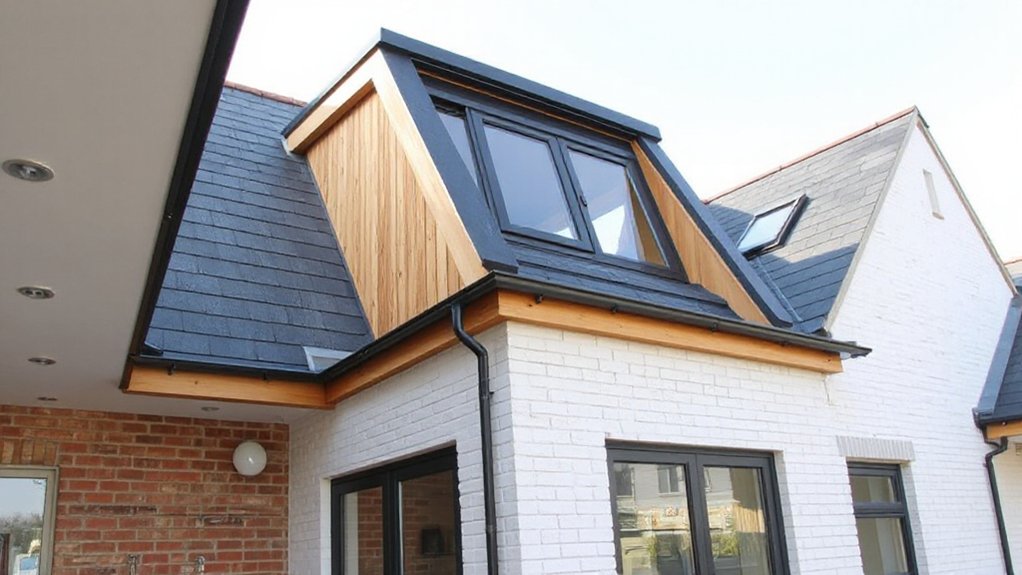
Planning permission under permitted development for loft dormers follows a tight, stepwise path to keep your project compliant and on schedule.
You begin by confirming eligibility: the dormer must respect height, eaves, and the 40% addition rule if attached to a house, and you should verify local authority carve-outs.
Next, compile a checklist: owner-occupation status, site boundaries, and existing extensions.
Document detailed plans, including interior renovation implications and access routes.
Assess structural impact, ensuring roof structure can support the dormer without compromising stability.
Schedule essential roof maintenance tasks before construction to prevent leaks.
Confirm materials comply with building regs, and secure any necessary neighbour notices.
Finally, submit supporting drawings and a descriptive note, then await confirmation before proceeding with trades.
How Size, Height, and Volume Limit Your Dormer
Your dormer’s size, height, and volume aren’t just about maximizing space—they determine planning-permission viability and long-term practicality. When you assess dimensions, you balance usable area with visual impact, light, and roof loads.
Too large or tall, and you trigger limits or the need for approvals; too small, and you waste potential. Size and volume influence attic usability, future alterations, and sale appeal.
Consider materials and integration with existing roof lines to avoid awkward joins or coverage issues. Loft insulation and roof ventilation must be planned concurrently to prevent heat loss and condensation.
- Verify maximum height and footprint before design.
- Calculate volume to ensure compliant floor area.
- Align dormer width with internal room proportions.
- Plan insulation and ventilation for efficiency and longevity.
Projections, Eaves, and Roofline: What’s Allowed
When you assess projections, eaves, and roofline for a loft dormer, start by matching them to your local planning rules and the existing roof geometry. You’ll check setback requirements, maximum height, and depth limits to keep proportions balanced with the house face.
Align projections with the ridge line to avoid excessive silhouette changes, and guarantee eaves overhangs don’t crowd nearby structures or create drainage issues.
Consider timber or steel framing implications for structural integrity, and confirm that any fascia, soffit, and gutter details stay within permitted finishes.
In practice, coordinate with interior design goals to hide bulky hardware and preserve sightlines.
From a structural engineering perspective, verify loads, weatherproofing, and thermal breaks to maintain performance and safety.
Working in Heritage or Conservation Areas: Key Rules
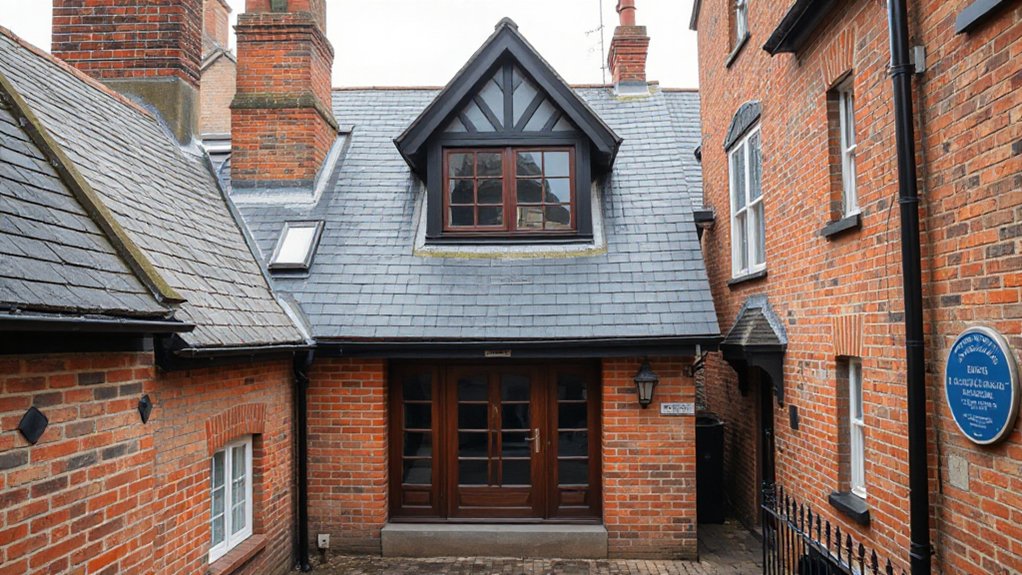
Working in heritage or conservation areas changes how you approach loft dormer projects. You’ll need to respect surrounding character, seek pre-application guidance, and check local listing or designation notes before drawing plans.
Expect stricter scrutiny of materials, alignment, and late-adding features that might alter streetscape. You’ll also coordinate with conservation officers to minimise impact on garden landscaping and interior lighting decisions.
- Confirm jurisdiction requirements and heritage constraints before drafting any design.
- Choose materials and rooflines that echo existing character while meeting functional needs.
- Plan façade and window placements to harmonise with adjacent properties.
- Document design rationale, including landscaping and lighting considerations, for approval.
Consult early on landscape and lighting impacts to avoid delays; stay precise and concise.
What Happens If You Exceed Permitted Rights
If you exceed permitted development rights, you may trigger enforcement actions and the need to revert or modify the work.
You should act quickly to understand the specific overreach, potential remedies, and any retrospective steps that could apply.
We’ll outline consequences, penalties, and practical steps to fix or regularize the situation.
Exceeding Permitted Development Rights
- Confirm the overreach by comparing actual works with permitted plans and consolidating dates with your local authority.
- Gather documentation, including site photos, elevations, and any approved drawings, to support a case.
- Seek professional advice to assess whether retrospective planning is viable and what risks exist.
- Prioritize essential measures, like ensuring Loft insulation and Roof ventilation meet current standards while negotiating remediation options.
Consequences And Remedies After Overreach
What happens if you exceed permitted rights? You may face enforcement action or a retrospective planning application.
Local authorities can require demolition, partial demolition, or alterations to bring your loft dormer back into line with permitted development. If you’re noticed for overreach, you should gather evidence of construction dates, plans, and approvals, then consult a planning officer early to discuss remedies.
Addressing issues promptly often reduces penalties and speeds resolution. Common remedies include applying for a lawful development certificate, negotiating a breach, or obtaining explicit consent for modifications.
In practical terms, verify your loft insulation is correctly installed and that any dormer ventilation meets building control standards. Correcting insulation gaps and venting problems helps avoid further enforcement and improves energy performance.
How to Prepare a Loft Dormer Planning Application
Planning a loft dormer planning application demands a clear, methodical approach. You’ll prepare every detail to avoid delays, focusing on precision and practicality. Key steps ensure your submission stands up under scrutiny and speeds approval.
- Compile a robust plan set, including site layout, elevations, and floor plans, with exact measurements.
- Detail Loft insulation specifications and thermal performance targets to support energy compliance.
- Draft a Dormer design that clearly shows integration with existing roof lines, materials, and finishes.
- Attach supporting documents, such as drainage, party-wall notices, and access rights, flagged for reviewers.
Reviewers expect clarity, consistency, and accurate calculations. Double-check every figure, ensure terminology is correct, and keep designs aligned with local guidelines for a smoother process.
Common Planning Objections and How to Address Them
Common planning objections often focus on impact, compliance, and practicality. You’ll typically hear concerns about visual intrusion, loss of light, and overlooking neighbors. You address them with precise measurements, sloped roof lines, and respectful heights.
Explain how your dormer aligns with existing proportions and streetscape, and provide rendered elevations that show roof pitch, materials, and window placement.
For energy efficiency, cite insulation values, airtight construction, and high-performance glazing, with U-values and air tightness targets.
In terms of interior design, outline practical layouts, room usage, and ceiling heights that maximize usable space without creating claustrophobic corners.
Anticipate enforcement checks by supplying compliance statements, updated drawings, and a clear construction timetable to reduce perceived risk and reassure planners.
Cost Tradeoffs: Planning Fees vs Building Regs
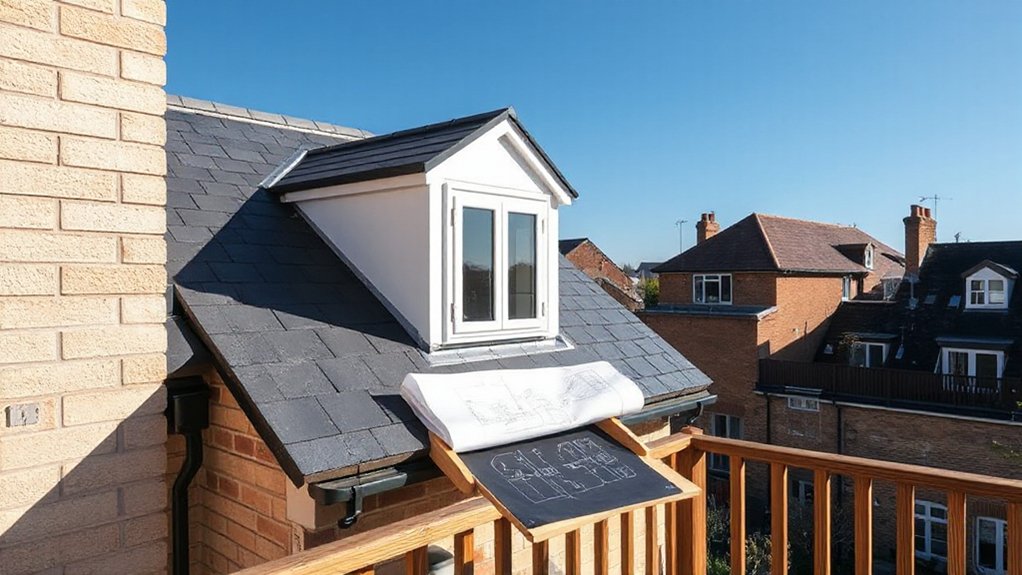
You’ll weigh planning fees against build costs and how each choice affects your overall budget for the loft dormer.
Consider how building regulations add potential compliance costs, schedule impact, and structural requirements that can shift total expenditure.
This starts a practical discussion on balancing upfront fees with ongoing regulatory demands to optimize value and risk.
Planning Fees vs Build Costs
When you weigh planning fees against build costs, the tradeoff isn’t simply about sticking to a budget—it’s about how approvals can shape the project scope and timeline. You’ll want to balance upfront fees with long‑term value, since approvals can lock in certain design choices and inspection milestones.
Consider these cost dynamics:
1) Planning fees may cover feasibility, saving later redesign costs.
2) Building regs compliance often drives specific materials and methods, impacting unit costs.
3) Delays from approvals can extend financing and construction timelines.
4) Some features (like garden landscaping and interior decoration tweaks) may trigger optional reviews with distinct fee structures.
Assess the total package to avoid surprises, and document compromises early. This keeps garden landscaping and interior decoration aligned with permitted scope, reducing change orders later.
Regulations Cost Implications
Expect increments for design revisions, contractor selection, and potential scope changes driven by compliance demands. Interior finishes matter: higher-spec finishes can trigger stricter thermal and fire safety checks, influencing materials choice and installation methods.
Track trades separately to avoid overlaps in oversight or double inspections. Budget for a staggered approval path; approvals can add time and incidental costs.
Compare option sets early: add-on compliance features vs. phased implementation. Document decisions to minimize renegotiation with your contractor and keep the project within plan.
Practical Tips to Avoid Delays and Quick Approvals
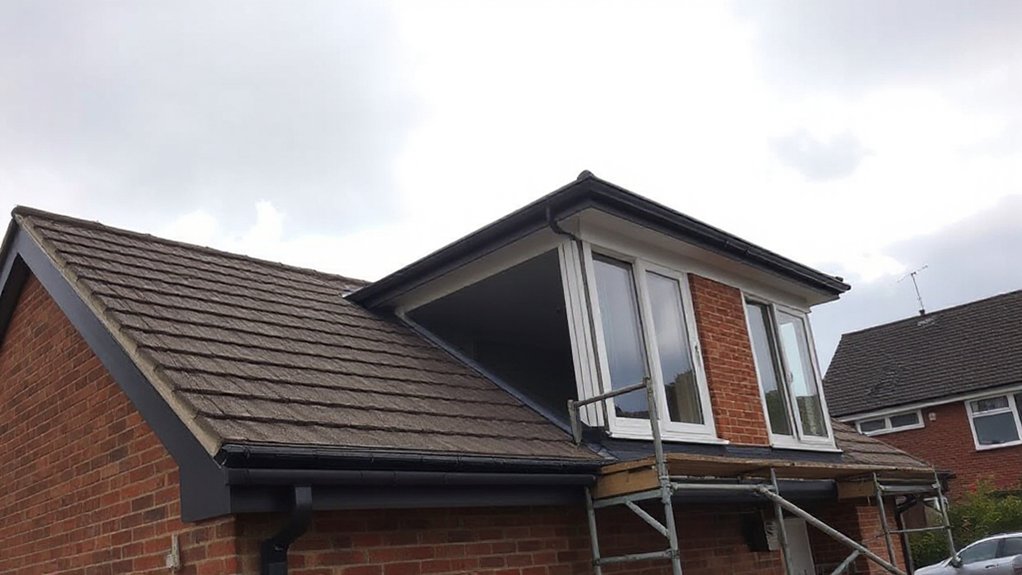
To avoid delays and speed up approvals, start with a clear, well-documented submission that anticipates common planning concerns. You’ll streamline review by addressing scope, impact, and compliance upfront, then follow with precise drawings and notes. Focus on practical details that planners care about, such as interior decor implications and roofing materials compatibility, so objections don’t stall the process.
- Present a concise design brief that links dormer function to site context.
- Include stamped elevations, section drawings, and a plan showing roof geometry and drainage.
- Attach material samples and product specs for roofing materials and finishes.
- Provide a well-argued, policy-aligned justification for materials, light, and height limits.
Frequently Asked Questions
Do Dormers Always Require Planning Permission?
Dormers don’t always require planning permission, you still must check local rules. You’ll evaluate dormer design details against Building regulations, ensuring height, eaves, roof pitch, and fire safety comply, and consult conservation or permitted development guidance where applicable.
How Long Does a Planning Decision Typically Take?
Suspiciously smooth timelines can vary; you’ll typically see decisions within eight to twelve weeks. You should verify building regulations compliance and structural integrity, since expedited reviews rarely skip these checks. Prepare detailed plans to avert unnecessary delays or rechecks.
Can Consented Amendments Be Made to an Approved Dormer?
Yes, you can submit consented amendments to an approved dormer; guarantee you follow historic regulations and building codes, update plans with detailed changes, notify your planning authority, and confirm exterior and structural modifications align with current regulations.
Are There Height Limits for Loft Dormer Extensions?
Yes, there are height limits for loft dormer extensions. You should check local guidance, considering roof slope, building materials, and eaves height; you’ll need to match materials and guarantee proportions, insulation, and water runoff meet planning and building regulations.
Do Conservation Areas Affect Dormer Planning Rules?
Conservation areas do affect dormer planning rules. You’ll face stricter limits and extra safeguards due to historical restrictions and architectural considerations; comply with guidelines, consult planners, and document design impacts, even if you feel your dream clashes with code. Time-traveling, perhaps.
Conclusion
You’re right to ask first. If your loft dormer fits size, height, and appearance rules, you can dodge full planning by relying on permitted development. If not, prepare a planning application with clear drawings and Green Belt or conservation area checks in hand. Anticipate objections about loss of light or massing; preempt with photomontages and daylight studies. Visually, imagine a neat dormer as a stepped roof under a compliant eave line—balanced, unobtrusive, and well integrated.