
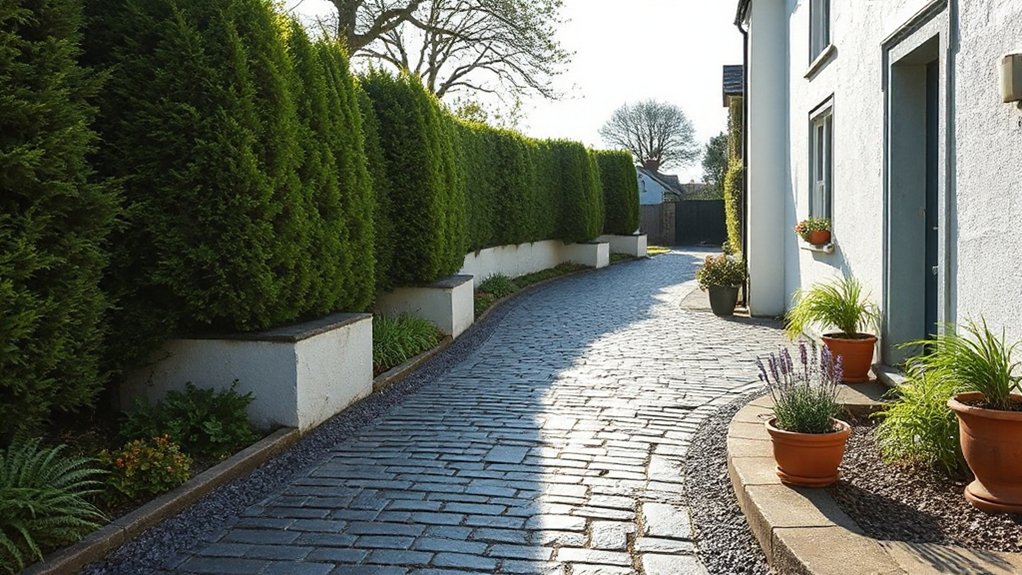

You’ll want to avoid overpromising, but the right driveway can quietly elevate your Cornwall home. Start with durable, locally sourced materials that suit damp coastal climates, then blend permeable options for drainage and weather resilience. A clean layout, subtle edging, and cohesive planting set the tone, while low-maintenance choices prevent quick wear. The key is balancing charm with practicality, so you’ll want to evaluate longevity against cost before you commit—there’s more to take into account beyond initial appearance.
Why Cornwall Kerb Appeal Matters: Context and First Impressions
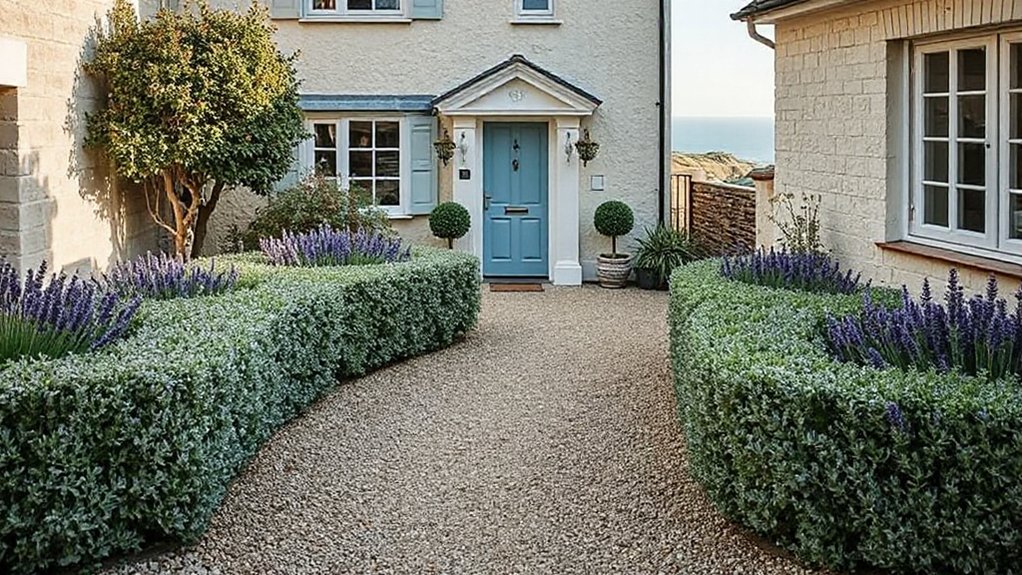
In Cornwall, kerb appeal isn’t just about looks—it’s about first impressions that shape buyer confidence and curbside value. You’ll connect local context to buyer expectations, so you understand why the scene beyond the gate matters.
A well-ordered approach signals quality, and that perception can influence pricing and speed of sale. You should consider how garden integration creates a cohesive arrival, guiding the eye from street to doorway without abrupt changeovers.
Decorative edging serves as a visual bridge, defining spaces while maintaining a natural flow with Cornwall’s landscape. Focus on durable materials that withstand coastal weather and busy traffic, yet remain tasteful and low maintenance.
When you align materials, textures, and planting, you strengthen credibility, improve perceived value, and boost overall kerb appeal.
How to Choose Permeable Surfaces for Drainage and Damp Climate
Choosing permeable surfaces for a damp coastal climate hinges on balancing drainage, durability, and aesthetics. You’ll want materials that shed water quickly, resist salt exposure, and stay visually cohesive with Cornwall’s coastal landscape.
Permeable paving options vary by porosity, load tolerance, and maintenance needs, so match your driveway’s use with the right product. Favor surfaces that allow rainfall to infiltrate or channel away, reducing surface runoff and damp basement risks.
Guarantee proper sub-base preparation and under-drainage to prevent pooling after storms. For durability, consider compression strength and freeze–thaw resilience common to coastal climates.
Combine permeable paving with well-designed drainage solutions to handle high precipitation and tidal exposure. Regular cleaning and joint maintenance preserve permeability and curb appeal without compromising longevity or safety.
Classic Local Materials for Cornwall: Welsh Slate, Cobble, and Brick
Welsh slate, cobble, and brick define Cornwall’s authentic driveway aesthetic, pairing durability with a tactile, coastal character. You’ll select slate for slate-grey tones that resist weathering, cobbles for old-town texture, and brick for warmth and structural delineation.
Your choices should align with local contexts, ensuring permeable joints where appropriate to support drainage. Use Welsh slate as a resource that ages gracefully, pairing with brick borders to create a crisp, coastal edge.
Cobbled driveways provide traction on damp days while evoking village charm. Plan decorative borders that frame seasonal plantings, enhancing color shifts through the year without overpowering the surface.
Seasonal plantings add seasonal interest; decorative borders offer defined, low-maintenance structure that complements the material palette and anchors kerb appeal.
Low-Maintenance Driveways That Withstand Coastal Weather
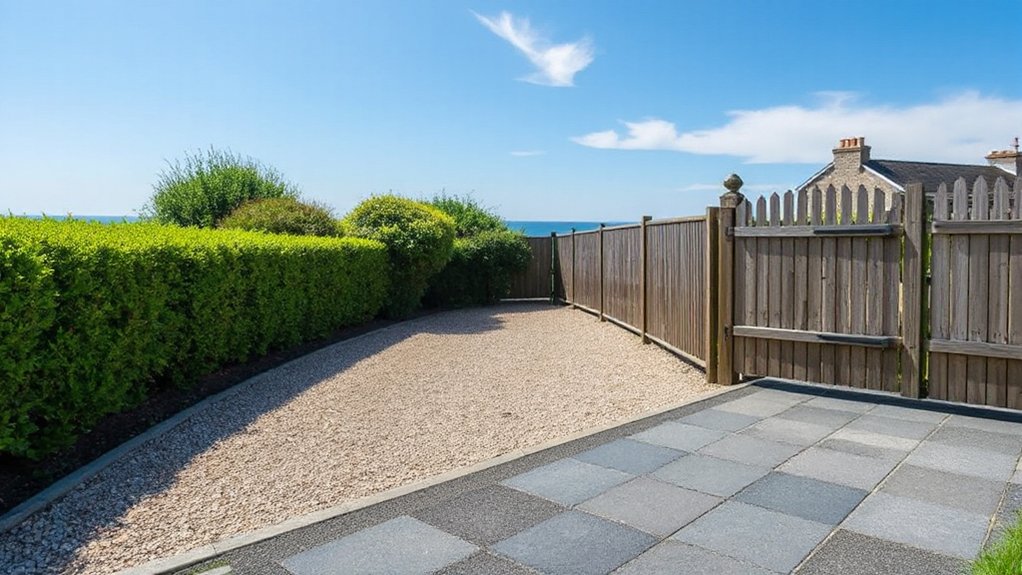
Coastal driveways demand materials and designs that shrug off salt spray, wind-driven grit, and rapid drying, so choose low-maintenance options with proven durability. You’ll benefit from concrete that’s reinforced, with sealed joints and a smooth finish that resists cracking under temperature swings common here.
Consider permeable pavers with proper slope you can clean easily, reducing mud and weed growth without ongoing upkeep. For longevity, combine durable bases with concrete sealing to curb moisture ingress and freeze-thaw damage.
Select light-toned surfaces to reflect heat, and integrate driveway lighting to improve visibility after storms. Maintain with minimal effort: pressure wash periodically, reseal every few years, and address edge erosion promptly to keep lines sharp and surfaces even.
This approach suits Cornwall’s coastal climate.
Layouts That Suit Townhouses and Cottages in Cornwall
In Cornwall, townhouses and cottages benefit from layouts that maximize compact plots and preserve curb appeal. You design driveways to fit narrow plots without sacrificing access or style, prioritizing easy turning points and clear sightlines.
Opt for a tight front apron paired with stepped or integrated garden borders to soften edges while keeping pedestrian routes distinct. Use permeable materials where possible to maintain drainage aesthetics, and select low-profile edging to avoid overpowering the home’s silhouette.
For lighting, install driveway lighting that highlights edges and provides safe, welcoming illumination after dusk without glare. Consider staggered bays or parallel parking sections to reduce clutter in busy streets.
Keep landscaping simple, cohesive, and low-maintenance to sustain long-term curb appeal.
Drainage Essentials and Permitting for Cornwall Driveways
Drainage and permits aren’t afterthoughts in Cornwall driveways—they’re essential to long-term durability and compliance. You’ll prioritize proper stormwater management to prevent pooling, surface erosion, and groundwater intrusion near foundations.
Inspect site grading to direct runoff away from structures and into permeable or controlled outlets, aligning with local conditions and soils. Implement robust sub-surface drainage where needed, using perforated pipes and gravel backfill to reduce hydrostatic pressure.
Permitting matters: verify permit regulations before excavation, submit drainage plans, and guarantee compliance with coastal and rural drainage guidelines. Document system components and maintenance routines to satisfy inspectors and insurers.
Regular inspections after heavy rainfall catch your issues early, preserving curb appeal while meeting Cornwall’s environmental standards. With clear documentation, your driveway remains durable, compliant, and visually cohesive.
Graded Versus Level Driveways: Handling Slopes and Sea Breezes
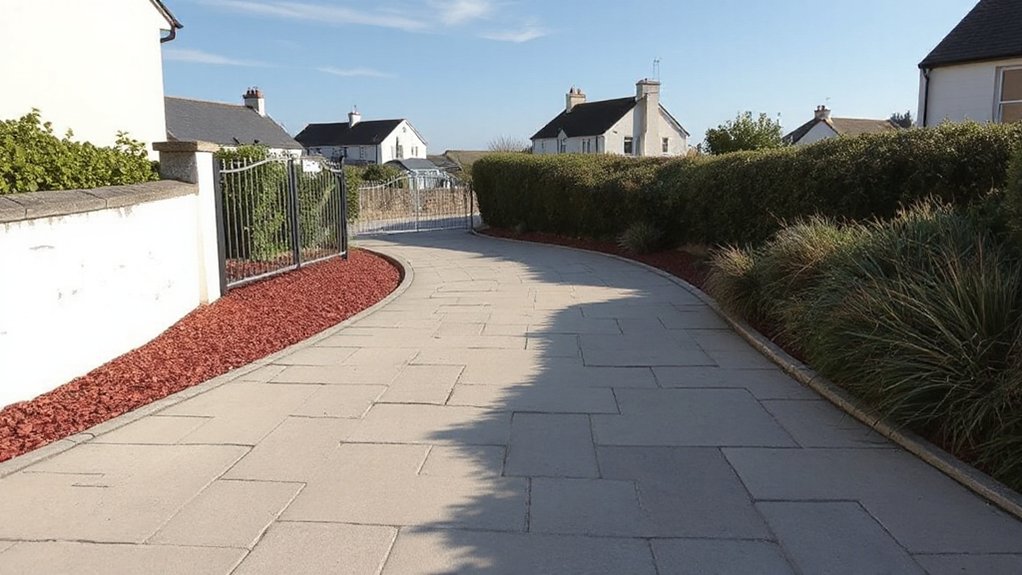
Choosing between graded and level driveways matters when you’re balancing slope, sea breezes, and long-term upkeep.
In Cornwall, graded slopes ease water runoff and reduce corrosion from salty air, while level designs simplify access and maintenance for terraced plots.
You’ll weigh drainage behavior, substrate stability, and wind-driven debris when choosing gradients, ensuring the surface resists shifting under salt exposure.
Graded slopes naturally shed water toward permeable edges but require precise construction to prevent pooling at low points.
Level driveways minimize crown maintenance and curb chasing, yet may demand robust subbases to handle freeze–thaw cycles and salt spray.
For coastal properties, prioritize forgiving materials, and plan for long-term resilience against sea breezes without compromising accessibility or appearance.
Color, Texture, and Pattern Options That Match Cornish Light
Color, texture, and pattern choices should respond to the soft, shifting Cornish light rather than fight it. You’ll want materials that read warm in sun and cool at dusk, enhancing kerb appeal without glare.
Favor color harmony across pavers, coping, and edging to create a unified, understated glow that matches the coastline ambiance. Use textures that read differently as shadows move—slabs with subtle grain, tumbled finishes, or finely brushed surfaces add depth without busy patterns.
Pattern choices should be restrained: running bonds, ashlar, or linear layouts that elongate the driveway while keeping focal points calm. Contrast should come from texture, not loud color shifts, ensuring the surface respects the light.
This approach delivers durable beauty aligned with Cornish light.
Budget vs Longevity: Quick Guide to Cost-Effective Choices
Budget and longevity aren’t mutually exclusive when you pick smart driveway options. In Cornwall, you’ll want a quick cost comparison that respects local materials and climate.
Evaluate upfront cost against expected material lifespan to avoid ongoing repairs. Red asphalt or gravel may be cheaper initially, but they often require more maintenance and sooner replacement.
Concrete and permeable pavers offer longer lifespans with lower long-term costs, especially where drainage and weathering are concerns.
Consider reinforced foundations, water management, and routine sealing intervals to extend life without overinvesting.
For a balanced choice, rate options by initial price, anticipated durability, and ease of future upgrades. This approach helps you maximize kerb appeal without sacrificing value, keeping your Cornwall driveway practical and attractive.
Installation Tips for Durability and Aesthetics
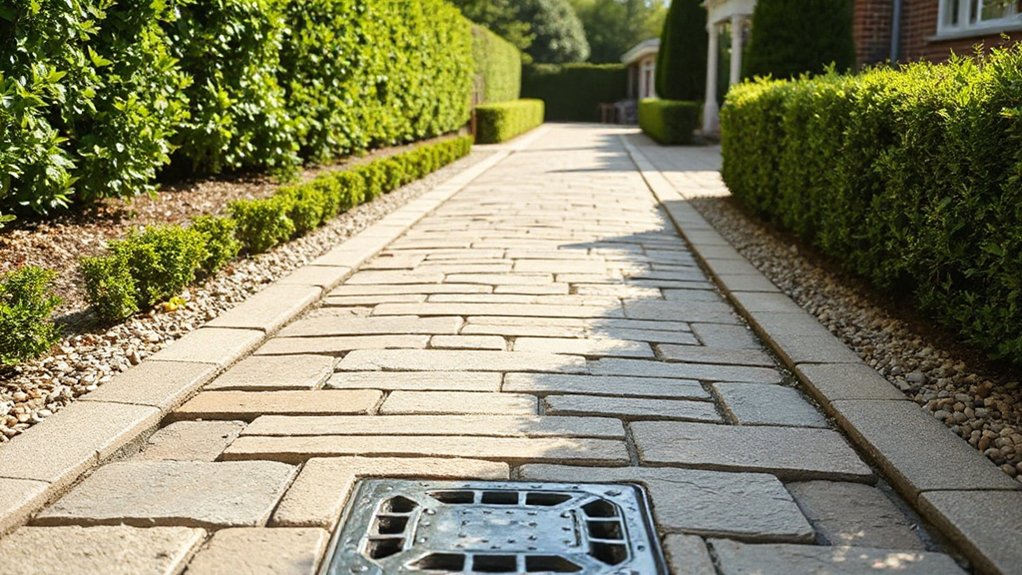
To guarantee both durability and curb appeal, start with a solid base and precise drainage, because a well-prepared substrate protects against future cracking and washouts in Cornwall’s wet climate. You’ll optimize longevity by choosing compatible materials, working quickly, and sealing joints to prevent water intrusion.
For aesthetics, blend textures and tones that complement local architecture.
- Confirm proper compaction and edging to maintain level surfaces
- Use permeable materials where possible to manage moisture
- Seal surfaces after installation to extend life
- Maintain clean joints to deter weed growth
- Prioritize DIY installation with clear, manufacturer-approved steps
Consider eco-friendly materials like recycled aggregates or locally sourced stone. Proper drainage and material compatibility reduce maintenance needs, while a neat finish enhances kerb appeal.
DIY installation remains feasible when you follow guidance and safety practices.
Maintenance Routines to Keep Cornwall Driveways Lasting
Regular maintenance is essential to keep Cornwall driveways durable and attractive year after year; with the area’s wet climate, a simple, proactive routine saves time and money.
To start, perform seasonal inspections for cracks, drainage issues, and weed growth. Promptly seal minor cracks to prevent water penetration and freeze-thaw damage.
Schedule annual or biennial professional checks for surfacing integrity and joint stability, especially on concrete and asphalt.
Keep surfaces clear of debris to avoid staining and moss buildup; use a gentle, drive-safe cleaner for routine driveway cleaning and avoid harsh chemicals that can degrade materials.
Enhancing curb appeal with landscape lighting improves nighttime visibility and prevent pests. Consider low-voltage, IP-rated fixtures for safety.
Maintain proper edging to prevent encroachment and guarantee consistent drainage.
Frequently Asked Questions
What if I Have Limited Off-Street Parking Space?
If you’ve limited off-street space, prioritize compact layouts and permeable designs; choose compact paving options. Design aesthetics matter, but Material durability is key—opt dual-use surfaces, edging, and efficient drainage to maximize appeal and longevity in Cornwall.
Do Local Regulations Restrict Certain Driveway Materials?
Yes, some driveway material regulations apply; local planning restrictions may limit certain materials. You should check with Cornwall council, confirm permitted surfaces, drainage, and binding codes, and verify your chosen driveway material regulations align with local planning restrictions before proceeding.
Can Permeable Options Handle Heavy Winter Rainfall in Cornwall?
Yes, permeable options handle heavy rainfall in Cornwall well when properly installed. Permeable pavement offers good drainage and reduces puddling, while ensuring long-term resilience against winter downpours and frost-related issues.
Are There Grants or Incentives for Eco-Friendly Driveways?
Yes—eco grants and driveway incentives exist in Cornwall. You can qualify for local schemes and national programs that support permeable, low-emission surfaces. Think of funding as a helping hand toward eco-friendly driveways, boosting sustainability and property value.
How Do I Balance Curb Appeal With Vehicle Accessibility?
Balancing curb appeal with vehicle accessibility, you should optimize garden design around drive paths and choose lighting options that guide entrances while highlighting features. Prioritize clear turning space, gradual gradients, and low-profile surfaces for safe, stylish access.
Conclusion
As you plan the approach, the right choice becomes a quiet promise. Welsh slate gleams at dawn, cobbles whisper with every footfall, and permeable pavers hint at smarter drainage. You’ll see the layout fall into place—edges crisp, surfaces durable, colors tuned to the Cornish light. The driveway isn’t just a path; it’s the first cue of your home’s story. But the final reveal waits, ready to endure; your careful decision holds its breath until that moment arrives.