
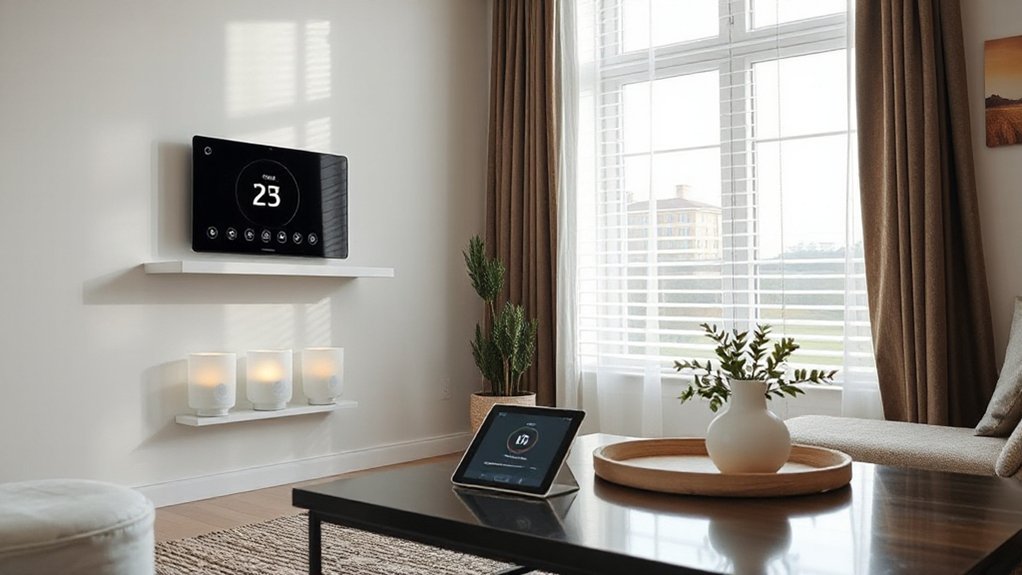

A coincidence in today’s market is that buyers often stumble on smart upgrades they didn’t realize are affordable, yet they still crave reliability and easy setup. You’ll want to start by selecting must-have features—smart lighting, zoning climate control, keyless entry or video doorbells—and pair them with a centralized hub for effortless control. This approach boosts curb appeal, saves energy, and enhances security, but the real payoff comes when you show how simple upgrades scale with future tech. Now, let’s map out the best path forward.
What Buyers Look For in a Smart-Home Home
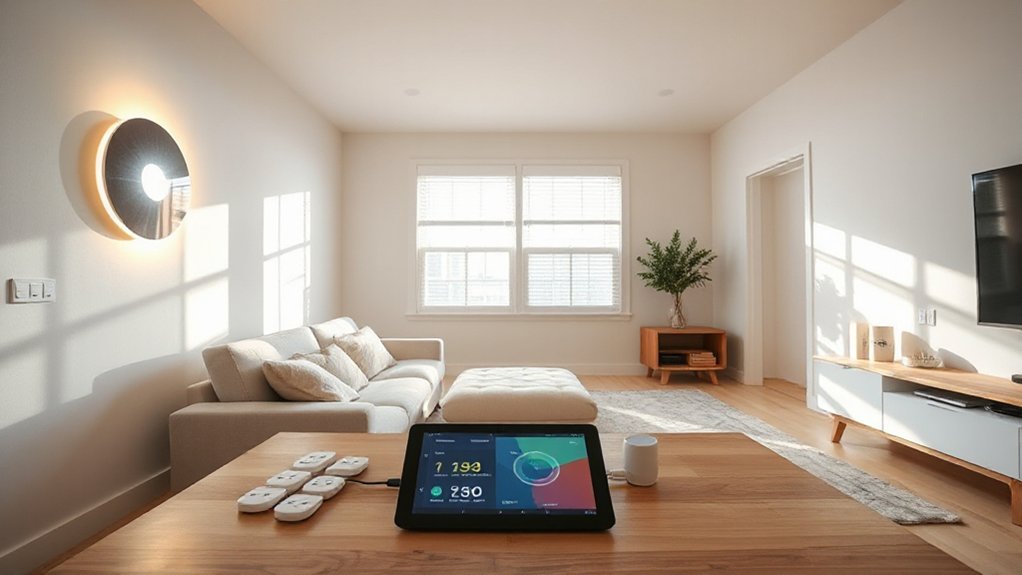
When buyers look for a smart-home setup, they want reliability, simplicity, and real convenience. You’ll outline systems that work together, with minimal fuss, so daily routines feel seamless.
Start by emphasizing compatibility: a single app, universal scenes, and consistent update cycles reduce wasted time.
Highlight practical benefits like voice automation that adjusts lighting, climate, and media without hunting for remotes.
A Smart garden is a tangible demo of automation at work—automatic watering, soil sensing, and alerts keep plants thriving with minimal intervention.
Demonstrations of energy monitoring, secure access, and fault-tolerant Wi‑Fi reassure buyers that the setup won’t break during a busy morning.
Deliver clear spec lists, quick-install guides, and test results to back up your claims.
Must-Have Smart Features by Room
You’ll see how signature smart lighting sets the mood and saves energy by adapting to time of day and activity.
Climate control synergy across rooms keeps comfort consistent while optimizing costs, so you don’t over- or under-heat spaces.
Secure IoT access points protect every device, ensuring manager-level control and peace of mind for your tenants or family.
Signature Smart Lighting
Start with a central system that handles schedules, dimming, and color warmth to suit activities like cooking, working, or relaxing.
Implement voice control for hands‑free changes during meals or when you’re multitasking.
Create custom scenes that switch multiple fixtures with a single command, aligning ambience with mood or time of day.
Prioritize dimming ranges that preserve eye comfort while enhancing contrast for screens and tasks.
Guarantee reliable, wireless connectivity and straightforward setup so you can expand later.
Solid lighting plans raise perceived space value and daily convenience for buyers.
Climate Control Synergy
Ever thought how climate control can shelve chores and boost comfort in every room? You’ll harness climate control synergy by pairing a smart thermostat with zone-aware cooling and heating. Set schedules that reflect your daily rhythm, then tune any room remotely for when guests arrive or kids study.
Use occupancy data to avoid wasted heating or cooling, and rely on weather-linked adjustments to pre-cool or pre-heat before you get home. This isn’t just comfort—it’s efficiency: every degree saved lowers utility stress and supports sustainability.
Prioritize climate optimization across zones: living spaces, bedrooms, and work areas all adjust to activity levels. Simplicity and reliability matter, so choose a system with intuitive app controls, clear energy insights, and consistent performance.
Secure IoT Access Points
Plan for IoT access that’s isolated from your main network, so compromised devices don’t expose critical systems. Choose gateways with built-in guest networks, device whitelisting, and real-time monitoring alerts.
Label each device clearly and document reset procedures to simplify troubleshooting. Prioritize Secure gateways that offer consistent performance, quality encryption, and simple parental or vendor controls.
This approach minimizes risk, reduces cross‑device interference, and preserves bandwidth for essential activities. When buyers see these measures, they recognize thoughtful, practical security baked into daily living.
Energy Savings That Buyers Notice
Are energy savings really a selling point buyers notice immediately? Yes, and you’ll see it in concrete details. Start with daily use: programmable thermostats, occupancy sensors, and well‑insulated ducts reduce wasted heat and cooling.
Show tangible numbers from your home’s utility bills or a Home Energy Score to prove savings, not promises. Highlight energy efficient appliances in the kitchen and laundry—dishwashers, refrigerators, washers—that perform well while slashing consumption.
Emphasize smart home aesthetics that blend form and function: automations that adjust lighting, climate, and devices without sacrificing comfort.
Include easy-to-understand comparisons: current vs. estimated annual costs, projected payback periods, and maintenance needs. Keep talking points focused on how efficiency translates to lower bills, fewer hassles, and a smarter, more comfortable living environment.
Budget Wins: Easy Upgrades With Big Impact
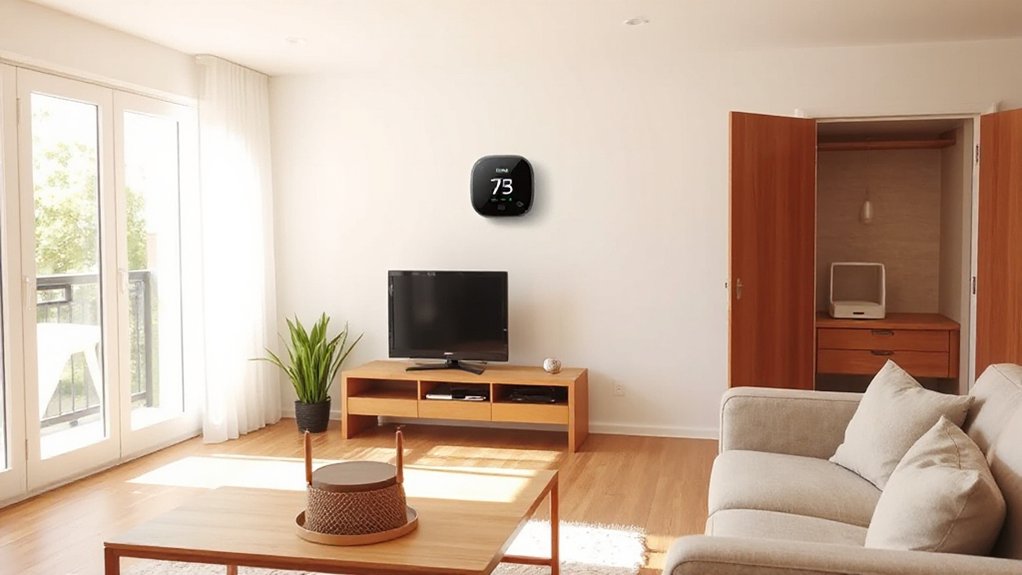
You can start with quick budget wins that yield noticeable changes without breaking the bank. Focus on simple smart upgrades—like programmable thermostats, smart lighting, and secure, user-friendly hubs—that deliver high-impact moves for everyday living.
These practical tweaks set a solid foundation for future upgrades while keeping the cost and effort clearly manageable.
Quick Budget Wins
Smart-home upgrades don’t have to drain your budget. Quick wins deliver real impact without breaking the bank, stacking value before you turn the key. You’ll boost appeal with practical, low-cost changes that feel premium.
- Upgrade to smart bulbs in key living areas for instant ambiance and efficiency.
- Add a smart speaker and connect it to routines for hands-free control.
- Install a basic smart security camera at the entry for peace of mind.
- Integrate a simple door sensor kit to flag openings and automate alerts.
Focus on core functions buyers notice: reliable smart security and seamless voice assistants. Keep setups clean, labels consistent, and apps updated. These fast improvements create a compelling, modern feel that signals long-term savings and convenience.
Simple Smart Upgrades
With a tight budget, you can upgrade today by focusing on simple, high-impact smart features that buyers notice immediately. Start by installing voice assistants in central common areas; a quick demo shows how lights, thermostats, and scenes respond to natural prompts, making daily routines feel modern.
Pair this with smart sensors that enhance safety and efficiency—motion detectors for hallways, door sensors on entryways, and humidity or temperature sensors in key rooms. These upgrades require minimal disruption but yield tangible value: reduced energy waste, easier daily living, and a perception of thoughtful stewardship.
Choose reliable ecosystems for seamless integration and future expandability. Keep wiring clean, label devices, and document setups for a confident showing. Compact, practical, and future-proof upgrades deliver clear buyer appeal.
High-Impact Home Moves
Even on a tight budget, you can move the needle quickly with high-impact upgrades that buyers notice first. Focus on small, visible wins that feel premium without breaking the bank. A smart garden and voice automation lineup can seal the deal by adding modern practicality.
- Install a compact smart garden setup to boost curb appeal and indoor ambiance.
- Add a simple voice automation hub to control lights, climate, and scenes with ease.
- Upgrade key lighting to LED fixtures with warm tones for a welcoming feel.
- Refresh hardware and fixtures in high-traffic areas to signal ongoing upkeep and care.
These moves deliver perceived value, reduce buyer hesitation, and demonstrate tech-forward living without heavy costs.
Lighting Control That Sells: Practical Setups
Smart lighting control isn’t just about dimming a room—it’s about creating the right mood, saving energy, and simplifying daily routines. You’ll show buyers practical setups that feel effortless and reliable.
Begin with a layered plan: zones for living areas, bedrooms, and entryways, each tied to an automation routine. Use scenes like Welcome, Movie, and Wake to demonstrate quick mood shifts with a single tap or voice command.
Prioritize consistent color temperature and smooth dimming to avoid harsh changes. Incorporate Voice integration so residents control lights hands-free, and pair with smart security to guarantee exterior lighting activates on arrival or when a sensor detects movement.
Document how scheduled lighting reduces energy use and enhances safety, while avoiding overcomplication in daily use.
Smart Climate Tweaks Buyers Notice
Smart climate tweaks catch buyers’ attention because they translate to year-round comfort and lower bills. You’ll notice how quick wins—automation, responsiveness, and efficiency—create daily value without complexity. Focus on setups buyers can actually test in demo rooms, not abstract specs.
- Utilize voice assistants to adjust temp zones and schedules without opening apps.
- Deploy smart sensors for occupancy and window status to prevent wasted cooling or heating.
- Calibrate cooling averages with adaptive routines that learn your patterns.
- Show a single, clear dashboard that summarizes comfort, energy use, and cost impacts.
When you explain benefits, emphasize reliability, fast responses, and obvious savings. Position these tweaks as practical upgrades that blend seamlessly with existing systems, enhancing comfort while keeping operating costs predictable.
Security Features That Build Buyer Confidence
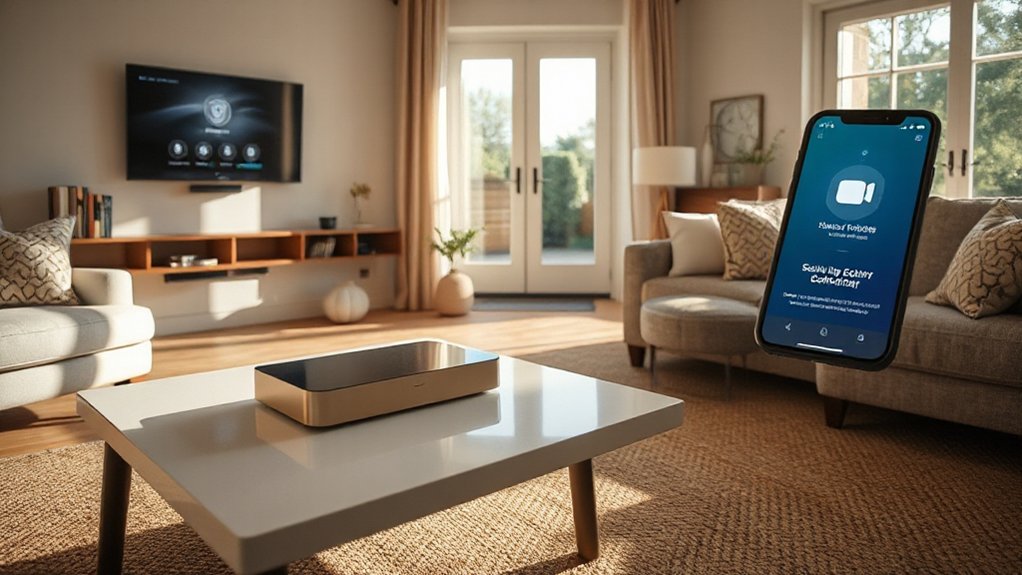
You’ll want to highlight end-to-end encryption and remote monitoring abilities as core security anchors, so buyers feel their data stays private and their home stays visible from anywhere.
Emphasize how end-to-end encryption shields communications between devices and apps.
Show how remote monitoring provides real-time alerts without sacrificing control.
Framing these features together reinforces trust, practicality, and peace of mind for proactive homeowners.
End-to-End Encryption
- Verify that all communication channels use end-to-end encryption, not passthrough or plaintext options.
- Check key management: strong, rotating keys with minimal exposure reduces encryption privacy risks.
- Confirm device authentication prevents spoofing and man-in-the-middle attacks.
- Review vendor transparency on security audits, incident reporting, and update practices to maintain ongoing protection.
Remote Monitoring Capabilities
With centralized dashboards, you monitor cameras, sensors, and locks in real time, reducing reaction times and false alerts. You’ll appreciate automatic anomaly alerts, health checks, and secure cloud backups that keep data accessible yet protected.
Voice integration lets you command and confirm events hands-free, streamlining daily oversight without fumbling through apps. Clear activity logs help you review incidents and verify system integrity during audits or after events.
Prioritize data privacy by choosing reputable providers with end-to-end encryption, access controls, and transparent usage policies, ensuring your monitoring remains trusted and compliant while preserving homeowner autonomy.
Easy Access and Entry Solutions That Impress
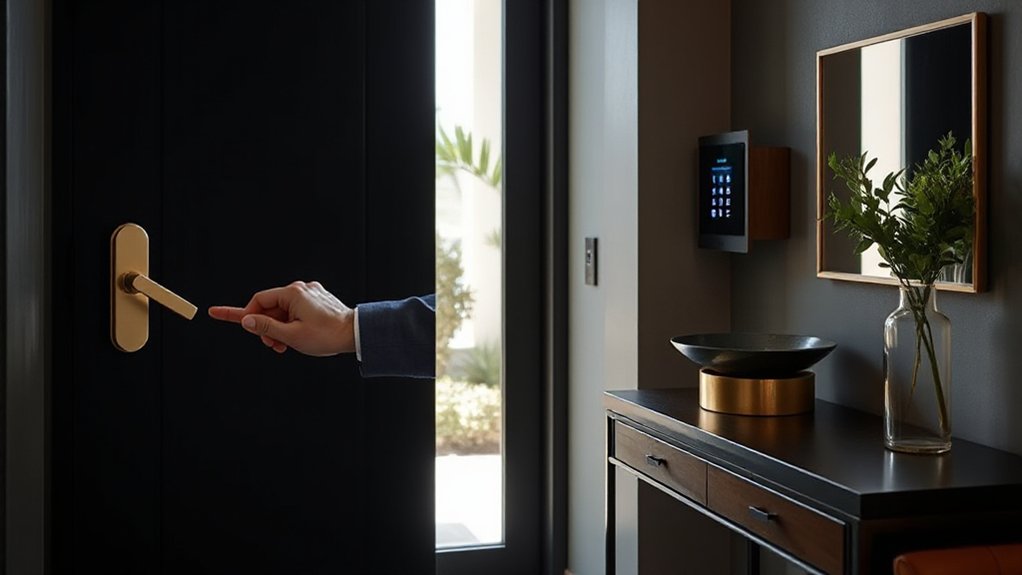
Smart, seamless entry solutions save time and reduce daily friction for every household member. You’ll appreciate rapid, reliable access that scales with busy mornings and late returns, while maintaining tight control over who enters and when.
To hit the mark, focus on simple, secure implementations that blend with your home’s design.
- Keyless entry with temporary codes for guests
- Biometric or smartphone-based access, synced with smart security
- Video doorbell with clear, secure messaging
- Voice integration for hands-free access and alerts
Practical setup tips: choose durable hardware, enable two-factor authentication, and test routines weekly.
This elevates convenience without sacrificing safety, and it positions your home as forward-thinking and buyer-ready.
Choosing an Integrated Hub for Seamless Use
Choosing an integrated hub is about simplicity and reliability, not buzzwords. You want a device that orchestrates devices, not adds friction.
Start by listing your must‑control functions: lights, thermostats, speakers, cameras. Look for an ecosystem with broad compatibility and clear integration limits, so you won’t chase quirks later.
Prioritize an interface you’ll actually use daily, with predictable scenes and routines that cover morning, work, and night.
Guarantee robust local control in addition to cloud access, so you’re not stranded during outages.
Check response times and voice‑assistant support, and verify you can modify automations without a manual marathon.
For true seamless control, choose an integrated hub that consolidates devices under a single app, reliable updates, and straightforward troubleshooting. This reduces setup time and elevates buyer confidence.
How to Message Your Smart-Home Upgrades to Buyers
To clearly communicate your smart-home upgrades to buyers, start with concrete, outcome-focused benefits rather than feature lists. You’ll frame how Smart technology enhances daily life, energy savings, security, and predictable comfort, not just devices.
Use precise, buyer-centered language that connects upgrades to real-world value in familiar terms.
- Highlight tangible outcomes (lower utility bills, fewer scheduling hassles, quicker home access).
- Tie upgrades to safety and peace of mind with clear examples of scenarios.
- Quantify efficiency gains and return on investment where possible.
- Explain compatibility with existing systems and future-proofing through scalable home automation.
Keep messaging concise, visual, and outcome-driven. Reference specific moments buyers care about, such as “remote lockups” or “motion-triggered lighting,” to reinforce practicality.
Quick Invisible Improvements That Move the Needle
Small tweaks can deliver noticeable gains without changing how the home looks or feels. You’ll focus on invisible upgrades that customers notice in everyday use.
Start with quick, noninvasive optimizations: calibrate sensors for reliable lighting, adjust HVAC schedules for comfort and efficiency, and streamline device naming so schedules and scenes work intuitively.
Add a smart garden irrigation plan that conserves water without altering décor, then guarantee soil moisture and weather triggers are tuned to actual needs, not guesses.
Implement simple routines like wake, good night, and away that genuinely reduce friction.
Emphasize Voice automation for hands-free control, creating predictable comfort.
These moves feel subtle yet compound into smarter living, signaling ongoing care without big renovations or visible changes.
Planning for a Future-Proof Smart Home
- Define interoperable standards and core devices that won’t abandon you.
- Build modular paths for updates, not full rewrites.
- Choose devices with firmware auto-update and secure boot.
- Map real-world scenarios to automations, then test and refine.
With this foundation, you’ll attract buyers seeking longevity, reliability, and effortless tech compatibility.
Frequently Asked Questions
What Resale Value Do Smart-Home Upgrades Add Most?
Smart technology upgrades boost resale value most when you prioritize energy efficiency and smart security, delivering solid ROI analysis. You’ll see higher appeal, faster offers, and confident buyers, as you optimize controls, integration, and ongoing maintenance for lasting ROI.
Which Devices Boost Home Value Without Breaking the Budget?
Picture yourself steering a ship; your smart lighting and voice assistants are the compass. You’ll boost value on a budget, because these devices cut costs, simplify daily routines, and attract buyers with practical, high-impact tech.
How Long Does Installation Typically Take for Major Upgrades?
Installation timeline varies, but you’ll typically expect a few hours for simple upgrades and 1–2 days for complex systems; plan for upgrade complexity, potential permits, and coordinated trades to minimize delays and guarantee thorough, reliable integration.
Do Renters Benefit From Smart-Home Features in Property Listings?
Yes, renters benefit from smart-home features in listings by boosting rental value and tenant convenience. You’ll notice easier access, energy savings, and remote control perks that attract quality tenants and justify higher monthly rent.
Are Professional Certifications Worth the Extra Cost?
Yes, certification benefits are worth the extra cost. Think of it as home automation armor: you gain credibility, smoother installs, and knowledgeable support, which boosts value and buyer trust. You’ll justify the investment with tangible, practical certification benefits.
Conclusion
You’ll wow buyers with a well-wired, welcoming, cost-conscious smart-home. Simplify setup, streamline status, and spotlight savings: smart lighting, zoning climate, and secure entry. Show quick wins—energy cuts, fewer errands, effortless control—by pairing a reliable hub with room-specific features. Marketability matters, so mention durable hardware, scalable plans, and future-proofing. Practical, proven, and persuasive, these upgrades deliver tangible value, tighter timelines, and higher offers—making your home modern, manageable, and mysteriously magnetic.