
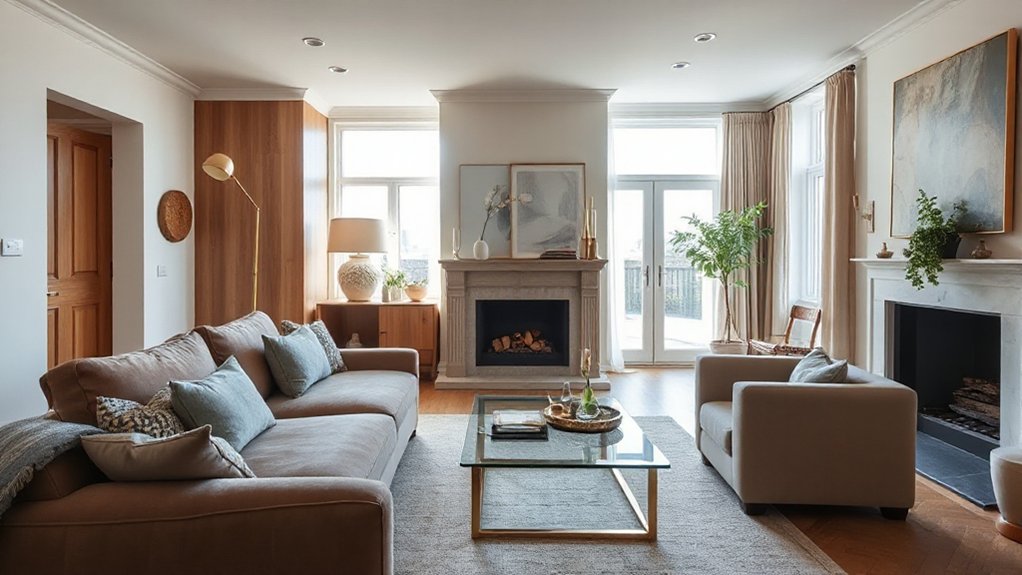

Liverpool interiors demand durability and charm, so you’ll prioritize moisture-resistant flooring, wall-mounted storage, and energy-efficient fixtures that withstand coastal humidity. Pair heritage details with modern silhouettes, and use nautical palettes to reduce glare while maintaining warmth. Start with a practical plan that balances period features with low-effort updates, then layer textures and lighting thoughtfully. There’s more to optimize beyond basics, and each decision shapes how well your space ages with the city—so you’ll want to map the path next.
What Makes Liverpool Homes Unique and Why It Matters
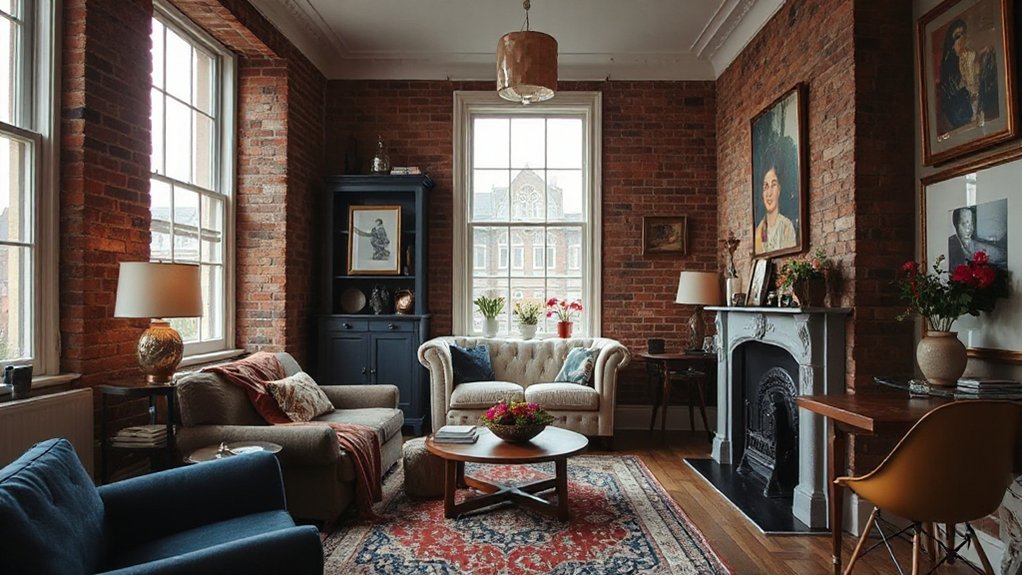
Liverpool homes stand out because their design blends practical efficiency with modern comforts, creating spaces that adapt to daily routines. You’ll notice how compact layouts maximize usable area without sacrificing accessibility, and how storage is integrated into walls, stairs, and alcoves.
The emphasis on durable materials reduces maintenance while sustaining aesthetics. Maritime architecture informs exterior detailing and ventilation strategies, enhancing resilience to coastal humidity.
Within interiors, you’ll see modular systems that support flexible uses, from work nooks to family zones, without compromising flow.
Cultural heritage influences color palettes, timber choices, and tactile finishes, preserving local character while meeting contemporary standards.
This combination delivers consistent performance, energy efficiency, and comfort, making Liverpool homes robust, livable, and attractive for evolving lifestyles in a changing climate.
How to Set a Realistic Liverpool-Style Budget (Step by Step)
Creating a realistic Liverpool-style budget starts with translating design aims into measurable costs and timelines. You’ll begin with a detailed scope, listing materials, finishes, fixtures, and labor requirements.
Next, perform Budget planning by assigning unit costs to each line item and factoring contingencies for common overruns. Prioritize items by necessity and phase the project to align with cash flow, avoiding scope creep.
Use Cost estimation techniques such as quantity takeoffs, supplier quotes, and historical data from similar Liverpool renovations.
Build a month-by-month cash flow forecast, incorporating VAT, delivery delays, and permit fees.
Track changes rigorously; require written change orders to preserve accuracy.
Finally, establish a formal budget review cadence, updating estimates as selections finalize and timelines firm up. This disciplined approach minimizes surprises and supports informed decisions.
Harmonize Heritage With Modern Design
To harmonize heritage with modern design, identify architectural elements that define the building’s character—such as cornices, sash windows, or masonry details—and determine where contemporary interventions can occur without eroding those signatures.
You’ll assess structural grids, material palettes, and the tactile quality of finishes to plan precise edits. Start with restraint: replace fixtures with equivalents that echo historic forms, not mimicry.
Prioritize dimmable lighting, hidden hardware, and concealed wiring to preserve sightlines. For spaces that require updates, implement modern minimalism through clean lines, neutral tones, and sparse ornamentation that respect scale and proportion.
Document every alteration for heritage preservation compliance, including dates and materials. Select durable, low-maintenance options, balancing performance with temperament to sustain authenticity while improving function.
Wallpaper Styles to Channel the Liverpool Vibe (Patterns, Colors, and Placement)
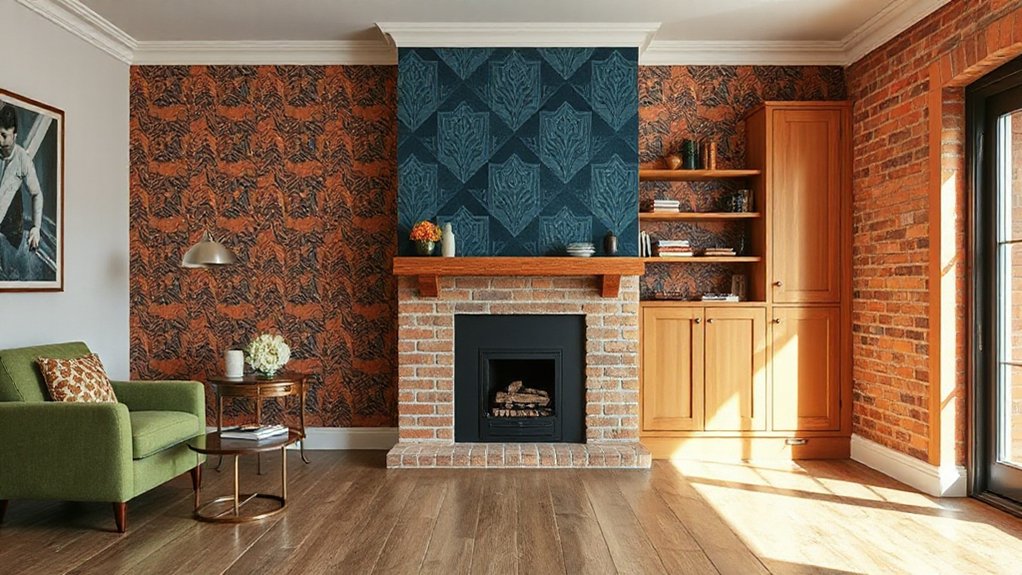
Wallpaper styles that capture the Liverpool vibe blend historical texture with contemporary restraint. You’ll select patterns for focal walls and balance them with solid grounds to maintain cohesion.
Start with Vintage florals on feature rooms; pair them with muted backgrounds to prevent visual overload, and guarantee scale aligns with wall height to avoid crowding.
For hallways and smaller spaces, Nautical stripes deliver directional energy without shouting; use narrow to medium widths and align seams vertically to elongate rooms.
Color strategy favors restrained palettes: slate, olive, cream, and deepest navy as anchor tones.
Placement matters: offset large patterns, center on key walls, and keep ceilings white or pale to maximize light.
Finally, test alternatives on sample boards before committing to full rolls.
Layer Textures for a Cozy Coastal Liverpool Look
You’ll start by layering coastal textures to build depth, using a mix of rough-weave fabrics, smooth linens, and tactile sisal or jute underlays. The aim is warmth through materials, so balance soft and sturdy elements to avoid a flat finish.
Combine seaside textile pairs—think breathable cottons with chunky knits or marine linen with textured wool—to create a cohesive, cozy Liverpool look.
Layered Coastal Textures
- Coastal decor elements with woven fibers, weathered wood, and matte ceramic finishes to establish a cohesive base.
- Layered textiles and wall treatments in complementary hues, enhancing contrast while preserving brightness.
- Subtle sheen variation across surfaces, using limestone, linen, and plaster to modulate reflectivity and depth.
This method emphasizes practical integration: select durable, easy-maintenance materials, test under daylight and artificial lighting, and document how each layer contributes to the overall coastal effect in your Liverpool space.
Warmth Through Materials
Integrate rustic woods in finishes that resist humidity while aging gracefully—reclaimed pine, oak with a matte seal, or hand-scraped planks for character. Use varying grain directions to guide light reflection and create depth.
Consider rug placement that anchors seating zones, balancing warmth with airflow. Maintain material longevity by selecting performance fabrics for high-traffic areas and choosing finishes that are easy to clean and maintain.
Textured fabrics, Rustic woods.
Seaside Textile Combinations
Focus on tactile variety: a textured weave, a soft chenille, and a flat-woven linen blend, all in a unified palette of dune, seafoam, and charcoal.
Control scale so patterns don’t compete; mix small-scale prints with solid foundations to retain calm.
Use natural fibers for warmth and longevity, and add moisture-resistant coatings where needed.
1) Balance textures by alternating matte and slight sheen surfaces.
2) Align color families across fabrics to preserve cohesion.
3) Layer with throws and cushions in complementary tones for depth without clutter.
Lighting Solutions to Brighten Narrow Liverpool Rooms
To brighten narrow rooms in Liverpool homes, prioritize lighting layers that maximize perceived width and height while minimizing clutter. Use a layered approach: ambient ceiling fixtures, task lighting at work zones, and reflective surfaces to multiply light without increasing fixtures.
Opt slim-profile wall sconces to draw the eye upward, and install recessed linear LEDs along ceilings or plinths to extend the visual line. Choose daylight-accurate color temperature (4000–5000K) for clarity, and pair with dimmers to control mood without turning space cramped.
Integrate decorative accents sparingly; garden furniture outside view can reflect light, while art installations near corners create focal points that distract from constraints.
Guarantee wiring is concealed, outlets accessible, and switches grouped for intuitive use.
Space-Saving Storage Ideas for Liverpool Terraces
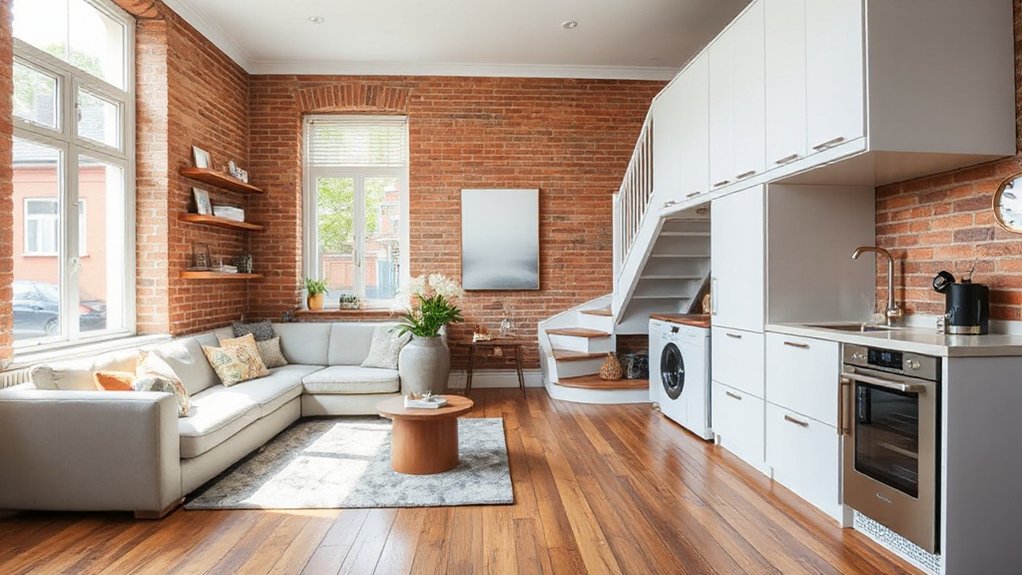
Hidden corner cabinets maximize vertical storage without crowding living spaces, making use of tight frente de paredes for compact access.
Wall-mounted shelving solutions keep surfaces clear while providing modular, adjustable options to suit varying terrace layouts.
You’ll evaluate placement, weight limits, and finish consistency to guarantee durable, unobtrusive storage that preserves floor area.
Hidden Corner Cabinets
- Measure clearance precisely to avoid interference with door swings or appliances.
- Choose pull-out or swing-out mechanisms for maximal access.
- Use moisture-resistant finishes to preserve longevity and reduce maintenance.
Wall-Mounted Shelving Solutions
Wall-mounted shelving offers a practical, space-saving solution for Liverpool terraces, where room is at a premium and corners are precious. You install modular brackets at strategic heights, supporting adjustable shelves that accommodate varying loadings without protruding into walkways.
Choose robust materials—laminated MDF or lightweight plywood—for durability against humidity and foot traffic. Align shelves with electrical outlets and wall studs to maximize stability and minimize shim adjustments.
Integrate elegant lighting along the underside or within recessed channels to illuminate display zones and improve task performance. Use wall decor sparingly on adjacent walls to avoid visual clutter while highlighting key items.
Prioritize ventilation, keep cords hidden, and stagger shelf depths to create a dynamic rhythm without sacrificing accessibility. Regularly inspect fasteners and trim edges for long-term reliability.
Flooring Options That Handle Damp Winters in Liverpool Homes
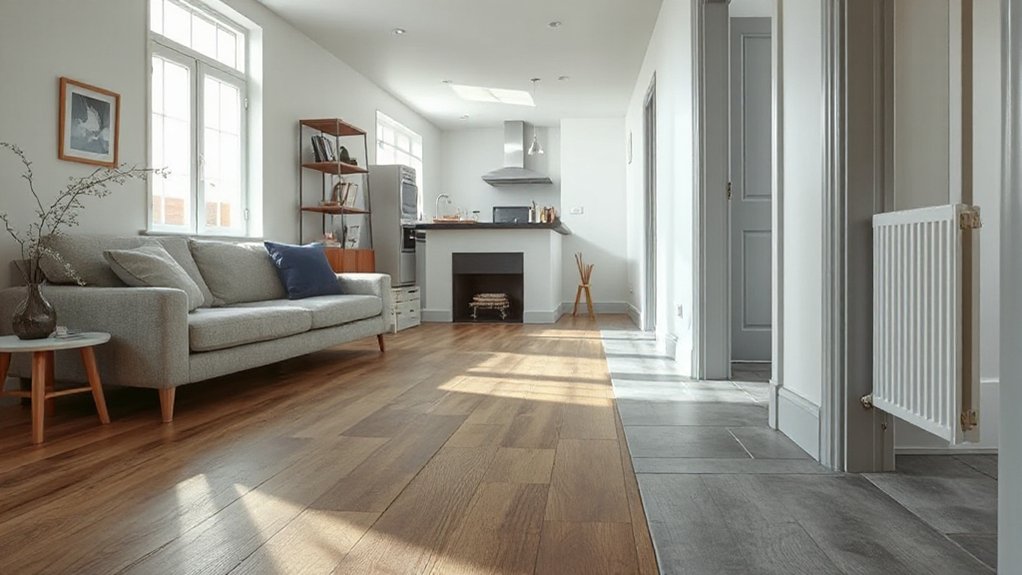
If your Liverpool home faces damp winters, choosing flooring that resists moisture is essential. To maintain long-term performance, select materials with proven moisture resistance and compatible underlayments that prevent capillary rise. Focus on installation details that minimize residual moisture paths and guarantee stable dimensional behavior.
Key options:
1) Moisture resistant flooring such as engineered hardwood with moisture barriers, porcelain tile, or vinyl plank systems.
2) Subfloor prep and an effective damp proofing solution, including vapor barriers and proper acclimation before fitment.
3) Sealing edges, gaps, and crossings to deter moisture infiltration and food-grade or slip-resistant finishes for safety.
Damp proofing solutions and moisture resistant flooring work together to reduce swelling, warping, and mold risk, guaranteeing durable Liverpool winters.
Liverpool Waterfront-Inspired Color Palettes
With moisture-resistant flooring chosen, you can start shaping spaces that echo Liverpool’s waterfront mood through color.
Begin with a base palette of cool neutrals—stone, dove gray, and soft ivory—to mirror fog and morning light over the Mersey.
Layer in marine motifs with navy and teal accents, using matte finishes to reduce glare and enhance cohesion.
Introduce accent walls in restrained blues, keeping saturation low to preserve room depth without overwhelming fixtures.
Incorporate nautical stripes sparingly—on cushions, throws, or area rugs—to create rhythm without visual fatigue.
Consider undertones: warm wood tones balance cool hues, while brushed metal hardware echoes harbor hardware.
Test swatches in natural and artificial light at different times of day for consistency and practical usability.
Windowsill Gardens to Maximize Tiny Liverpool Nooks
Windowsill gardens can transform tight Liverpool nooks into functional green spaces without wasting precious square footage. You’ll optimize light, drainage, and airflow to sustain herbs and small ornamentals, turning a window into a micro-garden hub. This approach doubles as window decor and a practical climate buffer for adjacent rooms.
1) Choose compact, sun-loving herbs and install a shallow tray with drainage.
2) Layer vertical planters or railing pockets to maximize surface area without crowding.
3) Use breathable, water-resistant containers and a consistent watering schedule to prevent mold.
A light, automated drip helps maintain steady moisture; label each plant for easy care, and rotate pots to equalize sun exposure. Regular pruning keeps growth tidy, and you’ll savor fresh herbs within arm’s reach.
Durable Fabrics for Family Homes by the River
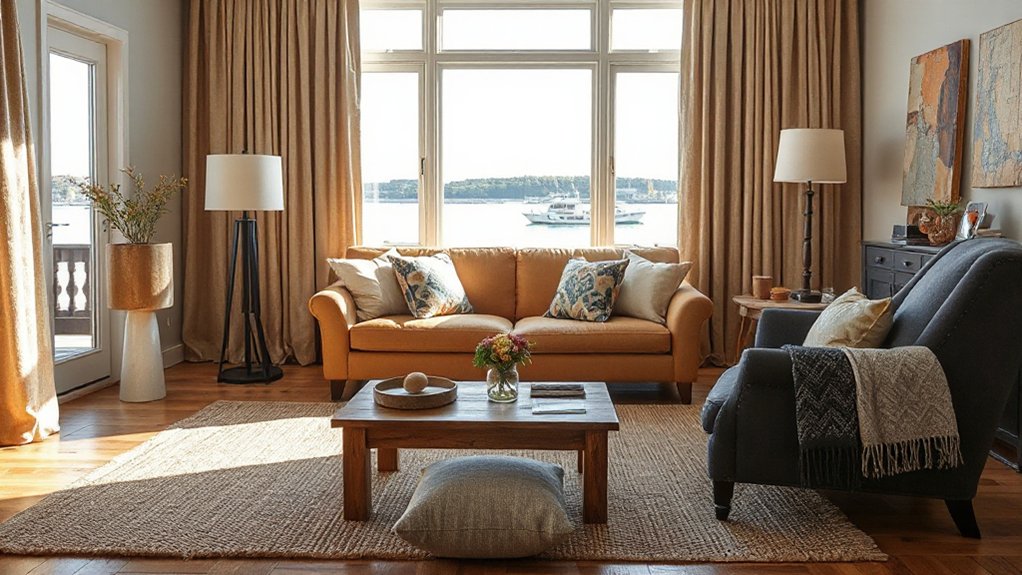
Durable fabrics are essential for family homes by the river, where humidity, activity, and frequent cleaning demand fabrics that resist moisture, wear, and staining. You select fibers with high abrasion resistance and stable dye penetration, prioritizing tightly woven structures and protective finishes.
For upholstery, choose blends that balance softness with performance; consider solution-dyed dyes for colorfastness and stain repellents that endure repeated laundering.
For drapery and cushions, opt for moisture-tolerant textiles that resist mildew, yet remain breathable to avoid damp buildup.
Coastal textiles reduce salt-induced degradation by using UV-stable colors and salt‑proof coatings.
Regular maintenance remains practical: vacuum weekly, spot-clean promptly, and rotate cushions to ensure even wear.
Pair fabrics with moisture barriers and easy-care laundering to prolong lifespan.
Kitchen Upgrades That Add Value on a Budget
If you’re updating a kitchen on a tight budget, start with value-driven changes that deliver real return, such as allocating funds to high-impact areas like cabinets, hardware, and lighting. Prioritize precise upgrades that improve usability and perception without overhauling structure.
Focus on durable, easy-to-clean finishes and energy-efficient fixtures, then tie the space to exterior appeals you’ll already manage, like Garden landscaping and Outdoor lighting, to extend appeal beyond the indoors.
- Replace track lighting with LED under-cabinet strips for task clarity and energy savings.
- Upgrade cabinet hardware to a uniform finish for an instant cohesive look.
- Refinish or repaint cabinet doors to refresh the palette without a full replacement.
These steps create measurable value, minimize disruption, and align with practical Liverpool home improvements.
Bath Refreshes With Liverpool Flair and Practicality
With the same budget-conscious mindset used in kitchen upgrades, you can refresh a Liverpool bath by prioritizing durable, maintenance-friendly updates that deliver measurable impact.
Begin with robust bathroom tiles that resist moisture, are easy to clean, and deter mildew—rectangular patterns with subtle grout lines minimize cleaning effort and water intrusion. Choose porcelain or ceramic options rated for high humidity, and seal connections to prevent seepage under edges.
For plumbing fixtures, install chrome or brushed nickel finishes that resist corrosion and show minimal water spots; opt for low-flow faucets and a dual-flush toilet to reduce usage without compromising performance.
Surface treatments should be wipe-clean, slip-resistant, and UV-stable to maintain color. Plan a cohesive palette, guarantee proper ventilation, and seal all penetrations for lasting results.
Smart Home Tweaks for Small Spaces
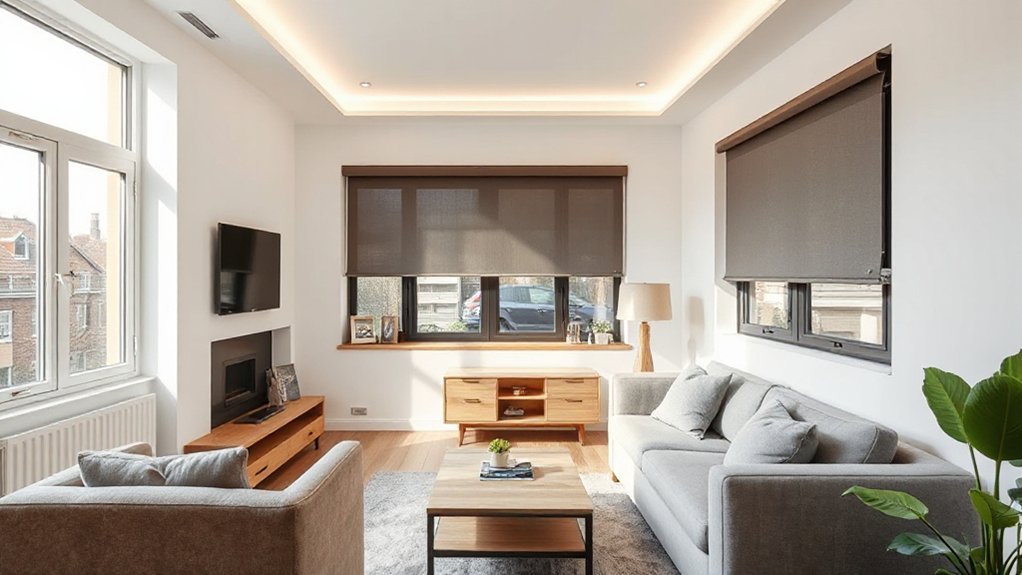
In small Liverpool homes, you can maximize efficiency by prioritizing compact, network-ready devices that centralize control without clutter. Smart lighting and tech integration streamline scenes, energy use, and responsiveness, while preserving space.
You’ll configure hubs to unify lighting, climate, and occupancy sensors, reducing wall clutter and setup time.
- Select compact, mesh-connected lighting controllers that support ambient presets and voice or app access.
- Integrate a single smart hub with device agnostic routines, ensuring quick routine edits and reliable performance.
- Use energy monitors and occupancy sensing to automate lights and climate, avoiding phantom loads and unnecessary cycles.
This approach emphasizes precision: stable networks, interoperable devices, and scalable layouts that adapt as your space evolves.
Sourcing Local Liverpool Decor and Crafts
Local Liverpool decor and crafts offer a practical way to echo your smart-home upgrades with tactile character. You’ll assess local options by prioritising build quality, material provenance, and finish consistency, then map each item to your room’s scale and lighting.
Target local artisan pieces that complement modern fixtures without overpowering them, checking joints, hardware, and finish tolerances for longevity. Visit craft markets to compare textures, colours, and sourcing stories, recording measurements and price points for budgeting.
Prioritise pieces with transferable utility, such as storage accents or modular art, to preserve flexibility as your tech evolves. Verify production timelines, return policies, and after-sales support.
Document care instructions to maintain every item’s resilience against humidity and daily wear.
Light Refurbishment vs. Total Renovation: What to Pick
Light refurbishment and full renovation each suit different goals and budgets, so start by defining the outcomes you need for durability, energy efficiency, and layout flexibility.
In practice, light refresh focuses on cost-effective upgrades, while renovation tackles structural and systems changes. Use this framework to decide.
- Assess durability and warranties for materials, finishes, and mechanicals.
- Compare energy performance improvements, such as insulation, glazing, and HVAC compatibility.
- Align furniture arrangement and color psychology with space function and traffic flow.
What to pick hinges on scope. If you value speed, lower disruption, and reversible changes, opt for light refurbishment.
If you require long-term utility, updated layouts, and higher resale potential, choose total renovation.
Accent Pieces to Tell a Liverpool Story
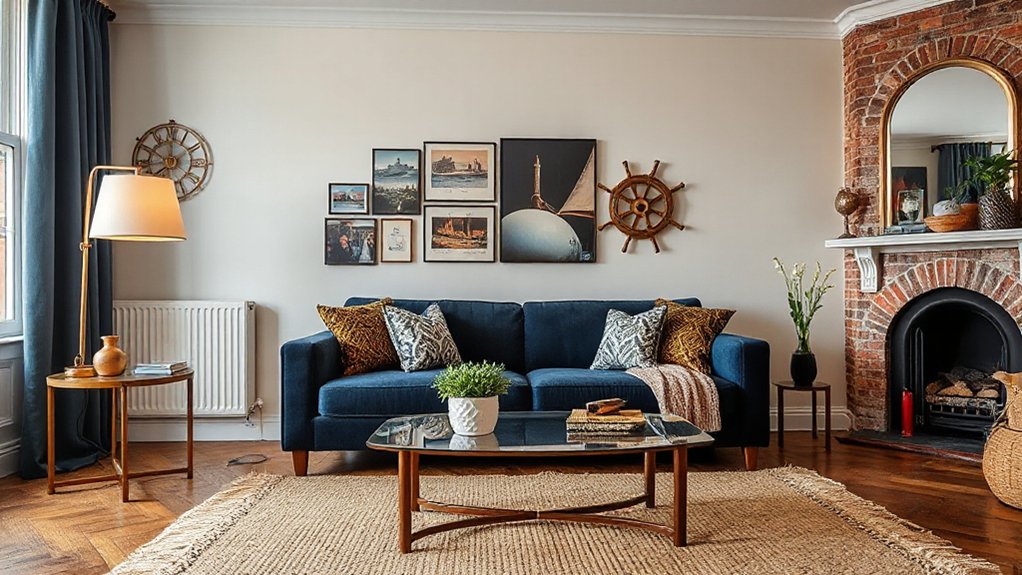
Accent pieces can crystallize a Liverpool narrative without overhauling the core layout. You’ll select items that breathe authenticity into rooms without shouting novelty.
Start with a restrained palette: sea inspired hues in textiles, ceramics, and small furniture accents, then anchor them with dark wood or brass hardware to evoke maritime heritage.
Prioritize proportionality: one focal accent per zone, with supporting pieces that repeat color, texture, and motif.
Integrate heritage accents like signage, map reproductions, or vintage L‑shaped shelving that nods to dockside history without clutter.
Opt for locally sourced or regionally inspired objects to enhance believability.
Use natural materials—linen, wool, jute—for texture progression.
Guarantee lighting highlights key pieces, avoiding glare that dulls details.
Finally, maintain cohesion via consistent scale and finish across rooms.
Maintenance Habits for Historic-Style Liverpool Homes
Regular gutter care and timely paint and plaster checks form the backbone of preserving historic-style interiors. You’ll establish a routine that inspects for leaks, blockages, peeling coatings, and cracks, addressing issues before they worsen.
This discussion starts with practical maintenance steps and the rationale for frequency, so you can plan targeted improvements that keep your Liverpool home authentic and durable.
Regular Gutter Care
- Inspect and clean for debris, ensuring downspouts flow freely and gutter slopes remain correct.
- Schedule periodic roof inspections to verify connections, fascia integrity, and flashing against moisture intrusion.
- Replace deteriorated sections promptly, documenting material type, age, and warranty coverage to prevent cascading failures.
With disciplined gutter maintenance, you reduce moisture exposure, protect interior finishes, and extend roof lifespan.
Maintain records and align tasks with seasonal weather patterns for consistent results.
Paint and Plaster Checks
Do you know why painting and plaster checks matter for historic-style Liverpool homes? Regular inspections prevent hidden moisture damage and help preserve authentic plaster finishes.
You’ll assess surface integrity, looking for hairline cracks, gypsum expansion, and rounded corners that signal movement. Check plaster thickness and joint compound around cornices, archways, and ceiling roses, noting any flaking or delamination.
Evaluate color schemes for compatibility with era-appropriate pigments and binding media, avoiding modern sheens on delicate surfaces. Document efflorescence or salt deposits, which indicate moisture ingress that can worsen plaster.
When addressing issues, use breathable products and compatible primers to maintain breathability. Schedule seasonal checks, prioritizing areas adjacent to roofs and plumbing, and record findings to guide long‑term maintenance and preserve original plaster finishes.
Quick Wins You Can Do This Weekend
If you’re aiming for fast impact this weekend, start with simple, high-return updates that don’t require big tools or major disruption. You’ll focus on measurable changes that elevate mood and perception without construction.
Prioritize tasks that improve daylight use and curb appeal, particularly Garden landscaping and Outdoor lighting, to extend usability of spaces.
- Refresh entry lighting with a warm, weatherproof LED fixture, ensuring proper voltage and dusk-to-dawn capability.
- Tidy and edge planters; swap tired mulch for fresh material and plant drought-tolerant perennials for color with minimal upkeep.
- Improve focal points by adding a compact seating area or sculpture near walkways, aligning sightlines from the interior to outdoor vistas.
Execute in a single afternoon; document before/after to quantify impact.
Frequently Asked Questions
How Can I Add Liverpool Charm Without Overpowering Modern Design?
You can blend Liverpool charm with modern design by layering maritime influences: use navy accents, brass hardware, and rope textures, while preserving clean lines. Incorporate Liverpool history through curated artwork and period-appropriate lighting for balanced, practical aesthetics.
Which Budget-Friendly Updates Deliver the Strongest Liverpool Vibe?
You should implement budget-friendly upgrades like cork flooring and painted brick to evoke Liverpool heritage and maritime accents, focusing on durable finishes, precise measurements, and inexpensive fixtures, ensuring authentic vibe without overdoing it or compromising practicality.
What Are Foolproof Color Schemes for a Coastal Liverpool Look?
Color schemes here are foolproof: think Seaside palettes with nautical accents, and you’ll nail a coastal Liverpool look. You’ll pair soft blues and sand, add navy trims, white ceilings, durable textures, and practical, durable finishes. You’re set.
How Can I Maximize Natural Light in Narrow Liverpool Rooms?
To maximize natural light in narrow Liverpool rooms, install sheer window treatments, place mirrors opposite windows, and consider skylight installation where feasible; optimize with light colors. Use strategic window treatments and skylight installation for consistent brightness.
What Quick Fixes Upgrade Durability for Riverfront Homes?
You’ll see quick fixes boost durability by using rust proof fixtures and weather resistant materials, prioritized visually at first to calm objections. You implement seamless seals, corrosion-resistant hardware, UV-stable coatings, and reinforced doorframes for riverfront protection.
Conclusion
You’ve got the blueprint to elevate a Liverpool home without losing its soul. By balancing heritage charm with modern practicality, you’ll enjoy durable materials, coastal color cues, and space‑saving touches that age gracefully. Objection: “It’s too costly.” Counter: start with targeted updates, reuse vintage finds, and layer textures over time to maximize impact per pound. Stay practical, monitor moisture, and refresh lighting seasonally—your space will feel timeless, liveable, and unmistakably Liverpool.