
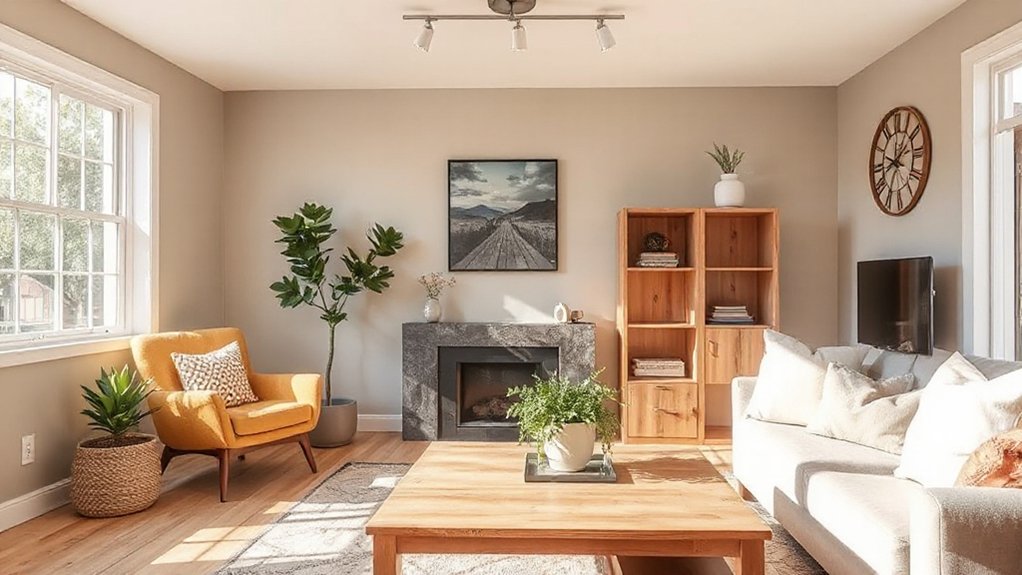

Budget-friendly renovations let you upgrade daily life without blowing your budget. Start with clear priorities, a realistic cap, and a plan that mixes DIY and smart pro help where it matters. Use durable, easy-to-maintain materials, refresh walls with affordable paint, and swap hardware or layout to create big impact with small costs. You’ll gain function and style, but the path isn’t always straightforward—there are tradeoffs and decisions that can steer you toward a surprisingly satisfying outcome.
What Budget-Friendly Renovations Deliver
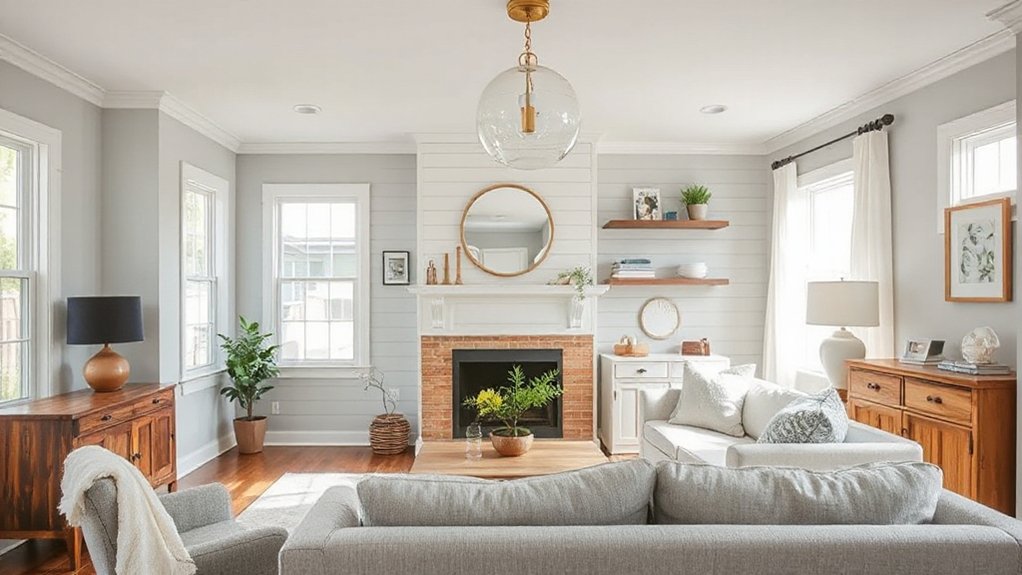
When you choose budget-friendly renovations, you’ll gain more than just a fresh look—you’ll maximize value with minimal cost. You’ll deliver practical upgrades that improve daily living while protecting resale potential.
Focused renovations reveal measurable returns: better lighting increases perceived space, durable finishes cut ongoing maintenance, and efficient layouts boost usability.
Use budgeting techniques to allocate wisely—prioritize high-impact areas, compare materials, and negotiate timelines to reduce waste.
Beware renovation myths that waste time or money; upgrades aren’t about chasing trends, but about function, durability, and clarity of purpose.
Small changes, like trim, hardware, or paint, can yield big perception shifts without breaking the bank.
The result is a home that feels refreshed, stays within budget, and supports long-term comfort and value.
Set a Realistic Budget Without Sacrificing Impact
Setting a realistic budget starts with a clear brief: define what must stay and what’s negotiable, then map costs against impact. You’ll prioritize high-impact upgrades, using cost effective landscaping to boost curb appeal without overspending.
Identify nonessential features you can defer or redesign, and set a hard cap for each category. Seek quotes from multiple suppliers, comparing total costs rather than unit prices alone, and build a contingency of 10–15% for unforeseen fixes.
Leverage sustainable materials where possible to reduce long-term maintenance, even if upfront costs appear higher. Favor DIY-friendly tasks that save labor, but know when to hire pros for critical elements.
Track progress weekly, reallocate funds as needed, and document decisions to avoid scope creep. With disciplined budgeting, you maximize impact while preserving room for future updates.
Prioritize Projects That Add Daily Value
Prioritize upgrades that you’ll use daily, like more efficient lighting or a better kitchen layout, to maximize everyday value.
Focus on high-tivot upgrades—those that boost daily use and comfort without wasting budget.
Start with clear criteria and tackle the changes that deliver the most consistent, practical payoff.
Maximize Daily Use Value
You should focus on projects that you’ll use every day, because daily value compounds into real savings and comfort. Prioritize improvements that streamline routines, reduce friction, and enhance usable space without adding clutter.
Reimagine furniture layout to improve flow: optimize seating, traffic patterns, and storage access so you actually use what you own. Furniture arrangement can liberate square footage you already pay for, making daily tasks faster and more pleasant.
Choose fixes with long-term payoff, like durable surfaces, easier-clean fixtures, and smarter lighting, so you gain comfort daily.
Seasonal decorating should be simple, reversible, and low-cost, letting you refresh without major overhauls. Invest in versatile pieces and modular storage that adapt through the year, preserving value and function.
Prioritize High-Tivot Upgrades
Smart daily upgrades focus on the tasks you run through every day, so pick projects that clearly cut time, mess, or effort. Prioritize upgrades that add tangible daily value, not vanity fixes.
Start with high-impact changes: a efficient faucet, LED lighting, or a smart thermostat that trims energy use without complicating routines. Reallocate funds toward tasks that shorten chores or accelerate routines, like a more functional storage system or an organized mudroom.
Tie every choice to Budget planning, ensuring costs stay predictable and aligned with the payoff. Challenge renovation myths that bigger is better; small, well-planned tweaks often outperform flashy remodels.
Measure expected time savings, maintenance reduce, and resale appeal, then rank projects by daily impact to maximize return on effort. Execute selectively, track results, adjust as needed.
Refresh Walls on a Budget
Quick, affordable ways to refresh your walls start with a plan: pick a simple color change or texture, then tackle surface prep, paint quality, and finish options in that order. You’ll gain impact without overhauling rooms, using deliberate choices for long-lasting results. Focus on color palettes that harmonize with existing furnishings, and consider subtle wall textures to add depth without heavy labor.
1) Choose durable, low-odor paints in your chosen color palette to minimize downtime.
2) Prep thoroughly: clean, repair nail holes, and sand ridges for smooth coverage.
3) Select finishes (eggshell or satin) for easy cleaning and balanced sheen.
Keywords: Color palettes, Wall textures.
Affordable Flooring Options That Don’t Require a Tear-Out
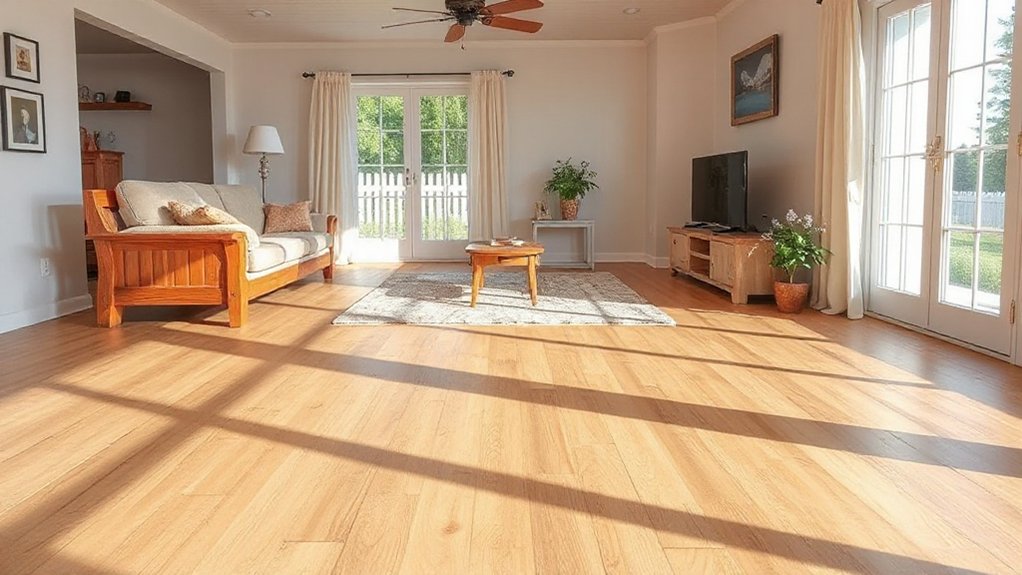
You can upgrade floors without tearing up walls by exploring peel-and-stick, budget laminate, and vinyl plank options that fit tight budgets and quicker installs. These choices offer easy DIY setup, durability, and a range of looks—from wood vibes to modern patterns.
We’ll cover what’s practical, cost-effective, and best for busy spaces so you can pick confidently.
Peel-and-Stick Flooring
1) Choose a durable wear layer and a realistic finish to maximize longevity and your sense of value.
2) Measure carefully, cut cleanly, and align edges precisely for a professional look that lasts.
3) Budget-friendly upgrades come together faster when you prep underlayment where needed and follow manufacturer instructions to avoid gaps or bubbles.
Budget Laminate Options
Laminate options that fit a tight budget can still deliver a refreshed look without tearing out existing floors. You’ll find ready-made planks that mimic wood or stone, offering quick installation with minimal mess.
Focus on laminate durability ratings and wear layers when comparing products, so you avoid surprises in high-traffic areas.
Choose a floating floor setup to simplify installation and reduce labor costs, then seal edges with affordable seam pieces to keep seams tight.
For a clean reveal, pair with matching baseboards and underlayment that reduces sound and moisture exposure.
Look for budget installation packages from reputable brands that include precut planks and simple alignment guides.
Finally, verify warranty terms and return policies to protect your investment if colors or textures shift over time.
Vinyl Plank Versatility
Vinyl plank offers versatile, affordable options that don’t require a tear-out. You’ll get easy installation, quick updates, and minimal mess, with durable surfaces priced well below major remodels.
Consider how durability options vary: wear layers, waterproof cores, and tongue-and-groove locking systems help you tailor resilience to traffic and moisture. You’ll benefit from straightforward maintenance and long life, making it a practical upgrade for kitchens, baths, and entryways.
- Easy DIY install for immediate visible impact
- Waterproof or water-resistant choices that fit busy households
- Strong wear layers that resist scratches and stains
Vinyl plank delivers dependable performance, avoids demolition, and aligns with smart budgeting, delivering durable, refreshed spaces without compromise.
Clever Storage Solutions for Small Spaces
Need smarter storage fast in small spaces? Start by prioritizing vertical solutions. Use wall-mounted shelves, pegboards, and magnetic strips to free floor area while keeping essentials accessible.
Opt for furniture with built-in storage—ottomans, bed frames with drawers, and coffee tables with cubbies—to reduce clutter without sacrificing style.
Choose stackable containers and uniform bins to streamline visibility and access. Think modular, so you can reconfigure as needs shift.
Install doors and curtains to conceal seasonal items; use under-bed drawers for off-season gear.
Label everything clearly for quick retrieval and maintain a simple, consistent system so creative storage remains practical, not puzzling.
For tight corners, add slim rolling carts or hollow storage stools.
In small space, efficiency equals calm.
Kitchen Tweaks That Look Smart on a Budget
Refresh your kitchen vibe with fresh cabinet handles, a quick swap that makes a big impact. You can also brighten surfaces with a fresh coat of paint and tailor the look with open shelving to display essentials.
These budget-friendly tweaks set a smart foundation for more improvements without breaking the bank.
Fresh Cabinet Handles
Upgrading cabinet handles is one of the simplest, most noticeable DIY fixes you can tackle on a budget. Fresh handles instantly modernize a space without a full remodel, and they’re easy to swap in under an hour. Choose ergonomic shapes for comfort and choose finishes that match your existing Kitchen accessories and hardware style.
You’ll gain a calmer, cleaner look that also boosts cabinet organization by reducing clutter signals from mismatched pulls.
- Swap to coordinated finishes (brushed nickel, matte black) for a cohesive kitchen vibe.
- Opt for medium-length pulls to fit standard openings and improve reach.
- Use labeled, uniform knobs near pantry zones to reinforce organization and efficiency.
Paint Over Surfaces
Start with a prep plan: clean, degrease, light sand where needed, and repair flaws.
Choose a durable paint finish suitable for kitchens—eggshell for walls, semi-gloss or satin for cabinets and trim—balancing washability and sheen.
Consider color psychology: cool neutrals feel larger and calmer; warm tones invite coziness; bold accents draw focal points without full replacement.
Test swatches in daylight and artificial light to confirm consistency.
Use quality brushes or rollers and apply thin, even coats, allowing ample drying time.
Label cans for future touch-ups and store leftovers for minor fixes.
Open Shelving Tips
Open shelving can streamline a kitchen without a full remodel, giving you easy access to everyday essentials while showcasing favorite dishes and glassware. You’ll use open shelving to create a lighter, more organized look, while keeping essentials within reach.
Focus on display styling that feels intentional, not crowded, and choose cohesive colors and textures for a polished vibe.
1) Group items by use and color to form clean, visual blocks that guide the eye.
2) Mix heights with a few taller pieces and stacked dishes to add dimension without clutter.
3) Swap out mismatched hardware periodically and rotate décor to refresh the space while staying budget-smart.
Luxe-Looking Bath Updates on a Lean Budget
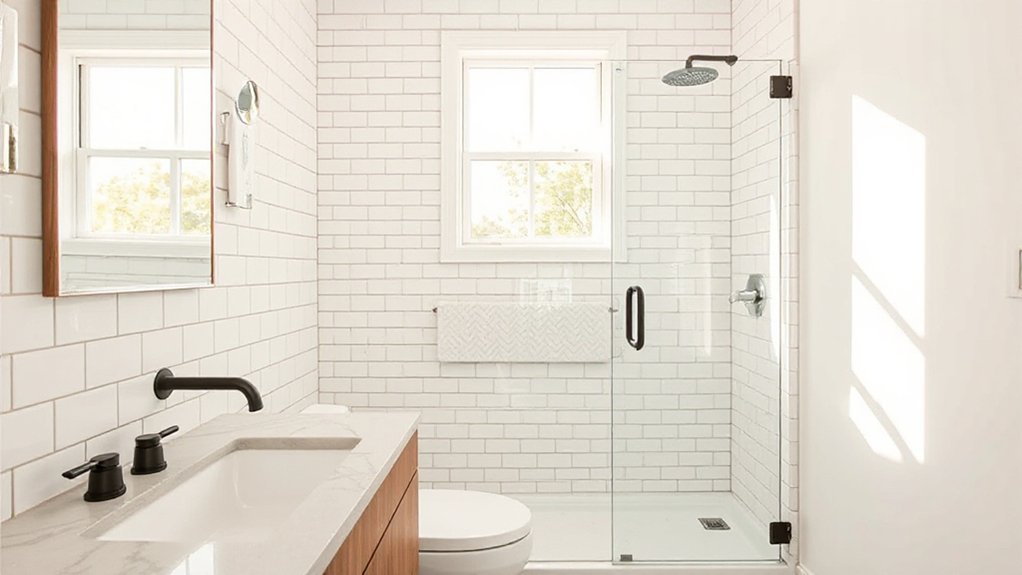
Transforming a dated bath on a tight budget is absolutely doable with smart choices that deliver a luxe look without the price tag. You don’t need a full remodel to elevate perceived quality.
Start with simple swaps: update fixtures with brushed-nickel or matte-black finishes, replace hardware, and install a new shower curtain rod system for a cleaner line.
Layer texture with plush towels, a woven bath mat, and a granite- or quartz-look countertop wrap if replacing isn’t feasible.
Add luxury accessories like a beveled mirror, soap dispensers, and matching storage baskets for a cohesive feel.
Embrace spa-inspired decor through calming colors, soft lighting, and minimal clutter.
Prioritize durable materials and water-efficient options to maintain value and reduce future costs.
Energy-Saving Moves That Pay Back Fast
Energy-saving moves pay back fast because small, smart changes add up quickly. You’ll feel the impact in your next bill and your comfort level at home. Focus on straightforward upgrades that yield measurable gains without a headache.
1) Install solar panels where sun exposure is strongest. Even partial coverage can cut daytime electricity use and boost resale value.
2) Switch to energy efficient appliances with high SEER and ENERGY STAR ratings. Lower operating costs compound over years, not months.
3) Tighten insulation and seal leaks around windows and doors. Reduced heat loss or gain means your HVAC works less, lasting longer.
These steps deliver practical, tangible results you can track month to month, without waiting for complex projects or big budgets.
DIY Projects That Save Time and Money
You’ll start with Time-Saving DIY Tricks that cut chores down to basics, so you get more done in less time.
Budget-Friendly Renovation Hacks show you practical, low-cost tweaks that speed up projects without sacrificing quality.
Let’s discuss which techniques fit your space, then share concrete steps to maximize efficiency and value.
Time-Saving DIY Tricks
Even when you’re on a budget, you don’t have to sacrifice results: these time-saving DIY tricks cut labor without cutting quality. You’ll streamline upgrades by planning shared tasks, batching steps, and using multipurpose materials.
Quick wins come from prepping once, then finishing faster with tools that do double duty, so you reclaim time without sacrificing finish.
- Batch painting prep and rolling: wire brush, tape, and prime in one pass, then roll out color efficiently, reducing coats and cleanup.
- Modular shelving install: level once, bolt segments together, and reuse fittings for future updates.
- Outdoor lighting alignment: plan placement for color psychology effects and energy efficiency, then install boxed kits that snap in place for instant ambiance.
These tweaks save time, leverage smart design, and keep outdoor lighting purposeful. Color psychology matters.
Budget-Friendly Renovation Hacks
If you’re renovating on a budget, practical hacks can save time and money without sacrificing quality. Start with planning, then reuse and repurpose where you can. Focus on cosmetic wins: paint, updated hardware, and intelligent lighting can transform spaces fast.
Do-it-yourself tiling or peel-and-stick features cut labor costs while delivering sharp results—take your time measuring and templating. Source reclaimed or surplus materials to reduce expense without compromising style.
When you aim for luxury upgrades, choose a single statement area—an accent wall, bold cabinetry, or high-end fixtures—that elevates the room without a full overhaul.
For finishes, mix and match high end finishes with affordable basics to balance price and impact. Finish sets should be durable, easy to clean, and resist wear in high-traffic zones.
When to Hire Help vs. Do It Yourself
When deciding between hiring help and tackling a project yourself, start by honestly evaluating your skills, tools, and time.
If the task involves electrical, plumbing, or structural work, consider professional guidance to avoid DIY pitfalls and safety risks.
For simpler projects, you can preserve budget by DIY, but set a strict timeline, budget, and learning plan.
1) Know when to stop: if you hit uncertainty, pause and reassess.
2) Compare costs: material savings versus potential redo expenses.
3) Observe your limits: prioritize tasks that efficiently boost value without overreaching.
Where to Save and Where to Invest: Materials for Budget Renovations
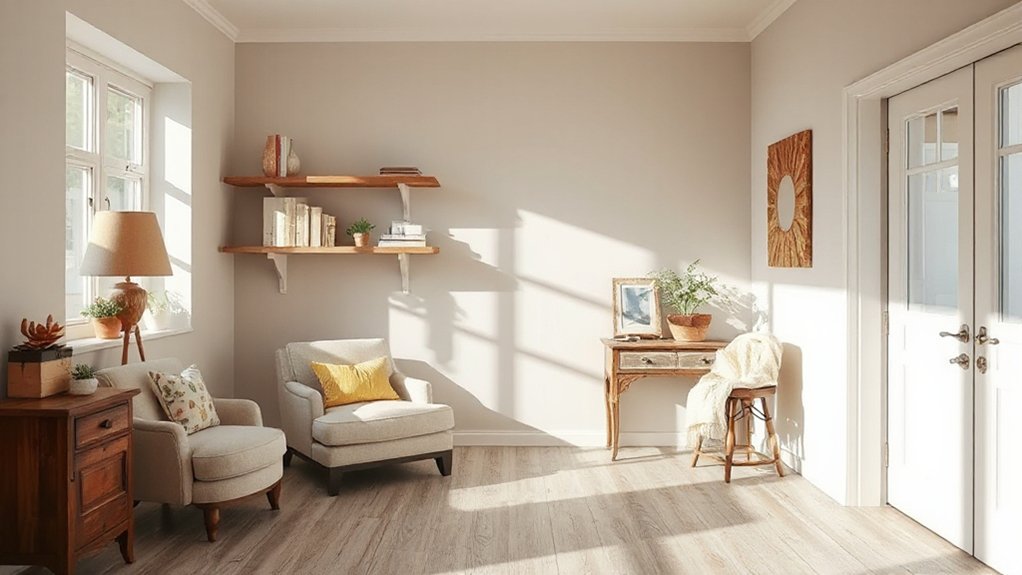
Choosing where to save and where to invest starts with smart material decisions. You’ll want durable basics in high-traffic zones, where cost per year matters most, like flooring and countertops.
For saves, pick standard formats, off-the-shelf finishes, and widely available colors to reduce waste and margins.
Invest in performance where failure would be costly or inconvenient, such as structural components, insulation, and moisture barriers.
Look for sustainable materials that don’t inflate your budget—reclaimed wood, cork, and porcelain tiles can be budget-friendly when chosen thoughtfully.
Prioritize eco-friendly options that balance lifecycle cost with aesthetics, avoiding trends that require frequent replacement.
Maintain transparency with vendors about warranties, maintenance, and installation requirements to maximize value over time.
Real-World Budgeting Tips and Checklists
Real-budgeting starts with a clear plan: set a hard overall cap, itemize nonnegotiables, and build a buffer for hidden costs. You’ll translate goals into measurable costs, then track every dollar against the plan to avoid drift.
Stay disciplined: confirm bids, verify inclusions, and flag any scope creep before it happens. Address renovation myths head-on—don’t assume more tools equal better results, and don’t chase trend-driven upgrades without ROI.
Use a real, live budget checklist to stay aligned with targets, not emotions.
- Pin down nonnegotiables first, then tradeoffs later
- Update the budget weekly and document all variances
- Review phase-by-phase, not project-wide, to prevent surprises
Case Studies: Budget Transformations in Real Homes
Case studies reveal how tight budgets reshape real homes. You’ll see rooms transformed with smart material swaps, careful layout changes, and high-impact details that don’t scream “cheap.”
In these real-world examples, you prioritize function first: durable surfaces, efficient lighting, and proven storage solutions that maximize every square inch. You’ll notice how DIY mindset pairs with selective pro input to avoid waste and delays, keeping projects on track and on budget.
Often, the magic comes from small, deliberate upgrades—fresh paint, open shelving, and hardware swaps—that finish spaces with polish. Luxury upgrades and designer inspiration appear through thoughtful choices rather than lavish cost.
You’ll learn to replicate mood and proportion by using scale, contrast, and timing, not by overspending.
Quick Win Roadmap: A 30-Day Budget Renovation Plan
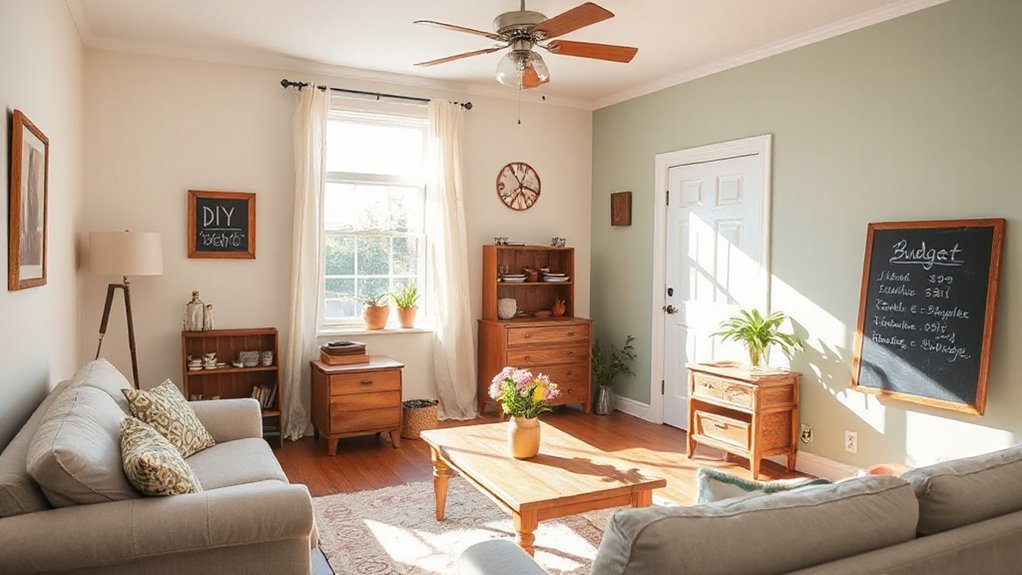
So you’ve got 30 days and a tight budget—here’s a practical, fast-track plan to nail a quick-win renovation without headaches. You’ll secure high-impact results with minimal disruption by prioritizing simple, reversible changes that elevate both vintage charm and curb appeal, including targeted outdoor upgrades.
1) Focus on finish-level updates: refresh paint, swap hardware, and update lighting to transform rooms fast.
2) Target outdoor upgrades: power-wash, repair siding, add inexpensive planters or a new mailbox to boost first impressions.
3) Schedule a 2-week sprint: test ideas in small areas, measure impact, and repeat with budget-conscious materials.
This roadmap keeps you aligned, reduces surprises, and delivers noticeable gains—without breaking the bank.
Frequently Asked Questions
How Can I Measure Real Savings From Small Upgrades?
You can measure real savings by tracking upfront costs versus monthly utility reductions, resale value, and maintenance cuts. Use DIY projects and eco friendly options to compare, and build a simple spreadsheet to monitor ROI over 6–12 months.
What Hidden Costs Commonly Break a Budget?
In the budget trap, hidden costs derail you—overruns, permits, delays, and scope creep multiply. You’ll avoid this by budgeting for design trends, vetting contractor selection, obtaining detailed quotes, and allowing contingency to keep projects on track.
Which Upgrades Have the Best Resale Value?
Upgrading with the best resale value, you’ll prioritize energy efficiency and luxury features, as they attract buyers. You’ll install efficient windows, insulation, and smart systems, while adding high-end touches that feel exclusive without overspending.
How Do I Prioritize Safety With Budget Constraints?
Imagine this: you’re steering a safe ship through rough seas. You prioritize safety with budget constraints by doing DIY projects and scheduling safety inspections first, then allocate funds, document risks, and tackle high-impact, low-cost upgrades.
Can I Finance Renovations Without High Interest?
Yes, you can finance renovations with reasonable rates—shop credit unions, FHA 203(k), or personal loans, compare terms, and pay early if possible. For DIY projects and eco friendly options, prioritize low-cost, high-impact fixes with careful budgeting.
Conclusion
You’ll save money without skimping on impact, but the contrast matters: high hopes vs. quiet realities. You can refresh with paint and hardware, yet still crave lasting durability. Plan pragmatically, and watch costs stay calm while aesthetics rise. Quick wins spark confidence, yet patient budgeting secures bigger gains. Embrace small wins that compound into real comfort, even as you navigate trade-offs. Your budget becomes your blueprint—practical, precise, and relentlessly resourceful.