
A coincidence often guides what you’ll do next: you notice how a minor drip or draft pattern suddenly matches a tenant complaint you just heard. So you’ll want a practical, staged plan—start with a solid layout, integrated storage, and neutral finishes, then shore up safety with detectors and quick repairs that prevent turnover. Keep curb appeal tidy and energy bills predictable, while you tighten screening and lease terms. Ready to map the steps that keep long-term renters happy, and your property stable?
Define Your Tenant-Ready Townhouse: Qualities Long-Term Renters Value
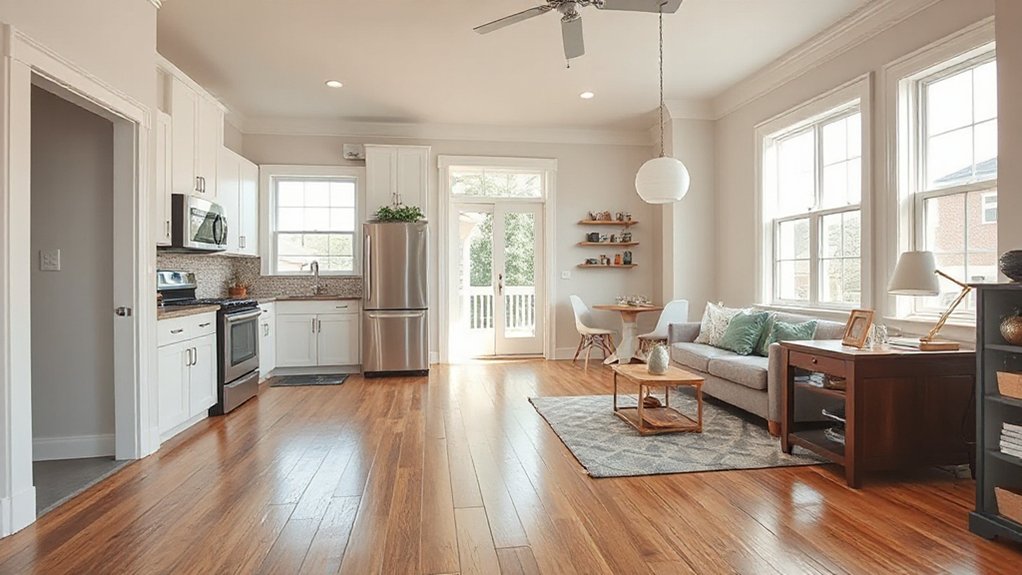
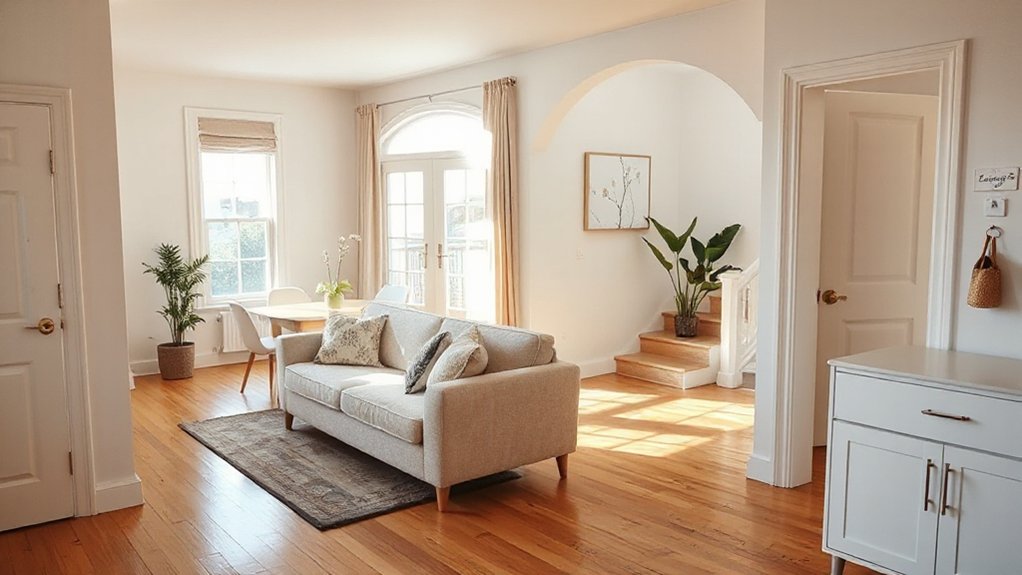
A tenant-ready townhouse is defined by its reliable, low-maintenance functionality and effective living experience. You’ll want a layout that maximizes flow, minimizes wasted space, and supports easy furniture placement.
Prioritize durable finishes, neutral tones, and clean sightlines to reduce upkeep and appeal to varied tenants. Interior decor should strike a balance between practicality and appeal; opt for finishes that withstand daily use and still feel welcoming.
Storage matters: integrated closets, built-ins, and clever nooks prevent clutter and support long-term comfort.
Community engagement isn’t just about amenities; it’s about clear communication and responsive management that makes tenants feel heard. Define expectations in writing, establish responsive channels, and showcase neighborhood assets to attract reliable, long-term renters who value stability.
Safety First: Essential Upgrades That Protect Your Investment
Prioritize safety upfront by installing and maintaining code-compliant smoke alarms throughout the townhouse, with fresh batteries and test checks every month.
Plan electrical panel upgrades only after a professional assessment shows the panel can’t safely handle modern loads, reducing fire risk and service interruptions.
This discussion starts with confirming compliance and readiness, then pairing these upgrades with a clear budgeting and timeline for long-term reliability.
Smoke Alarm Compliance
Smoke alarms aren’t optional when you’re preparing a townhouse for long-term tenants; they’re a legal requirement and a critical line of defense. You should verify each unit has working smoke detectors on every level and near sleeping areas, with fresh batteries or a hard-wired system where required.
Test monthly and replace devices that fail or exceed their lifespan. Document inspections and maintenance in a central log for tenant safety and compliance records.
Guarantee detectors are positioned to avoid nuisance alarms from kitchens or bathrooms, while still providing prompt notification. Consider interconnected alarms for enhanced coverage and immediate alerts to all occupants.
Include carbon monoxide detectors in homes with gas furnaces or attached garages, and educate tenants on recognizing alarm signals and response steps.
Electrical Panel Upgrades
Is your electrical panel up to the task of long-term tenancy, or is an upgrade overdue? If you’re planning upgrades, start with a panel assessment to prevent outages and overloads. An aging or undersized panel can fail under higher demand from modern appliances and heating systems, risking safety and rent collection.
Focus on reliability, not just capacity, by ensuring proper grounding, clear labeling, and accessibility for breakers. Upgrading improves electrical wiring compatibility, supports circuit capacity, and reduces nuisance trips.
Plan for future growth, not just current needs, to protect your investment.
- Schedule a licensed electrician to evaluate load calculations and main breaker size.
- Replace undersized or outdated components, including bus bars and grounding.
- Install future-ready features like dedicated circuits for HVAC and major appliances.
Essential Repairs: Quick Fixes That Prevent Expensive Turnovers
To prevent costly turnovers, start with quick, practical repairs that guard against common tenant issues. You’ll prioritize fixes that reduce callouts and extend tenancy confidence.
Tackle leaks under sinks, slow-dripping faucets, and running toilets to prevent water damage claims.
Seal gaps around windows and doors to cut drafts, lower heating costs, and deter pests.
Test smoke and carbon monoxide detectors; replace batteries and units as needed.
Address chipped paint and scuffed walls with quick-touch repairs to preserve interior decor and reduce resident dissatisfaction.
Replace burned-out bulbs and dim lighting in common areas for safety and comfort.
Ensure landscaping aesthetics by trimming overgrowth and cleaning neglected entryways, while keeping updates cost-conscious.
Document fixes, timelines, and warranty details to support future turnovers.
Curb Appeal That Attracts Reliable Tenants
A strong curb appeal sets the tone for how tenants perceive the property long before they step inside, so start with a practical, step-by-step approach that boosts safety, cleanliness, and first impressions. You’ll create an inviting, low-maintenance exterior by prioritizing clean lines, clear pathways, and visible security.
- Tidy garden landscaping with defined borders, mulched beds, and drought-tolerant plants to reduce upkeep while boosting appeal.
- Install exterior lighting along walkways, entry, and the porch to improve safety and create a welcoming glow after dark.
- Pressure-wash siding, seal gaps, and repaint trim in neutral tones to refresh the façade without overhauling the structure.
Energy Efficiency Upgrades for Lower Costs
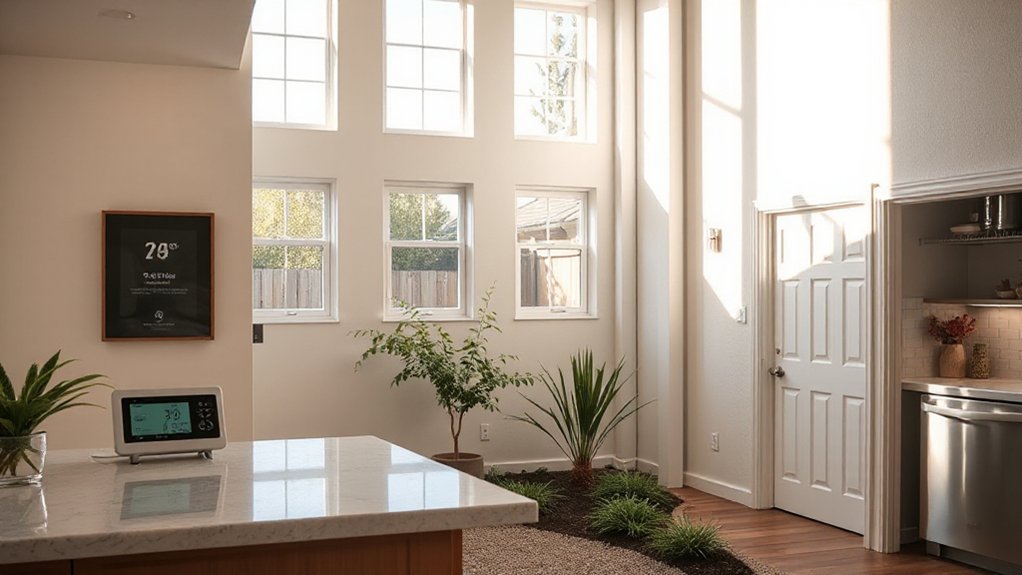
You can start with insulating upgrades that meet your practical budget by prioritizing attic and wall insulation to reduce heat loss.
Pair this with efficient heating strategies, like programmable thermostats and zone control, to maximize comfort and cut fuel use.
Add low-cost power savings through smart plugs and LED lighting to tighten overall operating costs without sacrificing tenant satisfaction.
Insulation Upgrades Basics
Are you starting with the right plan for insulation? You’ll focus on basics that deliver steady savings without overhauling walls. Start by evaluating the current layer and identifying gaps, then choose effective insulation materials suited to a townhouse’s framing and climate.
Prioritize ceiling and attic work first, since heat loss often climbs there, and ensure proper attic ventilation to avoid moisture buildup. Implement targeted upgrades that balance cost and payoff, rather than chasing every trend.
Plan for long-term tenant comfort with durable materials and simple installation steps that minimize disruption.
- Assess existing insulation and sealing opportunities before purchasing materials.
- Prioritize attic and ceiling upgrades, including moisture controls and ventilation checks.
- Select proven insulation materials with good R-values and long-term performance.
Efficient Heating Strategies
Efficient heating starts with tightening the system you already rely on. Start with a professional tune-up and replace filters every 1–3 months to maintain airflow and efficiency.
Seal leaks around doors, windows, and attic accesses; use weatherstripping and conductive foil tape to close gaps without expensive retrofits.
Prioritize sensible zoning: install or optimize programmable zones so bedrooms heat when occupied and common areas cool when empty.
Indoors, add thermal mass calibration—curtains at night, reflective blinds on sunny walls—to minimize heat loss.
Emphasize smart thermostats for precise scheduling, load balancing, and real-time adjustments; verify compatibility with multi-zone controls.
Track energy use weekly, adjusting setpoints by 2–3 degrees when occupants are away.
Combine these steps with routine maintenance for consistent comfort and lower bills.
Indoor plants support air quality without impacting heat.
Low-Cost Power Savings
Could you cut costs right away with simple, high-impact upgrades? You can begin with practical, low-cost steps that improve daily comfort while trimming bills. Prioritize control, efficiency, and future-proofing with a focus on user-friendly options tenants will actually use.
Implementing smart thermostats lets you set precise schedules, reduce heating and cooling waste, and provide remote adjustments without costly retrofits. Pair this with proper insulation checks and air-sealing to prevent drafts.
For long-term savings, consider solar paneling as a scalable feature that lowers utility costs and enhances property appeal.
Track results with monthly energy bills and tenant feedback to refine the approach.
- Install smart thermostats with zoning where feasible
- Seal gaps and improve insulation on doors/windows
- Explore solar paneling feasibility and incentives
Draft a Tenant-Friendly Lease You Can Enforce
To draft a tenant-friendly lease that you can reliably enforce, start by outlining clear, enforceable rules and expectations that protect both sides. List responsibilities for habitability, timely rent, maintenance requests, and noise limits with practical thresholds and response times.
Use precise terms for penalties, late fees, and cure periods, and specify lease termination triggers so neither party surprises the other. Include notice requirements for entry, inspection, and renewal, plus clearly defined security deposit handling and return timelines.
Address common issues such as subletting, pets, and utility responsibilities with fair, enforceable clauses. Guarantee Tenant rights are acknowledged, while preserving your ability to enforce essentials like breach remedies and eviction procedures within local law.
Keep language straightforward to minimize disputes and support smooth Lease termination if needed.
Screen for Great Tenants: Process, Criteria, and Documentation
You’ll establish clear Tenant Screening Criteria, map out the Documentation Requirements Checklist, and set a concise Application Process Timeline so you can quickly assess applicants.
This approach keeps evaluations consistent, reduces bias, and speeds up approvals without sacrificing due diligence.
We’ll cover practical steps to implement and align these elements with your lease terms and property goals.
Tenant Screening Criteria
Effective tenant screening blends reliability with fairness: you’ll establish clear criteria, verify documentation promptly, and document every step to minimize risk and protect rights.
You set objective benchmarks, balance income, credit history, and rental history, and prioritize stability over convenience. You’ll weigh evictions, delinquency patterns, and current obligations to predict tenant reliability while avoiding bias.
Clear thresholds help you manage expectations during lease negotiations and support tenant retention through transparent standards. Use consistent methods across applicants to defend against disputes and legal risk.
- Define minimum income-to-rent ratio and acceptable debt-to-income ranges.
- Require verifiable references and documented rental history checks.
- Screen for safety-compliant pets, occupancy limits, and timely payments while documenting outcomes.
Documentation Requirements Checklist
Documentation is the backbone of a fair, efficient screening process, and this checklist keeps you organized from the first inquiry to lease signing. You’ll verify documentation in clear, repeatable steps to minimize gaps and delays.
Begin with identity confirmation and lawful income verification, then collect recent pay stubs, employer contact, and most recent tax returns if needed.
Run standardized reference checks and document past eviction history only when legally permissible. Include lease history, credit review notes, and any relevant certifications.
Maintain a centralized file with dates and reviewer initials to guarantee accountability.
Use the results to tailor lease negotiations, focusing on payment reliability and maintenance expectations.
This approach supports tenant satisfaction by fostering transparency and consistency throughout the screening and onboarding process.
Application Process Timeline
How long should the application take, and what must you capture at each stage? You’ll map each phase to a quick, verifiable outcome, protecting Landlord responsibilities while maintaining tenant communication. Start with a clear deadline, then collect applicant data, consent, and screening releases. Track verifiable documents and respond with concrete decisions to minimize delays and disputes.
- Intake and eligibility: verify gross income, absence of evictions, and minimum criteria; note missing items immediately.
- Screening and verification: confirm references, employment, and credit where appropriate; document any anomalies.
- Decision and onboarding: issue a formal offer or denial, outline next steps, and provide required lease documents. Include timelines, signature requests, and move-in prep.
Maintenance Routines That Scale as Your Property Grows
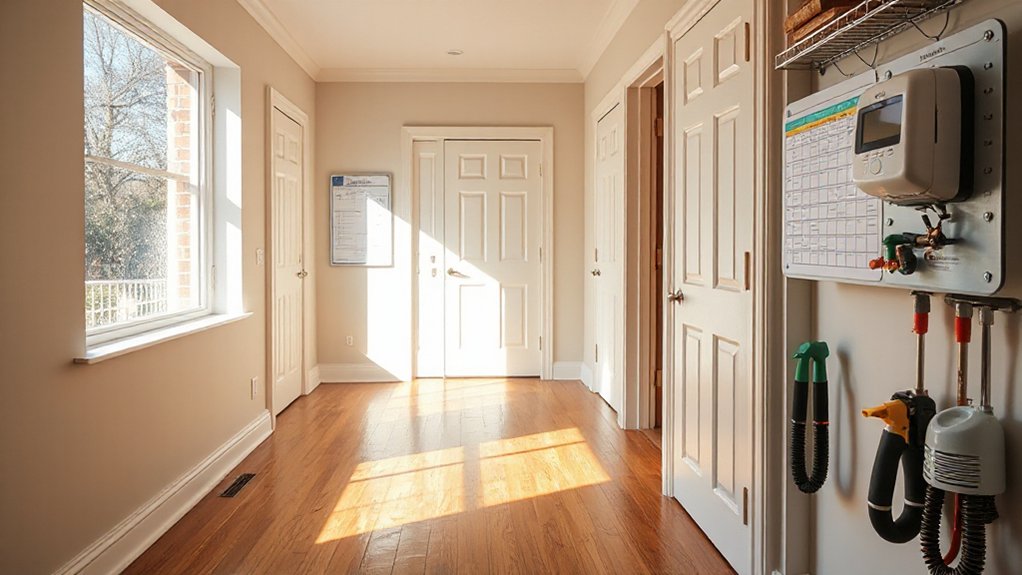
As your portfolio grows, build a scalable maintenance plan that adapts to more units without grinding to a halt. You’ll standardize checklists for seasonal tasks, assign owners, and set fixed cadence for inspections and repairs.
Create centralized sourcing for parts and services to lock in pricing and reduce delays during turnover. Use tiered alerts: daily for urgent issues, weekly for routine maintenance, monthly for deep-cleaning and safety checks.
Automate reminders and log results in a shared system you can audit later. Incorporate Gardening tips into landscape scheduling and Pest control into preventive routines, aligning with local climate cycles.
Track metrics like response time and completion rate to refine staffing, budget, and contractor relationships as you scale. Maintain clear handoffs to prevent gaps between properties.
Legal and Compliance Checks You Can’t Skip
Managing legal and compliance checks is non-negotiable for long-term tenancy success; you’ll want a precise, repeatable process that protects you and your tenants. You’ll establish clear documentation, verify code compliance, and maintain records to defend against disputes. Focus on eligibility, safety, and fair-housing standards to reduce risk while presenting a professional image in Property marketing and neighborhood analysis.
- Verify local safety codes, including smoke/CO detectors, egress, and wiring, and document every inspection.
- Confirm tenant screening aligns with fair-housing laws, collect consent, and keep compliant records for audits.
- Map ongoing compliance tasks to your calendar, linking property marketing messages to safety features and the neighborhood’s legit amenities.
Move-In Ready Checklist for a Smooth Transition
To guarantee a smooth shift, start with a tight move-in checklist that covers essentials tenants need on day one and protects your property. Begin with a thorough inspection checklist: doors, locks, working outlets, smoke and CO detectors, and HVAC filters. Prepare fresh batteries, replace air filters, and confirm thermostat settings.
Equip the unit with basics: light bulbs, period-appropriate switchplates, and an easily accessible shut-off for water. Document current conditions with photos and notes to avoid disputes later. Provide a clearly labeled mailbox, trash cans, and key inventory.
Instruct tenants on maintenance expectations and who to call for urgent issues. Consider interior styling tweaks that refresh appeal without overinvesting, and share landscaping tips to ensure curb appeal stays strong between tenant turnovers.
This proactive approach reduces turnover friction and raises satisfaction.
Frequently Asked Questions
How Soon Should I Start Preparing Before a New Tenant Moves In?
You should start preparing about 2–4 weeks ahead. Create a maintenance schedule, outline with a clear timeline, and establish tenant communication channels so you can address questions fast and guarantee a smooth move-in process.
What Are the Must-Have Smart Home Features for Longevity?
Smart security and energy efficiency are must-haves. You should install smart locks, cameras, motion sensors, and thermostat controls, prioritizing reliable Wi‑Fi, routine maintenance, and scalable integration to guarantee longevity and easy tenant satisfaction.
How Can I Reduce Turnover Without Compromising Safety?
Reduce turnover without compromising safety by prioritizing thorough tenant screening, proactive maintenance, clear lease terms, and consistent communication; monitor renewal triggers, offer incentives at lease renewal, and address safety concerns promptly to boost tenant satisfaction and retention.
Which Documents Best Protect Me During Disputes?
Rental agreement and lease clauses best protect you during disputes. You should use clear, detailed terms, include notice procedures, repair responsibilities, and dispute resolution steps, while documenting communications and signatures to support your position if conflicts arise.
Should I Hire a Property Manager for Long-Term Tenants?
Yes, you should hire a property manager if you prefer hands-off operations and consistency; they handle tenant screening, lease agreements, and ongoing compliance, freeing you to focus on occupancy quality, maintenance, and long-term profitability.
Conclusion
You’ve set a foundation for stability: durable finishes, integrated storage, tight seals, and clear expectations. An average landlord turnover costs 7–12% of annual rent, so steady maintenance pays for itself by keeping tenants longer and vacancies rarer. Put safety first with working detectors, seal drafts, and fix leaks promptly. Maintain energy savings with programmable thermostats, and keep curb appeal neat. With smart screening, communications, and a solid move-in plan, your townhouse stays appealing to reliable long-term renters.