


Sunlight glints off a freshly washed siding, hedges trimmed, numbers sparkling—you’re eyeing a curb appeal that says “move-in ready.” You’ll lock in quick, practical upgrades that don’t break the bank: exterior touch-ups, warm neutral interiors, smart lighting, and simple kitchen/bath refreshes. Each choice is measured for impact and resale, with a weekend plan to keep costs predictable. Ready to map out where to start and how to pace the work before listing?
Prep a Bungalow for a Quick Sale: a Weekend-Ready Plan

If you’re aiming for a fast sale, start with a tight weekend to-do list that prioritizes curb appeal, clean interiors, and neutral staging. You’ll focus on high-impact tasks you can finish quickly.
Begin with garden maintenance to create immediate curb presence: trim hedges, mulch beds, and remove dead flora to convey stewardship.
Assess structure for visible issues and plan swift structural repairs—tighten loose siding, fix leaks, seal gaps, and address cracked masonry before listing photos.
Inside, declutter rooms, deep-clean surfaces, and repaint in neutral tones to broaden appeal.
Test systems: HVAC, plumbing, and electronics, resolving minor faults you can document for buyers.
Photograph after touches are complete to capture a spotless, move-in feel.
Schedule showings promptly to capitalize on a perceived turnkey experience for potential buyers.
Budget-Friendly Exterior Upgrades That Boost Curb Appeal
Curb appeal doesn’t have to break the bank; you can make a big impact with a few targeted exterior upgrades. Start with perimeter tidy-ups: trim bushes, sweep walkways, and pressure-wash siding to reveal clean lines.
Upgrade lighting at entry and along paths to improve safety and perceived value without a full remodel. Focus on durable, low-cost accents like a refreshed mailbox, house numbers, and a simple, cohesive mailbox/door color scheme.
For functionality, implement garden irrigation zoning to reduce water waste while keeping curb-facing plantings healthy.
Inspect the roof maintenance basics: clear gutters, check flashing, and replace damaged shingles before showing the home.
Add a weathered-wood or stone-look element sparingly to create contrast without overwhelming the facade. These steps yield noticeable gains with minimal disruption.
A Bungalow-Friendly Paint Palette That Sells
A bungalow-friendly paint palette centers on warm, inviting neutrals that highlight architectural features without overpowering them. You’ll choose colors that feel cohesive across rooms, yet permit accent tones for detailing. Focus on low-saturation neutrals and soft whites to maximize light reflection and perceived space. Use color psychology to evoke calm, approachable vibes that buyers expect in a bungalow.
1) Neutral base: warm beige or greige with subtle undertones for walls, ceilings, and trim.
2) Accent options: a charcoal or deep blue for doors or focal walls that don’t dominate.
3) Finish balance: eggshell walls, satin trim, and matte ceilings to reduce glare and emphasize textures.
Paint trends lean toward breathable, durable finishes; test samples in lighting before committing.
Lighting Upgrades That Create Instant First Impressions
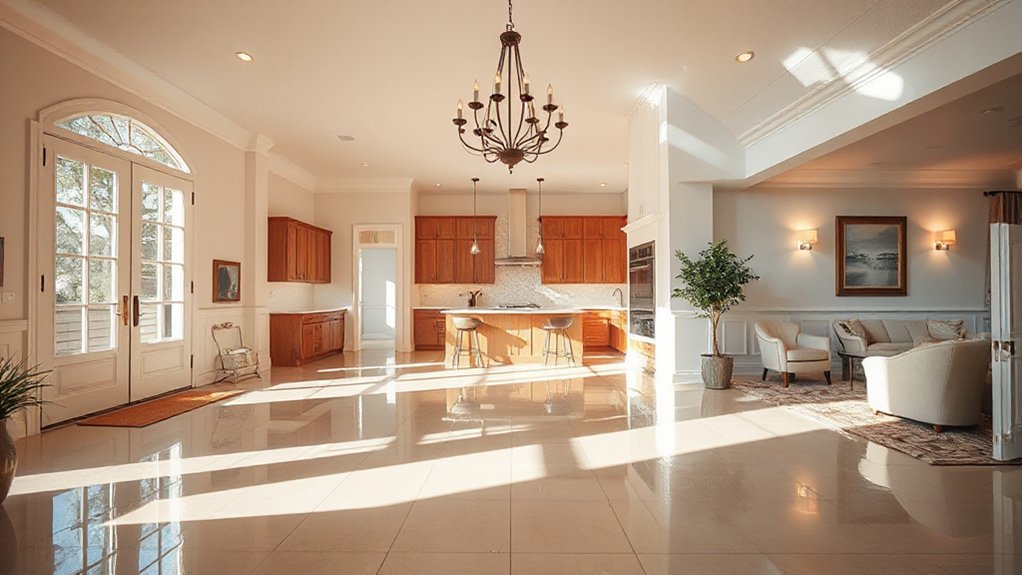
You’ll refresh ambient lighting to shape first impressions, using brighter, evenly spread illumination that reduces shadows in key entry and living spaces.
Consider tweaking color temperature to near-2400–3000K for warmth or 3500–4100K for a crisper feel, aligning with room function.
This quick upgrade focuses on consistent brightness and color cues to guide buyers’ attention and highlight architectural features.
Ambient Lighting Refresh
Need a quick win that greets buyers the moment they step in? An ambient lighting refresh delivers an immediate, polished feel. You’ll craft a cohesive lighting ambiance by balancing brightness, color, and placement, avoiding harsh hotspots. Focus on simple upgrades that read as high-end without major investment.
- Replace dim fixtures with 3000K–3500K LEDs to establish a warm ambient glow across common areas.
- Add under-cabinet or shelf lighting in kitchens and living nooks to eliminate shadows and emphasize layout.
- Install dimmers on key fixtures to control mood and energy use, ensuring consistent tone from room to room.
Tip: aim for even light distribution, minimal glare, and a unified finish to maximize perceived value and readiness for showings.
Color Temperature Tweaks
Use warm temperatures (2700–3000K) in living areas to feel inviting, and cooler temperatures (3500–4000K) in kitchens and workspaces for clarity.
Maintain color harmony by pairing bulbs with consistent CRI and finish across the same zone to prevent odd shifts as you move through the bungalow.
Consider dimmable LEDs to adjust mood without changing fixtures, preserving economic efficiency and flexibility.
Documenting a simple target for each space helps contractors satisfy the market’s expectations.
Test with a neutral color palette, avoiding over-saturation, so subtle light temperature differences remain invisible to buyers yet support performance.
Durable Flooring Fixes That Add Value on a Budget
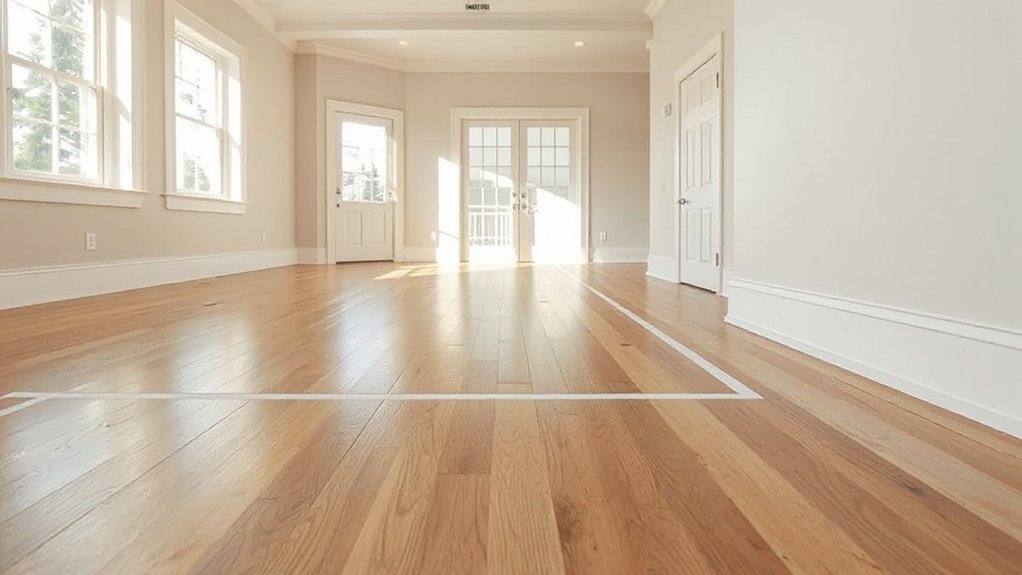
How can you make a bungalow more appealing without breaking the bank? Durable flooring fixes offer value without a full remodel. Focus on low-cost, high-impact updates that survive market scrutiny and daily wear. Prioritize proven materials and proper installation to protect your investment and reduce future upkeep.
- Refresh without replacing: reseal or refinish existing surfaces to extend life and improve appearance.
- Multi-zone upgrades: swap high-traffic areas with resilient, budget flooring and keep existing rooms intact for cost efficiency.
- What you maintain: implement a routine flooring maintenance plan, including cleaning protocols and timely repairs, to preserve condition and avoid premature replacement.
This approach aligns with budget flooring goals, minimizing disruption while maximizing perceived value.
Kitchen on a Shoestring: Mini-Makeover Ideas
You can start with quick cosmetic upgrades that refresh the space without a full remodel. A cost-smart kitchen refresh focuses on high-impact, low-cost changes like hardware swaps, lighting tweaks, and strategic paint or finish updates.
These practical tweaks set the stage for value, accuracy, and market appeal without delaying your timeline.
Quick Cosmetic Upgrades
Need a quick, budget-friendly kitchen facelift? You can drive impact with tight cosmetic changes that read as intentional upgrades. Focus on color, texture, and finish consistency to sharpen perception of space and quality.
1) Swap cabinet hardware and add under-cabinet lighting to lift mood and function without a full remodel.
2) Refresh with a peel-and-stick backsplash, budget-friendly, easy-to-clean, and media-ready for listing photos.
3) Tidy countertops via tray organization, stainless-accent items, and vertical storage to maximize perceived workspace.
Integrated ideas: consider garden irrigation and solar panel upgrades as part of the home’s value story, quietly elevating sustainability without large-scale changes. Maintain clean lines, avoid clutter, and document updates for buyers.
Cost-Smart Kitchen Refresh
Even on a tight budget, you can spark a kitchen refresh by prioritizing high-impact, low-cost updates that read as intentional upgrades. Start with layout tweaks: replace bulky organizers with slim modular inserts to free counter space without new cabinets.
Prioritize efficiency: swap to budget appliances that offer energy-saving modes and compact footprints, reducing utility costs while preserving function.
Update fixtures with eco-friendly fixtures that maximize water and energy efficiency, such as low-flow faucets and LED under-cabinet lighting for task surfaces.
Apply a cohesive color and material plan using affordable, durable finishes—peel-and-stick backsplashes or laminate countertops that mimic stone.
Upgrade hardware in a uniform finish to unify the space without a full remodel.
Finally, declutter and clean surfaces to enhance perceived value and market appeal.
Bathroom Refresh Ideas That Look Premium, Affordable
A premium look doesn’t require a big budget: start with a quick, transformative refresh that targets the bathroom’s focal points. You’ll achieve a premium feel by focusing on lighting, surfaces, and hardware, using practical upgrades that pay off at resale.
- Install luxury fixtures like a faucet upgrade and a mirror with integrated LED lighting to elevate perceived quality without a full remodel.
- Swap out hardware (drawer pulls, towel bars) for brushed nickel or matte black finishes to unify the look.
- Add spa-inspired accessories—soft gray towels, a wood-toned vanity tray, and a subtle fragrance diffuser—to create a cohesive, high-end vibe.
Keep conditions simple: choose water-reliable options, schedule minimal demolition, and test before committing.
Smart, Affordable Tech Upgrades Buyers Actually Want
Pair them with a streamlined, affordable automation hub that supports quick routines—turning lights on, adjusting thermostats, and arming night mode with a single tap.
Focus on compatibility; choose devices with common standards (Z-Wave, Zigbee, or Wi‑Fi) to reduce hubs and complexity.
Confirm remote access is secure and easy to use, not bloated with features buyers won’t employ.
Emphasize energy monitoring and fault alerts to show ongoing savings.
Documentation and setup wizards matter; provide clear steps, one‑page guides, and a simple troubleshooting path to minimize post‑sale questions.
Simple Landscaping Tweaks With Big Impact
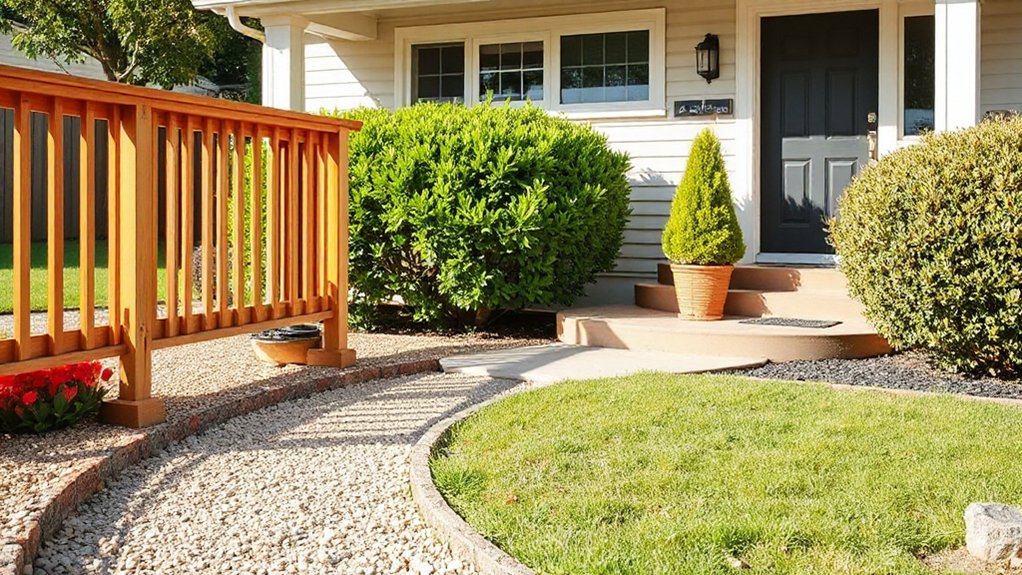
Simple landscaping tweaks deliver big curb appeal without breaking the bank. You’ll boost first impressions by refining access and texture, not overhauling the yard. Focus on clean lines, durable materials, and low-maintenance plants.
- Install defined garden pathways with stepping stones or compact pavers to guide visitors toward the entry and highlight key features.
- Polish flower beds by edging, removing weeds, and mulching to suppress growth and create contrast with lawn.
- Add contrast plants and seasonal color accents in focal spots, ensuring you don’t crowd the space while keeping ongoing care minimal.
Maintain symmetry around the front door and porch. Use mulch, native perennials, and drought-tolerant options to keep maintenance practical and appealing.
Decluttering and Staging for Small Spaces
Decluttering and staging small spaces hinges on maximizing perceived square footage and flow. You’ll start by removing 40% of bulky items, focusing on living areas, closets, and surfaces.
Choose neutral backgrounds and fold-away furniture to create flexible zones. Embrace minimalist decor: clean lines, restrained color palettes, and intentional accessories that serve a purpose.
Prioritize space maximization by staging with multi-functional pieces, elevating sightlines, and repairing lighting to brighten every corner.
Mirror placement should reflect depth, not exaggerate clutter. Use vertical storage and built-ins where possible to free floor space, then offset with open, airy textiles.
Keep tech cords hidden and outlets accessible. Finally, test the layout by walking through each room, ensuring clear pathways and consistent scale.
Curb-Appeal Details That Invite Prospective Buyers to Open House
Curb appeal matters first impressions: a tidy, inviting exterior signals that the interior is well cared for. You’ll create a welcoming entry by focusing on low-maintenance touches that buyers notice first. Garden pathways and exterior signage guide foot traffic and set expectations before stepping inside.
- Maintain clean, gravel-free pathways with durable edging to prevent trip hazards and improve flow.
- Install concise, readable exterior signage that directs visitors to the door and highlights key features.
- Refresh entry accents—painted door, new address plaque, and updated house numbers—for a cohesive, high-value look.
These details translate to perceived care, reduce hesitation, and invite open-house attendance. Prioritize longevity, weather resistance, and consistent styling across the curb.
Quick Fixes That Prevent Deal-Breakers
You’ll tackle quick fixes that stop deal-breakers before listing day. These Lightning-Quick Prep Boosts cover high-impact, low-effort tasks you can complete now to avoid buyer objections.
We’ll outline practical steps to tighten systems, repair obvious flaws, and present a move-in ready feel.
Quick Fixes For Deal-Breakers
If a room or system risks a deal-breaking flaw, start with quick, high-impact fixes that buyers notice immediately. Your goal is to remove objections fast, not overhaul the whole home. Focus on visible, measurable improvements that boost perceived value.
- Address major moisture and odor issues: fix leaks, seal gaps, run exhausts, and deodorize surfaces.
- Restore essential systems: test HVAC for cold/hot performance, replace outdated filters, ensure hot water clarity and pressure.
- Improve curb appeal and efficiency inline: tidy garden landscaping for first impressions, upgrade insulation where feasible, and verify ENERGY STAR lighting in key zones.
These fast wins signal solid fundamentals while preserving budget.
Lightning-Quick Prep Boosts
Check lighting and outlets for safety, gaps in doors and windows, and obvious moisture or mold spots; address these now to prevent last-minute renegotiations.
Boost energy efficiency with quick upgrades like programmable thermostats, sealed leaks, and LED criteria, which reduce operating costs and appeal to eco-minded buyers.
Integrate smart technology where it adds value without complexity: smart lighting, remote thermostat access, and basic security sensors.
Document everything with receipts and warranties, so you can justify pricing adjustments. This keeps the sale smooth and recession-resistant, even in a competitive market.
Weekend Project Timeline and Budget Blueprint
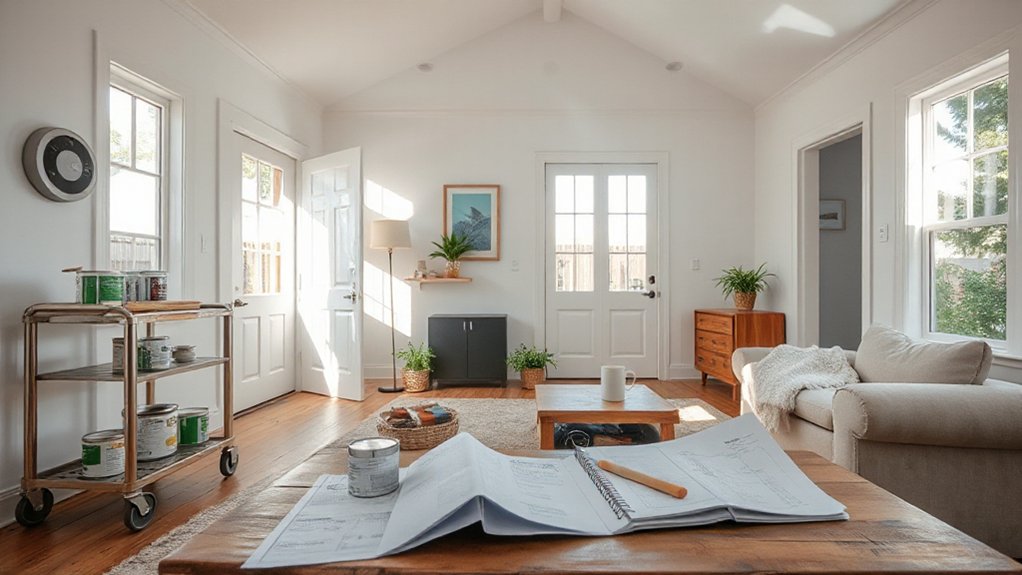
To map out a realistic weekend project timeline and budget, start with a simple baseline: list tasks in order of priority, estimate both time and cost for each, and total them at the end. You’ll track progress against a fixed window, minimize downtime, and set a clear finish line. Plan around practical constraints like daylight and access.
- Identify core tasks (garden maintenance, furniture arrangement), assign durations, and assign a cost ceiling for each.
- Build a cumulative budget, add contingency (5–10%), and flag high-impact items early.
- Review daily progress, adjust scope, and reallocate time or funds as needed.
Keep a lean scope, document decisions, and revisit priorities to protect market-ready quality.
Frequently Asked Questions
What Budget Range Yields the Best Return on Bungalow Upgrades?
You’ll see the best ROI with a mid-range budget, around 5–10% of the home’s value. Prioritize landscaping improvements and energy efficiency, then upgrades like kitchens/baths if funds permit, staying practical, measurable, and maintenance-friendly throughout the project.
Which Upgrades Impact Resale Value Most Quickly?
You’ll see a quick payoff: homes with smart landscaping improvements and interior staging often sell faster, boosting perceived value. Prioritize landscaping improvements first, then refine interiors; focus on neutral palettes, clean lines, and practical finishes for best resale impact.
How Long Do Typical Weekend Projects Take to Complete?
Typically, you’ll finish many weekend projects in 1–2 days with steady work and good planning. Use DIY tools, plan in advance, and keep materials ready for smooth weekend planning and faster completion.
Do Any Upgrades Require Permits or Professional Help?
Yes, some upgrades require permit requirements and professional assistance. You should check local codes before starting, especially for electrical, plumbing, structural, or gas work; skip DIY for these. Obtain permits, hire licensed pros when needed.
Which Cosmetic Tweaks Attract the Most Serious Buyers?
Interior lighting and curb appeal attract serious buyers by brightening spaces and first impressions. You should upgrade warm, even lighting and tidy exteriors, ensuring accents highlight architecture. Prioritize efficiency, durability, and clean lines for a practical, appealing result.
Conclusion
You pull up, survey the curb, and dodge the HOA’s gossip like a pro. Smile at fresh paint, neon house numbers, and a lamp that doesn’t glare into the neighbor’s sandwich. You unclog closets, stage with DIY chic, and pretend the bathroom is spa-grade—while still budgeting a latte-and-talent budget. The plan? Quick wins, no drama, zero deal-breakers. Buyers nod, pencils sharpen, and your bungalow signs a “sold.” Satire, yes; results, very real.