
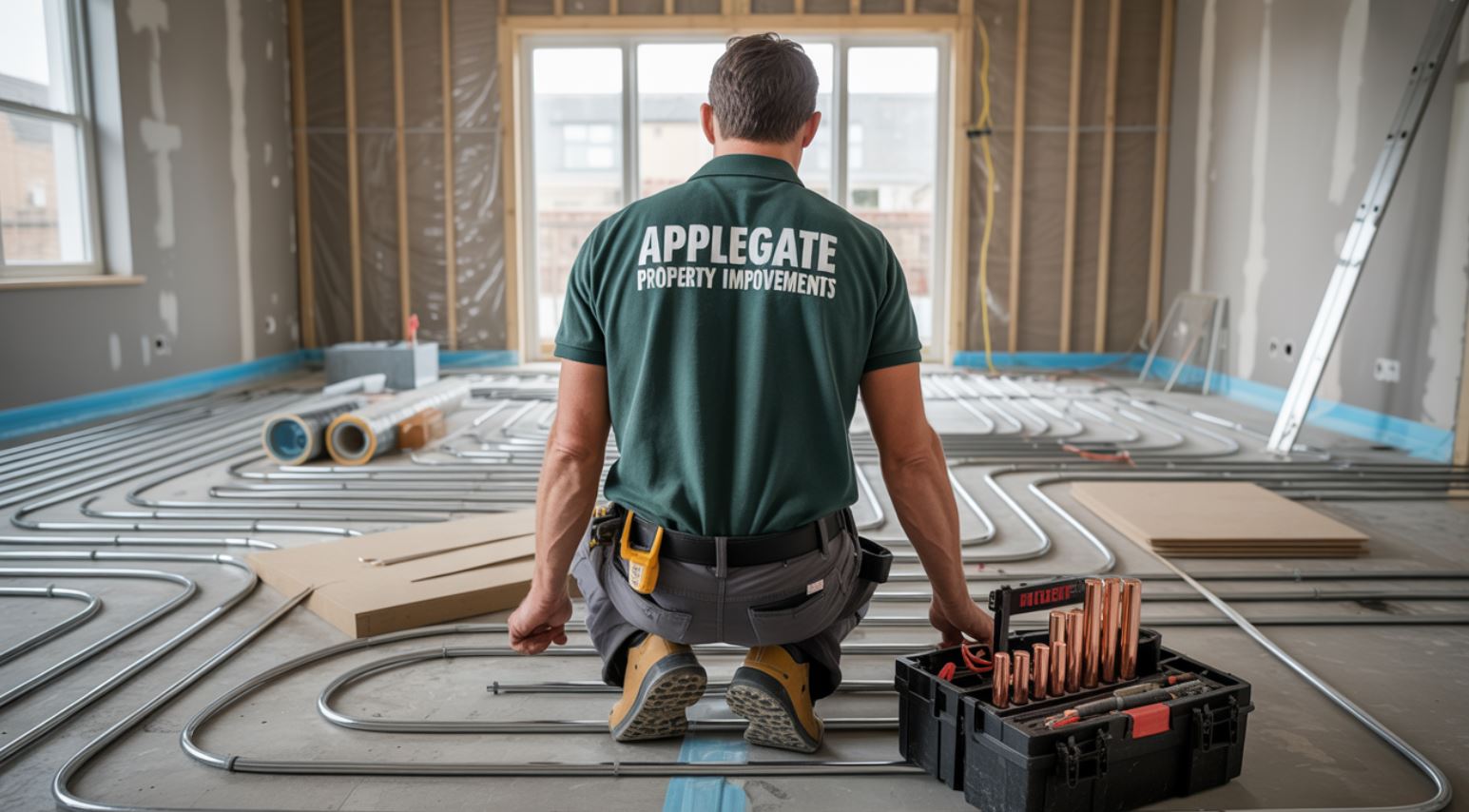

If you’re keen on creating a home that feels warm, efficient, and just a bit luxurious, maximizing energy efficiency and comfort with underfloor heating is a cracking place to start. Unlike old-school radiators that blast heat in one spot and hope for the best, underfloor systems spread warmth evenly, quietly, and far more efficiently. It’s the sort of upgrade you don’t fully appreciate until you’ve lived with it — then there’s no going back. Warm toes, lower bills, and a space that feels consistently cosy? Hard to argue with that.
Many homeowners seek to enhance their living spaces through underfloor heating, but achieving optimal performance requires a few strategic adjustments. To maximize energy efficiency and comfort in your home, it’s crucial to understand how to best utilize your underfloor heating system. This guide provides practical tips that will help you leverage the benefits of underfloor heating, ensuring a comfortable environment while keeping energy costs in check.
Harnessing the Power of Floor Insulation
Effective floor insulation is imperative for optimizing the performance of underfloor heating systems. Insulation minimizes heat loss through the floor, allowing warmth to stay within your living spaces rather than escaping into the ground. By investing in quality insulation materials, you enhance energy efficiency and create a more comfortable environment, ultimately reducing your energy bills and enhancing the longevity of your heating system.
The Role of Insulation in Energy Efficiency
Insulation directly impacts your home’s energy efficiency by creating a barrier against heat loss. A well-insulated floor retains heat, which means your underfloor heating system operates more effectively and requires less energy to maintain a desired temperature. By reducing heat loss, you ensure that the energy you use is optimized, contributing to lower utility bills and a more environmentally friendly home.
Choosing the Right Insulation Materials
Selecting appropriate insulation materials can significantly influence the effectiveness of your underfloor heating. Focus on options with high thermal resistance, such as rigid foam board, which provides excellent insulation values. Additionally, consider materials that reflect heat upward, like reflective foil, to maximize warmth distribution. Always assess the R-value, as higher numbers indicate better insulation performance, ensuring your underfloor heating works efficiently.
When choosing insulation materials, explore their R-value and compatibility with your heating setup. Rigid foam boards, for instance, offer an impressive R-value, often exceeding 5 per inch. Furthermore, consider the moisture resistance of materials, especially in ground floor applications, to prevent long-term damage. Reflective foil insulation can also enhance heat retention, directing warmth back into your living area. By carefully evaluating these factors, you can achieve optimal energy efficiency and comfort in your home.
Smart Thermostats: The Brain Behind Efficiency
Smart thermostats play a vital role in optimizing energy efficiency and comfort with underfloor heating systems. These devices learn your habits and preferences, adjusting temperatures automatically to match your schedule. By utilizing geofencing technology, they can even sense when you’re home or away, minimizing energy usage while ensuring comfort upon your return.
Benefits of Programmable Thermostats
Programmable thermostats offer significant advantages by allowing you to set specific heating schedules, ensuring that your space is warm when you need it most. By establishing routines, you can reduce energy consumption during idle times, saving on utility bills without sacrificing comfort. Many models also provide remote access via mobile apps, making temperature adjustments convenient from anywhere.
Integrating Smart Technology for Optimal Performance
To maximize the benefits of underfloor heating, integrate your programmable thermostat with other smart home devices. This interconnected approach allows you to create a seamless ecosystem that optimizes energy management and comfort levels throughout your home.
Integration can involve pairing your smart thermostat with humidity sensors and smart blinds, which further fine-tune your environment. For instance, if the humidity levels rise, the system can adjust the thermostat to maintain comfort without using excessive energy. Similarly, coordinating with smart blinds can optimize solar gain by opening or closing them based on the outside temperature and time of day. This strategic collaboration not only enhances comfort but also significantly reduces energy bills by ensuring efficient use of your heating system.
The Importance of Zoning for Comfort
Zoning enhances comfort by allowing you to tailor heating to specific areas of your home. By dividing your space into distinct zones, you can manage which rooms are heated and to what extent, avoiding wasted energy on unused spaces. This targeted approach not only increases comfort but also reduces heating costs, making it a smart choice for any underfloor heating system.
Understanding Thermal Zoning Principles
Thermal zoning principles involve creating specific heating areas within your home based on usage patterns and personal preferences. By assigning zones according to the functions of each room, you can capitalize on efficient heating. For instance, living rooms can be warmer during the evening, while bedrooms can maintain a cooler temperature for sleeping, thus promoting comfort tailored to your needs.
Designing an Effective Zoning Strategy
Designing an effective zoning strategy requires careful planning of how your space is utilized. Begin by assessing your home’s layout and identifying high-traffic areas versus seldom-used rooms. Next, consider programmable thermostats or smart technology to efficiently manage these zones, enabling you to schedule heating when and where it’s needed most, ultimately optimizing energy consumption and enhancing comfort.
To establish a practical zoning strategy, start by mapping out your home’s usage patterns. Identify peak occupancy times for each room and adjust the temperature settings accordingly. For example, during the day, the kitchen and living room may require more heat compared to bedrooms. Utilize smart tech to automate this process; devices can learn from your habits and adjust temperatures autonomously. This not only saves energy but also ensures every room remains comfortable, meeting your lifestyle needs without unnecessary expense.
Maintenance Strategies to Sustain Efficiency
Proper maintenance is vital in ensuring your underfloor heating system operates at peak efficiency. Regular upkeep not only prolongs the system’s lifespan but also enhances comfort and energy savings. Implementing routine checks and preventive measures will catch potential issues before they escalate, while knowing when to consult a professional can mitigate costly repairs and downtime.
Regular Checks and Preventive Measures
Conducting regular checks on your underfloor heating system can help identify any inefficiencies early on. Routinely inspect the thermostat settings, bleed radiators if necessary, and ensure no obstructions are blocking the heat distribution. Additionally, annual system flushes remove any buildup that could hinder performance, ensuring optimal heat transfer and energy efficiency.
When to Call in the Professionals
Recognizing when to enlist professional help is vital for maintaining your heating system efficiently. If you notice inconsistent heating, strange noises, or increased energy bills, it’s time to seek expert assistance. Professionals can perform comprehensive diagnostics, identifying underlying issues that may not be obvious during routine checks.
Seek professional help if you encounter persistent issues, such as a sudden spike in energy consumption or uneven heating throughout your space. Experts can leverage specialized tools and knowledge to effectively diagnose problems, pinpoint leaks, or recalibrate your system for optimal performance. Engaging professionals ensures your heating system runs smoothly, ultimately saving you money and enhancing comfort in your home.
The Long-Term Cost Benefits of Underfloor Heating
Investing in underfloor heating can lead to significant long-term cost savings. With reduced energy consumption and lower utility bills, this heating method proves more efficient compared to traditional systems. Additionally, the lifespan of underfloor heating units is often longer, further decreasing the need for costly repairs or replacements. The initial investment pays off over the years through these savings, making it an economically sound choice for homeowners.
Analyzing Energy Savings Over Time
Over time, your underfloor heating system will typically result in lower energy bills due to its efficiency. Many users report energy savings of 15% to 40% compared to traditional radiators. This efficiency is achieved through even heat distribution and the ability to maintain lower water temperatures. These savings accumulate significantly over multiple years, making underfloor heating not only a comfort investment but also a financially wise decision.
Comparing with Traditional Heating Methods
Comparing underfloor heating with traditional methods highlights the pronounced efficiency advantages. Traditional radiators often heat air unevenly, create cold spots, and require higher water temperatures, leading to increased energy consumption. In contrast, underfloor systems distribute heat evenly across the floor, allowing for lower energy bills and improved comfort levels.
Comparison of Heating Methods
| Feature | Underfloor Heating | Traditional Heating |
|---|---|---|
| Energy Efficiency | 15% to 40% savings | Less efficient, higher costs |
| Heat Distribution | Even distribution | Uneven hot/cold areas |
| Operating Temperature | Lower temperature required | Higher temperature needed |
| Lifespan | Longer, fewer repairs | Shorter, more maintenance |
Underfloor heating systems have a distinct advantage when compared to traditional heating methods. The ability to heat spaces evenly allows for a more comfortable environment while using less energy. Traditional systems often rely on higher temperatures and can lead to hot and cold spots, resulting in wasted energy and potentially higher heating bills. The longevity and efficiency of underfloor heating make it a smart choice for homeowners looking to balance comfort and cost-effectiveness.
Conclusion
Following this guide will empower you to maximize energy efficiency and comfort with underfloor heating. By properly insulating your space, optimizing your thermostat settings, and scheduling heating times to match your routine, you can enhance both warmth and savings. Regular maintenance of your system also ensures steady performance and longevity. Implementing these strategies will create a cozy environment while keeping your energy costs in check.