
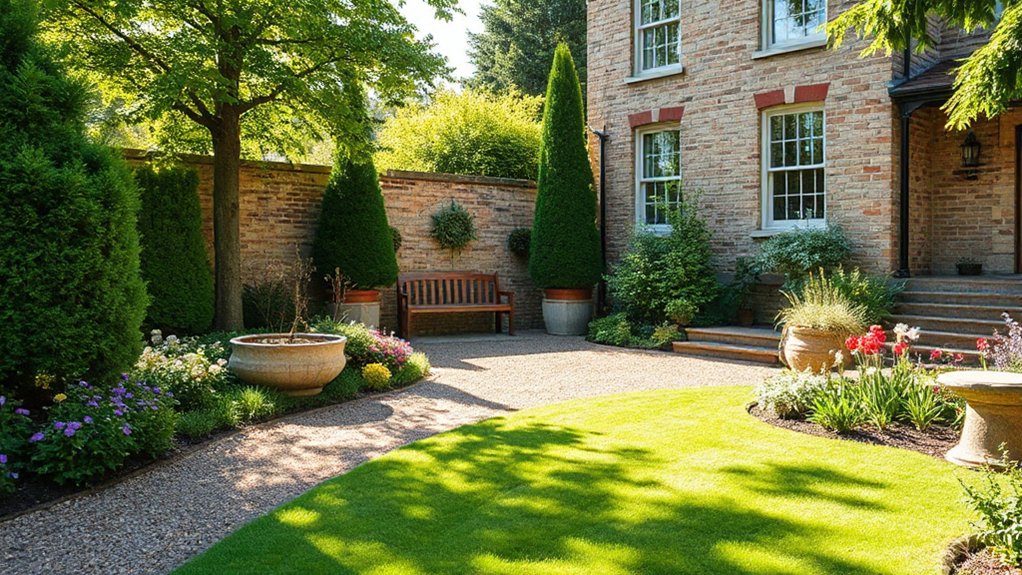

Your yard is a blank canvas that can weather the seasons and still add value. In Yorkshire, you’ll want durable, low-maintenance features, native picks, and smart paths that guide the eye. Think rain capture, drought-tolerant groundcovers, and weather-ready hardscaping paired with lighting that works from dawn to dusk. Get ready to shape inviting living space and tidy beds that stay appealing with minimal fuss—and you’ll see why the next steps matter.
Yorkshire Climate and Garden Durability

Yorkshire’s climate is a practical reality for any garden plan: wet winters, cool summers, and steady humidity mean you should prioritize durable, low-maintenance elements. You’ll design with resilience in mind, selecting materials and plants that tolerate moisture fluctuations and seasonal shifts.
Start with a robust structure: weatherproof decking, drought-tolerant groundcovers, and permeable paving that handles runoff without slick patches.
Choose varieties that thrive in a cool, damp environment, emphasizing disease resistance, compact growth, and easy upkeep.
Install efficient drainage and smart irrigation to manage the Yorkshire climate consistently, reducing maintenance while protecting plant health.
Prioritize multi-season interest—evergreens, ornamental grasses, and hardy blooms—to maintain curb appeal.
This approach reinforces garden durability and adds value, appealing to buyers seeking low-fuss, reliable outdoor spaces.
Prepare the Soil: Foundations for Long-Lasting Growth
You start by testing your soil to identify pH, nutrients, and texture, so you know what needs work before you plant.
Next, you apply targeted amendments—like lime or sulfur to adjust pH, and compost or grit to improve structure—so roots can grow strong and drainage stays reliable.
With the right foundation in place, your garden beds’ll hold moisture and nutrients longer, giving you healthier, longer-lasting growth.
Soil Testing Basics
Soil testing is the foundation for long-lasting growth, and it starts before you plant a single shrub. You’ll map nutrients, texture, drainage, and compaction so you know what you’re really working with. Collect representative samples from multiple spots and depths, then send them to a reputable lab or use a trusted in‑garden test kit for quick checks.
Focus on soil nutrients and pH balance, since these drive nutrient availability and root health. Interpret the results to identify gaps you must address, not guesses you hope to avoid.
Use test insights to plan your initial planting schedule, seasonally appropriate crops, and irrigation needs. Accurate data saves time, reduces waste, and boosts plant performance from the first growing season.
Amendments For Structure
After testing tells you what your soil lacks, it’s time to firm up structure with targeted amendments. You’ll prioritize foundations that support long-lasting growth: incorporate compost to improve organic matter, blend in finely crushed lime or gypsum to balance pH, and add slow-release fertilizer to feed roots through peak seasons.
For clay-heavy beds, introduce sand in incremental doses to improve drainage without compacting. For sandy soils, layer in blended organic matter to boost water retention. Use a breathable topsoil layer to shield emerging roots and minimize erosion.
Integrate garden art strategically to guide plant placement and create focal points, while landscape lighting highlights key specimen roots and moldable edges for nighttime appeal. Precision, timing, and a clear layout drive value and curb appeal.
Native Plants That Thrive in Yorkshire Soils
You’ll choose native plants that match Yorkshire soils and climate, boosting survival and long-term value. Start with species known for dry or damp tolerances, and pair them with practical soil amendments to maximize performance.
This approach keeps maintenance low while showcasing resilient, market-friendly garden features.
Native Plants Adaptations
Native plants that thrive in Yorkshire soils are the backbone of low-maintenance, high-performance landscapes. By choosing species adapted to local conditions, you gain reliable color, structure, and resilience with less irrigation and fewer fertilizers.
In this subtopic, you’ll explore native adaptations that translate into practical garden wins. You’ll notice deeper root systems, seasonal growth cycles aligned with temperate rainfall, and tolerant foliage that resists common pest pressures.
When selecting, prioritize species with proven drought tolerance, frost survivability, and soil-microbe compatibility to maximize plant resilience.
Think structure first: clump-forming perennials for borders, grasses for movement, and native shrubs for year-round interest.
This approach minimizes inputs while delivering sustained color and texture through Yorkshire’s variable seasons.
Yorkshire Soil Compatibility
What makes Yorkshire soil the right stage for native plants? You’ll want to match species to local conditions, focusing on texture, drainage, and natural fertility. Yorkshire soils range from sandy loams to heavy clays, so pick plants that tolerate the mix or amend strategically.
Practice selective planting: drought-tolerant natives where drainage is poor, moisture-loving ones where soils hold water. Consider soil acidity; many natives prefer slightly acidic to neutral pH, while lime-rich patches welcome calciphiles.
Address nutrient deficiency with compost and balanced mulch, not quick fixes. Monitor rooting depth and irrigation needs, then group by water use to reduce maintenance.
Put simple testing to work: test soil regularly, adjust amendments seasonally, and record results to refine future plant selections for long-term value.
Low-Muss Plant Palettes for Year-Round Color
Year-round color without heavy maintenance comes from selecting low-muss, dependable plants that thrive in Yorkshire’s conditions. You’ll build palettes around reliable performers, prioritizing structure and repeat interest.
Choose evergreen foliage for year-round backbone, then layer in seasonal color with low-muss shrubs and perennials. For instant impact, include compact box or euonymus for glossy leaves and tidy form.
Ground-cover anchors reduce upkeep while keeping soil cool and weed-free. Strike a balance between repeat blooming and steady leaf texture, favoring cultivars known for disease resistance and regional hardiness.
Pair cool-season color with warm-season accents to extend interest. Favor well-drained beds, mulching, and sensible pruning to preserve shape.
Colorful blooms emerge naturally, enhancing curb appeal without demanding constant attention.
Water-Wise and Drought-Tolerant Ground Covers
Start with drought-tolerant ground covers that thrive in Yorkshire summers, selecting species with deep roots, low water needs, and good soil coverage to suppress weeds.
Pair these with water-wise planting strategies—mulching, grouping by sun exposure, and smart irrigation—to maximize drought resilience while keeping maintenance practical.
Focus on clear, market-ready benefits: reduced irrigation, longer-lasting color, and easier upkeep for busy homeowners.
Drought-Tolerant Ground Covers
Begin with soil prep: remove debris, test pH, and improve with compost to boost resilience. Choose compact spreads or trailing forms that tolerate foot traffic and sun exposure; plant in staggered drifts to create year-round texture.
Group plants by similar water needs to follow xeriscape principles, simplifying maintenance and irrigation. Install a drip or soaker system, timed for cool mornings to minimize evaporation.
Mulch lightly to conserve moisture, but avoid covering crowns. Monitor after establishment, replacing stressed shoots promptly.
This approach delivers durable color, reduced watering, and sustained curb appeal.
Water-Wise Planting Strategies
Water-wise planting starts with selecting drought-tolerant ground covers that thrive in Yorkshire’s climate and tolerate foot traffic. You’ll choose hardy species that spread steadily, minimize mowing, and reduce irrigation needs. Pair them with complementary textures—evergreen mats beside flowering interlaces—to maintain year-round interest.
Prioritize plants that tolerate clay soils and shaded pockets, then test for drainage to prevent waterlogging. Mulch helps conserve moisture and suppress weeds, while permeable pathways reduce runoff. Plan rain harvesting integration near beds to capture rainfall for occasional supplemental watering during dry spells.
Create layered compositions: low carpets, mid-height fillers, and a few sculptural accents to attract pollinators. For water features, keep circulation modest and energy-efficient, using native margins to blend with the landscape.
Your goal is enduring color, lower maintenance, and enhanced property value.
Maintenance For Drought Resilience
Keeping drought resilience steady means establishing a simple, repeatable maintenance routine that preserves a water-wise bed without sacrificing curb appeal. You’ll focus on light, targeted irrigation: deep soak infrequently, then mulch 2–3 inches to curb evaporation and regulate soil temperature.
Monitor soil moisture weekly and adjust schedules as seasons shift, never overwatering. Choose drought-tolerant ground covers, prioritizing xeriscape design principles to reduce ongoing maintenance while maintaining ground cover density.
Regularly remove weeds to prevent competition for scarce moisture. Prune drought-resistant trees and shrubs to maintain airflow and reduce water demand, and fertilize sparingly to avoid lush, water-slick growth.
Set up a simple seasonal checklist: irrigation test, mulch refresh, weed pull, and mulch top-up. This keeps your Yorkshire landscape resilient, presentable, and cost-efficient.
Durable Grass Options for Yorkshire Lawns

If you’re planting a lawn in Yorkshire, choosing durable grasses early on saves you maintenance and money down the line. In this climate, look for low-water, wear-tolerant options that recover quickly from traffic. Fine fescues and hardy turfs offer drought resilience and shade tolerance, reducing mowing frequency and fertilizer needs.
Consider a mixed sward: tolerable drought, good wear resistance, and root systems suited to heavy soils. Prepare soil with aeration, then seed or sod with approved cultivars and a steady watering schedule.
Artificial turf can supplement high-use areas, but select products that mimic real grass feel and drainage.
For ongoing health, schedule regular lawn aeration to prevent compaction, promote rooting, and improve nutrient uptake. Choose durable grasses that align with your maintenance bandwidth and local rainfall patterns.
Hardscapes That Boost Curb Appeal and Value
Hardscapes are a quick, high-impact way to boost curb appeal and property value in Yorkshire. You’ll prioritize clean lines, durable materials, and low-maintenance elements that withstand seasonal shifts.
Begin with a cohesive path and entrance sequence, using permeable pavers to ease drainage and reduce runoff. Integrate edging that crisply defines borders around beds, driveways, and sidewalks for a polished look.
Choose neutral tones with subtle texture to complement home exteriors and landscape lighting for safety and ambience. Incorporate garden art and decorative sculptures as focal points that reflect local character, guiding visitors through the yard without clutter.
Guarantee scale and proportion align with the facade, creating inviting sightlines from street to entry. Finally, plan for maintenance access, warranties, and cost-effective replacements to preserve value.
Yorkshire Pathways and Patios: Materials That Stand the Seasons
Yorkshire pathways and patios need materials that endure seasonal shifts while maintaining clean lines and low maintenance. You’ll prioritise high-traction surfaces that resist frost, thaw, and moss, while keeping joints tight for neat edges.
Opt for permeable pavers or cured natural stone to manage water runoff without staining grout. Choose colors that weather gracefully and patios that accommodate planters without crowding.
A reinforced base reduces settlement, and edge borders sealed against weed intrusion preserve a crisp look.
For added value, plan discreet Landscape lighting to highlight structure and safety without glare, and embed Water features that operate quietly and efficiently.
Keep maintenance simple: sweep, rinse, reseal every few years, and store seasonal furniture to protect investments.
Weather-Resilient Boundaries and Fencing

You’ll want weatherproof boundary options that stand up to Yorkshire’s seasons, from rain to wind to frost.
Consider durable fence materials like treated timber, composite boards, or powder-coated metal that resist warping, rot, and corrosion.
Prioritize low-maintenance finishes and clear installation details to keep upkeep predictable and value-building over time.
Weatherproof Boundary Options
What weatherproof boundary options work best for a Yorkshire home, and how can you choose fencing that stands up to wind, rain, and seasonal temperature swings? You’ll prioritize materials with low maintenance, strong wind resistance, and long lifespans.
Start with treated timber or composite options for classic appeal and ease of repair. Then weigh steel or powder-coated aluminum for maximum durability and boundary security. Look for rot resistance, anti-rot treatments, and proven UV stability to minimize fading.
Consider modular designs that can flex with soil movement and subsidence common in damp soils. Guarantee proper installation: solid footings, appropriate post spacing, and integrated drainage.
Prioritize weatherproof boundary options that reduce upkeep while preserving curb appeal, and couple them with secure, visible fencing to enhance boundary security without appearing heavy-handed.
Durable Fence Materials
For fence durability, look at treated timber, composite boards, and powder-coated steel; each resists rot, warping, and corrosion when correctly specified. Consider height, privacy needs, and local bylaws to avoid future tweaks.
In material selection, weigh cost against longevity, maintenance cycles, and aesthetic consistency with your landscape. Don’t overlook fasteners and finishes—galvanized or stainless steel fixings and UV-stable stains extend life.
Choose reputable installers who guarantee workmanship and offer maintenance guidance for seasonal checks. Your fence should endure, complement your curb appeal, and boost value.
Structuring With Shrubs and Trees for Screening
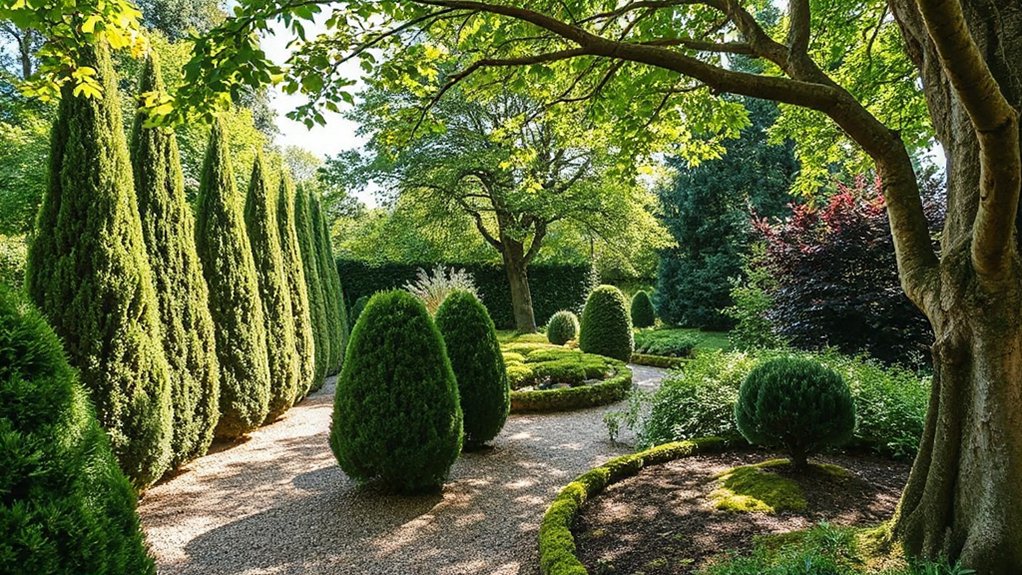
Curating screening with shrubs and trees isn’t just about blocking unwanted views—it’s about shaping the site’s rhythm and flow. You’ll choose layered heights to create privacy without walling off light, using evergreens for year-round cover and deciduous accents for seasonal texture.
Position tall screens along property lines, then nest mid-sized shrubs to soften edges and guide footpaths toward focal points. Prune for dense interiors while allowing perimeter gaps for air movement and sightlines.
Integrate low-growing groundcovers at the base to reduce maintenance and discourage lawn edges from spilling into beds. Include garden sculptures or water features as anchors, ensuring scale aligns with house facades.
Keep irrigation efficient, mulch richly, and reassess screens annually to maintain value and appeal.
Seasonal Planting Schemes for Yorkshire Homes
- Layer color blocks by season to maintain interest
- Use natives plus drought-tolerant ornamentals for resilience
- Refresh with compact, repeat‑flowering varieties nearby entryways
Outdoor Lighting to Extend Living Space
Outdoor lighting can effectively extend your living space after dusk, turning patios, decks, and garden rooms into usable rooms you’ll actually use. Start with layered brightness: ambient wall wash, task lighting at seating nooks, and subtle path lights to guide barefoot strolls. Choose energy-efficient LEDs and warm color temperatures to mimic natural evenings.
Install dimmers to adjust mood and conserve power, and consider smart controls for scheduling and remote tweaks. Focus lighting on architectural features—colonnades, steps, hedges—to create depth and security.
Weatherproof fixtures with good IP ratings survive Yorkshire dampness, while salt- and rust-resistant finishes protect investment. Include solar options for low-cost zones, but balance with mains for reliability.
Thoughtful outdoor lighting boosts curb appeal, engagement, and perceived living space value.
Outdoor Living Areas That Help Homes Sell Faster
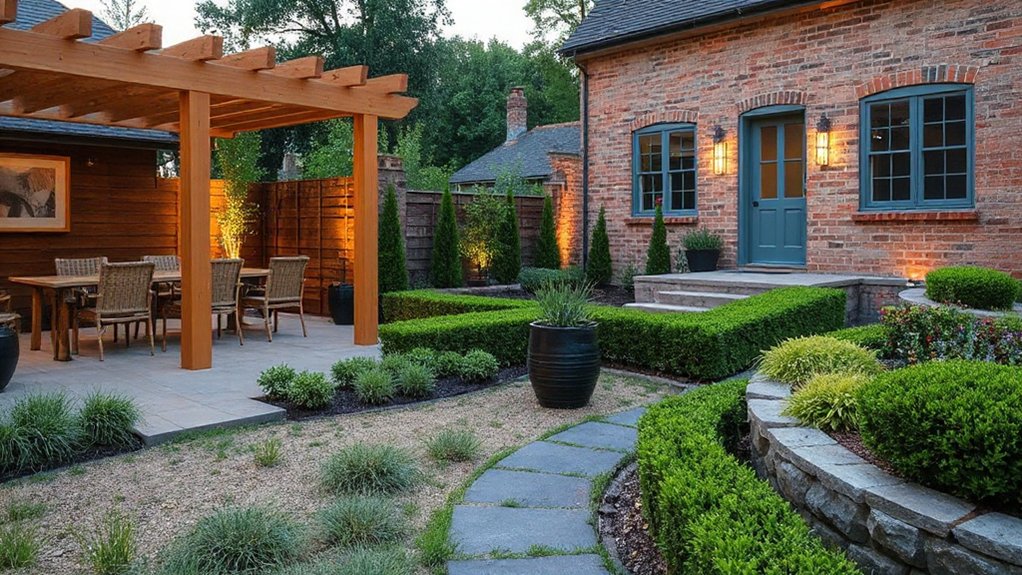
If you want to speed up a sale, create outdoor living areas that buyers can immediately picture themselves using. Thoughtful layouts turn yards into usable rooms, boosting appeal and perceived value.
Focus on durability, comfort, and shade to extend usability across seasons. Use furniture that fits the space and allows easy traffic flow, and incorporate privacy screens to create intimate zones without blocking light.
Keep maintenance simple to avoid buyer concerns.
1) Define a small lounge zone with durable outdoor furniture that withstands Yorkshire weather and clean lines to look modern.
2) Add a dining/coffee nook with easy-to-clean surfaces and a weatherproof screen or trellis for subtle privacy.
3) Create a flexible patio edge with potted plants and movable seating to adapt to different layouts.
Eco-Friendly Features That Add Value
Eco-friendly features not only reduce running costs but also attract modern buyers who prioritize sustainability; smart choices can differentiate a home in Yorkshire’s market.
You’ll boost value by pairing low-maintenance greenery with efficient irrigation, native plant selections, and durable, recyclable materials.
Emphasize rainwater harvesting and solar-ready layouts to show long-term savings.
Highlight accessible composting techniques within the garden plan, making waste management simple for owners.
Integrate recycling garden waste into soil health, using shredders or mulching to minimize disposal needs.
Document clear maintenance routines: seasonal pruning, pest prevention, and soil testing to optimize fertility without extra chemicals.
Offer a simple, visible composting system and labeled recycling bins in the shed or under the bench, reinforcing responsible, cost-conscious upkeep for prospective buyers.
Front Garden Makeovers on a Budget
A front garden makeover on a budget starts with a clear plan that delivers curb appeal without overspending. You’ll focus on high-impact changes, selecting durable, low-cost elements that maximize impact in Yorkshire’s climate. Start with tough, drought-tolerant plantings and a tidy, defined boundary to create immediate structure.
Then, add DIY touches that transform the space without a hefty price tag.
1) Budget friendly planting: choose perennials and herbaceous borders for year-round color, plus evergreen accents for winter structure.
2) DIY garden decor: upcycle containers, create simple focal points, and install affordable lighting to extend usability.
3) Hardscape basics: define a small seating area with stepping stones and gravel paths to reduce maintenance while boosting appeal.
Yearly Maintenance Calendar for Yorkshire Gardens
Maintaining Yorkshire gardens year-round works best when you map out a practical, month-by-month plan that builds on the low-cost, high-impact changes from your front garden. A yearly maintenance calendar keeps plants healthier, borders tidy, and pests predictable.
Start by labeling tasks: winter cleanup and soil testing in January, pruning and mulch refresh in February, and irrigation checks in March.
Schedule Seasonal pruning during most favorable windows for shrubs, trees, and perennials, avoiding stress periods.
Implement pest management routines proactively: monitor, trap, and treat with targeted products before infestations surge.
In late spring, feed lawns and divide crowded perennials; summer requires deadheading and shade adjustments.
Autumn focuses on cleanups and soil enrichment, prepping beds for dormancy.
Review results quarterly to refine timing and costs.
How to Plan a Yorkshire-Ready Landscaping Project
Planning a Yorkshire-ready landscaping project starts with a clear scope, budget, and schedule that align with the region’s climate and soil conditions. You’ll map goals to measurable outcomes, then choose hardscape and planting that minimize maintenance while maximizing curb appeal.
Focus on practical zones: entryway, leisure, and utility. Budget for soil prep, drainage, and seasonal color so you don’t overpromise. Plan for resilience in wet winters and dry summers, and select native stock that reduces irrigation needs.
Integrate garden art as focal points and create wildlife corridors to boost biodiversity without sacrificing style. Use these steps to stay on track and adapt as conditions change.
- Define scope and milestones with contingency buffers.
- Pair plantings with drainage and sun exposure assessments.
- Schedule phased implementation and ongoing maintenance.
Frequently Asked Questions
How Much Does a Yorkshire-Friendly Landscape Cost Annually?
You’ll typically spend £1,500–£4,000 annually for a Yorkshire-friendly landscape, depending on features. Budget for garden lighting and water features, plus maintenance. You’ll reduce costs with seasonal checks, efficient timers, and DIY tweaks, staying market-savvy and practical.
Which Pest Issues Most Threaten Yorkshire Gardens?
You’ll notice that garden pests threaten 40% of perennial yields annually. You can curb this by proactive Wildlife control and regular monitoring, focusing on aphids, slugs, and caterpillars, plus physical barriers, traps, and targeted organic treatments. You’re prepared.
Can DIYS Outperform Pros in Value-Adding Landscaping?
DIY vs. professionals can shape value, but pros usually deliver steadier, long-term ROI. You’ll maximize cost effective landscaping by smart planning, quality materials, and maintenance, ensuring durable results while you compare timelines, permits, and hidden costs.
What Permits or Regulations Affect Yorkshire Garden Work?
Local planning permissions and Environmental regulations govern Yorkshire garden work; you’ll need approvals for structures and encroachments, plus compliance checks for protected species and drainage. Verify permits early, document changes, and consult planners to avoid costly delays.
How Long to See Value Increase After Improvements?
You’ll typically see value uplift within 6–12 months after enhancements, with garden lighting and outdoor furniture delivering noticeable boosts as buyers notice usability and ambiance, especially if designs stay cohesive, energy-efficient, and well-priced for Yorkshire market realities.
Conclusion
You’ve mapped a yard that stands up to Yorkshire weather and quietly promises year‑round value. Think of it as a well-kept stage: native plants, drought-tolerant groundcovers, and durable hardscaping directing attention where it matters. Like a trusted heirloom, smart lighting and eco tweaks pay dividends with minimal fuss. When you stand back, you’ll feel the familiar pull of home pride—something timeless your neighbors notice, and buyers recognize. Your landscape becomes a practical, market-savvy invitation to stay awhile.