
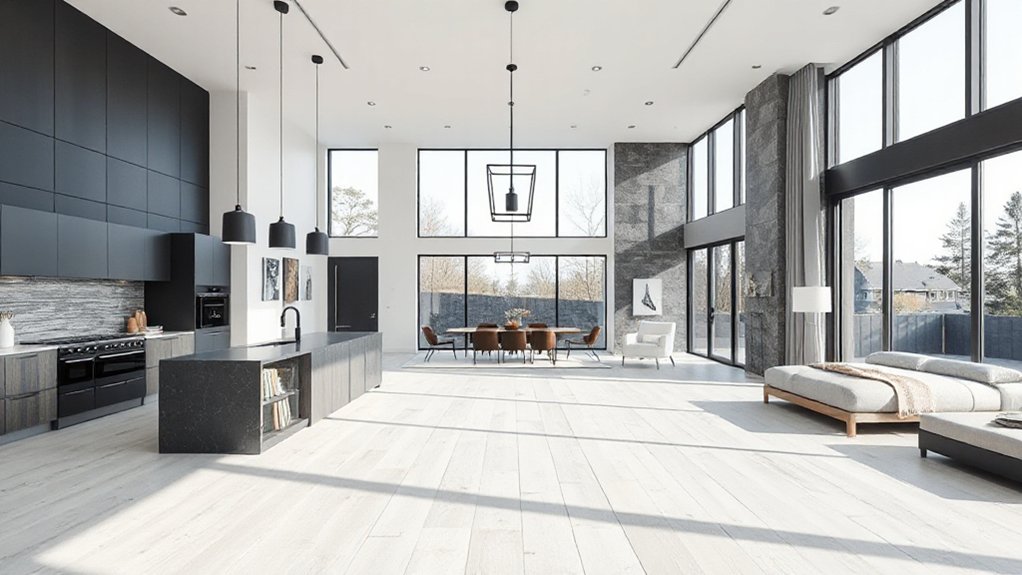

Some claim a new build can’t be truly modern without a full remodel, but the truth is you can optimize what’s already there. You’ll want durable neutrals, layered textures, and subtle accents that age well, plus curb appeal that sells at first glance. Start with a practical refresh plan, upgrade lighting efficiently, and add smart touches that feel seamless, not gimmicky. Curious how to pace it without overspending, and what quick wins actually push listing value? Let’s map it out.
What Modernising a New Build Really Means
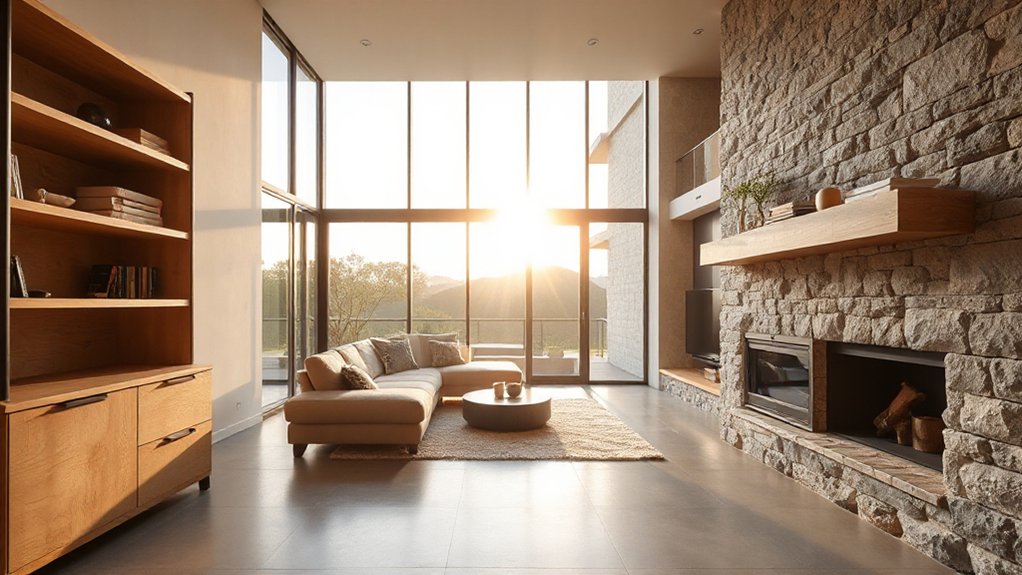
Modernising a new build isn’t about chasing trends; it’s about elevating daily living with purposeful upgrades that add value and sellability. When you assess what modernisation really means, you’re mapping practical steps that improve function, comfort, and efficiency.
You’ll prioritise durable materials, adaptive layouts, and systems that save time and money, rather than flashy gimmicks. Historical context matters because it helps you avoid overreliance on passing aesthetics and instead invest in timeless improvements.
Cultural influences guide you to balance style with livability for diverse households, ensuring spaces feel welcoming to all occupants. You’ll measure impact with real-world outcomes: better natural light, quieter interiors, and clearer circulation.
In short, modernising isn’t about novelty; it’s about lasting everyday value.
Create a Prioritized Design Refresh Plan
To start a practical, impact-driven refresh, you’ll map a prioritized plan that aligns upgrades with daily usefulness and resale value. Begin by inventorying spaces, noting what adds function now and what buyers price as value.
Rank improvements by returns: durable finishes, lighting, storage, and spatial flow. Timebox each task, focusing on low-disruption, high-visibility wins first, then tackle background updates.
Use a modular approach: plan a core refresh that feels cohesive yet scalable, so additions like Vintage charm or Artistic murals can be phased in without overhauling your budget.
Document costs, timelines, and success metrics—ceiling height impact, drawer depth, and natural daylight. Revisit the plan monthly, pruning low-impact items and prioritizing upgrades that elevate daily living and market appeal.
Boost Curb Appeal With Subtle, High-Impact Details
Small, targeted changes near the entrance can dramatically boost first impressions without breaking the budget. You can elevate curb appeal by prioritizing subtle, high-impact details that feel intentional and durable.
Begin with garden landscaping that frames the approach: clean edges, crisp mulch beds, and a focal plant or two that echoes your home’s exterior palette. Opt for low-maintenance perennials to reduce upkeep while delivering seasonal returns.
Integrate outdoor lighting that highlights architectural features and casts welcoming shadows without glare. Choose warm-toned fixtures, positioned along pathways and steps, to guide visitors naturally toward the entry.
Keep hardware cohesive—door, knocker, and house numbers should harmonize with trim color. Avoid crowding; negative space can amplify quality.
These refinements deliver noticeable polish without signaling a complete overhaul.
Upgrade Lighting for Modern Ambience and Efficiency
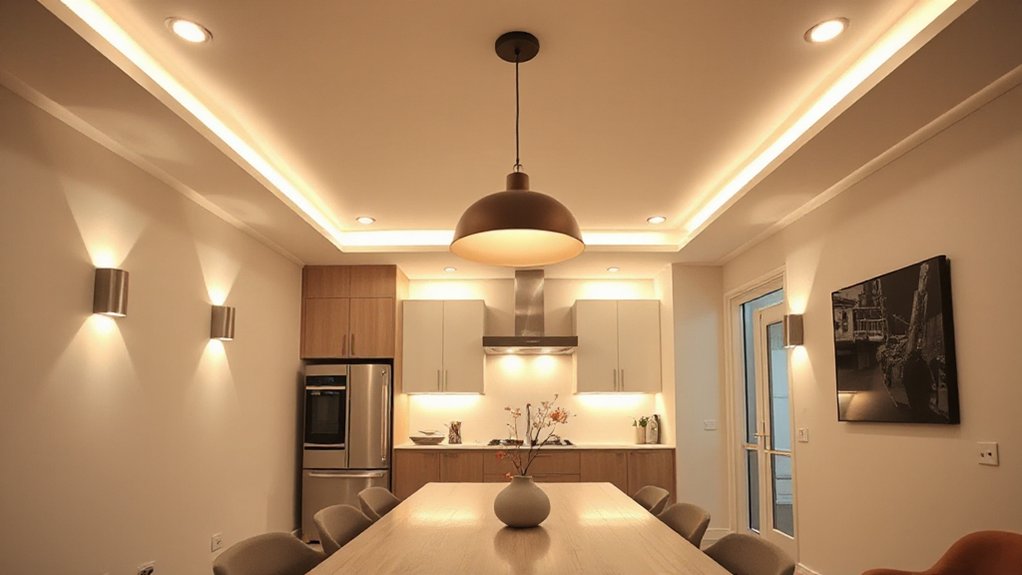
Start by layering ambient lighting to create depth and function in every room, using a mix of ceiling, task, and accent options to illuminate zones without glare.
Opt for energy-efficient fixtures that meet higher lumens per watt and pair with dimmers or smart controls to adjust mood and energy use on demand.
We’ll explore how smart controls, energy performance data, and practical layout choices tie together to maximize ambience while minimizing costs.
Ambient Lighting Layers
Layer a task layer—under-cabinet lights, reading lamps, and desk uplights—to target work areas without overpowering spaces.
Add a subtle accent layer: adjustable track lighting or color-neutral LEDs to highlight architectural details and art, enhancing depth and perceived room size.
Control is key; use a central smart hub or room-by-room controls to switch scenes for work, relaxation, or entertaining.
This approach supports mood enhancement while preserving energy efficiency through programmable dimming and usage sensing.
Ambient layers deliver practical ambience without compromising clarity or function.
Energy-Efficient Fixtures
Are you getting the most efficiency out of your lighting without sacrificing style? You’ll gain traction by pairing high-efficiency fixtures with durable design choices.
Start with LED upgrades across ambient, task, and accent layers, choosing color temperatures around 2700–3000K for warmth or up to 4000K for work zones. Match lumens to room function, not just room size, and prefer dimmable drivers to preserve mood while cutting energy.
Recessed or surface-mounted fixtures reduce glare and hide clutter, improving perceived space.
For vintage charm and historical preservation, integrate retro-inspired LED options that mimic traditional forms without waste, and maintain heritage lighting where feasible with modern efficiency.
Document energy reductions and fixture lifespans to reinforce listing value.
Smart Control Solutions
Choose dimmable LEDs and tunable white to match tasks—from bright task light in kitchens to warm accents in living spaces.
Integration with occupancy sensors helps reduce waste, while app controls let you fine‑tune remotely.
Voice integration adds hands‑free convenience, enabling quick mood shifts during entertaining or relaxing evenings.
Pairing lighting with automated shading enhances contrast and privacy, improving comfort and efficiency.
Confirm compatibility across fixtures, switches, and hubs, and verify firmware updates for ongoing reliability.
Document performance improvements to support listings and buyer confidence.
Smart Home Tweaks That Feel Luxurious, Not Complex
You’ll start with seamless automation refinements that feel effortless, not fussy, so everyday tasks become second nature. Simple, luxurious controls—think intuitive schedules, responsive lighting, and one‑tap scenes—keep your home premium without complexity.
Evidence shows that well‑tuned automation boosts perceived value and efficiency, while staying reassuringly straightforward.
Seamless Automation Refinements
Smart-home refinements should feel effortless, not engineering-heavy. You want automation that saves time without a manual for every action. Start with reliable scenes that combine lighting, climate, and shades in predictable routines.
Use centralized hubs or multitasking apps to control multiple devices at once, but keep presets simple and intuitive. Prioritize interoperability with a handful of trusted brands to avoid lag or compatibility issues.
Check sensor placement for consistent results: motion sensors should trigger lighting at sensible levels, and thermostats should respond gradually to avoid drafts.
For curb appeal, integrate garden pathways and outdoor lighting into one dusk-to-dawn automation so exterior ambience feels polished yet effortless.
In daily routines, favor passive, nonintrusive automation over robotic complexity.
Luxurious Yet Simple Controls
After streamlining automation for seamless daily use, you can elevate the feel of your smart home with controls that read as luxurious but remain simple to operate. Pick a single app ecosystem and stick with it; fewer taps reduce friction and create a premium impression.
Opt for wall-mounted, backlit keypads and a central touchscreen with a clear, concise layout. Favor luxury technology that emphasizes tactile feedback—glossy surfaces are nice, but physical controls deliver reliable, immediate results.
Configure scenes that wake, entertain, and relax with a single press, then hide complexity behind presets. Guarantee firmware updates are automatic to maintain performance.
Prioritize sleek interfaces and consistent iconography across devices. Test daily use, document setups, and adjust based on real-life shortcuts to sustain effortless elegance.
Apply Minimalist Finishes: Cabinets, Countertops, Walls
Smooth minimalist finishes create a calm, high-end base that’s easy to live in and easy to market. You’ll choose cabinets with clean lines, recessed or flat-front doors, and soft-close hardware to reduce visual clutter.
Opt for countertops in durable, light-toned materials like quartz or solid surface, steering clear of busy veining that can overpower spaces.
Walls stay wired for brightness: matte or satin paint in neutral tones, plus strategic accent walls sparingly, if at all.
Emphasize balance with proportionate elements; avoid oversized islands or oversized boards.
Consider decorative accents sparingly, so art and lighting shine without competing.
Plan furniture arrangements that promote flow and sightlines, reinforcing the minimalist feel.
This approach sustains value while enabling flexible styling for buyers.
Refresh Kitchens With Practical, High-Impact Updates
You can boost appeal with practical, high-impact kitchen updates that don’t break the bank. Start with proven fixes—efficient lighting, refreshed hardware, and smart storage—that quietly elevate usability and perceived value.
We’ll weigh evidence on what moves listings, then tailor tweaks to your space for lasting impact.
High-Impact Kitchen Updates
To refresh a kitchen with real impact, start with the essentials: durable surfaces, smart storage, and a cohesive color story that anchors the space. You’ll gain immediate usability by upgrading countertops to quartz or solid surface, pairing with fingerprint-resistant backsplashes that resist stains.
Prioritize organizational systems: pull-out trays, lazy Susans, and built-in vertical storage to eliminate clutter.
Lighting matters: install layered options—bright task lighting above work zones and warm ambient tones elsewhere.
Add a touch of Vintage charm and rustic accents through hardware, open shelving, and butcher-block elements, without overwhelming the modern core.
Finally, invest in efficient appliances and a quiet dishwasher.
Guarantee finishes coordinate, durability is verifiable, and maintenance is straightforward for long-term appeal in listings.
Practical Modernisation Tricks
If you want real impact without overhauling the whole kitchen, focus on practical upgrades that boost usability and appeal. Start with durable, high-contrast surfaces that read clean in listings—think matte quartz counters and backsplash tiles that resist fingerprints.
Prioritize storage: add shallow pull-out organizers, adjustable shelves, and a single, quiet dishwasher.
Lighting matters; combine task LEDs under cabinets with a central, energy-efficient fixture to create perceived space.
Replace dated hardware with timeless, traditional craftsmanship-style pulls to nod to vintage charm while staying modern.
Introduce a cohesive color scheme with restrained accents to unify the room.
Small details—drawer liners, level gaps, and integrated charging outlets—signal meticulous care.
These updates deliver tangible value, modernise feel, and preserve enduring, practical appeal.
Create Spa-Like Bathrooms on a Budget
Creating a spa-like bathroom on a budget starts with smart, simple upgrades that deliver a high-end feel without breaking the bank. You’ll focus on foundation choices that don’t price you out: solid fixtures, easy maintenance surfaces, and efficient layouts.
Prioritize a cohesive color palette and quality towel hooks, a rainfall shower head, and a frameless glass panel to convey luxury without expansion costs. Update lighting to warm, layered layers—dimmable LEDs and sconces near mirrors—so ambience reads spa-like.
Integrate texture with natural materials sparingly: a wood vanity, stone-look tiles, or woven baskets for storage. Keep plumbing and electrical work minimal, using compatible, off-the-shelf components for reliability.
Spa essentials become practical anchors; Budget relaxation comes from thoughtful details, not extravagant fixtures.
Optimize Storage Without Clutter
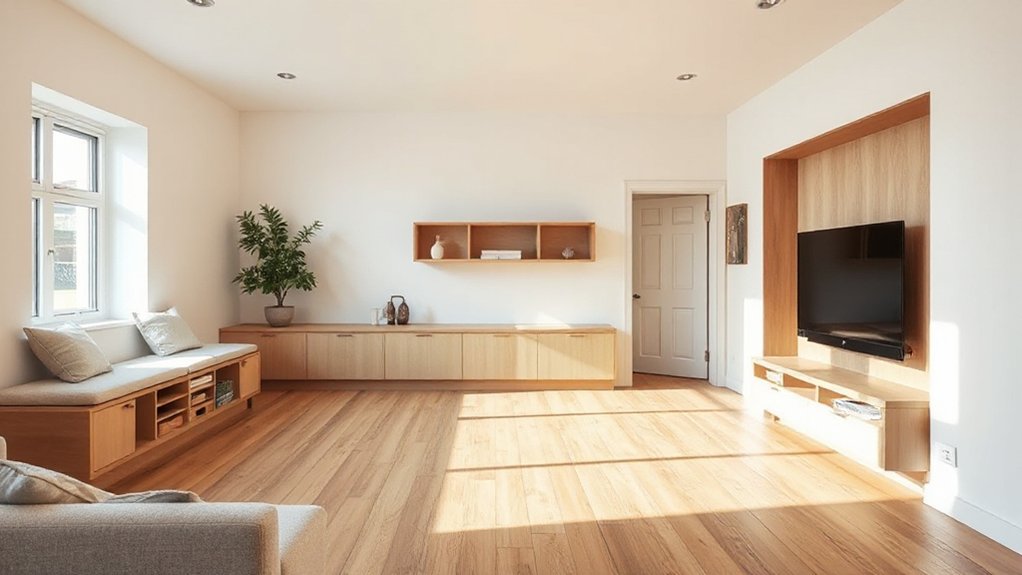
Even in a new-build, smart storage should feel invisible until you need it, so start by reclaiming vertical space with tall, shallow cabinets and adjustable shelves that don’t intrude on floor area.
Prioritize hidden storage that doubles as design, like frosted doors, pull-out bins, and under-stair hollows, so clutter stays out of sight yet accessible.
Commit to a single, consistent storage system across rooms to reduce decision fatigue and improve flow.
Use labeled bins for seasonal items and a dedicated closet for seldom-used gear to support clutter control.
In kitchens and bathrooms, install built-in organizers and tray dividers that maximize every inch without crowding counters.
Regular, brief decluttering sessions prevent buildup, preserving a calm, showroom-ready look that endures.
Hidden storage delivers function with restraint, not excess.
Modern, Durable Flooring Choices
Consider options that resist scratches, stains, and moisture, yet are comfortable underfoot. Engineered hardwood offers authentic warmth with enhanced stability, while luxury vinyl planks provide water resistance and design versatility at a lower cost.
For high-traffic zones, tile in porcelain or ceramic delivers longevity and easy care, paired with underfloor heating if desired.
Eco-friendly materials can reduce embodied carbon and improve indoor air quality, especially when sourced from certified mills.
Textured finishes add depth, hide wear, and enhance grip, contributing to a timeless, practical aesthetic.
Choose planks or tiles with consistent grading for cohesive resale potential.
Practical Energy Upgrades With Quick Payback
If you’re aiming for quick, tangible savings, start with practical energy upgrades that deliver fast payback without sacrificing comfort. You’ll focus on efficient components that blend with your home’s character, preserving Vintage charm while boosting performance and resale appeal. Prioritize simple, proven upgrades that respect Historical preservation norms and avoid risky overhauls.
- Seal leaks and insulate accessible cavities to cut drafts without major renovation.
- Install a smart thermostat to optimize heating and cooling.
- Upgrade to high‑efficiency LED lighting throughout living zones.
- Use energy‑efficient windows or secondary glazing where feasible.
- Swap older appliances for ENERGY STAR choices with quick return on investment.
These steps create tangible savings, support responsible modernization, and keep the home’s character intact.
High-Impact Hardware and Fixtures That Sell
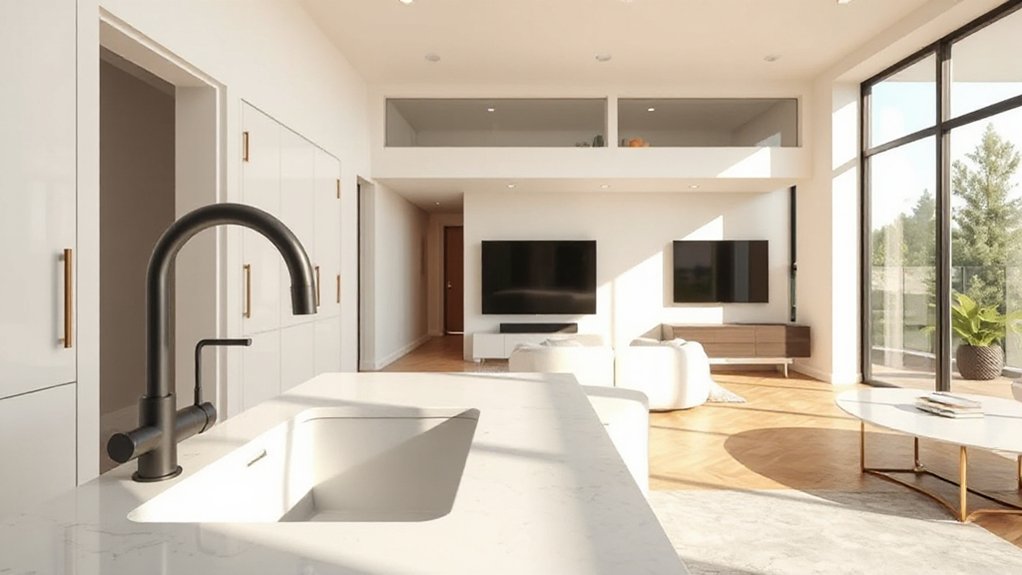
After you’ve tightened up energy efficiency, the fastest way to make a listing pop is with high-impact hardware and fixtures that feel new without a full remodel. You’ll focus on tactile upgrades that buyers notice at a glance and upon closer inspection.
Start with door hardware and plumbing fixtures that balance durability with style; choose matte finishes and streamlined silhouettes for modern appeal. If you’re aiming for character, integrate elements that nod to historical architecture without going heavy: lever handles, premium backplates, and clean lines.
Offset contemporary fixtures with vintage fixtures in dated rooms to create contrast rather than clutter. Precision matters: install properly, seal gaps, and test function.
Materials should resist wear, maintain finish, and support long-term value in busy listings.
Color and Contrast: Timeless Neutrals With Pops
You’ll start with timeless neutral palettes as the base, pairing warm whites and greys to create calm, flexible backdrops.
Then you add bold accent details—think a statement sofa, a gallery of color pops, or architectural highlights—to inject personality without overwhelming the space.
Balance light and dark elements to maintain contrast, depth, and visual clarity that reads well in listings and photos.
Timeless Neutral Palettes
Are timeless neutrals the backbone of a modern listing—and how can you use them with strategic pops to elevate appeal? You’ll blend classic neutrals with selective accents, ensuring spaces feel calm yet purposeful. Use warm undertones to avoid sterility, then layer textures for depth.
Introduce pops through thoughtfully chosen decor rather than entire rooms, keeping resale-friendly chic.
- Balance soft grays and creams with a single, saturated accent
- Choose durable fabrics to sustain lived-in appeal
- Integrate vintage patterns as subtle echoes, not statement walls
- Curate eclectic accessories to spark personality without noise
- Focus lighting to highlight contrast and architectural features
This approach yields timeless versatility, enhances perceived space, and supports a cohesive, high-end look that resonates with buyers.
Bold Accent Details
Choose vintage accents—think a mid‑century lamp, a ceramic vase, or a carved mirror—to introduce warmth without overpowering the room. Traditional motifs, when used sparingly, ground the look and reinforce a sense of timeless craft.
Pair these elements with bold but controlled color hits—an upholstery fringe, a powder‑room tile, or a front‑door hue—that draw the eye without shouting. Keep finishes matte or lightly satin to preserve sophistication.
Test contrast in daylight and artificial light, then refine until the accents feel purposeful, not decorative.
Light + Dark Balance
Light and dark balance is your easiest win for modern listings: it creates instant visual depth without shouting.
You’ll use timeless neutrals as a base, then add pops with strategic lighting and contrast. Artistic lighting guides the eye to key features without overpowering spaces, while color psychology nudges mood toward warmth and openness.
Focus on clean lines and consistent tonal grades to avoid jarring shifts.
- Use warm accent lighting to highlight textures
- Pair dark fixtures with light walls for contrast
- Limit bold colors to 1–2 focal areas
- Mirror natural light to extend brightness
- Test scenes in neutral daylight before photos
This approach supports practical staging, measurable impact, and cohesive catalog imagery.
Tidy Power: Wiring, Charging, and Cable Management
Tidy power starts with a plan: map every outlet, switch, and charging station before you pick the furniture. You’ll design a wiring layout that supports daily life without visible clutter, prioritizing safe distances and accessibility.
Consolidate power needs near work surfaces, media centers, and charging zones, and size circuits with future expansions in mind. Use recessed outlets and low-profile switches to reduce bulk on walls.
Implement cable concealment behind walls, baseboards, or routed channels, then label each run for easy troubleshooting. Choose furniture with built‑in charging nooks and USB ports to minimize tangles.
Favor wireless charging pads where practical, but retain traditional plugs for reliability. Document locations for maintenance, and keep excess cable slack tucked neatly in accessible, ventilated storage.
Real-World Builder Wins: Quick Upgrades in Practice
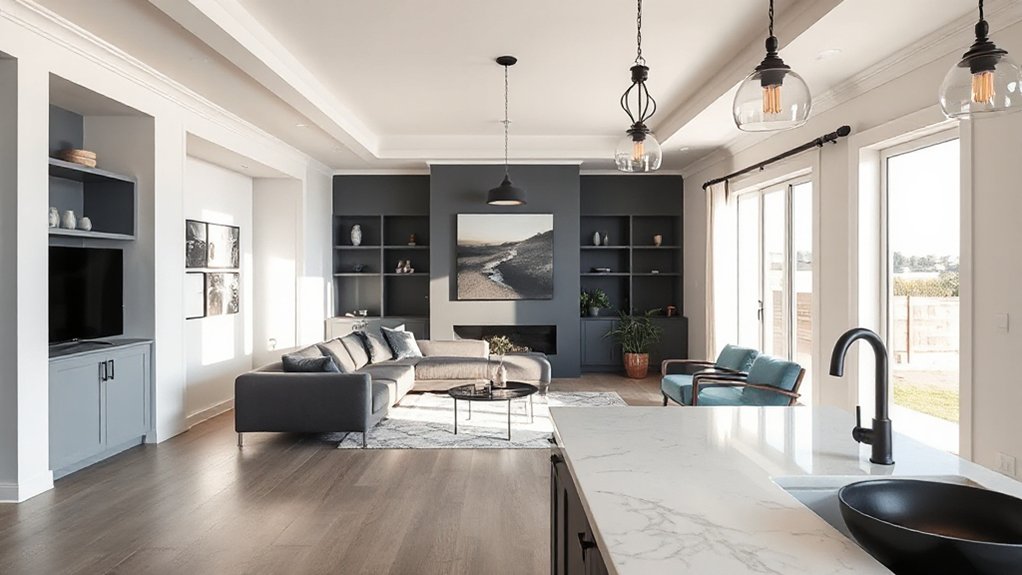
Builders live by real results, so here are practical, quick upgrades you can implement as you move from planning tidy power to real-world gains.
- Install a compact, high-output charging station aligned with existing garage wiring for faster, neater accessibility.
- Integrate hidden cable management in living areas to keep screens and lamps tidy without sacrificing style.
- Accent a small exterior with landscape design touches that boost curb appeal, like low-water plantings and smart lighting.
- Choose finishes that nod to historical architecture while staying modern, such as timber-inspired veneers and period-inspired hardware.
- Add flexible nooks for future tech, from modular work Zones to charging hubs, without compromising flow or safety.
Budgeting Modernisation: Quick Wins vs Big Bets
Balancing quick wins with bigger bets is essential when modernising a new-build home, because you’ll want practical gains that fund smarter upgrades later. You start by mapping visible, low-cost improvements that boost listing appeal today—fresh paint in calm tones, updated lighting, and smart storage fixes. These quick wins create immediate buyer impact without derailing your budget.
Then reserve a portion for deliberate, higher‑impact investments that elevate room flow and lasting value, such as engineered flooring, energy‑efficient systems, and upgraded fixtures. Throughout, track cost per square foot and expected return.
Blend in timeless touches like vintage charm and well‑placed antique decor to evoke character without overhauling the aesthetic. This disciplined mix prevents overcapitalising while keeping momentum toward smarter, sellable modernisation outcomes.
Showcasing Modern Upgrades in Listings: A Buyer-Facing Guide
Showcasing modern upgrades in listings starts with clear, buyer-focused storytelling: highlight how upgrades translate to everyday living, not just cosmetic tweaks. You’ll frame features as real-life benefits, with metrics where possible, and show how spaces flow from morning coffee to evening entertaining. Focus on tangible outcomes—more storage, quieter spaces, better lighting, and lower maintenance.
Keep descriptions precise and verifiable, so buyers see value beyond aesthetics. Emphasize energy efficiency, smart controls, and durable finishes. Include visuals that connect upgrades to daily use, from room-to-room passages to outdoor experiences.
Remember to compare before/after scenarios and reference standard specs so buyers feel informed and confident.
- Clear, benefit-driven room descriptions
- Quantified efficiency and cost savings
- Practical daylight and ambiance notes
- Garden landscaping impact on curb appeal
- Outdoor lighting and mood framing
Frequently Asked Questions
How Long Does a Modernisation Project Typically Take Start-To-Listing?
Typically, a modernisation project starts-to-listing takes 6–12 weeks, depending on scope. You’ll prioritize interior lighting upgrades and landscaping enhancements, coordinate trades, secure permits, and schedule pacing to guarantee milestones align with photos, tours, and market timing.
What Are Quick, Cost-Effective Modernisation Wins for New Builds?
82% of buyers notice smart tech integration first. You’ll boost appeal with quick, eco friendly upgrades—smart lighting, thermostats, low-flow fixtures—delivering practical flair, evidence-based value, and minimal disruption while staying cost-conscious and maintenance-light.
Which Features Most Influence Buyer Perception in Listings?
You’ll maximize buyer perception by highlightingHistoric preservation touches and interior customization options, focusing on timeless design, natural light, and efficient layouts. You’ll back claims with data, show practical details, and offer adaptable finishes that resonate with target buyers.
How Do You Measure ROI on Common Modernisation Upgrades?
You’ll find ROI hinges on cost versus perceived value, and yes, historical context matters: upgrades that echo timeless design aesthetics tend to pay off. Measure via resale lift, time-on-market, and buyer willingness to pay, not just costs.
What Legal or Warranty Issues Should I Consider?
You should consider warranty considerations and legal compliance, ensuring contracts, disclosures, and builder warranties cover structural, electrical, and plumbing work. You’ll document repairs, keep records, and consult a solicitor or compliance expert to avoid future disputes.
Conclusion
You’ll notice it’s no accident: the tiny choices—durable neutrals, layered textures, and smart, unobtrusive tech—align with buyers’ real needs. When curb appeal nudges first impressions and lighting quietly boosts atmosphere, coincidence feels intentional rather than luck. The plan you followed delivered practical upgrades that pay off in time and energy savings, while the finishes stay resilient. In listings, those details read as thoughtfully modern, credible, and ready for living. That alignment makes your home stand out—and sell.