
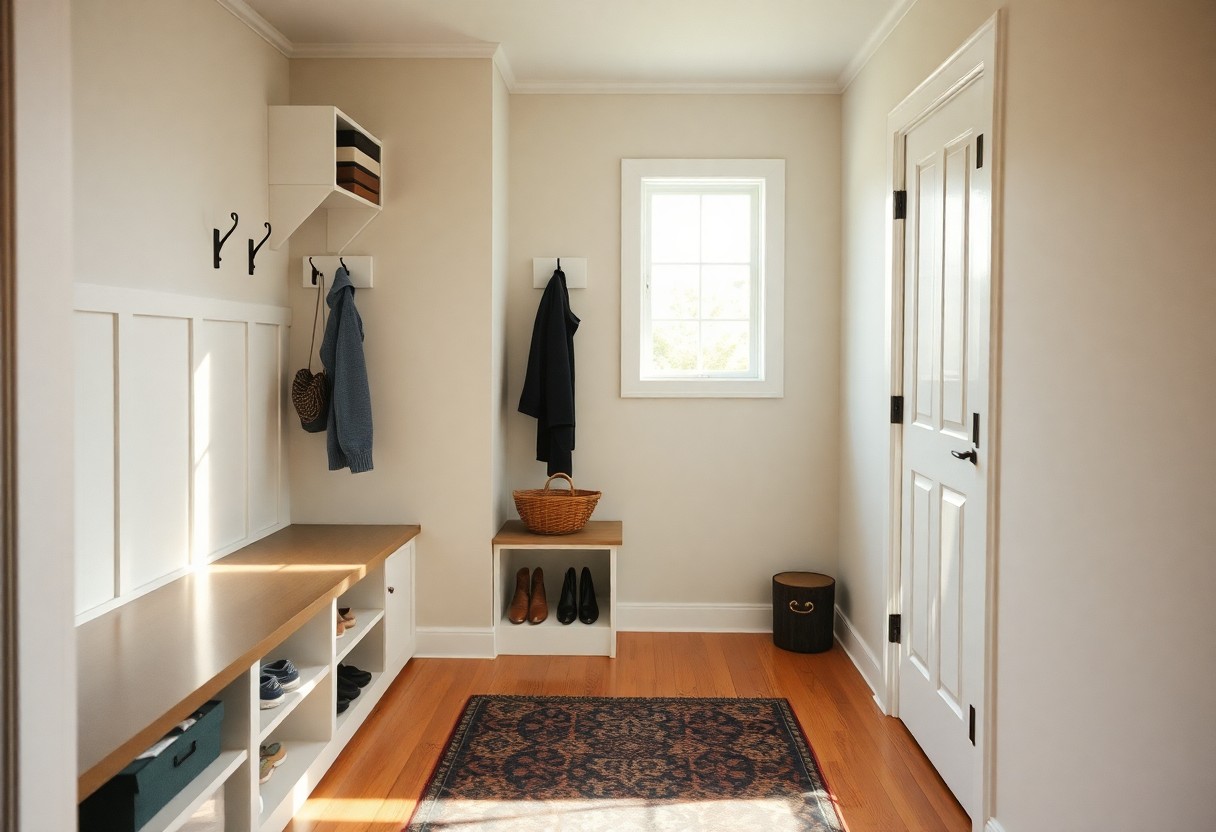

There’s no better way to enhance your home’s functionality than by creating a mudroom. This versatile space can help you manage clutter, organize your belongings, and provide a welcoming entrance. In this guide, you will learn imperative steps and tips to design and construct a mudroom that fits your needs and style, turning that chaotic entryway into a well-ordered transition zone.
Planning Your Mudroom
Effective planning is imperative for a successful mudroom project. Analyze your household’s needs, considering factors such as the number of family members, the types of activities they engage in, and any existing space constraints. Create a list of must-have features and envision how this space can streamline your daily routine, enhancing functionality while adding aesthetic appeal.
How to Choose the Right Location
Selecting the ideal location for your mudroom significantly impacts its usability. Aim for a spot near the main entrance used most often, ideally adjacent to traffic routes leading to the rest of the home. If you have outdoor access, consider proximity to yard or garden areas, ensuring your mudroom serves as a transition space between indoors and outdoors efficiently.
Tips for Space Optimization
Maximizing the available space in your mudroom will enhance organization and accessibility. Utilize vertical storage solutions such as wall-mounted shelves, hooks, and cubbies to keep items off the floor. Implement multi-functional furniture, like benches with hidden storage, and ensure pathways between items remain clear for easy movement.
- Incorporate bins or baskets for easy sorting of items.
- Designate zones within the mudroom for shoes, coats, and sports gear.
- Use clear containers for visibility and accessibility.
After you assess your spatial constraints, think about the layout that promotes efficiency. Establish dedicated areas for specific items to avoid clutter. This could include shoe racks positioned by the door, hooks for coats near the entryway, and space for up to four pairs of shoes per family member, streamlining your morning routine significantly.
- Choose furniture with built-in storage wherever possible.
- Consider a sliding door to maximize entry space without compromising flow.
- Use mirrors strategically to create a sense of openness.
After exploring these strategies, implementing them will help you create a functional mudroom that accommodates your family’s needs and enhances your home’s overall layout. Aim for simplicity and practicality while ensuring the space feels inviting and connected to the rest of your home.
Design Considerations
When planning your mudroom, consider the blend of functionality and aesthetic appeal. The layout, storage options, and finishes should harmonize with the overall style of your home while catering to practical needs. Prioritize durability in materials that can withstand daily wear and tear, suggesting tile or vinyl flooring. Clarity in design can enhance workflow, making it easier to manage the flow of foot traffic and belongings.
Factors Influencing Design Style
Your mudroom’s style should reflect your home’s architecture and your personal preferences. Key elements that influence the design style include:
- Your home’s existing color palette
- Architectural features of your house
- Personal design preferences
- Functional needs of your family
The integration of these factors will ensure your mudroom complements the overall living space.
How-to Create Functional Zones
Creating functional zones within your mudroom helps maximize efficiency. Identify designated areas for different activities-like a space for shoes, coats, and bags. Use furniture or dividers to clearly delineate each zone, and choose storage solutions that cater to these specific functions.
For example, install a bench with built-in storage for shoes and backpacks, or add hooks at varying heights so everyone in your family can easily reach their designated spot for coats and hats. Incorporating a small mat or rug near the entrance can contain dirt and moisture, while baskets or bins can neatly organize smaller items, making your mudroom both functional and inviting. The overall design should support your workflow and lifestyle, ensuring a seamless entry and exit point for your home.
Material Selection
Choosing the right materials for your mudroom can enhance both its function and appearance. Focus on surfaces that can withstand moisture, dirt, and heavy traffic. Options like tile, vinyl, or moisture-resistant laminate work well for flooring, while durable cabinetry in wood or composite can provide lasting storage solutions. Prioritize easy-to-clean and non-slip materials to ensure safety and longevity in your space.
Tips for Durable Flooring
Selecting flooring that can endure the demands of a mudroom is vital. Consider materials that resist water, stains, and scratches. Options to explore include:
- Porcelain or ceramic tile for water resistance
- Laminated hardwood for durability
- Luxury vinyl for a softer feel
- Cork for added cushioning and insulation
Knowing the specific conditions your mudroom will face helps you choose wisely.
How-to Choose Practical Storage Solutions
Effective storage solutions in your mudroom optimize space and promote organization. Incorporate a combination of hooks, cubbies, and shelves tailored to your family’s needs. For instance, install a bench with built-in storage for shoes and bags, or utilize vertical space with wall-mounted shelves. Baskets or bins can further compartmentalize belongings, ensuring everything has a designated spot. Having designated storage not only clears clutter but also instills a sense of order, making your mudroom more functional.
Mudroom Essentials
To create a functional and inviting mudroom, focus on incorporating vital furniture that enhances organization and accessibility. Start with a sturdy bench for seating while you put on or take off shoes, coupled with hooks or pegs for hanging coats and bags. Shelving or cabinets can store shoes, gloves, and other outdoor gear, while baskets provide an aesthetically pleasing way to manage smaller items. Each piece should blend seamlessly with your mudroom’s overall design to ensure it remains a welcoming space.
How-to Select Key Furniture Pieces
Select furniture pieces that not only fit your space but also suit your lifestyle. Opt for durable materials like wood or metal that withstand wear and tear. A bench with storage underneath can double as a seat and a space-saver, while vertical storage solutions keep the area tidy. Consider the size of your family and how often you use the mudroom to ensure you choose the right quantities and styles of each piece.
Tips for Organizing Accessories
Organizing accessories in your mudroom can streamline your daily routine. Use labeled bins and baskets to categorize items like gloves, scarves, and hats for easy access. Hooks at different heights accommodate both adults and children, while clear containers allow for visibility. Implement a consistent color scheme for bins to maintain a cohesive look. Any personalized touches, like family photos or seasonal decor, can bring warmth to the space.
- Utilize drawer dividers for smaller accessories.
- Retire seasonal items to storage when not in use.
- Establish a ‘landing zone’ for vitals like keys and sunglasses.
- Opt for matching baskets to enhance aesthetics.
- Make use of tiered shelves for vertical storage options.
- Any simple organization system can drastically improve your mudroom’s efficiency.
Investing in the right organizing tools can redefine your mudroom’s functionality. Consider using wall-mounted shelves for decorations while providing extra storage space. Pegboards are ideal for hanging frequently used items, such as dog leashes or bags, and allow for flexible rearrangement. Incorporate a small rug to define the space and capture debris, ensuring that it remains inviting and clean. Any small adjustments can lead to significant improvements in keeping your mudroom orderly.
- Rotate decor to keep the space engaging throughout the year.
- Implement a check-in/check-out system for shared items.
- Encourage family members to return items to their designated spots.
- Use bright colors to flag frequently used accessories for easy spotting.
- Create a visual reminder for daily routines.
- Any thoughtful organization strategy will enhance your mudroom’s usability.
Decorating Your Mudroom
Transform your mudroom into a stylish yet functional space by carefully selecting decorative elements that reflect your personal taste while enhancing usability. Choose colors and patterns that complement your home’s overall aesthetic. Incorporating storage solutions that double as decorative features, such as attractive baskets or personalized hooks, can add flair while keeping the area organized.
Factors to Consider for Style
When deciding on the style for your mudroom, think about functionality alongside aesthetics. Consider these factors:
- Size and layout of the space
- Color schemes that match your home
- Type of flooring for durability
- Storage needs and organization
- Lighting options for ambiance
This balanced approach ensures your mudroom is both beautiful and practical.
How-to Add Personal Touches
Incorporating personal touches into your mudroom can make the space feel welcoming and uniquely yours. Consider displaying family photos in stylish frames or hanging artwork that resonates with your personality. Use decorative elements that have sentimental value, such as heirloom pieces or souvenirs from travels, to create a connection to your space.
Additionally, incorporating personal touches can elevate the overall aesthetic and functionality of your mudroom. You may want to customize storage solutions with your family’s names or initials, use a colorful area rug that reflects your style, or add fresh plants for a touch of greenery. Feel free to experiment with different textures, such as incorporating wood, metal, or textiles that resonate with your character and lifestyle. Personal elements not only enhance the visual appeal but also create an inviting atmosphere for you and your guests.
Maintenance and Upkeep
Ensuring your mudroom remains functional and visually appealing requires regular maintenance. Simple tasks, such as sweeping or vacuuming dirt and debris, can prevent grime buildup. Periodically check for damages to storage units, hooks, and flooring, as early intervention can extend the lifespan of your mudroom’s components. Invest time in keeping surfaces clean and organized to foster a welcoming environment.
Tips for Long-Lasting Functionality
To keep your mudroom in prime condition, follow these maintenance tips:
- Use durable, water-resistant flooring materials.
- Install hooks and shelves that suit your storage needs.
- Regularly inspect and repair any damages.
- Keep cleaning supplies accessible for quick touch-ups.
Thou shalt ensure each component serves you well.
How-to Clean and Maintain Your Mudroom
Cleaning your mudroom effectively involves a few systematic steps. Begin by removing all items, such as shoes, bags, and outdoor gear, from the space. Dust surfaces, including shelves and hooks, using a microfiber cloth, followed by sweeping or vacuuming the floor. For stubborn stains, use a damp mop with a suitable cleaning solution. Lastly, reorganize items methodically, ensuring everything has its designated place, making the space functional and easy to maintain.
Summing up
With this in mind, building a mudroom involves careful planning and execution to enhance your home’s functionality and organization. Consider your space and design preferences while selecting materials that complement your style. Incorporate storage solutions that suit your family’s needs, ensuring easy access to frequently used items. Properly integrating lighting and decor will create a welcoming atmosphere, making your mudroom not just practical, but also an inviting entryway. By following these guidelines, you can create a mudroom that serves your household efficiently.