
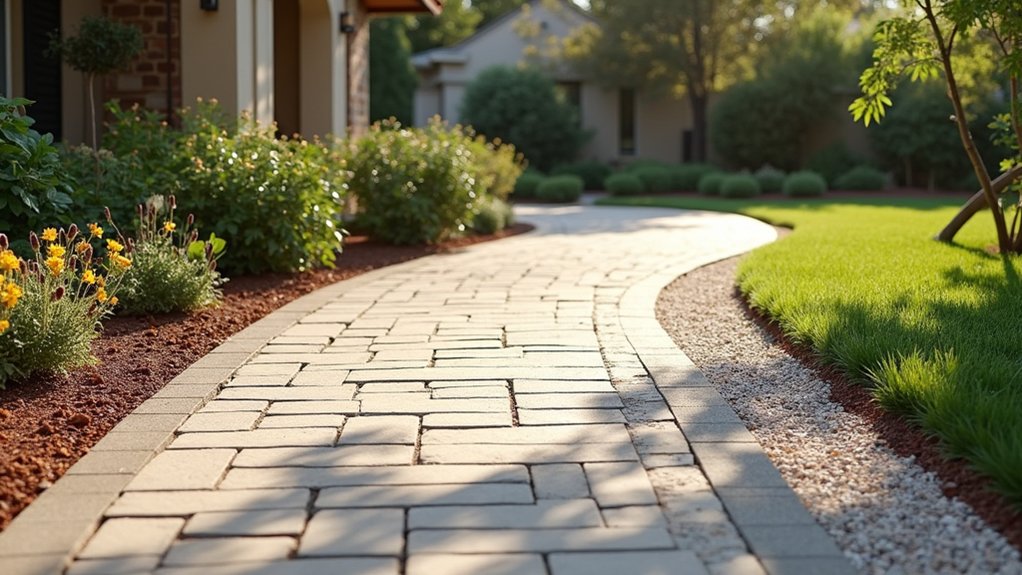

Low-maintenance, affordable driveway options focus on durability and simple upkeep. Permeable pavers, stabilized gravel, and resin-bound surfaces offer good longevity with less weed growth, cracking, and staining. Expect higher upfront costs for permeable pavers or resin, but lower ongoing maintenance and drainage benefits. Gravel stays tidy with edging and periodic replenishment. Plan for proper installation, sealing where needed, and seasonal checks to prevent issues. If you want a durable, easy-care choice, you’ll benefit from what comes next.
What Low-Maintenance Driveway Means for You
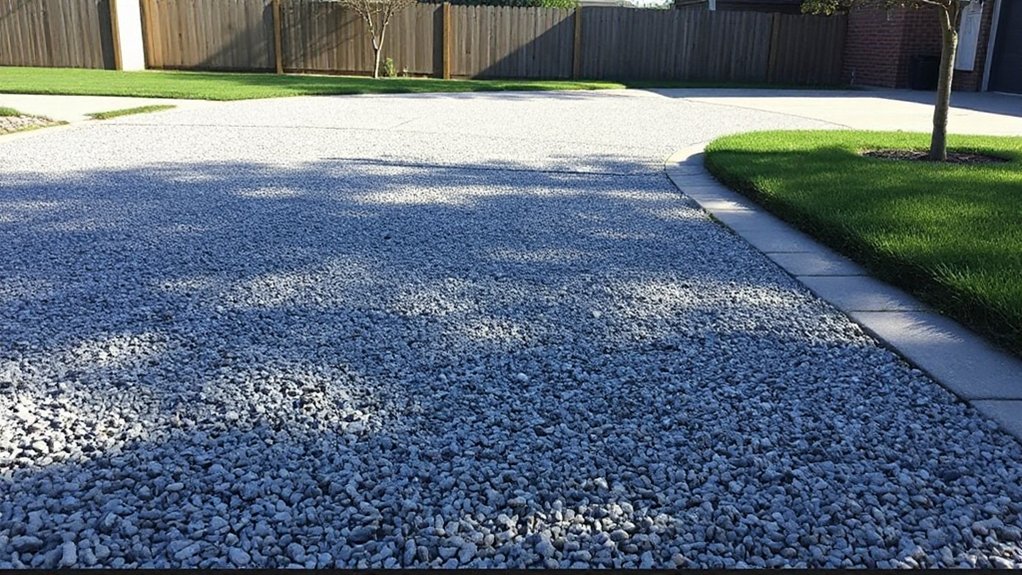
Low-maintenance driveways save you time and money by reducing routine upkeep. When you choose a low-maintenance option, you gain predictable performance with minimal attention. You’ll experience fewer cracks, weeds, and edging tasks, which translates to fewer seasonal repairs and less seasonal interruption.
This approach aligns with practical needs: reliability, speed of use, and cost control. Landscaping aesthetics matter, since a clean, simple surface can still complement your yard if you pick a consistent color and texture. Consider surfaces that resist staining and are easy to clean, so your curb appeal stays intact without frequent resealing.
Environmental impact matters too; select permeable materials when possible to enhance drainage and reduce runoff. Overall, you maintain flexibility while protecting value and appearance.
How to Budget Driveway Projects: Upfront Costs and Lifecycles
We’ll start by outlining the upfront cost breakdown so you can compare options without surprises.
Consider the lifecycle costs of each choice—maintenance, repairs, and replacement timelines—to gauge true long-term value.
With clear figures and realistic timelines, you’ll make budgeting decisions that align with your goals and rock-solid efficiency.
Upfront Cost Breakdown
How should you plan upfront costs for a driveway project? Start by listing core options—asphalt, concrete, pavers, permeable surfaces—and assign rough price ranges per square foot.
Then add site prep, permits, edging, and drainage, which can shift total by 10–30% depending on access and existing utilities.
Prioritize upfront budgeting for materials, installation labor, and any required subbase or compaction.
Include contingencies for weather delays and delivery hiccups.
Consider maintenance-avoidance benefits in your math; higher upfront spend may reduce long-term costs, but verify by calculator and local bids.
Landscaping aesthetics and Environmental impact matter: choose surfaces that minimize soil disruption and maximize drainage.
Document warranties, service expectations, and contractor timelines to prevent scope creep and budget overruns.
Lifecycle Cost Considerations
Lifecycle costs shouldn’t stop at the upfront price: you must weigh long-term maintenance, repairs, and replacement timelines against initial investments. In practice, evaluate each option’s longevity, material resilience, and seasonal performance.
For garden pathways, choose surfaces that resist cracking, weed growth, and heavy use without frequent resealing or resurfacing. Consider installation quality, drainage, and compatibility with your climate to minimize ongoing costs.
For landscape edging, select durable materials that deter movement and reduce edge maintenance, saving trimming time and weed control.
Build a simple maintenance schedule: clean, seal, and inspect annually, with bigger repairs planned before failures occur. Factor in downtime, labor, and disposal.
Compare lifetime costs, not just price, to identify the most affordable, low-maintenance driveway solution over time.
Permeable Pavers: Costs, Pros, and Long-Term Value
Permeable pavers offer a balance of upfront cost, long-term savings, and reduced maintenance, with their core value tied to water management and durability.
You’ll weigh the initial investment against pros like trend-resistant surfaces, improved drainage, and less runoff over time.
We’ll examine long-term value by comparing lifecycle costs, maintenance needs, and how these pavers hold up in your climate and driveway use.
Permeable Pavers Cost
In practice, you’ll see higher material and installation prices, largely driven by modular units and sub-base preparation. Expect costs to scale with area, soil conditions, and the chosen system (pavers, cells, or grids).
Labor for installation matters, since proper compaction and joints are essential to performance.
Factor in ongoing maintenance, such as cleaning joints and addressing weed growth, which keeps permeability effective.
When budgeting, compare lifecycle costs rather than just initial outlay.
Garden lighting and landscaping integration can influence pricing, but they also enhance curb appeal and drainage function, improving overall value.
Pros Of Permeable Pavers
Permeable pavers offer several practical advantages you’ll notice from installation onward. They curb runoff and reduce pooling, protecting your driveway and landscaping during storms. The open-cell design lets water infiltrate, cutting drainage problems and soil erosion.
Maintenance stays simple: brush off debris and rinse with a hose; joints resist weed growth better than traditional concrete. Installation is versatile, accommodating slopes and uneven surfaces without costly leveling.
Durability remains solid when you choose quality materials and proper compaction, so you’ll enjoy long-term performance with relatively low upkeep. Permeable pavers also align with eco-friendly materials, appealing to homeowners seeking greener options without sacrificing curb appeal or load-bearing capability.
Long-Term Value Benefits
As you weigh long-term value, permeable pavers offer more than upfront savings. They reduce drainage issues, curb maintenance costs, and extend outdoor usability with stable surfaces that resist cracking. While initial installation is higher than traditional options, you gain durable performance, lower replacement needs, and improved resale appeal.
Consider how garden edging can define spaces and prevent soil erosion, preserving paver integrity over time. Permeability supports stormwater management, potentially lowering runoff fees and avoiding flood-related repairs.
Consistent, practical benefits include minimal mud during wet seasons and reduced upkeep compared with asphalt. Pair permeable pavers with strategic outdoor lighting to enhance safety and curb appeal at night without frequent resurfacing.
In the long run, value hinges on durability, versatility, and cost containment rather than immediate discounts.
Gravel Driveways That Stay Tidy With Minimal Effort
Gravel driveways can stay tidy with minimal effort if you choose the right setup and maintenance routine. To keep dust and mud down, lay a compacted base with a geotextile separator and a solid sub-base.
Use evenly sized aggregates, ideally 10–20 mm, and top with a lighter dressing for surface polish. Regular raking and occasional gravel replenishment prevent washouts and rutted paths.
Invest in drainage planning—slopes should direct water away, not toward entryways.
For aesthetics and clarity, install garden pathways with clearly defined borders; decorative edging keeps gravel contained and reduces spillage onto lawns or sidewalks.
Keep sweeping handy for leaves and debris, and reseed any bare spots with a quick-drying mix to maintain a neat, low-maintenance appearance.
Resin-Bound Surfaces: Maintenance Myths Vs Reality
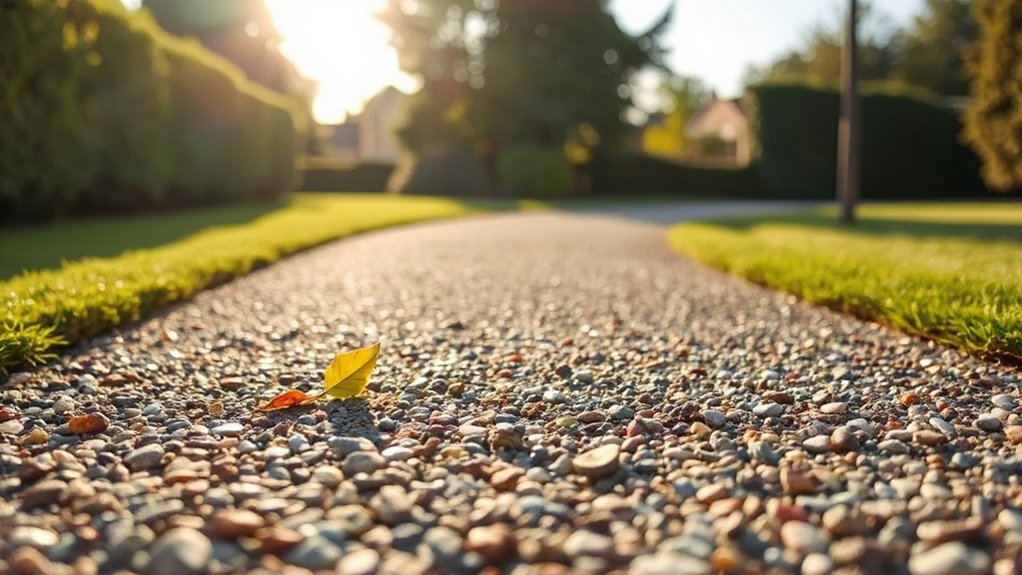
Resin-bound surfaces aren’t maintenance-free, but they’re far less demanding than you might fear. In reality, you’ll benefit from consistent cleaning and occasional reapplication of sealant to keep resin durability high and surface aesthetics sharp. Misconceptions linger about brittleness and frequent resealing; the reality is resilient systems when installed correctly and protected from heavy loads.
- Sweep regularly, wash with mild soap, and rinse to prevent stain buildup, preserving resin durability and appearance.
- Address cracks early with professional repair to maintain surface aesthetics and long-term performance.
- Plan periodic sealant refreshes to sustain UV resistance, color, and slip resistance without costly downtime.
Stamped Concrete Designed to Endure With Little Care
Stamped concrete offers durable sealer benefits and low-maintenance features that keep your driveway looking good with minimal effort. You’ll benefit from a protective seal that resists stains, chips, and weathering, reducing the need for frequent upkeep.
In short, this option prioritizes longevity and practicality so you spend less time on maintenance.
Durable Sealer Benefits
Durable sealers keep stamped concrete looking sharp with minimal upkeep, so you won’t waste time on constant resealing. You’ll benefit from a clear, protective layer that resists weathering and wear, while preserving color and texture. With proper sealer application, surface sealing stays effective longer, reducing maintenance cycles and extending lifespan.
- Control wear: Choose a film-forming sealant that bonds well to stamped patterns, minimizing color fading and surface stain uptake.
- Schedule timely coats: Apply after thorough cleaning and dry conditions to ensure uniform absorption and finish.
- Monitor and recoat: Inspect annually for early edge lifting or gloss reduction, planning a reseal before damage.
This approach keeps your driveway durable, affordable, and low effort. Sealer application becomes routine; surface sealing remains your preventive shield.
Low Maintenance Features
Ever wonder how a stamped concrete driveway can stay low-maintenance without sacrificing curb appeal? The answer lies in design choices and proper installation.
Choose textures and patterns that mimic natural stone but require less upkeep, reducing annual resealing. Use integral color or minimal dye to limit fading and maintenance cycles.
A stamped surface with a dense, sealed finish resists cracking and moisture intrusion, meaning fewer repairs and less cleaning.
For landscape integration, plan slopes and drainage to prevent pooling and staining, while ensuring accessible edges for mowing and debris removal.
Prioritize aesthetic customization with subtle color blends and seams that hide wear.
Routine cleaning is simple—a leaf blower and a brief wash keep the look fresh, preserving longevity with minimal effort.
Color-Integrated Concrete: Benefits and Upkeep Tips
Color-integrated concrete brings color directly into the mix, giving your driveway a uniform look that lasts without requiring paint or coatings. You gain a cohesive appearance, fewer maintenance steps, and proven durability under residential use.
When selecting color options, choose integral pigments that resist fading and blotching and perform well in durability testing. With proper care, the color runs through the slab, not just on the surface, reducing maintenance cycles and rework.
- Choose reliable pigments and verify coloration through durability testing to ensure long-term consistency.
- Seal selectively after curing to preserve color depth without trapping moisture.
- Schedule periodic surface cleaning with mild cleaners, avoiding harsh chemicals that can dull the hue.
Result: a low-maintenance, aesthetically stable driveway that ages gracefully.
Asphalt Alternatives That Save Money Over Time
If you’re aiming to cut long-term costs, consider asphalt alternatives that offer lower upfront expenses or longer life with fewer maintenance cycles. You want options that minimize ongoing work while maximizing durability.
Recycled asphalt products and permeable paving can lower material costs and reduce maintenance frequency, especially with proper installation.
Concrete alternatives like stabilized gravel or interlocking pavers may deliver longer wear life and fewer reseals, depending on climate and usage.
Eco-friendly materials are increasingly viable, pairing sustainability with cost savings through longer lifespans and reduced repairs.
Look for systems that require simple maintenance tasks rather than annual overlays.
Prioritize installations that support aesthetic customization—color, texture, and pattern choices—to match your home’s look while staying budget-conscious.
Choose proven warranties and reputable installers to protect your investment.
Stabilized and Resin-Infused Gravel for Easy Upkeep
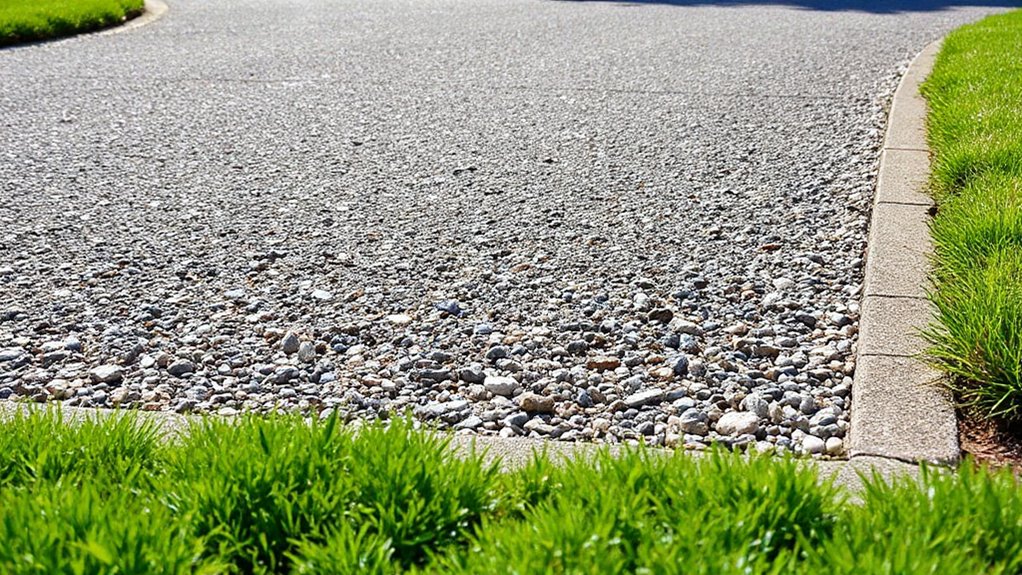
Stabilized gravel lasts longer than loose gravel, so you spend less time on maintenance and more on using your driveway.
Resin-infused mix reduces shifting and weeds, making upkeep simpler and more predictable.
If you want a surface that’s easy to clean, drains well, and stays solid year after year, this approach is worth considering.
Stabilized Gravel Longevity
Stabilized and resin-infused gravel packs tighter, resists washouts, and stays level longer than standard gravel, making maintenance far simpler. With stabilized gravel, you’ll enjoy improved surface integrity and fewer rutting issues, which translates to lower upkeep over years.
Longevity tips focus on proper installation, routine inspections, and targeted refreshes to maintain performance and prevent erosion.
- Verify base compaction and correct drainage prior to installation to maximize longevity.
- Schedule seasonal inspections and promptly address any subsidence or washouts.
- Add a light top-up layer as needed to maintain a uniform surface without overcompacting.
Resin-Infused Maintenance Ease
Resin-infused gravel takes maintenance to a new level of ease. You’ll get a stable, weed-resistant surface that resists rutting and washout, while still allowing drainage.
With stabilization, you keep gravel in place, reducing annual replenishment and minimizing dust. The resin bond creates a uniform texture, making sweeping and cleaning straightforward for a consistently neat appearance.
You’ll notice fewer potholes and less loose gravel tracked into the house, which cuts maintenance time and costs. This approach supports landscaping aesthetics by delivering a refined, cohesive look without heavy upkeep.
Consider environmental impact: resin systems limit sediment runoff and microdust, though you’ll want low-VOC formulations where possible. For affordability, compare long-term savings against initial installation to verify value.
Key Surface Prep Steps for Durable, Low-Maintenance Driveways
To guarantee a durable, low-maintenance driveway, start with thorough surface prep: assess the existing layer, remove loose material, and clean dust, oil, and vegetation that can trap moisture.
1) Inspect and repair: identify cracks, spalling, and loose edges; patch promptly to prevent moisture ingress and freeze-thaw damage.
2) Clean and declutter: sweep away debris, oil stains, and organic build-up; cut back nearby garden landscaping to stop roots and leaves from encroaching.
3) Prepare for protection: apply a suitable primer or sealant where required, and ensure the surface is dry before resealing; schedule Snow removal routines to minimize moisture exposure.
A disciplined prep routine reduces maintenance, supports long-lasting performance, and keeps driveways looking tidy year-round.
Drainage and Slope: Essential Factors for Longevity
To keep your driveway durable, get the slope right and guarantee clear drainage paths from the surface. Use a proper crown or cross-slope to channel water away efficiently, preventing puddling and freeze-thaw damage.
Implement reliable drainage methods, like trenches or discreet perforated pipes, so moisture doesn’t linger near the base.
Proper Slope Design
A proper slope is essential for driveway longevity, because drainage controls surface water, reduces freeze-thaw damage, and prevents pooling.
- Assess slope toward a designated drainage path to avoid standing water and soil erosion.
- Aim for a gentle, consistent gradient that promotes runoff without washing away materials.
- Consider landscape integration and environmental impact when routing water, choosing permeable surfaces where feasible.
You’ll protect integrity by aligning with surrounding terrain, minimizing disruption to plantings, and using compacted base that resists deformation.
Keep grading simple and maintainable, so routine maintenance stays quick.
By prioritizing proper slope design, you reduce substrate saturation and material stress, extending life and lowering repair costs.
This approach supports long-term affordability and performance, while balancing aesthetic fit with the site’s natural contours and eco-friendly goals.
Effective Drainage Methods
Effective drainage is the backbone of a durable driveway, and you should integrate it with slope design from the start. Start with a gentle grade that directs water away from pavement and toward planted beds or proper runoff channels.
Use permeable surfaces where possible to reduce runoff, and guarantee consistent, unobstructed flow to prevent pooling. Position gutters, swales, or French drains to handle heavy rains without compromising stability.
Keep edges sharp and transitions clean to avoid erosion. Regularly remove debris that can clog drains and inspect for misalignment after severe weather.
Landscaping aesthetics matter, so plan with attractive, functional elements that blend with your surroundings. Consider environmental impact by choosing local materials and minimizing concrete use where feasible, preserving soil structure and groundwater.
Choosing the Right Base to Reduce Upkeep
Choosing the right base is essential for low-maintenance driveways, because a solid foundation minimizes settling, cracking, and drainage problems. You’ll want a base that’s stable, properly compacted, and moisture-controlled to reduce maintenance requests over time. Prioritize sensible materials and layering that suit your climate and traffic.
- Select a compacted subbase (gravel or crushed stone) with consistent grading to prevent dips and heaving, then add a well-drained base layer that supports even load distribution.
- Incorporate minimal maintenance edging, such as garden edging and restrained landscaping borders, to keep grass and weeds from encroaching and to simplify edging tasks.
- Plan for lighting and visibility, using low-profile landscaping lighting near edges to deter encroachment and enhance safety without increasing upkeep.
Garden edging reduces repairs; Landscaping lighting improves longevity and curb appeal.
How Temperature and Wear Affect Driveway Life
Temperature and wear drive driveway life more than you might think: temperature swings cause expansion and contraction that stress surfaces, while traffic and weather abrasion gradually wear away the top layer. You’ll see cracks widen, joints loosen, and surface fines shed as cycles repeat.
Choose materials and designs that tolerate movement and resist wear, then seal and protect to minimize rapid degradation. Proper drainage keeps water from pooling and freezing, reducing frost heave and pothole formation, preserving aesthetics and structural integrity.
Regular, practical inspections catch early damage before costly fixes. Remember the environmental impact: robust surfaces often mean less frequent replacement and reduced material waste.
Prioritize durable, low-maintenance options that sustain driveway aesthetics while minimizing long-term environmental impact. Continuous evaluation preserves life and value.
Seasonal Maintenance That Won’t Break the Bank
Seasonal shifts demand that you stay on top of driveway upkeep without overspending. You’ll protect the surface by scheduling simple, proactive tasks that prevent costly repairs, while keeping aesthetics in mind with garden design and landscape lighting integration.
- Inspect after extreme weather and clear debris to avert staining and erosion.
- Seal or reseal small cracks before winter to avoid costly overhauls.
- Trim edges and improve drainage with affordable improvements that enhance curb appeal.
These steps combine practicality with cost efficiency, so you won’t break the bank. Garden design concepts help you create defined borders that guide runoff, while landscape lighting highlights the driveway’s edges for safety and visibility.
Consistent, low-cost checks keep your driveway durable and attractive year-round.
DIY Vs. Pro Installation: Cost and Quality Trade-Offs
DIY installation can save you money upfront, but it requires time, patience, and a realistic skill assessment to avoid costly mistakes. You’ll weigh control, speed, and long‑term reliability when comparing DIY versus pro work.
A pro delivers consistent quality, faster completion, and warranty coverage, which protects you from hidden flaws that show up after months.
If you’re leaning DIY, choose Eco friendly materials that suit your climate and traffic, and be prepared for higher maintenance frequency and stricter inspection cycles.
For pros, you gain optimized drainage, precise compaction, and durable surface finishes, with minimal disruption.
Budget for both scenarios by including tool rentals and contingency costs.
Consider aesthetic customization options early to balance affordability with performance, ensuring the final driveway meets your daily needs.
Common Pitfalls That Inflate Maintenance Costs
Keeping maintenance costs in check means spotting and avoiding common traps early. You’ll save money by recognizing overpriced upkeep and choosing durable, long‑lasting options. Hidden failures often stem from mismatched materials, improper drainage, and neglecting future wear.
Focus on low‑maintenance choices that align with vintage aesthetics without sacrificing performance, and favor eco friendly materials that reduce ongoing costs.
1) Ignore DIY shortcuts that skip professional drainage or compaction, leading to cracks and weed growth.
2) Skimp on sealants or resurfacing, causing accelerated deterioration and higher repair bills.
3) Coordinate plans with seasonal weather, neglecting proper base preparation and grading, which hikes maintenance needs.
Sticking to durable, well‑installed surfaces keeps costs predictable while preserving style and eco benefits.
Real-World Cost Comparisons: Gravel, Pavers, Resin, Concrete
When choosing a low-maintenance driveway, understand real-world costs for gravel, pavers, resin, and concrete based on installed prices, long-term durability, and maintenance needs.
You’ll find gravel is cheapest upfront, but ongoing replenishment and weed control raise lifetime costs.
Pavers dominate upfront budgets, yet their durability can yield strong long-term value if properly installed and sealed.
Resin offers low maintenance and fast installation, but repair costs and color fading influence total expense.
Concrete sits midrange in initial price, typically favored for longevity and low upkeep, though resurfacing or joint maintenance may arise.
Consider installation quality, drainage, and soil conditions to prevent soil erosion and uneven settling.
Pair options with landscape lighting to enhance safety, and plan for proper grading to minimize future maintenance.
How to Extend the Life of Any Low-Maintenance Driveway
To extend the life of any low-maintenance driveway, start with proper groundwork and drainage, then stay on top of routine upkeep. You’ll protect foundations, reduce cracking, and keep surfaces safe year-round with minimal fuss.
- Inspect annually for pooling or erosion and redirect water with intentional grading, swales, or edge drains.
- Seal or refresh exposed joints periodically, matching products to your surface type, and address weeds or moss at the first sign.
- Integrate landscaping design and lighting options to deter shrub overgrowth, illuminate edges, and guide foot and vehicle traffic safely.
Regular cleaning, prompt repairs, and smart landscaping choices shield your driveway from wear while preserving curb appeal and value.
Quick-Start Checklist to Choose Your Affordable Option
Ready to pick an affordable option for your low-maintenance driveway? Use this quick-start checklist to narrow choices quickly and confidently.
Define priorities: budget, climate, foot traffic, and maintenance tolerance.
Compare materials by lifelong cost, not just sticker price, focusing on durability and required upkeep.
Check installation timelines and warranty terms to avoid surprises.
Assess garden integration possibilities—opt for edging, planters, or permeable surfaces that blend with landscaping.
Consider aesthetic enhancements like color, texture, and grain, ensuring the look complements your home.
Verify local regulations, drainage, and load ratings for vehicles.
Shortlist two to three options, request written estimates, and visit recent installations if possible.
Make a final selection based on total cost, real-world performance, and how well it aligns with your exterior design.
Frequently Asked Questions
How Long Does Each Option Typically Last Before Major Maintenance?
Your option lasts roughly 15–25 years before major maintenance, depending on use and soil. Durability comparisons favor concrete and paver setups; asphalt may need resealing sooner. Cost analysis favors asphalt initially, but long-term repairs can offset early savings.
Do Low-Maintenance Driveways Require Yearly Sealing or Coatings?
Sealing frequency varies, but you typically won’t seal yearly unless you notice wear. For coatings, you’ll gauge durability firsthand; coating durability matters more for longevity than annual resealing, yet periodic maintenance keeps your low-maintenance option performing.
Which Option Handles Freeze-Thaw Cycles Best Near Roads?
You should choose interlocking concrete or asphalt with proper base; they handle freeze-thaw best. Prioritize snow removal, store salt away from joints, and limit salt damage to prevent deterioration while keeping surface durable and safe.
Are There Hidden Costs Beyond Upfront Material Prices?
Hit the nail on the head: yes, there are hidden expenses beyond upfront material prices. You’ll want to take into account hidden expenses and material warranties, because ongoing maintenance and warranty terms impact total cost, especially with freeze-thaw conditions.
Can DIY Installation Reduce Overall Project Expenses Effectively?
Yes, DIY installation can cut upfront costs, but beware DIY pitfalls. You’ll need solid planning, proper Material selection, and accurate prep; otherwise failures cost more. Follow best practices, space maintenance, and safety guidelines to maximize savings and durability.
Conclusion
You’ve explored affordable, low-maintenance options and the real costs behind each. Here’s a quick test: if you hear a claim that one option is “maintenance-free forever,” doubt it. No driveway lasts without some upkeep. The truth? Permeable pavers, gravel, resin, and concrete all require selective maintenance, but total costs align with use, climate, and install quality. Choose based on longevity, local conditions, and your willingness to do periodic care, not hype. Start with a realistic, scalable plan.