
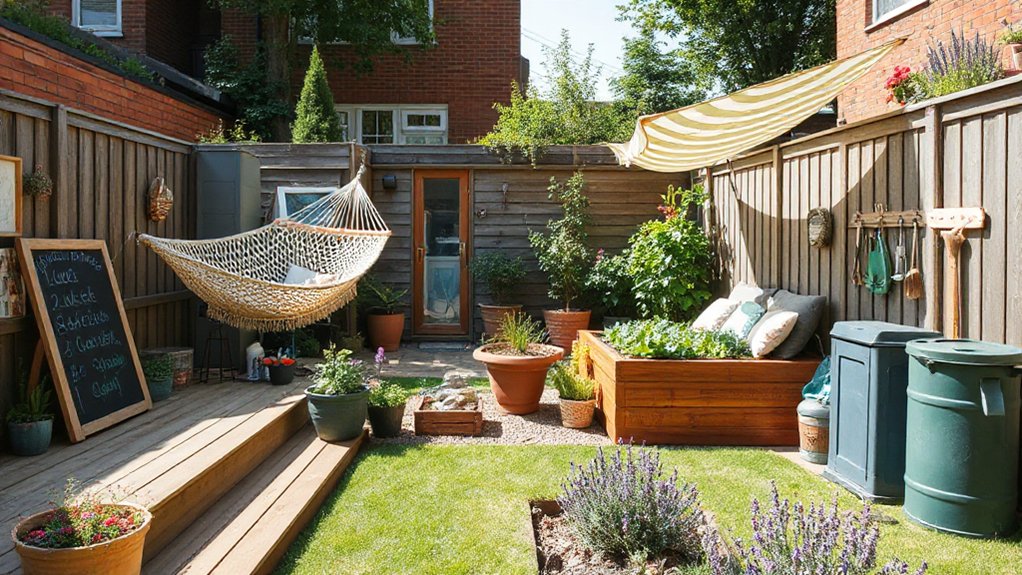

Like a well-tended neighborhood map, your Leeds garden should hint at what’s possible and invite you to plan. You’ll define zones for work, play, and rest, map storage and paths, and pick durable, weather-ready materials. The aim is a modular, year‑round space that stays safe for kids and kind to wallets. You’ll cover edible patches, shade, and low‑maintenance hardscaping, then see how local resources can fill gaps—and you’ll want to know what comes next.
Plan Your Leeds Multi‑Use Garden: Define Work, Play, and Rest Zones
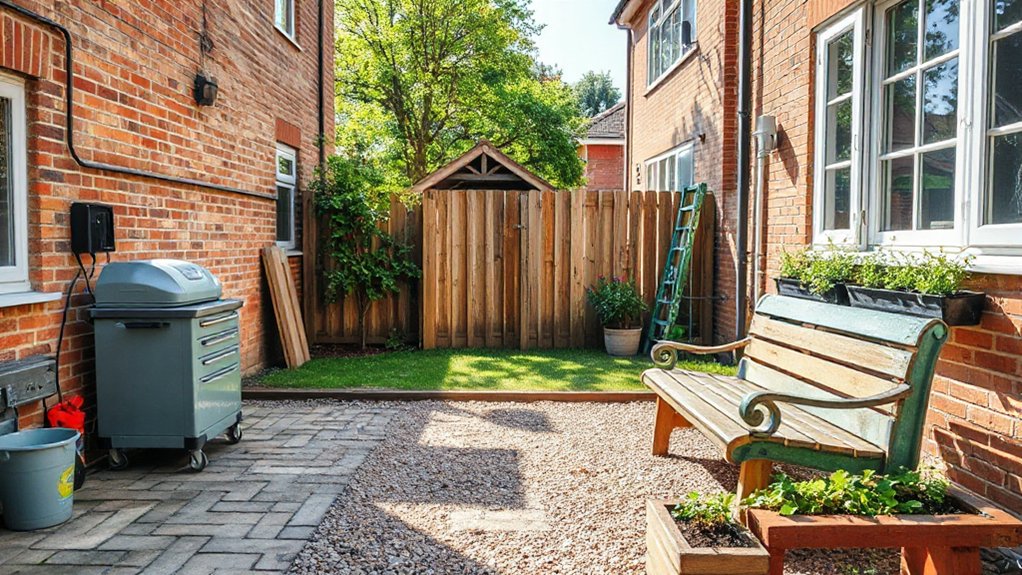
Start by mapping the space and listing what you’ll use it for: a workspace, a play area, and a chill-out zone. You’ll define distinct zones with clear borders to prevent overlap and keep flow simple.
Allocate a compact, weatherproof desk or table for work, positioned toward morning sun and away from kids’ toys.
A dedicated play zone should have durable ground cover, loose-fill safety material, and accessible storage for outdoor gear.
For rest, choose a quiet corner with shade, a small seating cluster, and soft lighting.
Plan paths that minimize mud and maximize accessibility.
Use garden aesthetics to unify colors and textures across zones, and create a wildlife habitat by layering native plants, shelter, and water features.
The result is practical, balanced, and easy to maintain.
Start With a Clear Zone Map: From Work Corners to Quiet Nooks
To map your space effectively, begin with a clear zone plan that translates your ideas into concrete areas: a work corner, a play zone, and a quiet nook.
You’ll light up pathways with edged lines, ensuring each zone has distinct access and visibility.
Place the work corner near a water source and ample sunlight, plus outdoor power if needed.
A play zone should be flexible—reserve turf or hardscaping that tolerates wear and allows quick cleanup, while keeping sightlines to keep supervision simple.
The quiet nook deserves shelter from wind and a buffer from the rest of the yard.
Include wildlife-friendly plantings and wildlife habitats, and note composting tips for nearby bins to streamline maintenance and reduce waste.
Decide zone boundaries with simple markers and a one-page plan for reference.
Edible Patches for City Plots: Size, Privacy, and Soil Wins
If you’re putting edible patches in a city plot, size and privacy matter as much as soil quality. You’ll map sun paths and wind corridors to assign crops by microclimate, keeping paths narrow yet accessible.
Prioritize compact raised beds or trellises to maximize yield without crowding neighbors, and use evergreen screening or lattice screens to boost privacy without blocking light.
For soil wins, mix compost techniques with strategic amendments: layered compost, shredded leaf mulch, and a slow-release blend to sustain continuous harvests.
Choose crops with staggered maturity to reduce weed pressure and extend the harvest window, optimizing urban foraging opportunities.
Keep containers and in-ground plots connected by a shared irrigation loop, and monitor soil health with simple pH checks and moisture pens.
Shade, Screens, and Weather‑Friendly Seating for Leeds
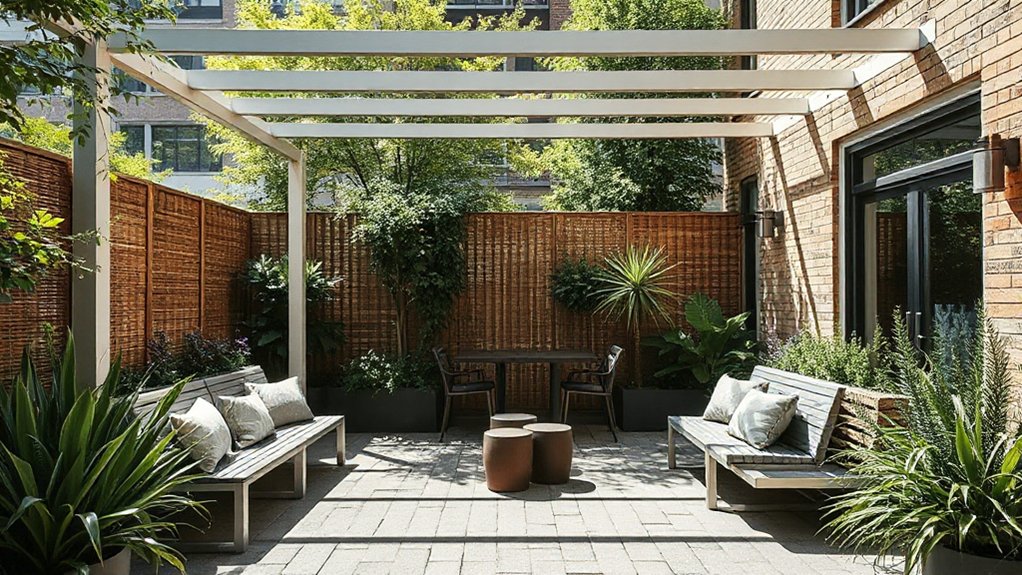
In Leeds, you’ll plan shade and screens that fit your space, budget, and family routines, starting with a practical layout that blocks harsh sun while keeping sightlines open.
Consider weather‑friendly seating that’s quick to dry, easy to clean, and can shift between sun and shade with simple add‑ons like adjustable awnings or movable screens.
We’ll compare options for durability, installation, and footprint so you can pick a setup that stays comfortable and usable through changing seasons.
Shade Strategy Options
Shade can transform how a Leeds garden feels and functions, so start by evaluating sun patterns from dawn to dusk and mapping hot spots. You’ll pair shading with functional screens to control glare on patios, play zones, and planting beds.
Consider shade trees for long-term coverage, selecting species with high canopy efficiency and root depth that won’t invade paths or utilities. Use lightweight, breathable screens for flexible zones, such as swings, dining nooks, or quiet corners, ensuring airflow remains comfortable.
Assess seasonal sun shifts to reposition fabrics or slats as needed, and choose weather-friendly seating positioned to remain cool during peak heat. Sunlight filters behind screens minimize glare while preserving landscape details and outdoor activity visibility.
Keep maintenance minimal with drought-tolerant plantings and modular shade elements.
Weather‑Friendly Seating Ideas
When designing weather-friendly seating for Leeds, start with a practical mix of shade, screens, and durable materials that stand up to damp springs and cool, breezy evenings. Choose weather resistant furniture that stays comfortable year round, favoring powder-coated aluminum or treated timber known for low maintenance, plus solid frames to resist warping.
Add retractable or movable screens to block wind without trapping heat, and install a simple shade solution for midday heat. Pair this with outdoor cushions designed for rain and UV exposure; store them indoors or in a breathable, waterproof box when not in use.
Use quick-dry fabrics, removable covers, and a light cleaning routine to preserve color and structure. Finish with a simple layout that supports family activities and easy reconfiguration.
A Safe Splash Zone: Kid‑Friendly Water Features on Compact Lots
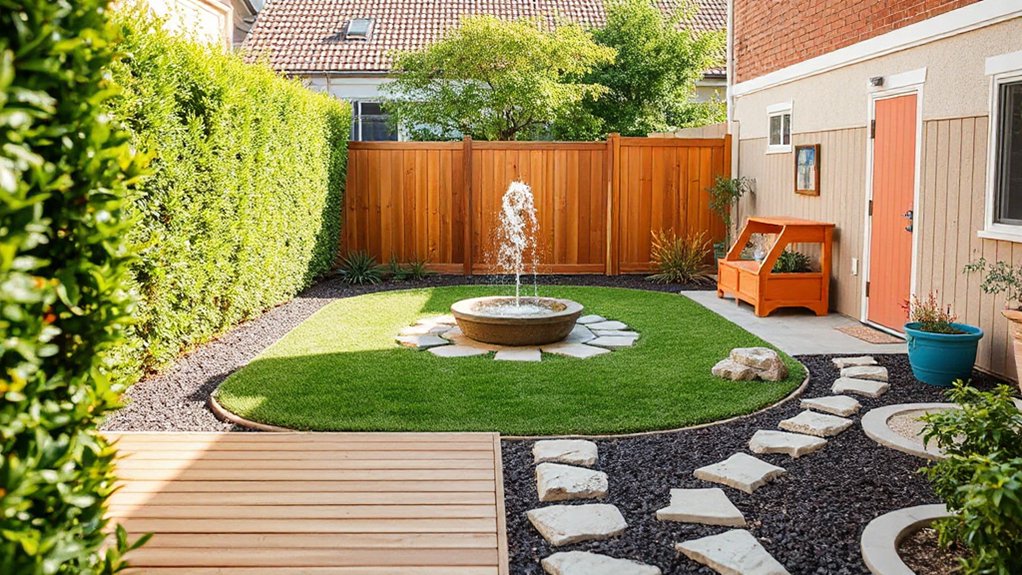
You’ll want water features with safe depths and sturdy containment to keep playtime worry-free. Look for space-saving designs that fit compact lots without sacrificing splash, plus clear supervision tips to stay on top of every moment.
We’ll cover safe depths, compact options, and practical supervision for busy families.
Safe Water Depths
- Determine maximum depth for toddler zones, keeping it under 15 cm (6 inches) where play concentrates.
- Install gradual slopes and non-slip surfaces to control immersion risk during splash sessions.
- Use barriers or low edging around deeper pockets to deter unsupervised access.
- Regularly test water quality and depth, adjusting features as kids grow.
Remember water safety and depth guidelines when designing sprinkler basins, shallow ponds, or splash pads, so the space remains inviting without compromising safety.
Space-Saving Features
As you design a safe splash zone on a compact lot, space-saving water features let you maximize play value without crowding the yard. Choose a shallow, recirculating splash pad with non-slip edging and a low-profile reservoir to minimize height.
Integrate compact furniture around the perimeter, ensuring clear walking paths and accessible gate exits. Opt for modular seating that can tuck against walls when not in use.
Use vertical planting to add greenery without consuming floor space; hanging planters or wall-mounted pockets keep soil and irrigation simple.
Select adjustable spray heads to tailor water volume for different ages, and shield pumps with a weatherproof cabinet.
Label zones clearly, maintain slip-resistance, and schedule regular inspections to sustain safety and durability.
Child Supervision Tips
Supervise kids closely at all times when they’re near the splash zone, and establish clear rules before they play. You’ll keep outdoor safety top of mind while creating a compact, kid‑friendly water feature space. Here’s how to stay practical and precise:
- Define a 1.5‑meter boundary with visual cues and verbally reinforce it before each session.
- Assign a supervising adult at all times; rotate shifts to prevent fatigue.
- Use non‑slip surfaces and handrails; remove hard toys that encourage running or rough play.
- Establish a water‑level cap and shutoff easily reachable by adults for quick pauses or emergencies.
Easy‑Care Hardscaping for Busy Families
A busy family can keep a welcoming, low‑maintenance yard by choosing hardscape elements that are durable, easy to clean, and thoughtfully placed for safety and usability. Start with large, smooth pavers for clear paths, reducing trip hazards while guiding movement between zones.
Choose weather‑resistant materials like concrete, composite decking, or textured brick that resist staining and fading. Plan a compact seating area with a simple, wipeable surface and built‑in storage to cut clutter.
Install low‑maintenance edging to separate lawns from borders, easing mowing and weeding. Include garden art as focal points to deter wandering and add personality without clutter.
Create a wildlife habitat by leaving small log piles or native plant pockets near the perimeter for birds and pollinators. Favor modular, adaptable components that resize as your family’s needs grow.
Smart Irrigation and Soil Strategy for Small Plots
Start with a compact drip irrigation setup tailored to small plots to minimize water waste and labor. Pair it with simple soil moisture monitoring so you can run the system only when plants need it, avoiding guesswork.
We’ll discuss choosing emitters, layout, and a straightforward moisture monitoring plan that fits a busy family schedule.
Efficient Drip Setup
Smart, efficient drip irrigation starts with a tight plan: map your bed layout, identify water needs by zone, and choose a compact drip tube with emitters that match each plant’s thirst. You’ll set a dedicated line per zone, label connections, and test pressure for uniform flow.
Before wiring, calculate hours needed to meet variety demands without overwatering. Start with a starter kit tuned to your plot size and install inline filters to prevent clogs. Maintainable components save time and water, ensuring reliable performance over seasons.
- Plan zones by plant groups and watering requirements
- Use emitters matched to plant thirst and emitter spacing
- Install filters, pressure regulators, and a shutoff valve
- Regularly test and adjust for consistent watering efficiency
Soil Moisture Monitoring
Do you know exactly when your soil needs water? With soil moisture monitoring, you’ll catch subtle cues before wilting hits. Start by placing moisture sensors at root depth in representative spots: raised beds, containers, and the shading edge of sun-loving areas.
Keep a simple log: sensor readings, recent weather, and irrigation dates. Use consistent thresholds aligned to plant needs—slightly different for greens, fruiting crops, and ornamentals. Pair sensors with a visual check: soil should feel moist, not soggy, a few inches down.
Calibrate monthly after rainfall or drought gaps. Tie data to your watering schedule so you water deeply, less often, and promote soil health. This approach minimizes waste, protects roots, and keeps your small plot productive.
Hidden Storage That Keeps Clutter Out of Sight
Hidden storage is your ally when you’re shaping a functional, clutter-free garden space. You’ll gain clean lines and quick access by choosing smart concealment that stays weatherproof and kid-safe.
Focus on hidden compartments that blend with fences, benches, or shed walls, so tools disappear from sight but stay within reach. Use purpose-built storage to minimize trip hazards and maximize usable area.
1) Integrate benches with lift-top lids for garden tools and cushions
2) Install wall-mounted cabinets that tuck behind pots or trellises
3) Build hidden compartments beneath raised beds or seating
4) Choose lightweight, durable bins with secure lids for seasonal decor
This approach keeps clutter concealment effective, while preserving flow and aesthetics.
Budget‑Smart Swaps and Local Leeds Resources

Even on a tight budget, you can stretch your pounds further by swapping pricey gadgets for practical, local options and DIY fixes. In Leeds, leverage community tool libraries, swap schemes, and charity shops for essentials like hand tools, pots, and trellises.
Look for local workshops on plant propagation so you can multiply your perennials without buying backups. Use cost-effective, proven methods: propagate cuttings from healthy plants, layer stems, or divide clumps to expand your display without waste.
For soil, refine composting techniques with curbside green waste or a simple bokashi bin, then finish with finished compost to boost nutrients. When possible, reuse containers and collect rainwater to cut irrigation costs.
Map nearby recycling centers offering bulk mulch and free greenery to jump-start your space.
Seasonal Flow: Plan for Year‑Round Enjoyment in Leeds
Seasonal flow means designing your Leeds garden so you get enjoyment in every season, not just peak summer. You’ll craft progressions between bloom, leaf, and winter structure by layering plants, textures, and subtle hardscape changes that support year‑round use. Focus on practical, scalable steps that keep spaces functional.
- Create flexible zones with movable seating and modular planters to adapt for weather and activities.
- Choose evergreen structure plants plus seasonal flowers to maintain color and interest year round.
- Integrate garden art and wildlife habitats to invite observation and passive enjoyment.
- Buffer edges with hedges or screens that provide shelter, wind control, and privacy while preserving sightlines.
With these, you’ll sustain activity, beauty, and calm across Leeds’ seasons.
Quick‑Start 6‑Week Garden Rollout Plan for Families
Kicking off a quick, family-friendly rollout helps you turn your seasonal plan into action. In week one, map a simple layout for zones: edible beds, pollinator borders, and a kids’ learning corner. Decide on 3–4 quick-to-grow crops and mark paths with reusable markers.
Week two, set up tools and storage, plus a rain barrel and DIY trellis system.
Week three, install sun shades and mulch to conserve moisture; draft a basic watering schedule.
Week four covers plant care routines, like pruning for air flow and soil checks.
Week five focuses on pest control methods, including companion planting and manual removal.
Week six evaluates progress, adjusts irrigation, and schedules ongoing harvests. Keep notes, and test soil annually for most favorable plant care.
Frequently Asked Questions
How to Involve Kids in Every Planning Stage Effectively?
Involve kids from the start by delegating roles in garden design, planning family activities together, and using kid-friendly decision matrices. You’ll assign tasks, brainstorm features, and test ideas through hands-on activities, then adapt based on feedback and outcomes.
Which Zoning Ideas Work Best for Small Leeds Yards?
Small yards thrive with smart zoning: define a cozy seating zone, a compact growing strip, and a hidden storage nook. You’ll fit Garden furniture and composting solutions, stay practical, detail-oriented, and create effortless flow without crowding.
What Safety Checks Are Needed for Water Features?
Water safety is essential: check depths, avoid slippery edges, and supervise kids near features. Do electrical checks for pumps and lighting, use RCDs, keep cable runs above ground, and guarantee outdoor sockets are weatherproof and junction-box protected.
How to Balance Maintenance With Busy Family Schedules?
“Time is money,” so you balance maintenance by batching tasks. Schedule garden furniture checks and pest control rounds on weekends, delegate chores, and use simple tools; this keeps routines predictable and your family’s outdoor space clean and enjoyable.
Where to Find Affordable, Local Leeds Planting Options?
You can find Affordable nurseries and Local plant shops in Leeds by checking community pages, local markets, and garden centers. Compare prices, ask for bulk discounts, and visit for healthy stock; call ahead for seasonal availability and planting advice.
Conclusion
You’ve mapped zones, chosen shady nooks, and tucked edible patches into compact spaces, so your Leeds garden stays usable year-round. If a theory claims clutter boosts creativity by forcing adaptation, your space quietly tests that—yet you’ll keep hidden storage and smart swaps to control chaos. Stay practical: reuse materials, layer microclimates, and plan seasonal flow. With safety-minded, weather-ready seating and kid-friendly zones, your multi-use garden becomes a resilient, inviting hub for play, meals, and rest.