
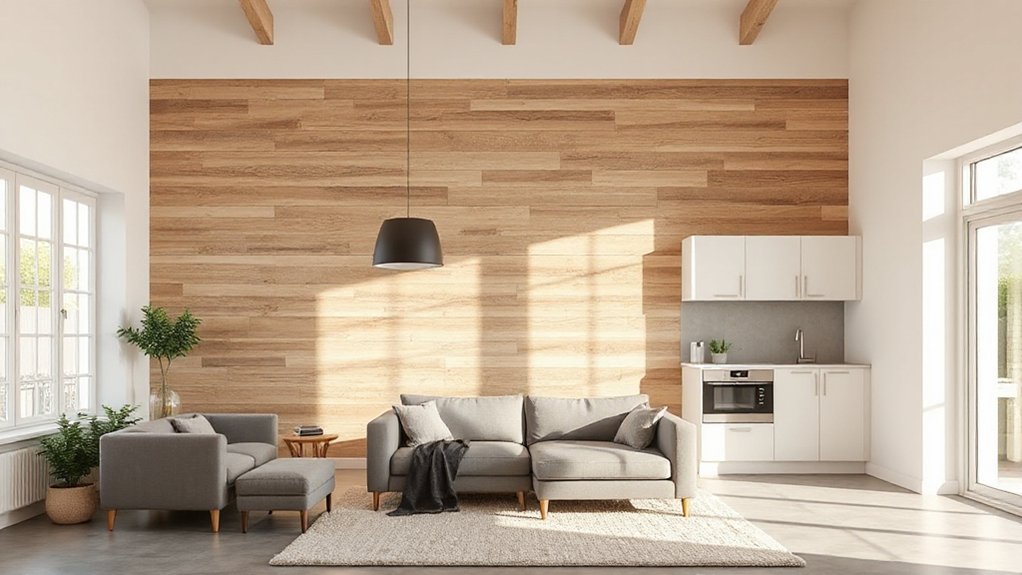

Interesting: small, budget-friendly upgrades can lift a rental’s value without upending your lease. You’ll want practical, fast-win ideas that boost appeal and function—things like fresh paint, efficient lighting, and clever storage—done with minimal risk. Each choice should balance cost, impact, and compliance, so you’re not surprised by permissions or timelines. Stay with me as we map top projects and how to plan for ROI—it’s about smarter tweaks that attract tenants and justify higher rents, efficiently.
ROI-Driven DIY Upgrades for Rentals

Investing in ROI-driven DIY upgrades for rentals means prioritizing fixes and improvements that boost value without breaking the bank. You’ll focus on high-impact changes that tenants notice daily, like durable finishes, efficient systems, and low-cost upgrades with long lifespans.
Start with neutral palettes, fresh caulk, and energy-efficient lighting to cut ongoing costs. Choose projects that improve functionality while preserving lease compliance and safety standards.
When considering renters’ privacy, plan installations that don’t require unnecessary access or intrusion, and communicate timing clearly to minimize disruption.
Track costs and expected returns to justify each upgrade to property managers or owners. Document before-and-after results, so you can quantify value for future renewals.
Prioritize items with quick payback, reliable performance, and minimal recurring maintenance.
Quick Kitchen Fixes Renters Can Do Today
Here are 5 quick kitchen fixes renters can tackle today that deliver real value without delaying lease terms: replace dull, burned-out bulbs with bright, energy-efficient LEDs; seal gaps around cabinets, countertops, and the sink with caulk to stop leaks and drafts; install adjustable shelf liners and non-slip mats to improve safety and organization; swap out old, inefficient faucet aerators for low-flow models to cut water use without sacrificing performance; patch small cabinet dents or chipped tile with matching fillers to refresh the space at minimal cost.
Practical, concrete actions drive results fast. Pair these with low-cost styling like magnetic spice strips and uniform containers to reinforce home decor trends while preserving rental terms. Cooking hacks fuel efficiency; thoughtful upgrades boost perceived value.
Budget Storage Hacks to Transform Small Spaces
Hidden wall storage and modular space savers are your first moves for maximizing every square inch. You’ll install slim shelves and lift-up bins to keep essentials out of sight yet grab-and-go, so clutter never slows you down.
With these adaptable solutions, you transform tight rooms into functional, rentable-ready spaces.
Hidden Wall Storage
Could you squeeze more storage from bare walls? Hidden wall storage offers practical, high-value solutions that won’t eat into living space. You’ll install discreet panels, shallow drawers, or shelving behind doors, creating concealed space solutions with minimal footprint. Here’s how to start:
- Locate unused wall regions near exits or behind furniture to maximize accessibility.
- Choose low-profile hardware and paint that matches your room for seamless integration.
- Build modular, adjustable compartments to adapt to changing storage needs.
Benefits include: improved organization, clutter reduction, and enhanced rental value without altering structure. You gain accessible, hidden storage that preserves flow while keeping essentials within reach.
Hidden wall storage remains a smart, budget-conscious way to boost functionality in tight rooms.
Modular Space Savers
Prioritize pieces with built-in storage, like ottomans, beds with drawers, and wall-mounted shelving that won’t steal floor space. Plan around high-traffic zones, using vertical gains to free surfaces for daily use.
Use corner units to convert awkward nooks into functional storage hubs, and choose modular systems that snap together without tools for quick reconfigurations.
For space optimization, label zones—clothes, linens, tools—so you can rotate contents seasonally. Keep components lightweight and durable, focusing on versatility, accessibility, and clean, uncluttered lines.
Energy-Saving Upgrades That Pay Off Fast
You’ll start saving right away by upgrading to energy-efficient insulation that seals leaks and reduces drafts.
A smart thermostat keeps heating and cooling on a precise schedule, maximizing comfort while trimming bills.
LED lighting cuts usage without sacrificing brightness.
Together, these upgrades—insulation, smart controls, and efficient LEDs—deliver fast, noticeable value for rental properties.
Energy-Efficient Insulation Upgrades
If you want fast, meaningful savings in a rental, upgrading insulation is one of the smartest moves you can make, because better insulation reduces heat loss, lowers heating and cooling bills, and boosts occupant comfort from day one.
Focus on practical upgrades that pay off quickly:
- Identify thermal barriers and seal gaps around doors, windows, and outlets to stop drafts.
- Upgrade insulation materials in attics and crawl spaces with high-R, moisture-resistant options.
- Add controlled, efficient mineral wool or foam board layers for continuous, long-lasting performance.
Implementation is straightforward: measure areas, compare R-values, and choose codes-compliant materials.
Aim for tight seams, proper ventilation, and durable fastenings.
These steps deliver steady energy savings, happier tenants, and a stronger rental value.
Smart Thermostat Savings
Smart thermostats can deliver noticeable savings fast by optimizing heating and cooling without constant manual adjustments. You’ll see rental savings by setting schedules that match occupancy and local weather, so systems run only when needed.
Pairing a Smart thermostat with zone controls helps you target high-use rooms, reducing waste without compromising comfort. Prioritize ENERGY STAR models with learning capabilities and remote access, so you can tweak temps remotely during vacancy or turnover.
Install in common areas first, then extend to bedrooms or offices to maximize impact. Track savings via monthly reports and compare pre- vs post-install usage to validate ROI for tenants and owners.
Budget-friendly options exist; even mid-range models release significant efficiency without large upfront costs.
LED Lighting Efficiency
LED lighting is one of the quickest, most cost-effective upgrades you can make in a rental, delivering immediate energy savings with minimal disruption. Smart lighting helps you tailor brightness, schedules, and rooms to actual use, preventing waste and lowering bills.
LED upgrades are durable, produce steady light, and require little maintenance, boosting appeal without invasive changes.
- Switch to high-efficiency LEDs in key fixtures to maximize impact with minimal fixture swaps.
- Install dimmers or smart switches for precise control and extended lamp life.
- Use motion-activated or timed lighting in hallways and entry points to cut unnecessary usage.
These steps deliver clear value: faster payback, enhanced ambiance, and compatibility with future smart home upgrades.
Fresh Paint Tricks That Look Professional
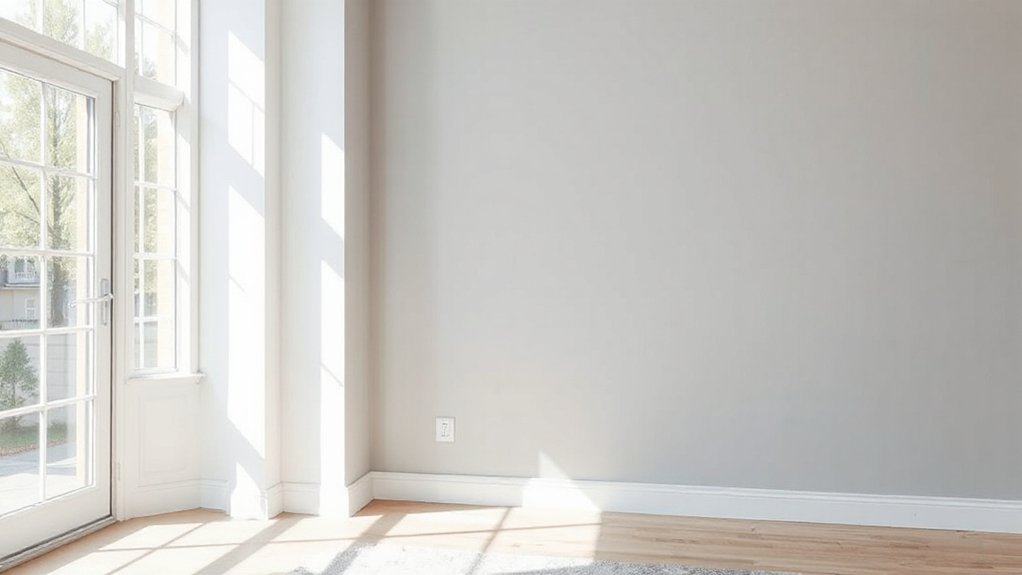
Fresh paint can transform a rental in days, but the key is achieving a professional look on a budget. You’ll maximize impact with clean prep: repair imperfections, dust thoroughly, and prime timber or drywall.
Choose mid-range, low-gloss satins for walls to resist fingerprints while feeling upscale. Use cutting-in techniques to avoid rollered edges and mask tape to protect trim.
When selecting color, apply color psychology by choosing tones that feel spacious and calm—cool neutrals or soft blues—paired with crisp white ceilings. Limit color to two or three options per space to maintain cohesion and curb patchwork.
Add wall art in coordinated frames to anchor focal walls without overpowering the room. Finish with durable topcoat, and you’ll deliver a polished, rental-friendly result.
Budget-Friendly Flooring: Peel-and-Stick Options
Peel-and-stick flooring offers an affordable, low-disruption path to upgrade a rental without a full remodel. You’ll choose options that stick securely, yet come off cleanly if needed, minimizing landlord friction. Consider how decorative borders can frame rooms and add character without a full renovation.
Textured finishes help hide seams and foot traffic, delivering a more durable, apartment-friendly look. To get started, focus on these steps:
- Measure precisely and buy extra tiles for cuts and patterns.
- Prep the subfloor with a clean, dry surface for best adhesion.
- Test a small area with your preferred design to confirm ease of removal.
With practical installation, you gain style, value, and a faster return on investment.
Curb Appeal Ideas Renters Can Implement
You can boost your curb appeal with quick, renter-friendly fixes that don’t require permanent changes. Start with practical outdoor staging ideas—like seasonal planters, seasonal lighting, and clear, welcoming entryways—that make a strong first impression.
We’ll focus on concrete, value-driven tips you can implement quickly and without compromising your lease.
Curb Appeal Quick Fixes
If you’re renting, you can still boost curb appeal with quick, renter-friendly fixes that don’t require permanent changes. Focus on affordable, high-impact touches you can swap seasonally.
- Update entry visuals with a bold, eco-friendly materials planter display. Use lightweight pots, washable paints, and plant combinations that heat and scent welcome guests.
- Play with color psychology by choosing front-door hues and accents that convey warmth, trust, and approachability. Then carry through in banners, welcome mats, and small decor.
- Refresh lighting and texture with solar path lights, weatherproof ribbon or fabric wraps, and a seasonal wreath to create depth without alterations to the structure.
These steps deliver immediate curb appeal while staying within rental restrictions.
Renters’ Outdoor Staging Tips
Outdoor staging is entirely doable in a rental, and smart tweaks can elevate curb appeal without risking your deposit. You’ll focus on entry impact: a sturdy doormat, a potted plant with seasonal color, and a clean, well-lit path.
Choose outdoor decor that’s renter-friendly—bundle small planters on a lightweight plant stand to create height without damage. For seating, slap-on removable cushions and weatherproof covers; avoid nailing or screwing anything into siding.
Landscaping tips? Use portable edging to define a bed, and compact shrubs or grasses to add structure without permanent changes. Keep windows clean and trim hedges to open sightlines.
Use mulch or decorative gravel to finish beds; rotate plants as seasons shift. Revisit lighting, ensuring safety and ambiance, not glare.
Bathroom Refreshes That Won’t Break the Bank
Cramped bathrooms don’t have to feel cramped budgets. You can refresh without overspending by focusing on details that impact value and feel. Prioritize small, high-impact changes that read as upscale.
- Upgrade vintage fixtures strategically: swap dated taps or a faucet with modern fittings that echo the room’s style, keeping costs modest but impressions strong.
- Add artistic accents: a bold mirror, a curated tile border, or framed art can elevate the space without a full remodel, guiding the eye and adding personality.
- Improve storage and lighting: install open shelving, a slim vanity, and brighter, energy-efficient bulbs to make the room feel larger and more functional.
Smart Utility Management for Multi-Unit Rentals

Smart Metering Systems let you track consumption by unit in real time, so you spot waste before it becomes a bill shock.
Pair them with simple energy-efficient upgrades—LED lighting, smart thermostats, and well-sealed ducts—to cut usage without sacrificing tenant comfort.
Start with a clear plan for installation, data access, and maintenance to maximize value across all units.
Smart Metering Systems
- Implement centralized dashboards for at-a-glance utility monitoring, so you can spot spikes fast.
- Automate monthly invoicing based on actual usage, improving cash flow and fairness.
- Benchmark units to prioritize cost-effective upgrades and maintenance tasks.
This approach keeps you grounded in practical, value-driven decisions. By adopting smart metering and robust utility monitoring, you prevent waste, optimize billing, and communicate transparency to tenants, all while laying the groundwork for smarter, next-step improvements.
Energy Efficient Upgrades
Focus on high-return moves like LED retrofits, smart thermostats, and weatherization: caulking gaps, sealing ducts, and adding attic insulation where feasible. Solar panels can slash electricity costs long-term, especially when paired with banked credits or community programs; evaluate roof suitability and incentives before committing.
Pair any install with an energy audit to identify hidden losses and verify improvements. Choose scalable solutions that tenants can operate easily, and document savings to attract reliable renters.
Regular maintenance keeps gains steady, so schedule checks and track performance year over year.
Lighting Upgrades to Make Rooms Feel Bigger
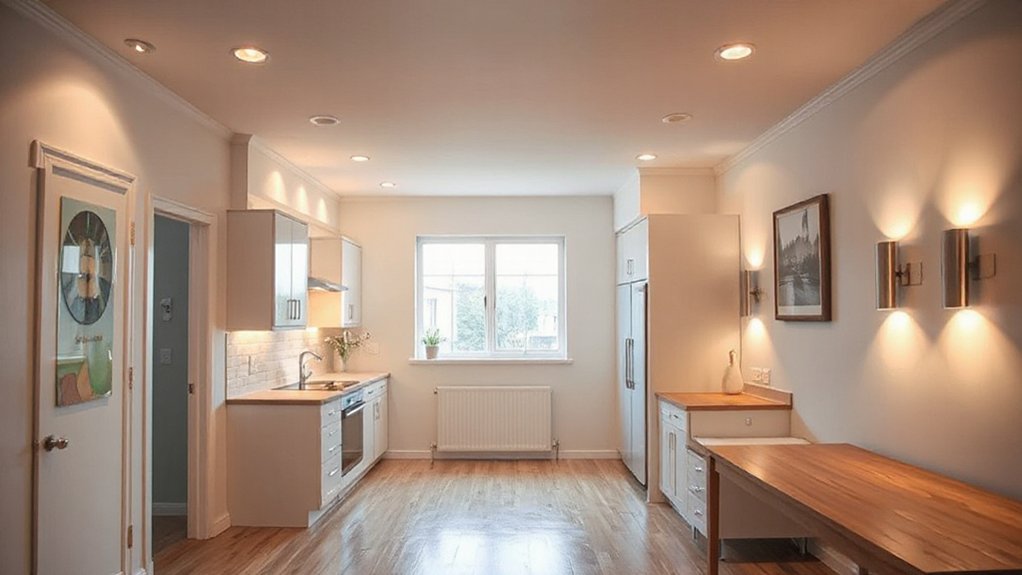
Lighting is the quickest way to shift a space’s feel without remodeling. You’ll leverage smart lighting and strategic placement to create room expansion, making small areas read larger at a glance.
- Install dimmable LEDs with cool and warm tones to balance depth and brightness.
- Use wall-washing or uplighting to erase shadows and widen vertical lines.
- Add mirrors or reflective surfaces near light sources to bounce glow and extend perceived space.
With this setup, you control mood and shadow, not just brightness. Set scenes for daytime clarity or evening coziness, all while preserving rental integrity.
Choose fixtures that blend with existing decor, prioritize energy efficiency, and keep wiring simple for quick swaps or upgrades. Focus on function, tactility, and lasting value.
Hardware and Fixture Makeovers That Spark Interest
Changing out hardware and fixtures is a natural next step after tightening up lighting because small updates can refresh a room’s vibe without major renovations. You’ll get immediate impact by swapping in decorative hardware that complements existing cabinetry and furniture, without blasting a renovation budget.
Start with low-cost, high-contrast finishes to create focal points—oil-rubbed bronze on light cabinets, brushed nickel on white doors, or matte black pulls for a modern edge.
Fixture replacements, like updated vanity lights, pendant fixtures, or ceiling fans, can dramatically alter perceived ceiling height and brightness. Choose standard sizes to avoid remodeling, and keep consistency across rooms to boost flow.
Prioritize durability and easy maintenance, ensuring finishes resist fingerprints and wear for long-term value.
DIY Accent Walls That Add Value
Accent walls can add value without a full remodel, and they’re a smart way to define space and craft a focal point. You’ll use color psychology and wall textures to influence mood while staying rental-friendly. Plan with a tight budget and a clear purpose for each wall.
- Select a durable, washable finish in a color that reinforces the room’s function and feel.
- Add texture sparingly with panels, stenciling, or textured wallpaper for depth without overwhelming neighboring spaces.
- Keep edges clean and adjacency lines simple to avoid wall damage during tenant turnover.
Tips: test color samples in natural light, document the exact materials, and remove or restore easily at move-out. This approach delivers measurable value without permanent changes.
Soundproofing and Privacy for Shared Walls
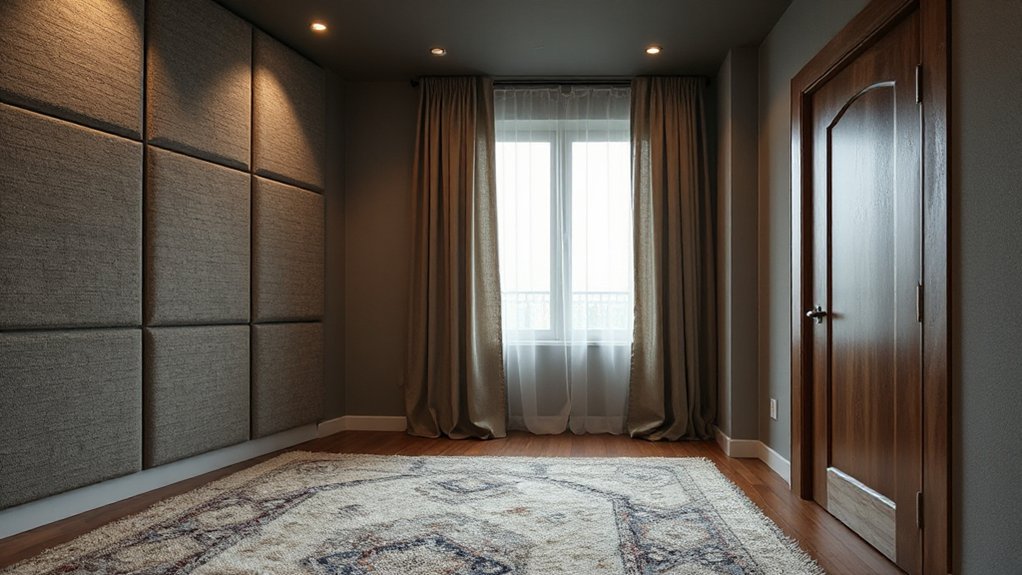
Shared walls can carry sound and privacy concerns, so start with a practical plan that targets the most disruptive frequencies and leakage points.
Begin by sealing gaps around outlets, switches, and baseboard penetrations with acoustic sealant. Add weatherstripping to shared door gaps and consider a solid core or acoustic door sweep for the entry to the adjacent unit.
Implement Acoustic barriers by mounting rigid, dense panels or mass loaded vinyl to the wall’s decoupled frame, focusing on the shared surface.
For ongoing noise, deploy sound absorption panels at key listening zones—position them at reflective angles to reduce flutter echoes.
Combine treatments for best results, coordinating with furniture layout to interrupt line-of-sight noise paths.
Prioritize measurable gains in privacy and comfort, not just appearance.
Maintenance Habits That Extend Value
Start with regular preventive checks to catch issues before they become costly, like inspecting seals, outlets, and HVAC filters.
When problems arise, handle timely minor repairs to prevent deterioration and protect tenant comfort.
Create a simple seasonal maintenance schedule that aligns with the property’s systems, so you stay proactive rather than reactive.
Regular Preventive Checks
- Schedule seasonal inspections: HVAC, plumbing joints, and insulation checks, and log results for transparency.
- Create a maintenance calendar: set reminders for filters, battery tests, and safety device tests to avoid surprises.
- Post-clear reports: share findings, prioritized fixes, and cost estimates to help tenants feel involved and secure.
These routines minimize emergency calls, preserve systems, and keep occupancy stable while you demonstrate practical care and professional management.
Timely Minor Repairs
Document recurring symptoms to spot patterns, guiding budget and schedules. You’ll allocate a short, consistent maintenance window each week, so issues don’t grow between inspections. Use durable materials and keep spare parts handy to reduce downtime.
Decorative accents can refresh spaces without major remodels, boosting appeal while you’re at it. Integrate simple landscaping tips that require minimal effort but enhance curb appeal, signaling attentive ownership and proactive upkeep.
Seasonal Maintenance Schedule
Seasonal maintenance isn’t a one-and-done task—it’s a disciplined schedule that protects value year round. By treating upkeep as planned maintenance, you reduce surprises and maximize appeal between tenants. Focus on proactive habits that demonstrate care and cost control, not guesswork.
- Seasonal upkeep calendar: outline key checks (HVAC, gutters, drainage) and align them with contractor timelines to prevent outages and water intrusion.
- Maintenance planning routine: set quarterly inspections, track tasks, and budget for replacements before failures impact rentability.
- Documentation discipline: log findings, photos, and results to show stewardship to current and future tenants.
Keep it simple, repeatable, and measurable. A well-structured schedule preserves property value and supports smoother turnover, making your rental consistently attractive to occupants.
Renter-Friendly Renovations With Removable Options
If you’re renting, you can upgrade without sacrificing your security deposit by choosing removable, renter-friendly renovations that don’t damage walls or floors. Start with removable wallpaper to refresh rooms without adhesives that linger. Pick patterns or textures that hide imperfect seams and are easy to peel off later.
For floors, opt for temporary flooring such as interlocking vinyl or peel-and-stick options that protect existing surfaces yet install quickly with minimal tools. Prioritize products labeled removable and reusable, and test a small area first to guarantee no residue.
Use low-tack adhesives and avoid heat-activated systems near baseboards. Document the process with before-and-after photos to support future move-out clarity.
Choose finishes that complement your furniture and lighting, maximizing perceived value without commitment.
Permits, Permissions, and Legal Quick Wins
1) Check zoning restrictions and local codes to confirm what’s permitted, and identify any permit exemptions that fit your scope.
2) Gather required documents early (plans, proof of ownership, contractor licenses) to streamline reviews and minimize back-and-forth.
3) Engage a qualified pro or city liaison to navigate approvals, reducing missteps and expediting permit timelines while keeping you within the law.
Measuring ROI: How to Evaluate DIY Projects
When you measure ROI for DIY projects, start by defining clear, tangible goals—like increasing rental appeal, reducing monthly costs, or shortening vacancy cycles—and then map costs to those outcomes.
You’ll compare upfront spend, ongoing maintenance, and potential rent bumps against projected occupancy gains and energy savings.
Prioritize high-impact, verifiable metrics: pre- and post-project rents, time-to-lease, and utility bills.
For interior lighting, quantify improved perceived value, LED efficiency, and longer bulb life to justify cost.
For Kitchen appliances, assess energy ratings, replacement frequency, and tenant-demand signals.
Use a simple calculator: net gain = increased rent minus operating costs minus initial investment.
Revisit assumptions after first lease cycle to validate ROI and adjust future project tilts toward the strongest returns.
Time-Saving Tools and Materials Checklist
To save time on rental DIY projects, assemble a lean, focused toolkit and a fast-access materials list before you start. You’ll move faster with purpose, avoiding back-and-forth trips and wasted motion.
Build a compact kit that covers fast fixes, finishing touches, and routine maintenance. Keep a simple, labeled materials pocket—everything you use most should be within arm’s reach. Include a quick-cleaning routine to prevent build-up and downtime.
- Core tools: drill, screwdriver set, utility knife, level, tape measure
- Fast-access consumables: screws, wall anchors, sandpaper, caulk, finishing putty
- Surface-ready supplies: cleaners, microfiber cloths, degreaser, decorative accents for easy updates
With these, you’ll streamline tasks and preserve value through efficient, tidy work.
Case Studies: Real-World Budget-Boosted Rentals
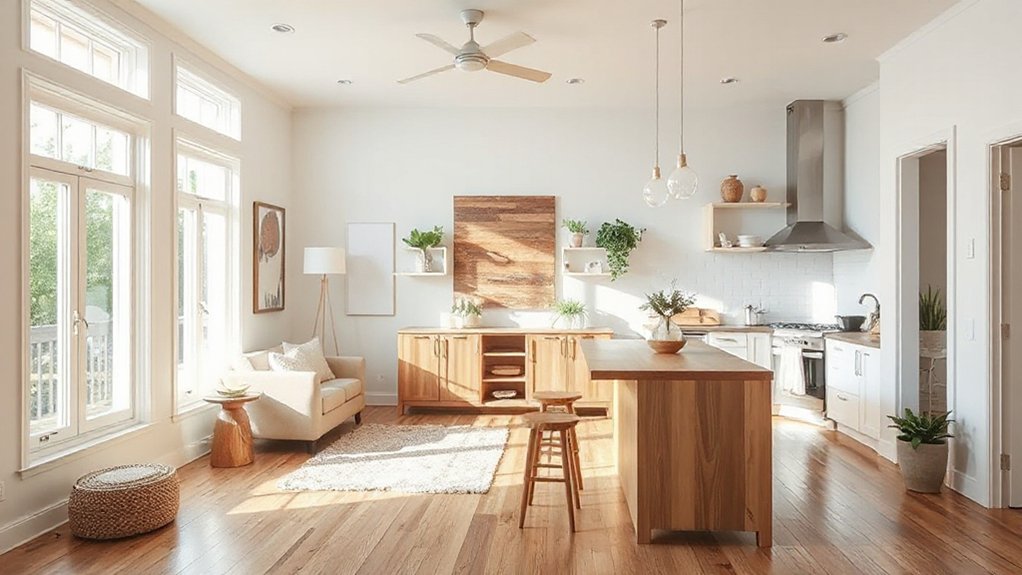
Case studies show how budget-minded updates pay off in real rental markets. You’ll see small, targeted changes yield noticeable value without overhauling layouts.
In these examples, landlords prioritize durable finishes, smart paint choices, and repainting to refresh spaces quickly. Interior art accents create focal points on a budget, drawing attention to living areas without large expenses.
Simple swaps—rug underlays, updated lighting, and hardware—improve perceived quality and renter satisfaction. Gardening tips, when feasible, boost curb appeal and tenant retention with minimal ongoing effort.
Case-by-case results show churn drops and faster leaseups when units feel cared for yet affordable. Measure impact by vacancy time and approved rent increases tied to upgraded aesthetics, then replicate the low-risk moves in other rentals.
Practical, repeatable, value-driven strategies drive real-world ROI.
Frequently Asked Questions
How Do Landlords Typically Value Renter DIYS for ROI?
Landlords typically value renter DIYs by ROI via impact on tenant engagement and retention; weigh DIY safety considerations, cost vs. resale, and practical durability—document improvements, monitor maintenance, and prioritize high-impact, low-risk upgrades for sustainable value.
What Hidden Costs Can Drain DIY Rental Budgets?
You’ll dodge hidden costs by tracking every item price like a captain counting sails after a storm. Cost estimation and Budget planning reveal overruns early, from permits to disposal. You’ll stay practical, precise, and value-driven, avoiding pricey, surprise drains.
Can DIY Updates Affect Insurance or Permits?
Yes, your DIY updates can affect insurance and permits. Insurance implications hinge on scope and risk, while permit requirements vary by project and locality; check with your insurer and local authorities to avoid gaps or penalties.
Do Tenants Retain Improvements After Move-Out?
Did you know tenants typically lose improvements without compensation 60–70% of the time? You retain protections for certain upgrades; know tenant rights and property depreciation rules. You’ll secure fair value when moving out, with proper documentation.
Which Quick Fixes Boost Appraisal Quotes Most?
You’ll boost appraisal quotes most with quick, visible upgrades: prioritize Furniture upgrades and Landscaping enhancements, focusing on durable finishes and curb appeal; fix minor defects, improve lighting, and modernize hardware for a practical, value-driven, cost-efficient result.
Conclusion
You’re not just fixing up a space—you’re selling it. With ROI-driven upgrades, quick kitchen fixes, and smart storage, you’ll boost appeal without breaking the lease. Track costs, measure ROI, and adjust as you go. Power through with energy savers and fresh paint that looks professional, then cap it with legal quick wins to avoid delays. Think of your project plan as a roadmap; every intentional step brings higher rents and happier tenants—like compound interest for your property.