


Imagine you’re planning a driveway for a Hale-on-Sea bungalow and weigh permeable resin-bound versus classic concrete. You’ll weigh durability, weather resistance, and curb appeal, aiming for a surface that handles Essex’s freeze-thaw cycles without guzzling maintenance time. The choice shapes not just your path to the door but your landscaping, lighting, and eco priorities. Keep watching for practical criteria and real-world tips that help you decide with confidence.
Key Drivers for Essex Driveways: Climate, Use, and Maintenance
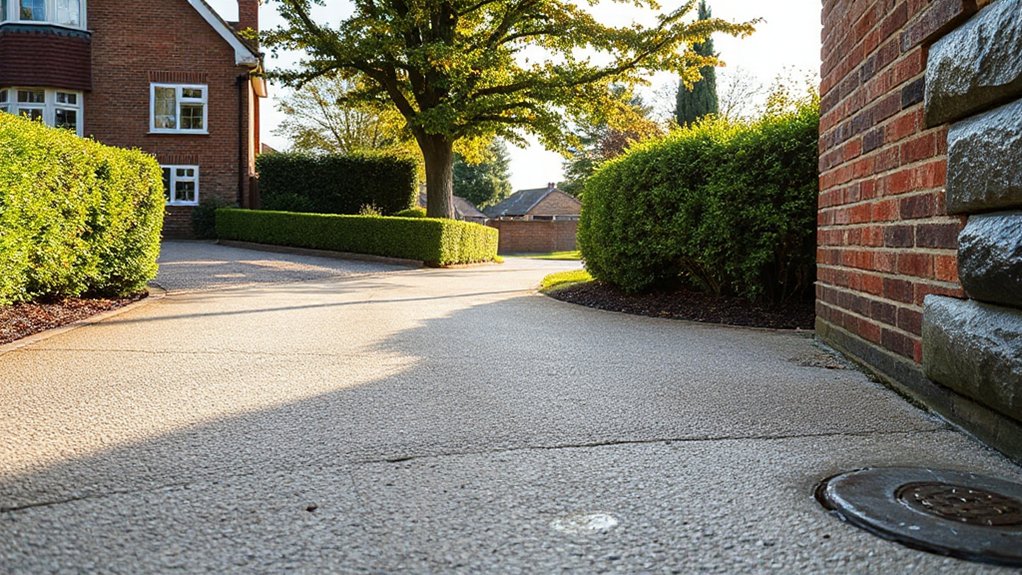
Essex driveways are shaped by climate, how you use the space, and the maintenance you’re willing to commit to. You’ll consider three drivers: climate, usage patterns, and upkeep tolerance.
Climate guides material choices—freeze-thaw cycles demand durable surfaces and proper drainage; you’ll favor permeable options where possible to reduce puddling and ice buildup.
How you use the space influences layout, access, and safety measures, from guest parking to work zones, so plan clear sightlines and practical transitions.
Maintenance tolerance defines longevity; routine cleaning, sealing, and timely repairs protect aesthetics and function.
For driveway landscaping, choose elements that blend with your home while supporting drainage and weed control.
Prioritize driveway safety with non-slip finishes and well-lit approaches, ensuring year-round usability and visual appeal.
Essex Driveway Cost Benchmarks by Surface
You’ll see how the upfront costs line up by surface, so you can balance budget with curb appeal and durability.
We’ll compare common Essex options, from concrete and asphalt to pavers and permeable mixes, focusing on per-square-meter prices, installation time, and maintenance needs.
This sets the stage for practical choices that keep aesthetics cohesive with long-term value.
Cost Benchmarks By Surface
On the surface, cost benchmarks by material reveal clear trade-offs for Essex driveways: asphalt is typically the most budget-friendly upfront, while permeable pavers and stamped concrete often fetch higher prices but offer durability and curb appeal. You’ll weigh initial costs against long-term value, maintenance cadence, and how surfaces complement your home’s exterior details.
Perforated or porous options save on stormwater fees and may reduce later sealing needs, while traditional concrete echoes classic aesthetics with lower yearly upkeep. Your choice shapes curb details like driveway lighting and decorative edging, which enhance perception without dramatically spiking upfront spend.
- Asphalt vs. pavers: upfront vs. long-term costs and maintenance
- Permeable options: water management and durability considerations
- Decorative edging and lighting impact on perceived value and style
Essex Driveway Material Options
When selecting driveway materials in Essex, you’ll balance upfront cost with longevity, curb appeal, and maintenance cadence. Essex driveway material options vary in texture, drainage needs, and installation timelines, so you’ll map each choice to your site’s microclimate and soil conditions.
Paving stones deliver timeless charm and precise patterns, but require contouring for proper runoff.
Concrete provides a clean, durable surface with lower maintenance, yet you’ll consider potential cracking in colder pockets.
Asphalt offers rapid installation and cost efficiency, while resin-bound surfaces deliver a seamless, modern look with strong permeability.
For longevity, plan edging, proper subgrade prep, and regular resealing intervals.
Incorporate driveway lighting for safety and ambience, and integrate driveway landscaping to soften edges and elevate curb appeal without clutter.
Durability and Lifespan of Each Surface in Essex
You’ll want a driveway that withstands Essex’s mix of rain and sun, so I’ll outline each surface’s durability and expected lifespan. Look at how materials age with routine maintenance and weather exposure, from cracks and erosion to color fading and drainage changes.
This quick overview sets the stage for practical choices that balance longevity, aesthetics, and upkeep.
Surface Longevity Overview
A strong driveway starts with knowing how long each material is built to last in Essex’s climate, so you can choose confidently and plan maintenance accordingly. You’ll compare common options by lifespan, installation quality, and how surface properties resist freeze–thaw cycles.
In practice, material-specific longevity factors determine real-world performance, not just advertised labels, so you size expectations to your site and budget. Look for joints, drainage, and compaction as critical drivers of future durability, while color and texture influence wear patterns and curb appeal.
- Driveway surface longevity factors: assess how material handles moisture, temperature shifts, and load.
- Installation quality’s effect on long-term endurance and crack control.
- Maintenance cadence that preserves appearance and structural integrity.
Weathering and Maintenance Outlook
In Essex’s climate, the way each driveway surface weathers and ages hinges on moisture management, freeze–thaw resilience, and routine upkeep. You’ll notice concrete resists cracking when sealed properly and allows for smooth, long-lasting lines that resist staining.
Asphalt handles heat and load differently, so regular sealing and timely patching extend its lifespan while preserving a uniform appearance.
Paver systems gain durability through proper jointing and drainage, reducing weed growth and movement that mar aesthetics.
Gravel requires consistent grading to prevent rutting and erosion, yet offers easy aesthetic enhancements and adaptable landscape integration.
Permeable options balance rainwater management with durability, minimizing runoff.
In all cases, plan seasonal inspections, prompt repairs, and mindful integration with surrounding plantings to sustain beauty and function over time.
Maintenance per Surface: Quick Checklist
For each driveway surface, start with a quick diagnostic: look for cracks, loose gravel, or staining, and note any drainage issues that cause pooling. You’ll then tailor a quick, surface-specific maintenance routine that stays practical and visually pleasing, focusing on durable results and minimal disruption.
Paint options can refresh color while preserving material integrity on some surfaces, and decorative features should complement texture without overburdening upkeep. Prioritize timely repairs, clean joints, and sealants where appropriate to extend life and keep curb appeal high.
Keep tools simple, workflows efficient, and plan seasonal checks to prevent small problems from escalating.
- Inspect and seal cracks promptly to prevent water intrusion
- Clean surfaces before applying treatments; use low-odor products
- Schedule light refreshes (stain touch-ups, edge cleaning) to maintain aesthetics
Aesthetics and Ecological Considerations for Essex Driveways
Design choices for Essex driveways blend curb appeal with ecological responsibility, so you’ll want surfaces, colors, and drainage that enhance the landscape without stressing local soils or watercourses. You’ll prioritize materials with durable profiles and subtle textures that echo surrounding architecture.
Landscaping integration matters: choose patterns that thread lawn, planting beds, and permeable gaps into the play of light and shadow, avoiding harsh interruptions to sightlines. Favor porous finishes to slow runoff and support groundwater; specify jointed pavers, permeable asphalt, or grassed grids where appropriate.
Consider color palettes that harmonize with brick, timber, and stone, reducing visual disruption. Environmental impact informs maintenance: easy-to-clean surfaces resist staining, while edges host native species that sustain pollinators.
Precision detailing guarantees cohesive, low-maintenance curb appeal. Landscaping integration, Environmental impact.
How to Choose: a Practical Decision Framework for Essex Drivers
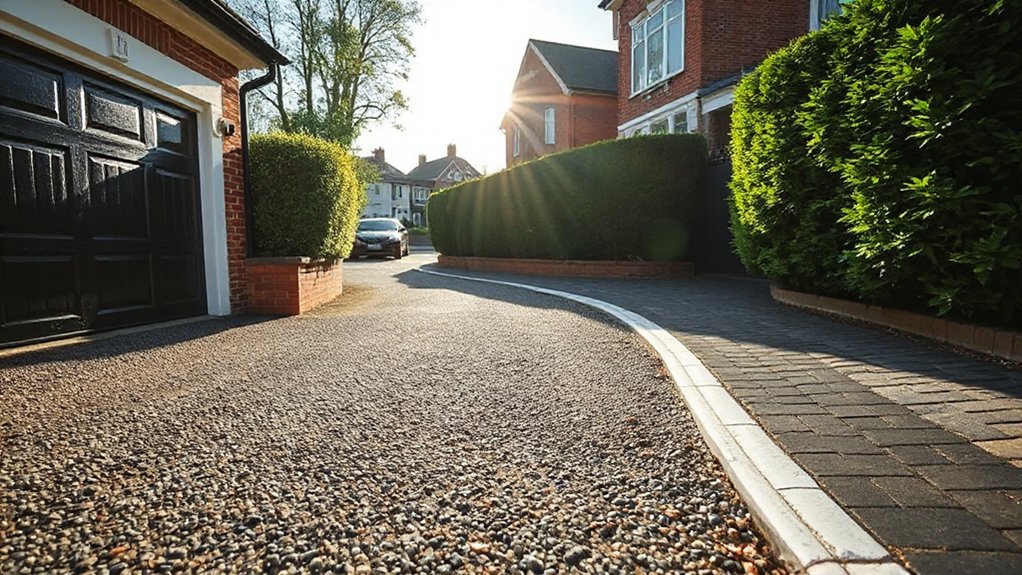
A practical decision framework helps Essex drivers pick a driveway option that balances function, aesthetics, and environmental harmony. You’ll weigh surface durability, drainage, and ease of maintenance against curb appeal and neighborhood harmony.
Consider how each choice supports driveway security, from lighting to visibility. How landscaping integration can soften edges without compromising access is also important.
Map your site constraints, local climate, and long-term costs to prioritize options that age gracefully and reduce heat islands. Test installation quality, warranty terms, and compatibility with existing structures.
Use a simple scoring approach to compare options and avoid flashy trends that don’t endure in Essex weather or planning guidelines.
- driveway security specifics to prioritize during selection
- landscaping integration that enhances curb appeal without hindering access
- durability, drainage, and maintenance considerations for long-term value
Real-World Money-Saving Tips to Extend Driveway Life in Essex
Reliable, money-saving tips start with proactive upkeep that protects your Essex driveway from the elements and wear. You’ll extend life by routine, targeted maintenance rather than costly repairs later.
Begin with a yearly inspection of edges, cracks, and drainage, sealing minor fractures before water intrusion widens them. Clean surfaces using gentle brushes and a mild detergent to remove oil and debris, then reseal concrete or recoat asphalt as specified by the manufacturer.
Landscaping integration around the edges reduces soil erosion and mud tracking, preserving the surface texture and reducing settlement risk.
Install discreet driveway lighting to deter damp shadows that accelerate moisture damage and improve nighttime visibility for safe protection.
Schedule preventative checks after harsh seasons, and document repairs to guide future decisions.
Frequently Asked Questions
What Incentives or Grants Exist for Essex Driveway Upgrades?
Grants vary, so you should check local council schemes and energy incentives; you may qualify for road-traffic or heating grants. You can combine Driveway aesthetics improvements with better Parking solutions, funded by energy-efficiency or retrofit programs.
How Do Planning Permissions Affect Driveway Installations in Essex?
Planning restrictions and driveway regulations shape your install; you’ll navigate permits, setbacks, and materials. Ironically, you’ll save headaches later by plotting drainage, borders, and aesthetics now, ensuring compliant, durable, visually pleasing results for your Essex driveway.
Do Driveways Affect Home Insurance Premiums in Essex?
Yes, driveway changes can influence your insurance in Essex, especially if you boost security or reduce liability. You’ll save by prioritizing driveway security and regular driveway maintenance, which lowers risk and may lower premiums over time.
Which Local Suppliers Offer Eco-Friendly Driveway Materials in Essex?
Local suppliers offer eco friendly materials, so you can choose sustainable, durable options. You’ll compare prices, color and texture, and verify installation practicality. Your project benefits from transparent sourcing, energy-efficient processes, and aesthetically cohesive blends with your home.
What Are Typical Lead Times for Essex Driveway Projects?
Imagine your project as a steady sunrise: your Essex driveway’s lead times vary by material and scope; expect 2–6 weeks. You’ll prioritize driveway design and material durability, balancing aesthetics with practical, detailed scheduling for flawless results.
Conclusion
In Essex, your driveway is more than concrete; it’s a welcome mat weathering seasons and seasons. Picture resin-bound dawns, permeable pavers guiding rain like a quiet gardener, or classic concrete aging to character. Choose with your climate, budget, and curb appeal in mind, then treat it with steady care and smart drainage. Invest in durable foundations, tidy landscaping, and timely maintenance, and your driveway will greet every visitor with steady charm and lasting resilience.