
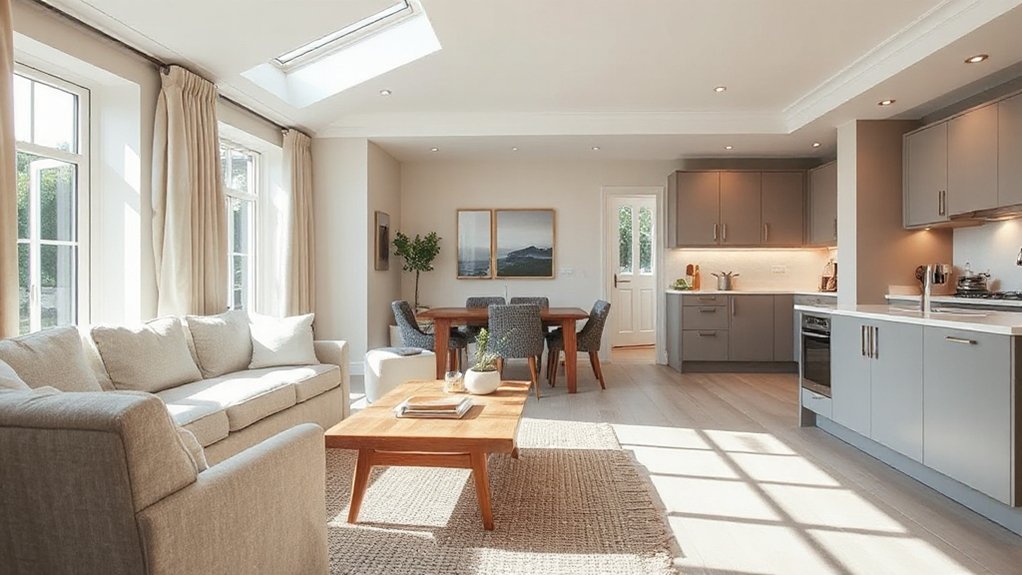

Did you know coastal homes in the UK see up to 15% more wear on paint and timber due to salty air? You’ll want durable materials, layered lighting, and smart storage, all tuned to Liverpool’s maritime vibe. Start with a practical plan, pick finishes that endure, and balance texture with warmth. Curious how to apply these ideas without overhauling your space? Let’s map out a focused upgrade path that respects heritage while boosting everyday use.
Define Liverpool Style: What Makes Our Homes Unique
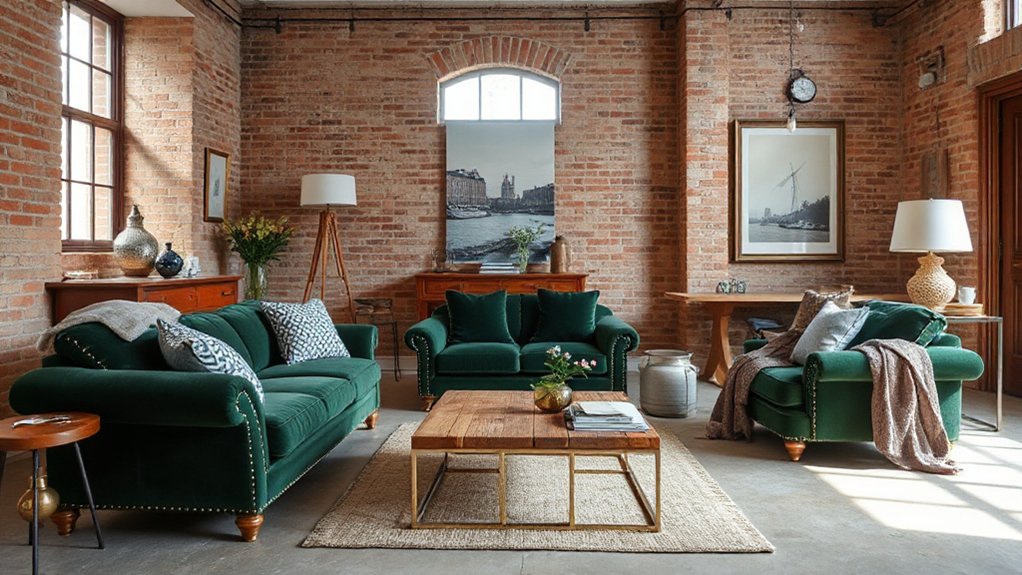
Liverpool style blends coastal practicality with modern warmth. You notice it in your space when sturdy materials meet soft textures, echoing Liverpool history without nostalgia.
You’re guided by local architecture cues: brickwork, timber cladding, sash windows, and purposeful lighting that highlights shape and texture.
Your approach blends utilitarian storage with curated moments—built-ins that respect load, shelves that display without shouting.
You choose neutral palettes accented by saturated reds, blues, and moss greens drawn from maritime atmospheres.
Function drives layout: compact kitchens, flexible living zones, and reachable, well-lit workspaces.
You consider scale, proportion, and rhythm: repeating motifs, balanced contrasts, and subtle industrial touches.
This is a pragmatic, trend-aware identity that marks your home as distinctly Liverpool.
Plan First: Criteria for a Liverpool-Inspired Upgrade
So, before you start upgrading, set clear criteria that reflect Liverpool’s vibe and your home’s structure, budget, and light.
You’ll map upgrade goals to practical constraints—layout feasibility, materials, and energy efficiency—so every choice supports a cohesive look.
Use these criteria to guide decisions, track progress, and keep the project focused on authentic, yet contemporary, Liverpool-inspired outcomes.
Plan Criteria for Liverpool
To plan a Liverpool-inspired upgrade, start with clear, measurable criteria that tie design choices to practical outcomes: cost, timing, durability, and impact on resale value. You’ll assess scope against budget bands, forecast lead times, and warranty coverage, then map risks to mitigations.
Prioritize components that reliably boost appeal while aging well in coastal conditions. For Garden landscaping, specify plant palettes that resist wind and salt spray, plus low-maintenance irrigation and seasonal interest.
For interior work, align finishes with durability standards, ensuring easy cleaning and scratch resistance. Track energy efficiency, acoustics, and storage density as ongoing benchmarks.
Document decision rationales, update timelines, and assign accountable owners. Revisit criteria after milestones to confirm alignment with evolving market tastes and Liverpool’s distinct character, avoiding overreach that compromises practicality or resale potential.
Exterior paint considerations remain integral to first impressions.
Upgrade Goals for Liverpool
If you’re setting upgrade goals for a Liverpool-inspired project, start by defining clear, measurable outcomes tied to cost, timing, durability, and resale value. Your plan should translate general desires into specific targets: a precise budget, a realistic timeline, and tangible quality benchmarks.
Prioritize upgrades that boost curb appeal and use materials with proven longevity, reducing maintenance over time. Alignment with local styles means choosing balanced colors, textures, and finishes that endure.
Consider Garden landscaping as a value driver—low-maintenance native planting, defined sightlines, and seasonal interest that reinforces the home’s profile.
Integrate Smart home integration where it adds measurable convenience and energy efficiency without inflating costs. Set review points to verify progress, adjust expectations, and preserve future resale appeal.
Budget Smart, Big Impact: Practical Cost Levers
Budget smart upgrades hinge on identifying practical levers that deliver noticeable results without breaking the bank. You’ll maximize impact by targeting low-cost upgrades with high returns, using clear metrics to track progress and adjust as needed.
Focus on finish quality, lighting, and layout tweaks that transform spaces without major rebuilds. Embrace Budget hacks and cost-effective upgrades that compound over time, like refreshed hardware, smarter paint choices, and perceptual changes that alter how you experience a room.
Prioritize durable materials and reversible changes to preserve resale value. Plan in phases to spread costs and preserve momentum. Stay current with trends, but veto fleeting fads that don’t move daily life.
- Refresh hardware and fixtures
- Repaint with strategic color accents
- Upgrade lighting layers (ambient, task, accent)
- Reassess layout for flow and access
Space-Saving Solutions for Terraces and Townhouses
You’ll optimize tight spaces with space-saving furniture hacks that pull double duty, so every piece earns its keep. Vertical storage innovations free up floor area while keeping essentials accessible, from wall-mounted systems to hidden compartments.
Plan rooms with multi-function layouts that adapt to daily needs, seasonality, and entertaining, all while preserving flow on terraces and in townhouses.
Space-Saving Furniture Hacks
Maximize every inch of space in your terrace or townhouse with furniture that tucks, tethers, and flips into view-ready solutions. You’ll benefit from modular pieces that transform across rooms, keeping traffic open and surfaces clear. Choose streamlined silhouettes in minimalist decor styles, so you retain calm, cohesive lines while gaining function.
Opt for built-in storage under benches, wall-mounted desks, and fold-away tables that deploy with a single motion. Use color palettes with a light base and restrained accent hues to visually expand areas and reduce clutter. Choose fabrics and finishes that resist wear yet stay cohesive with your overall scheme.
- Wall-mounted drop-leaf desk for compact work zones
- Nesting tables that stack into a single unit
- Storage ottomans with hidden compartments
- Fold-up dining table integrated with wall panels
Vertical Storage Innovations
Vertical storage is the key to reclaiming floor space without compromising style in tight terraces and townhouses. You’ll optimize vertical planes with purpose-built systems that blend function with design. Start by evaluating wall heights and alcoves, then install tall, slender units that reach ceiling lines without crowding doors or windows.
Innovative shelving choices—adjustable shelves, hidden compartments, and modular cubes—maximize flexibility for seasonal decor, books, and tools. Use pull-out mechanisms in pantry niches and between kitchen counters to keep essentials reachable yet out of sight.
In living zones, consider wall-mounted selectors that fold down into compact desks or meal prep surfaces. Choose materials with low glare finishes and muted tones to maintain flow. Regularly fine-tune load distribution to preserve stability and style.
Multi-Function Room Planning
Multi-function rooms are a practical answer to limited footprints, so plan zones that switch roles without clutter. In terraces and townhouses, you’ll maximize every square inch with modular furniture, foldaway desks, and concealed storage.
Prioritize clear sightlines and two-to-one zoning: daily living vs. storage or guest use. Use vertical organizers and bottom-up cabinets to keep surfaces calm, while mirrors and light-toned finishes visually expand spaces.
Integrate smart controls for lighting, climate, and shading to boost home automation without added clutter. Choose movable partitions or sliding doors to reconfigure rooms on demand, maintaining energy efficiency by sealing gaps.
Favor compact appliances and energy-star models to minimize draw and heat gain.
- Modular furniture with hidden storage
- Foldaway workstations and beds
- Sliding panels for instant zoning
- Smart, energy-efficient controls
Brighten Without Losing Character: Lighting and Color Rules
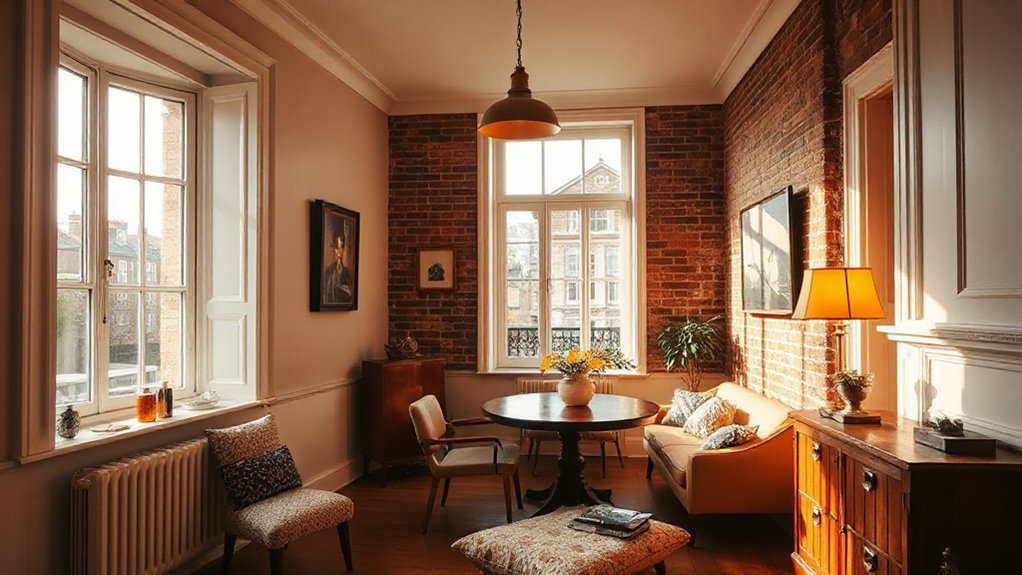
Lighting and color are your fastest levers for brightening Liverpool homes without erasing their character, so start by evaluating natural light and selecting finishes that enhance it.
You’ll tailor palettes to room use, balancing warmth and contrast to avoid sterile looks. Prioritize lighting placement: mix ambient, task, and accent layers to shape mood and highlight architectural quirks.
Choose paints with subtle undertones that reflect daylight and mirror the surrounding streetscapes. Introduce color psychology concepts: calming blues in living spaces, energizing yellows or greens in kitchens, and grounded neutrals in hallways to preserve rhythm.
Use reflective surfaces and light fixtures that bounce light without shouting, ensuring pieces feel intentional, not separate. Consistency across materials reinforces cohesion, so test swatches under real lighting before committing.
Statement Lighting That Feels Local
Eyes on the street, you’ll want statement lighting that feels local rather than generic, so pick fixtures that reflect Liverpool’s character and your home’s quirks. Seek designs with scale and warmth that enhance rooms without shouting.
Lean on lighting ambiance to guide mood, not just illuminate. Favor fixtures from local craftsmanship or inspired by seaside and dockside motifs, giving a tangible sense of place.
Choose finishes that pair with your existing metals and woods, and install dimmers for flexible scenes. Prioritize quality glass and metalwork that resist wear.
Balance statement pieces with quieter layers to avoid clutter.
- Local craftsmanship-inspired fixtures that echo Liverpool’s palette
- Dimmed ambience for living spaces and nooks
- Seaside-docked tones in metal and glass
- Proportional scale to room size and ceilings
Sustainable Materials for Historic and New Builds
You can start with reclaimed timber choices that are both durable and locally sourced, reducing transport and supporting nearby forests.
Aim for airy spaces with low-impact finishes that resist wear while staying visually light and modern.
Prioritize materials that are practical for historic layouts and new builds alike, balancing tradition with trend-aware, durable performance.
Reclaimed Timber Choices
Reclaimed timber offers a practical path to sustainable character, especially in Liverpool’s historic streets and newer builds alike. You’ll find this material blends authenticity with modern needs, delivering durability without new-forest impacts.
Prioritize boards with clear knots and aged patinas to achieve rustic accents that feel timeless. Check for straight grain, stable joints, and free-of-rot heartwood to reduce maintenance later.
Source locally when possible to minimize carbon footprint and support regional mills.
- Reclaimed timber beams for ceilings and staircases
- Floorboards with preserved surface texture for warmth
- Rustic accents via door frames and cabinetry trim
- Weathered cladding that adds character without overpowering design
Airy, Low-Impact Finishes
You’ll prioritize eco friendly finishes that don’t compromise performance, selecting materials with low volatile organic compounds and durable, washable surfaces.
Look for finishes that reveal natural textures—calcium carbonate, lime plasters, and breathable paints—so walls breathe without cracking under historic damp.
In newer spaces, favor mineral-based coatings and zero-VOC sealants that visit minimal maintenance cycles.
Pair these with minimalist design principles: clean lines, restrained color, and visible grain that adds calm without clutter.
Consider recycled aggregates for subtle terrazzo looks or polished plaster in pale tones to maximize light.
This approach sustains interiors, respects heritage, and aligns with modern, efficient living.
Durable, Local Materials
- Local craftsmanship
- heritage preservation
- Regional timber and stone
- Lime plaster and breathable mortars
Texture, Pattern, and Partition Ideas for Liverpool Homes
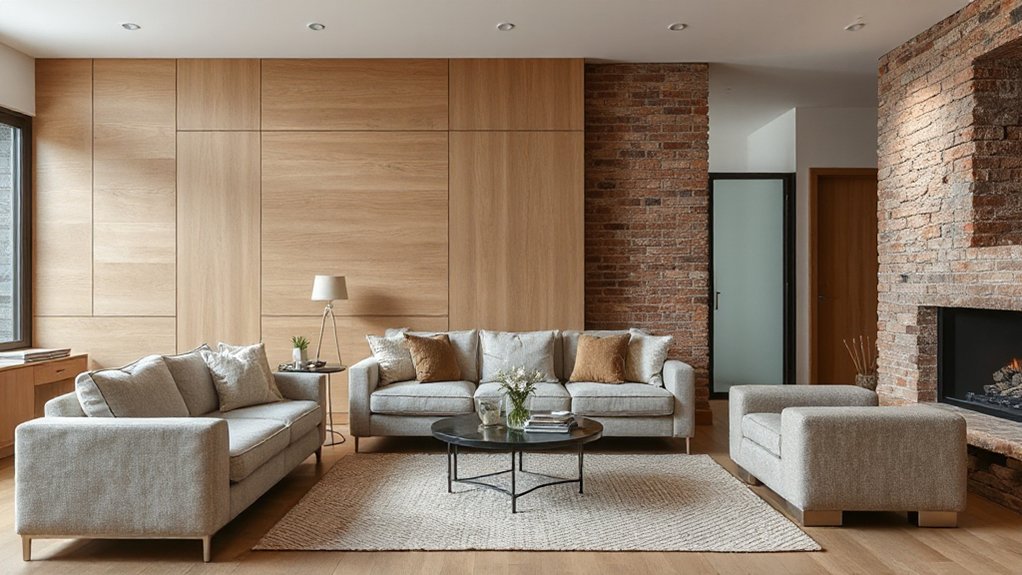
Texture, pattern, and partitions can define the feel of Liverpool homes by balancing practicality with style. You’ll leverage texture to add warmth without clutter, using textured fabrics for sofas and cushions that invite lingering conversations. Patterned wallpapers act as anchors in rooms, guiding eye flow and creating visual rhythm without overwhelming space.
When you introduce partitions, opt for open, breathable screens or shelving walls that delineate zones while keeping sightlines clear. Choose a restrained color base and layer with tactile finishes—linen, wool, jute—to sustain a cohesive look.
Scale matters: larger patterns suit generous rooms, smaller motifs fit compact areas. Pair bold statements with subtle trims and consistent hardware to preserve polish. This approach keeps interiors dynamic yet grounded in Liverpool practicality.
Tasteful Tech Touches: Subtle, Integrated Upgrades
Tasteful tech touches should blend in, not shout out, so you’ll pick upgrades that enhance daily use without stealing the scene. In Liverpool homes, prioritize subtle integrations that improve comfort and efficiency without screaming “smart home.” Focus on reliability, intuitive controls, and discreet aesthetics that match existing finishes.
Smart thermostats tailor comfort while cutting waste, and hidden speakers deliver ambiance without clutter. Choose devices with solid app support, local control, and easy voice integration to avoid friction.
Prioritize cable management, wall-mount installations, and recessed options to maintain clean sightlines. Guarantee privacy controls are clear and simple, so you stay in command.
- Smart thermostats that learn routines and offer zones
- Hidden speakers behind cabinetry or ceiling grilles
- Concealed charging and USB hubs with clean finishes
- Discreet motion sensors and lighting controls for automation
Curb Appeal Upgrades for a Liverpool-Warding Exterior
Curb appeal is the first impression you’ll make on visitors, and in a Liverpool-warding exterior that small, smart updates matter. Start with a clean, inviting entry; a refreshed path, low-maintenance lighting, and a clearly defined doorstep signal care.
Use durable materials that weather well in coastal winds, and keep sightlines open—trim hedges, remove clutter, and make certain the porch is welcoming, not crowded.
Garden landscaping should frame the house without overpowering it: consider native shrubs, seasonal color, and a focal plant at the entry.
Exterior color schemes should be cohesive with the interior, using complementary tones that brighten without screaming. Update houselamps and address hardware for subtle cohesion, and test curb visibility from the street to make certain practical, lasting impact.
Plan upgrades in stages to manage costs and disruption.
Frequently Asked Questions
What Defines Liverpool Interior Style Beyond Trends?
You define Liverpool interior style by balancing practical coastal influences with enduring Liverpool architecture, prioritising thoughtful textures, durable materials, and light-enhancing schemes, while staying trend-aware and adaptable to evolving tastes. Embrace comfort, modest proportion, and timeless, regionally inspired details.
How to Assess a Room for a Liverpool-Inspired Upgrade?
Start by measuring light and space; 78% of homes benefit from brighter ceilings, boosting perceived room size. You assess a room for Liverpool-inspired upgrades by tracing Liverpool heritage and maritime influence in textures, color, and sustainable materials.
Which Upgrades Deliver the Best Resale Value Locally?
Upgrading curb appeal and boosting energy efficiency deliver the best local resale value. You’ll see quicker sale odds and stronger offers when you refresh entryways, improve insulation, seal leaks, and install efficient lighting and appliances. Target visible, lasting results.
Where to Source Locally Inspired Finishes in Liverpool?
You can source locally inspired finishes in Liverpool by visiting local artisan studios and coastal textures shops; if you doubt quality, you’ll find durable, unique pieces that elevate spaces while supporting regional makers and sustainable materials.
How to Balance Modern Tech With Historic Liverpool Charm?
You balance modern tech with historic charm by prioritising smart lighting that enhances architectural features and pairs with vintage fixtures. Integrate discreet smart controls, maintain period details, and curate finishes that echo Liverpool’s character for a cohesive, timeless vibe.
Conclusion
As you ink these updates, you’re not just decorating—you’re anchoring a coastal everyday. Think reclaimed timber, textured fabrics, and subtle lighting that glow like a sunset over the Mersey. Plan smart, budget wisely, and choose space-saving details that breathe across terraces and townhouses. Let durable, sustainable materials weather life’s waves while discreet tech stays quietly invisible. This isn’t just style—it’s a shipshape, modern Liverpool home, ready to weather change and keep its heart.