


You want the best EPC boost for an older UK home, so focus first on a practical insulation baseline and airtight sealing to cut heat loss. Then weigh cavity or internal wall insulation, smart controls, and high-performance glazing alongside a efficient boiler or heat pump. Add renewables where viable and plan a phased path with real milestones. Ready to map your exact upgrades, costs, and timing to an achievable score.
What Is an EPC and Why Older UK Homes Lag
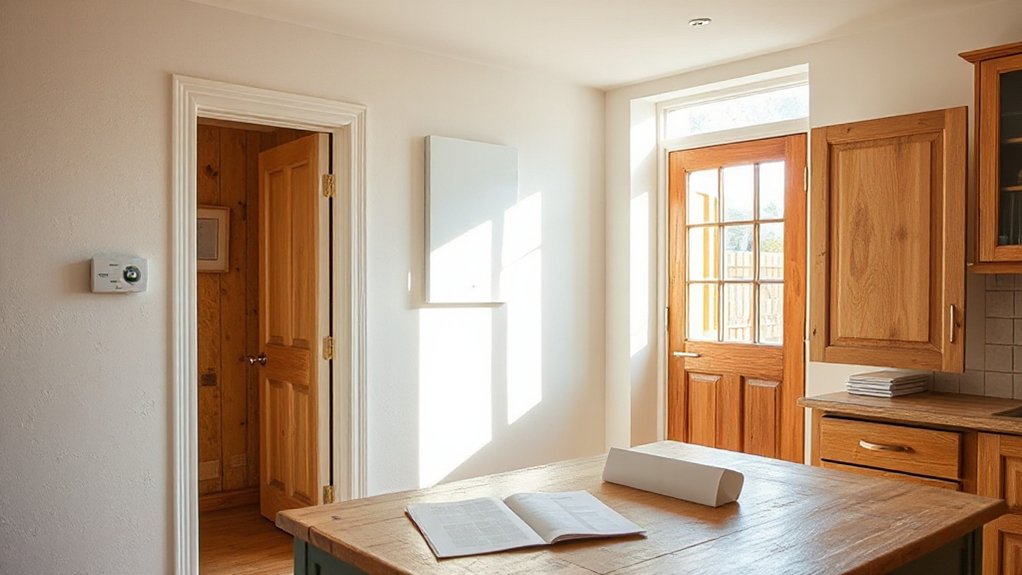
An Energy Performance Certificate (EPC) rates how efficient a home is at using energy, from A (most efficient) to G (least). You’ll use this metric to gauge where a property sits and where to invest for impact. An EPC certification bundle includes a measured rating, recommended improvements, and estimated energy savings.
In older UK homes, fabric constraints, draughts, and historic layouts limit performance, so the energy performance often trails modern expectations. You’ll see gaps in insulation, heating system efficiency, and airtightness, not just appliance efficiency. The key is understanding how each element affects running costs and comfort.
Use the EPC to prioritize improvements that deliver the largest, measurable gains, then verify progress with a follow-up assessment to track real-world results.
Build a Practical Insulation Baseline for Brick Homes
A practical insulation baseline for brick homes starts with a clear map of where heat leaks most and what you can realistically retrofit without compromising structure or character. You’ll identify key junctions—walls, roofline, and overlooked gaps—and prioritize upgrades that meet historical architecture sensibilities and existing insulation standards.
Start with passive basics that don’t alter façades or interiors, then layer smarter solutions.
1) Audit materials and plan: match brick integrity, plaster, and timberwork to maintain character while meeting current insulation standards.
2) Prioritize airtightness: seal perimeters, install breathable, moisture-managing membranes, and add insulation in accessible cavities.
3) Choose compatible materials: focused on thermal mass, vapor control, and legacy detailing to preserve historic architecture while boosting EPC outcomes.
Targeted Draught Sealing to Cut Heat Loss
Targeted draught sealing focuses on the pockets where heat leaks most: door thresholds, window frames, shared walls, and service penetrations. You’ll identify the top three to five leak points first, then tackle them with precision.
Check gaps around doors with a simple length of foam backer rod and seasonal sealant to close steady leaks without restricting movement. For windows, apply compression weatherstrips or low-friction seals at sashes to prevent rubbing and drafts.
Shared walls and service penetrations benefit from continuous external tapes or foam sealant around conduits, pipes, and cables. Consider window tinting as a retrofit to reduce heat gain in sunny rooms, while insulation coatings can tighten microscopic gaps on interior surfaces.
These steps preserve warmth, limit losses, and support steady EPC gains.
Loft and Roof Insulation for the Biggest EPC Gains

Loft and roof insulation is one of the strongest moves you can make for big EPC gains because heat escapes primarily upward. You’ll see faster payback when you target the attic and roof structure, especially in older homes with mixed insulation. Prioritize proper installation, airflow, and compatibility with your existing roof setup to avoid gaps that undermine performance.
- Assess attic ventilation and seal any gaps to prevent moisture buildup while maximizing insulation effectiveness.
- Choose appropriate insulation thickness and type for your climate, ensuring it sits evenly without cramming joists or blocking vents.
- Plan roof repairs if you discover leaks or damaged decking before insulation upgrades, so you don’t trap underlying problems.
This approach minimizes heat loss, supports long-term durability, and boosts EPC ratings efficiently.
Cavity vs Solid Wall Insulation: What Fits Your Home
Cavity wall insulation offers a quick, cost-effective upgrade if your home has hollow bricks and accessible cavities.
If you’ve got solid walls, you’ll explore external, internal, or hybrid fit options to minimize heat loss and preserve aesthetics.
We’ll compare pros, cons, and practical fit considerations so you can choose the approach that best protects your asset and boosts your EPC.
Cavity Walls Prospects
When deciding between cavity wall insulation and solid wall insulation, you’ll want a clear view of how each option fits your home’s construction, climate, and budget.
Cavity walls can offer rapid retrofit with minimal disruption, presenting strong wall prospects for many-era homes, though repair or moisture risk warrants due diligence.
If your exterior reveals solid construction or damp walls, you’ll weigh wall prospects carefully, prioritising long-term performance and minimal heat loss.
Practical checks matter: moisture risk, insulation thickness, and retrofit costs align with EPC aims.
- Evaluate existing wall type and moisture history to gauge cavity suitability.
- Compare installed R-values and long-term energy savings for cavity vs potential solid-wall routes.
- Assess installer guarantees, insulation thickness, and potential impact on internal space.
Solid Wall Fit Options
Which fit is best for your solid walls—cavity fill or solid-wall insulation—depends on your home’s construction, moisture history, and retrofit goals. You’ll evaluate fabric first: solid-wall insulation protects historic facades and maintains external aesthetics, while cavity alternatives may be unsuitable for non-cavity constructions.
If you own a listed or older solid-wall property, look to external or internal solid-wall solutions that minimize disruption to historic preservation standards. Adhesive or mechanical fixing methods impact interior room sizes and future plaster finishes, so plan around existing plasterwork and decorative cornices.
Assess moisture risks, brick bonding, and lintel integrity to avoid trapped damp. Consider fabric compatibility with sympathetic finishes and long-term breathability.
Prioritize retrofit details that preserve architectural authenticity while delivering energy gains and measurable EPC improvements.
Efficient Heating Controls to Lower Bills and Boost EPC
Smart thermostats, zoned heating, and timed controls give you precise, flexible control over energy use, cutting bills without sacrificing comfort.
Set zones to heat only occupied rooms and schedule upgrades so you’re not paying to heat empty spaces.
Start by pairing a smart thermostat with room-by-room zoning to maximize savings and EPC impact, then fine-tune timers for your daily routine.
Smart Thermostat Savings
Smart thermostats are one of the most cost-effective upgrades for older UK homes, giving you precise control over heating schedules and real-time energy use. You’ll see energy savings by tailoring warmth to occupancy, weather, and room usage, which reduces wasted heat and lowers bills. Choose a model that integrates with existing controls and supports clear reporting so you can verify EPC gains.
- Optimize schedules by room and time, maximizing comfort while minimizing unnecessary heating.
- Enable automatic frost protection and adaptive setbacks to maintain efficiency across seasons.
- Monitor real-time energy use and export data to assess impact on EPC metrics and long-term savings.
Zoned Heating Efficiency
Zoned heating targets energy waste by treating each room as a distinct climate, so you can heat only the areas in use and keep unoccupied zones cooler. With heat zoning, you assign thermostatic zones to living spaces, bedrooms, and rarely used rooms, enabling precise control over where heat is delivered.
You’ll use multi-zone controls or a modern smart system to set different schedules and temperatures for each zone, aligning comfort with occupancy patterns. This approach reduces boiler runtime and saves on bills, while preserving comfort where it matters.
Practical setup tips: map your home’s zones by doorways, install reliable zone valves or dampers, and guarantee your boiler can modulate for varying loads. Zoned heating improves EPC by demonstrating efficient, targeted warmth.
Timed Heating Controls
- Set weekday vs weekend schedules to match routines, locking in efficient boiler operation.
- Pair times with room-by-room temperatures to maintain comfort without overcooking spaces.
- Use adaptive or learning features to refine cycles, improving performance over a season.
These controls lower bills, reduce boiler wear, and boost EPC by proving proactive, measurable energy management.
Choosing a Boiler for Better EPC in Older Homes
Choosing the right boiler can make a big difference in an older UK home’s EPC. You’ll want a modern, compact condensing boiler sized for your living space and heating load, not simply the biggest unit.
Prioritize high Seasonal Efficiency (SE) and a wide modulation range to minimize fuel use during varying weather. For older homes, consider a combination boiler if you have limited space, or a system boiler with a well-insulated cylinder for reliable hot water.
Look for low return temperature capability to exploit heat networks, and guarantee compatibility with existing controls you’ve already upgraded.
Historical renovation matters: install discreet flue routing and finish to preserve authenticity.
Aesthetic considerations aside, choose easy service access and long-term reliability to maintain EPC improvements.
Smart Meters and Energy Monitoring to Guide Improvements
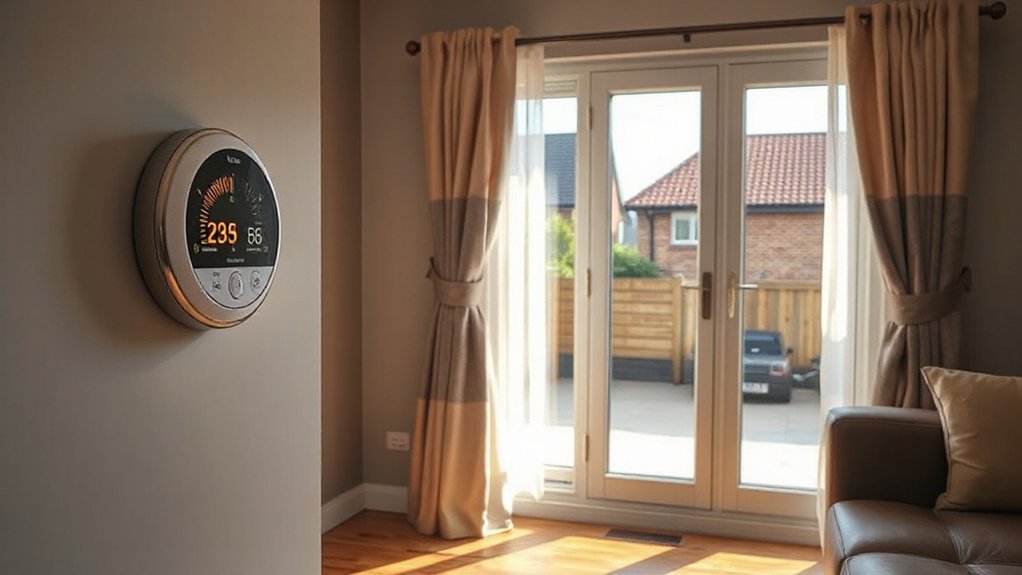
Smart meters and energy monitoring are practical tools you can use to target EPC gains in an older UK home. By tracking real-time usage, you identify inefficiencies and verify improvements without guesswork. Use these steps to guide investment and verify results.
1) Map baseline consumption: capture daily profiles, identify peak periods, and quantify wasteful patterns for targeted upgrades.
2) Prioritize interventions: correlate high-usage spikes with specific zones or appliances, guiding efficient replacements or behavioural changes.
3) Validate outcomes: re-monitor after upgrades to confirm measurable reductions in kWh and carbon, reinforcing cost-effectiveness to stakeholders.
Smart meters and energy monitoring keep you informed, helping you allocate funds to the most impactful improvements.
Windows, Doors, and Glazing: Where to Invest for EPC Impact
Upgrading windows, doors, and glazing offers a clear path to meaningful EPC gains in older UK homes, especially when you target heat loss paths and moisture risks. You’ll prioritize high-performance frames, draught sealing, and energy-rated glazing to cut transmission losses without overinvesting in ornament.
Start with solid U-values and A-rated or better glazing, ensuring compatible spacers and low-emissivity coatings. Address moisture risk by airtight detailing around frames and efficient ventilation strategies.
Window aesthetics matter, so choose profiles that suit the building’s character while improving performance. Glazing installation should be precise: proper cavity insulation, secure bead placement, and tests for leaks.
These focused upgrades deliver measurable heat-retention gains and can support improved overall EPC scores without disrupting daily use.
Are Renewables Viable for EPC in Older Homes?
renewables can be viable, but in older homes you’ll need a practical cost-benefit read that weighs local grants, retrofit limits, and your existing fabric.
You’ll assess how much of the EPC uplift comes from renewables versus improvements to insulation, glazing, and heat storage, keeping an eye on asset value and payback.
We’ll outline cost-effectiveness, potential upgrades that fit the property, and how to plan a phased approach within renovation budgets.
Renewables Viability For EPC
Are renewables a practical path for boosting EPC ratings in older UK homes, or do their benefits fall short in practice? You weigh practicality against upfront costs, space, and retrofit fit. In older properties, the ROI hinges on existing fabric, insulation, and heating systems, not glamour. Focused gains come from reliable tech and sensible integration, rather than flashy installs.
- Solar panels: assess roof orientation, shading, and potential feed-in tariffs to gauge annual savings and payback.
- Rainwater harvesting: reduces mains usage, lowers running costs, and pairs well with high-efficiency fixtures when legally viable.
- Hybrid systems: combine heat pumps with smart controls to maximise performance without overhauling old layouts.
Prioritize durable, scalable options with proven warranties to protect long-term EPC improvements.
Older Homes Renovation Limits
Old homes pose unique renovation limits that shape how renewables can affect EPCs. You’ll often face Historical preservation constraints that guard façades, windows, and decorative features, plus Structural limitations that restrict wall removals, roof loads, and floor increases.
Before planning, assess existing fabric and compatibility: loft insulation, draught-proofing, and heat recovery ventilation usually fit without invasive work.
When considering renewables, evaluate microgeneration options that minimize structural disruption, such as slimline solar PV on suitable roofs or discreet heat pumps with outdoor units placed in non-intrusive locations.
Keep alterations reversible where possible to satisfy stewardship criteria. Engage a chartered surveyor or retrofit coordinator early to map constraints, schedule approvals, and identify non‑structural upgrades that maximize EPC gains without compromising historic integrity.
Prioritize performance improvements that reduce energy demand within these limits.
Cost-Effectiveness Of Upgrades
When evaluating cost-effectiveness, you should weigh upfront capital against long-term energy savings, maintenance, and potential EPC gains in older homes. Renewables can be viable, but consider the asset’s value, historical significance, and aesthetic considerations before committing. You’ll want clear payback timelines and minimal disruption to period features.
- Assess retrofit compatibility: ensure new systems won’t compromise original fabric or charm, preserving historical significance while boosting EPC.
- Compare incentives and maintenance: renewable options with strong warranties can reduce lifecycle costs without sacrificing aesthetics.
- Prioritize targeted upgrades: focus on efficient heat sources and controls that deliver steady EPC uplifts without excessive alteration of visible features.
Budgeting a Phased Upgrade Plan With EPC Milestones

A phased upgrade plan with EPC milestones lets you spread costs, prioritize high-impact improvements, and track progress without overcommitting upfront. You map receipts, quotes, and timelines into a clear sequence, aligning each milestone with energy savings targets and budget windows.
Start with a baseline assessment that highlights sympathetic upgrades for Historical architecture while favoring Modern design improvements that fit your property’s footprint. Allocate funds for air-tightness, insulation, and efficient heating first, then address glazing and solar opportunities as milestones advance.
Build in contingency buffers and vendor flexibility to avoid delays. Use a simple scoring system to judge ROI per phase, updating the plan after each EPC check.
Maintain asset clarity by documenting materials, energy ratings, and integration with existing systems.
How to Document Upgrades for EPC Scoring
To document upgrades for EPC scoring, start by creating a concise upgrade log that links each improvement to its specific EPC impact, cost, and implementation date. Keep it precise, auditable, and easy to update as plans evolve.
Your log should reflect how changes affect historical architecture and cultural preservation, ensuring any retrofit respects heritage values while boosting efficiency.
- Track each upgrade with a unique identifier, expected EPC impact, price range, and go-live date to enable quick evaluation against milestones.
- Attach supporting documentation (manufacturer specs, energy bills, and compliance certificates) and note any heritage-considerations or permissions.
- Review annually, noting deviations, realized savings, and adjustments to preserve authenticity without compromising performance.
Quick Wins and Long-Term Fixes With Realistic Timelines
Quick wins should be actionable today, while long-term fixes map to measurable EPC gains over 12–24 months. You’ll focus on practical, asset-backed actions that improve comfort and score without overhauling your whole system.
Start with airtight sealing, draft-proofing doors and loft hatches, then upgrade low-cost insulation like underfloor or cavity fills where feasible. Implement smart controls for heating and lighting to trim baseline energy use now.
For longer timelines, target high-impact upgrades: modern condensing boiler where appropriate, heat pumps in suitable spaces, and solar readiness to pair with future PV.
Track results against a baseline, and align projects with Energy policy targets to clarify incentives.
Consider Environmental impact and lifecycle costs when selecting equipment to maximize both EPC gains and durable asset value.
Frequently Asked Questions
How Long Does an EPC Upgrade Project Typically Take?
An EPC upgrade project typically takes a few days to a couple of weeks, depending on scope. You’ll schedule Historical insulation installs and energy efficient lighting upgrades, coordinating with trades to minimize disruption and verify energy improvement outcomes.
What Quick-Win Upgrades Yield the Best ROI?
You’ll prioritize energy efficient windows and quick hits like upgrading insulation, seals, and lighting for instant ROI. Also explore solar panel incentives, installing where feasible to maximize tax credits and EPC impact while limiting upfront costs.
Do Grants or Subsidies Exist for Older Homes?
“Where there’s a will, there’s a way.” You can access grants or subsidies for older homes if you meet historic preservation and grant eligibility criteria, then fund improvements that boost efficiency and integrate preservation-focused, asset-backed upgrades.
Are There Any Combined Upgrades to Maximize EPC Points?
Yes. You can combine alternative insulation with smart thermostats to maximize EPC points, improving heat retention and efficient control. You’ll save energy, reduce bills, and boost overall rating by coordinating insulation depth with adaptive, programmable thermostat settings.
How Is the EPC Rating Affected by Retrofit Timing?
Retrofit scheduling determines outcomes: you boost efficiency when timing aligns with retrofit phases, upgrade timing optimizes energy savings, and precise sequencing drives EPC gains. You plan, you sequence, you monitor—you maximize impact through proactive retrofit scheduling and upgrade timing.
Conclusion
You’ll stage your upgrades like building a solid toolkit for your home, not chasing a flashy shortcut. Think of it as laying a sturdy foundation the way a careful craftsman coats a beam: insulation, airtight seals, and efficient windows first, with renewables and controls following as you can. Like a well-turnished old study, the room becomes warmer with fewer drafts and wiser energy use. By planning milestones, you’ll keep upgrading on track—and your EPC score will steadily rise.