


Like a seasoned host knows, your townhouse is more than walls—it’s a platform for reliable tenants and steady income. You’ll define who you’re aiming for, set a budget, and map upgrades that boost safety, curb appeal, and daily usability. Keep energy-efficient updates in mind and stage photos that sell the space online. As you organize docs and streamline turnover, you’ll uncover tradesoffs and timing that shape your next move, so stay sharp and prepared.
Define Your Ideal Tenant and Rent Target
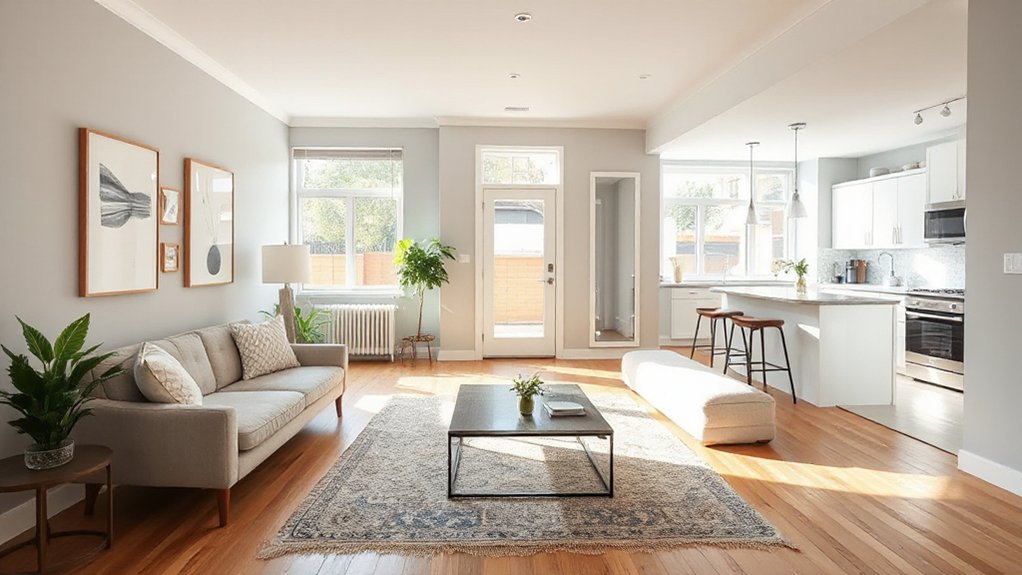
Defining your ideal tenant and rent target starts with clarity about who’ll reliably pay on time and care for your property. You’ll map expectations around income, stability, and cleanliness, then translate that into concrete criteria for Tenant screening and Rental pricing.
Start by profiling reliable occupiers—long-term renters, steady jobs, minimal complaints, and respect for neighbors. Use screening metrics: credit score thresholds, income-to-rent ratios, prior eviction history, and rental references.
Pair this with transparent Rental pricing that matches market demand and asset quality, ensuring you can cover taxes, maintenance, and mortgage service. Don’t overlook lease terms, pet policies, and enforcement plans that protect cash flow.
Align screening standards with a fair, competitive price to attract quality tenants consistently.
Create a Budget and Timeline for Upgrades
You’ll set a realistic budget first, focusing on upgrades that yield the best rent impact without overspending.
Map a clear timeline for each task, prioritizing high-impact changes that sell the unit quickly.
Start with essential fixes, then parcel out enhancements by cost and payoff to keep the project efficient and aligned with market trends.
Set Realistic Budget
A realistic budget starts with a clear breakdown of costs and a practical timeline for upgrades. You map essential repairs, cosmetic updates, and safety fixes into line-item categories, then assign conservative estimates to each.
Prioritize high-ROI improvements that attract quality tenants while preserving cash flow. Use current market data to set realistic allowances for materials, labor, and permit fees, and build a contingency of 10–15% for surprises.
Include ongoing costs like landscaping, utilities adjustments, and property management if applicable. For tenant screening, align budgeted expenses with expected vacancy loss and screening fees, ensuring you don’t overcommit resources on nonessential perks.
Track progress weekly, adjust forecasts as bids come in, and document decisions for future reference. This disciplined approach supports sustainable profitability.
Timeline For Upgrades
To keep upgrades on track, map a clear, time-bound schedule that pairs each upgrade with a fixed start and finish window, and lock in milestones you’ll review weekly.
You’ll create a lean budget that assigns costs to tasks like garden landscaping and new fixtures, then set a realistic buffer for delays.
Prioritize tasks by impact on rent appeal, then sequence them to avoid downtime overlap.
Use a shared calendar and daily checklists to track progress, costs, and approvals.
Build in vendor lead times, permitting, and inspection windows so you stay proactive rather than reactive.
Include pet friendly features where feasible—stain-resistant finishes, secure storage, and durable materials.
Review milestones every Friday, adjust estimates, and keep communication concise with contractors and tenants.
Prioritize High-Impact Changes
Prioritizing high-impact changes starts with a lean, data-driven budget and a tight timeline that tie directly to rent appeal. You’ll map the upgrades by impact, cost, and speed, then sequence tasks that maximize curb appeal and tenant satisfaction.
Begin with a core budget that covers essential improvements, plus a contingency, and track every dollar against projected rent lift. Set a two- to four-week sprint for quick wins (lighting, fresh paint, hardware) and reserve longer phases for durable upgrades (kitchen updates, flooring).
Schedule tasks to minimize overlap and disruption, aligning vendor dates with move-in windows. Consider landscaping ideas that boost first impressions and usable outdoor space, and evaluate community amenities nearby that justify rent premiums.
Document progress, adjust priorities weekly, and maintain a clear decision log to stay on target.
Quick Exterior Fixes to Boost Curb Appeal
Small fixes can deliver big curb appeal quickly: start with a fresh coat of exterior paint on doors and shutters, and choose a durable, weather-resistant color that complements the brick or siding. You’ll see immediate payoff from clean, cohesive tones that tie the home together.
Tidy the foundation line with fresh mulch and crisp edging; swap aging house numbers for modern, legible ones. Pressure-wash siding and sidewalks to remove dirt, then seal cracks to prevent water intrusion.
For landscaping ideas, plant low-maintenance perennials and add container greenery near entryways for color without heavy upkeep. Consider exterior paint options that resist fading and mildew, especially in sunny facades.
Keep the palette contemporary, balanced, and complementary to architectural features, so buyers perceive longevity and care from the first glance.
Refresh the Entry: Doors, Lighting, and Safety

Start by swapping in fresh entryway doors that boost curb appeal and security.
Next, brighten the space with energy-efficient lighting that highlights key features and feels welcoming.
Finish by prioritizing safety features like sturdy locks, a visible peephole, and functional outdoor lighting to protect tenants and deter issues.
Fresh Entryway Doors
Pick a finish that hides smudges and matches common exterior palettes; matte or satin finishes tend to age better in sunlight. Update door hardware to blend style with function: a reliable deadbolt, a padded strike plate, and a weatherproof handle set.
Consider energy-efficient glazing if the door has sidelights. For entryway decor, keep a cohesive look with a simple welcome mat and a positioned mirror to maximize space.
Emphasize door hardware quality in listings, and note maintenance tips to prospective tenants.
Brighten With Lighting
After upgrading entry doors, the right lighting instantly boosts curb appeal and safety. You’ll want a layered approach that’s practical and stylish.
Begin with ambient lighting to create a welcoming wash across the hallway and entry area, using dimmable fixtures so you can adjust mood for showings. Add decorative fixtures—think a standout pendant or wall sconces—so the space feels intentional, not generic.
Place fixtures at eye level for flattering illumination and to minimize harsh shadows near the doorway. Confirm switch placement is convenient, with a single, labeled control for all main lights.
Use warm white bulbs (2700–3000K) for a homey vibe, and avoid overly bright tones that wash out details.
Finally, check copper, brass, or black finishes to align with your townhouse’s style.
Prioritize Safety Features
Start with doors: install solid-core fronts, reinforce frames, and add strike plates with longer screws. Consider a smart deadbolt for keyless access and a peephole for quick identification.
Lighting matters: motion-activated exterior lights and bright entry illuminance deter thieves and improve visibility at dusk.
Inside, save on clutter that hides hazards; place weatherproof outdoor mats and clear thresholds.
For fire safety, check smoke detectors and install a carbon monoxide detector on each level.
Security alarms provide instant alerts; select a system with remote monitoring and door/window sensors. Keep documentation visible, test monthly, and schedule professional inspections semiannually to maintain reliability and buyer confidence.
Optimize Interior Layout for Flexibility
To maximize adaptability, start by defining a core footprint that supports multiple uses—living, work, and guest space—then layer in movable elements that can reconfigure a room in minutes. You’ll pair flexible furniture with adaptable layouts to sustain flow and function, even as needs shift.
- Visualize zones that dissolve with modular screens or slim bookcases.
- Choose nesting tables and lightweight seating that stack away.
- Use wall-mounted desks that fold down for a temporary office.
- Implement sliding panels to transition between open and intimate areas.
Keep hardware simple, finishes cohesive, and cords managed.
Prioritize clear sightlines, so guests feel welcome in any setup.
Regularly reassess layouts after tenant turnover to maintain versatility and modern appeal.
Neutral Color Palettes for Broad Appeal
A neutral colors palette keeps spaces welcoming to a wide range of tenants, so start with warm grays, soft beiges, and gentle greige tones that pair well with natural light.
Focus on consistency across living areas and floors, using 2–3 core hues plus one accent that can be refreshed with accessories.
This broad-appeal approach reduces turnover risk and makes styling easier for future renters.
Neutral Hues Palette
Are neutral hues the easiest way to attract a broad audience when listing a townhouse for rent? Yes—this palette reduces risk and boosts perceived space, while pairing with varied interiors. You’ll want balanced tones that read clean, calm, and adaptable, so tenants imagine their own furniture fitting in.
Use color psychology to guide your choices: soft beiges feel warm; greiges read contemporary; off-whites keep ceilings feeling airy. Incorporate restrained interior accents to highlight architectural features without competing with bigger furniture.
Focus on consistency across rooms to avoid jarring progressions.
- Smooth, warm beige walls that echo natural light
- Muted greige trim for contrast without harsh edges
- Subtle stone or taupe flooring to ground spaces
- Black-brushed fixtures as modern, unobtrusive accents
Broad Appeal Neutrals
Keep walls near 1–2 neutrals and reserve bolder accents for textiles and art to avoid overwhelming smaller layouts. Plan furniture arrangement to maximize flow: place sofas to frame sightlines, use area rugs to define zones, and leave clear pathways.
Choose durable finishes, easy-to-clean fabrics, and subtle contrast for depth, ensuring the space feels cohesive yet adaptable for varied tenant tastes.
Choose Durable, Low-Maintenance Materials
When you choose durable, low-maintenance materials, you save time and money over the life of the rental. In this phase, focus on durability considerations and smart material selection that resist wear, stains, and moisture while staying cost-effective and appealing.
- Floors that tolerate heavy foot traffic—consider luxury vinyl plank or porcelain tile for a resilient, easy-clean surface.
- Countertops with stain resistance and repairability—engineered quartz or solid-surface options curb upkeep.
- Paint and finishes that resist scuffs and moisture—washable, satin or eggshell sheens in durable formulas.
- Cabinets and hardware that endure daily use—laminate overlays and brushed metals spark longevity without high maintenance.
These choices streamline turnover and support steady occupancy.
Upgrade Lighting Throughout the Townhouse

Brighten and simplify daily living by upgrading lighting throughout the townhouse with efficiency and mood in mind. A cohesive, well-lit space boosts perceived square footage and tenant satisfaction.
You’ll plan a layered approach: ambient, task, and accent lighting that works with natural light. In common areas, swap harsh bulbs for softer, color-accurate LEDs and choose dimmable fixtures to adjust mood and energy use.
Focus on fixture selection that complements room scale—oversized for living rooms, compact for hallways. For kitchens and entryways, prioritize bright task lighting without glare.
Guarantee consistent color temperature (2700–3000K) for flow. Document fixture specifications for maintenance and reusability.
Align choices with Lighting design principles to enhance safety, usability, and resale appeal.
Make Kitchens and Bathrooms Feel Fresh
If you want kitchens and bathrooms to feel fresh, start with clean lines, bright but balanced lighting, and surfaces that reflect well under natural light. You’ll notice an instant lift when you prioritize neutral cabinetry, quartz countertops, and minimal hardware.
Focus on small, high-impact updates that sell:
- implement crisp caulking and refreshed grout for a showroom feel
- install modern faucet finishes and compact under-mount sinks
- choose sleek, water-efficient fixtures to boost bathroom aesthetics
- upgrade lighting with layered sources and dimming, plus under-cabinet LEDs for kitchens
These Kitchen upgrades and bathroom aesthetics create a cohesive, bright vibe that’s easy to maintain and attractive to renters.
Improve Storage With Smart Shelving
Maximize storage efficiency by installing modular shelves that you can reconfigure as needs change.
Use corner units to reclaim awkward nooks, and keep items visible with labeled, adjustable brackets for quick access.
This approach aligns with current trends toward compact, flexible interiors while making the most of every inch.
Install Modular Shelves
Installing modular shelves is a smart way to boost storage without committing a full remodel; they adapt to tight nooks, growing with your needs.
You’ll prioritize versatile pieces that fit your space, match styles, and support heavy use. When planning, measure wall height, depth, and weight limits, then choose units that snap or slide into place for quick setup.
Opt for modular shelving with adjustable shelves to maximize every inch of storage and aisle access. Use labeled bins to keep items visible and reachable, reducing clutter and boosting appeal to renters. Keep finishes durable, easy to clean, and board edges protected to endure move-ins.
Emphasize modular shelving as a practical storage solution in listings and tours.
1) Stackable units
2) Adjustable shelves
3) Transparent bins
4) Wall-mounted uprights
Optimize Corner Storage
Corner nooks often get overlooked, but smart shelving can transform them into usable storage without bulky furniture or costly installs. You’ll start by measuring depth, height, and clearance to tailor modular corner units that fit precisely. Use adjustable shelves to accommodate varying items, from vacuum accessories to seasonal decor.
Install shallow, staggered shelves along unused angles to create vertical pull-out drawers or bin housings, preserving floor space. Consider magnetized or pegboard panels for lightweight, daily-use items, so everything stays accessible.
Choose corner shelving in neutral tones with matte finishes to blend with modern interiors and appeal to renters seeking low-maintenance solutions. Add labeled bins for quick categorization, and leave a small, clear path for cleaning access.
These creative storage solutions maximize corners without crowding rooms.
Maximize Natural Light and Ventilation
If you want to flood your townhouse with light and airflow, start with smart layout and fixtures that invite both sun and breeze. Focus on natural light and ventilation design by prioritizing wide windows, glass doors, and lightweight treatments that don’t block glare.
Position shelves away from windows, use mirrors to reflect daylight, and choose light-colored walls to amplify brightness. For airflow, align rooms to create cross-ventilation and add operable skylights where feasible.
- Recessed lighting paired with sheer curtains to preserve daylight
- Floor-to-ceiling windows that open fully for outdoor access
- White or pastel hues that bounce light without glare
- Strategically placed ceiling fans to enhance breeze without noise
Install Essential Safety Features for Renters

To keep renters safe and compliant, start with a clear safety checklist you can reference during onboarding.
Install essential safety features that protect everyone and simplify compliance.
Verify smoke detectors are present on every level, test monthly, and replace batteries twice a year.
Confirm fire escape routes are clearly marked, unobstructed, and photographed for the lease packet.
Provide a carbon monoxide detector in fuel-burning appliance zones and on sleeping floors where required.
Install basic extinguishers on each level, with simple, user-friendly instructions.
Create a written evacuation plan, posting it near entrances and in common areas.
Document maintenance dates and hold a quick drill to build familiarity.
Stay proactive about recalls and manufacturer guidance, updating safety equipment as standards evolve.
Modernize Access: Smart Locks and Connectivity
You’ll start with smart lock installations that blend security and convenience, choosing models that support keyless entry, remote managing, and tamper alerts.
Then set up wireless connectivity so tenants can open doors from their phones without fuss, while ensuring strong Wi-Fi coverage and secure network settings.
Finally, implement access management tips like unique codes for each tenant, revocable access, and clear logging to keep everything transparent and controllable.
Smart Lock Installations
Smart locks are redefining rental access by pairing ease of use with strong security. You’ll simplify tenant turnover, cut lost keys, and improve audit trails with proven smart lock features and robust access control.
Choose models that support per-user codes, temporary access windows, and activity logs so you can monitor entry activity at a glance.
- Picture a keypad glow as tenants enter codes for showings, then vanish codes for moved-out residents.
- Imagine mobile access that open when you’re near, with geofencing to reduce on-site contact.
- Visualize temporary codes set for service visits, expiring automatically after usage.
- Envision tamper alerts pinging your phone if doors are propped or forced.
These elements deliver reliable control, while keeping maintenance lean and tenants secure.
Wireless Connectivity Setup
Efficient wireless connectivity is the backbone of modern smart locks, so set up a reliable network that’s fast, secure, and easy to manage. Start with a robust router placed centrally, away from interference, and update firmware regularly.
Use WPA3 security and a distinct guest network to keep primary devices protected. Choose a 2.4 GHz and 5 GHz dual-band setup for compatibility with varying locks and sensors, then test coverage with a mesh system if needed.
Label networks clearly and create separate profiles for residents and service providers. Document passwords securely and enable auto-reconnect for residents.
Prioritize streamlined integration with your smart home hub, ensuring routines, geofencing, and alerts function smoothly. Regularly audit devices for unknown connections to maintain wireless security and seamless smart home experiences.
Access Management Tips
Access management is where all that connectivity pays off. You’ll modernize entryways with smart locks and reliable connectivity, reducing key exchanges and incident risk. Plan a centralized access strategy that works with existing security systems and tenant routines, so arrivals remain seamless while protection stays tight.
Regularly update firmware and set guest codes with expiration to minimize exposure. Test notifications alerted to unlock events, so you catch anomalies early. Consider battery backups and offline modes for outages, ensuring access never stalls.
1) Install a tamper-resistant smart lock that logs every entry attempt and works offline when needed.
2) Integrate door sensors with your security system for real-time status views.
3) Use time-limited codes for contractors and short-term tenants.
4) Centralize access analytics to spot unusual patterns and optimize permissions.
Tidy Plumbing and Small Repairs That Matter
A well-maintained rental starts with clean, efficient plumbing and a few reliable fixes that prevent bigger problems down the line. You’ll start with Plumbing essentials: check fixtures for drips, tighten fittings, and replace worn washers to curb waste and noise.
Inspect under sinks for leaks and signs of moisture; address them before mold forms. Prioritize minor repairs that matter: fix loose drawer pulls around the bathroom vanity, reseal grout where tiles meet, and replace caulk that’s cracked or missing.
Confirm toilets flush properly and components don’t wobble. Test hot Water temperatures for safety and comfort. Clean aerators to improve flow and save water.
Document every fix, use durable materials, and schedule routine checks to sustain appeal and reduce tenant turnover.
Build a Clean, Efficient Maintenance Plan
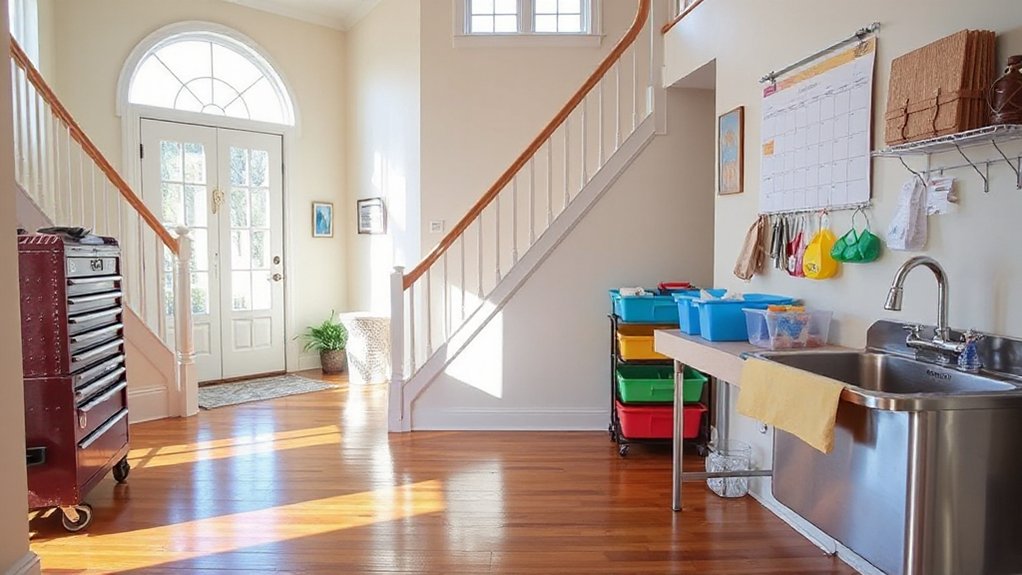
Creating a clean, efficient maintenance plan starts with listing routine tasks, assigning owners, and setting clear timelines so nothing slips through the cracks. You’ll detail daily, weekly, monthly, and seasonal duties, align them with tenant expectations, and build in reminders to prevent lapses. The goal is predictability, not guesswork, so your plan scales with turnover and weather shifts.
Include simple checklists, clear handoffs, and documented standards to track progress and budgeting.
- Define task owners and response times so repairs don’t stall.
- Schedule seasonal tasks like landscaping ideas and exterior upkeep for consistent curb appeal.
- Integrate pest control strategies into quarterly inspections and tenant guidance.
- Use a centralized calendar with automated alerts and a quick reporting workflow.
Stage Photos and Tours for Online Listings
Ever wonder how to make every square foot sing online? Stage photos and tours so viewers feel invited, not overwhelmed. Start with a clean, bright backdrop: open blinds, turn on lights, and declutter surfaces.
Shoot wide-angle with a steady, natural flow from room to room, highlighting key features like eat-in kitchens, storage nooks, and outdoor spaces.
For outdoor decor, stage a simple, cohesive vignette that hints at lifestyle without clutter. Capture high-quality shots of the exterior and entryway to boost curb appeal.
In tours, emphasize functional layouts and pet considerations, noting ease of cleaning, pet-friendly flooring, and accessible common areas.
Provide a short, honest floor plan and contact-ready notes to anticipate questions and speedika showing scheduling.
Highlight Space, Safety, and Compliance
What matters most online is how space actually reads and how safe it feels to live there. When you highlight space, safety, and compliance, you help renters picture themselves in the layout, flow, and feel of the townhouse. You should emphasize clear room dimensions, natural light, and functional storage, while noting accessible routes and durable finishes.
Mention required checks and responsible upkeep to reassure buyers you maintain high standards. Include fire safety measures and compliance details to show readiness for tenants and inspectors, and reference building permits where applicable to demonstrate legitimacy and diligence.
- Visualize open, well-lit living areas with logical floor plans.
- Highlight non-slip surfaces, smoke alarms, and easy egress routes.
- Call out fire safety features and maintenance schedules.
- Note any building permits and recent code-compliant improvements.
Gather Tenant-Ready Documentation

Gather the right documents upfront so renters can move quickly from viewing to signing. You’ll want a clean, organized packet that streamlines the process and signals professionalism.
Prepare a digitally accessible set of items: a standard rental application, consent for background and credit checks, and clear instructions for submission.
Include your Tenant screening criteria so applicants understand expectations up front.
Provide recent pay stubs or equivalent income verification, plus a current photo ID for identity confirmation.
Attach a sample Lease agreement with key terms highlighted to prevent delays.
Add rental references and previous landlord contact information, if available.
Make sure disclosures are complete and compliant with local laws.
Keep copies for your records and offer a secure, trackable submission method.
Create Turnkey Checklists for Future Rentals
Turnkey checklists streamline every vacancy by turning planning into a repeatable workflow. You’ll map tasks from move-in to move-out, assigning owners and deadlines so nothing slips. Build templates for inspections, cleaning, and repairs, and attach vendor contact info for quick dispatch. Clip any unnecessary steps, but keep essential landlord responsibilities clear, with milestones that track compliance and safety.
Include tenant screening criteria, background checks, and income verification, embedded in the process to reduce guesswork. Update the checklist after each turnover to reflect lessons learned and market shifts, like new regulations or common repair trends. Use these templates across units to maintain consistency and speed, while preserving quality and compliance.
- Pre-move-in inspection with punch list
- Standard cleaning and repair protocol
- Documentation and access provisioning
- Post-move-out review and remediation plan
Frequently Asked Questions
How Long Does a Turnover Project Typically Take From Start to Finish?
A turnover project typically takes 1–3 weeks start to finish. You’ll schedule landscaping improvements and paint touch ups in parallel, shop efficiently, and track progress daily to stay on trend, minimize downtime, and maximize rental appeal.
What Are the Top Budget Overruns to Watch For?
Satire aside, your top budget overruns are maintenance costs and security upgrades, so you’ll want contingency funds. You’ll track trends, detail every expense, and implement smart, cost-effective fixes that prevent creeping, unnecessary surprises in renovations and upkeep.
How Do I Verify Local Rental Compliance Requirements?
You verify local rental compliance by checking Neighborhood regulations and Licensing procedures, then document permits, renewals, and inspector requirements. You stay trend-conscious, practical, and thorough, aligning with codes while anticipating changes that could affect your property’s usability and insurance.
What Are Common Tenant-Preferred Amenities to Prioritize?
Pet-friendly policies and modern appliances top tenant priorities; you’ll attract longer leases by prioritizing durability and low maintenance, even if some applicants claim pets complicate everything. Emphasize easy-clean surfaces, energy-efficient units, and transparent pet guidelines.
How Can I Measure ROI for Each Upgrade?
You measure ROI by calculating incremental net cash flow, dividing by upgrade cost, and annualizing. Do cost analysis for each item, compare against rent uplift, and apply investment strategies to prioritize high-return improvements with tight payback periods.
Conclusion
You’ll balance polish with practicality, like pairing a sleek sofa with sturdy rails. You’ll spotlight curb appeal while safeguarding tenants, blending fresh exterior touches with solid safety upgrades. You’ll chase quiet efficiency—clear checklists, seamless turnover—without sacrificing personality in your space. Juxtapose luxury upgrades with budget-minded fixes, so attractively priced meets thoughtfully prepared. In short, plan, prep, and present: create a turnkey townhouse that’s as reliable as it is inviting, ready for current tenants and future ones alike.