


Your security is so fragile it could crumble at a rope trick—if you don’t act now. Start by auditing doors, windows, and lighting, then map out a simple plan for reinforced frames, sensible locks, and visible deterrents like CCTV. You’ll tighten entry points, boost visibility, and cut risk, but the real payoff comes from consistent routines and neighbor coordination that keep you one step ahead—a path you’ll want to follow as you build a safer home.
Start With a Baseline: Assess Your Urban Home Security
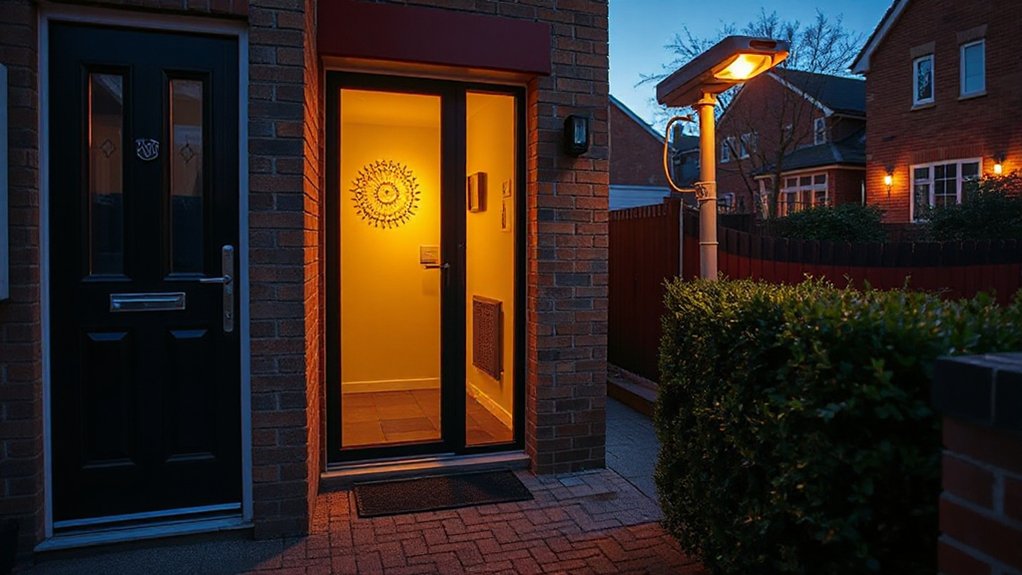
To start, you should establish a clear baseline of your urban home security by mapping out every entry point and current protection. Begin with doors, windows, and skylights, noting locks, alarms, and lighting. Include shared entrances, communal halls, and ground-floor vulnerabilities typical in urban layouts.
Assess existing systems: alarm panels, app alerts, camera coverage, and any monitoring services. Document physical barriers, such as reinforced frames or window films, and maintenance status.
Evaluate routine practices: who’s keys, delivery access, and overnight checking habits. Cross-reference with your Home insurance policy requirements and potential discounts for verified protections.
Check neighborhood watch involvement in your area and your participation level. Compile findings into a concise, actionable list, then prioritize improvements by risk and cost-to-benefit.
Upgrade Your Front Door: Hardware, Frame, and Safe Entry
Upgrading your front door starts with solid hardware, a reinforced frame, and a safe entry routine. You’ll choose a solid door material and a strike plate with long screws to anchor it into studs. Install a high-quality deadbolt with a minimum 1-inch throw, plus a reinforced latch guard to deter forced entries.
Consider a smart lock for keyless access, but pair it with a mechanical backup and tamper alarms. Guarantee hinges are secured and aligned to prevent jimmying, and use weatherproof seals to reduce wear that could compromise fitting.
For front porch security, mount a peephole or door viewer at eye level and position cameras where they cover approach angles without blind spots. Test entry flow, update codes regularly, and document maintenance for reliability.
Light Up Smartly: Outdoor Lighting That Deters Intruders
Motion sensor lighting should trigger promptly as you approach entry points, covering paths, doors, and potential blind spots.
Use timers and scheduling to guarantee lights illuminate at dusk and stay on for a predictable window, reducing false alarms and keeping visibility constant.
Balance brightness and coverage so you deter intruders without creating glare or wasted energy.
Motion Sensor Lighting
If you want to deter intruders effectively, install motion-activated outdoor lighting that covers entry points and approach paths with consistent, bright illumination.
Motion sensor lighting should startle and reveal, not blind, so choose adjustable sensitivity and a wide beam. Position lights to illuminate doors, gates, and windows without creating dark glare toward neighbors.
Use compatible, weatherproof fixtures and verify bulbs are long-lasting to reduce maintenance.
Pair lights with garden security practices—keep pathways clear, trim shrubbery away from entry points, and guarantee sightlines for cameras.
For window sensors, install near vulnerable ground-floor windows and side entrances, coordinating with lighting to deter attempts.
Regularly test motion zones and battery or mains connections to maintain reliable operation.
Timers and Scheduling
Short on-the-clock lighting is a powerful deterrent, so set outdoor lights to follow a consistent schedule that mimics natural human activity. Timers and scheduling reduce theft opportunities by ensuring lights turn on before dusk and off after dawn, preserving energy. Use programmable timers with randomization features to avoid predictability for intruders.
Create automated routines that align with your home’s routines: door activity, weekend late nights, and sensor-boosted responses when motion is detected. Specify zones for lawn, entryways, and pathways, and pair timers with smart plugs for retrofit flexibility.
Test schedules weekly, especially after clock changes or daylight saving. Document override procedures for guests or service visits. Keep backups and labeling clear to prevent misconfigurations. Consistent routines reinforce a lived-in appearance without constant manual control.
Brightness and Coverage
Use cool-white LEDs for clarity and consistent color rendering, avoiding glare near entrances. Assure Coverage areas extend at least 2–3 meters beyond thresholds to deter approach vectors.
Aim for even spacing to prevent gaps; stagger heights to reduce predictable shadows. Wire smart controls for adaptive brightness by time and occupancy, and integrate with a security system for alerts.
Test quarterly, recalibrate lumens, and document upgrades for future maintenance and upgrades.
Harden Entry Points: Doors, Windows, and Frame Upgrades
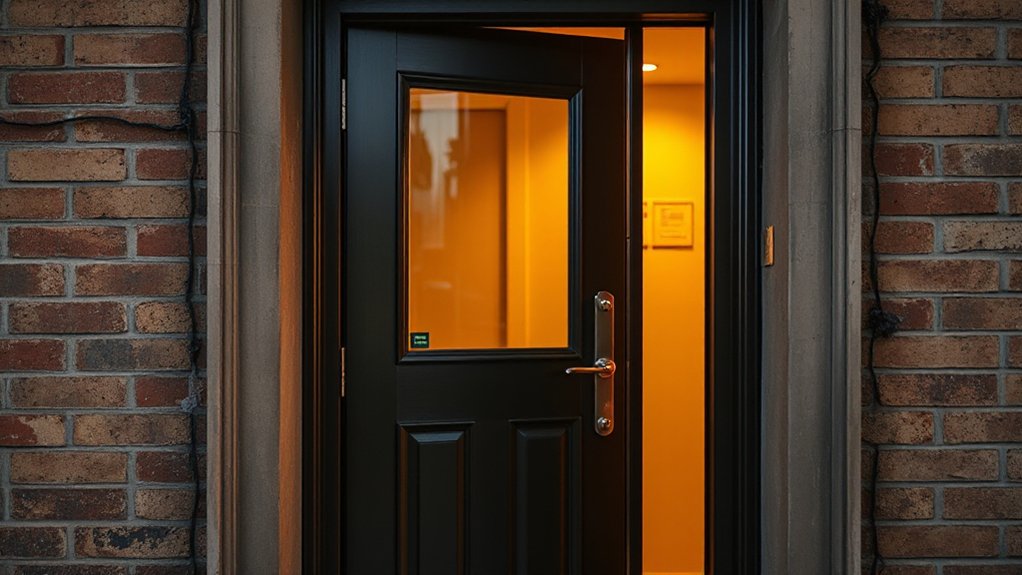
Upgrading entry points starts with solid, practical steps to deter intruders: reinforce doors, strengthen frames, and secure windows.
You’ll use reinforced doors with solid cores, steel hinges, and long screws that anchor into the frame. Check door alignment; add astragal strips for gaps under the door.
For frame upgrades, install reinforced strike plates and door jambs rated to resist kick-ins, and ensure screws penetrate studs, not only trim.
Window security means laminated glass or security film, and robust restrictors on opening sashes. Institute secondary devices like hinge bolts and keyed locks on basement or ground-floor access.
Use anti-lift window latches and consider a smart-lock system with tamper alerts. Regularly maintain fasteners and replace corroded hardware promptly to sustain long-term protection.
Door reinforcement and window security are foundational.
Build a Simple, Visible Deterrence Layer
A simple, visible deterrence layer starts with obvious cues that signal security without being intrusive. You position clear sightlines, well-lit approaches, and low-profile obstacles that slow access while guiding guests.
Use durable, conspicuous security signage at entry points and along external walls to communicate monitored property without shouting. Place signs where they’re legible from the street and near gates, doors, and garden paths.
Install motion lighting that activates promptly but isn’t blinding, ensuring offenders view constant surveillance cues without creating glare for neighbors.
Maintain tidy façades; overgrown hedges or fallen signage signals neglect.
Choose neutral colors and copy that states monitoring and alarm presence succinctly.
Test visibility from pedestrian and vehicle angles quarterly, replacing faded labels to sustain effective visible deterrence.
Smart Home Security: Cameras, Alarms, and Sensor Integration
Smart Home Security hinges on reliable cameras, alarms, and sensor networks that work together seamlessly. You should map which devices talk to which hub, then test each linkage weekly to guarantee lag-free responses.
Remote monitoring lets you view feeds and alerts from your phone, but confirm your provider supports end-to-end encryption and two-factor access.
For cameras, position aims to minimize blind spots, use wide-angle lenses, and enable motion zones to reduce false alerts.
Alarms require audible signals and cottage-stable silent notifications to your app; confirm tamper alerts are active.
Sensor integration matters: door/window sensors, motion detectors, and glassbreak sensors must synchronize with the control panel.
Regular sensor calibration keeps sensitivity accurate, preventing false alarms and missed events while maintaining reliable, proactive protection.
Perimeter Awareness in Flats: Fencing, Boundaries, and Access Control
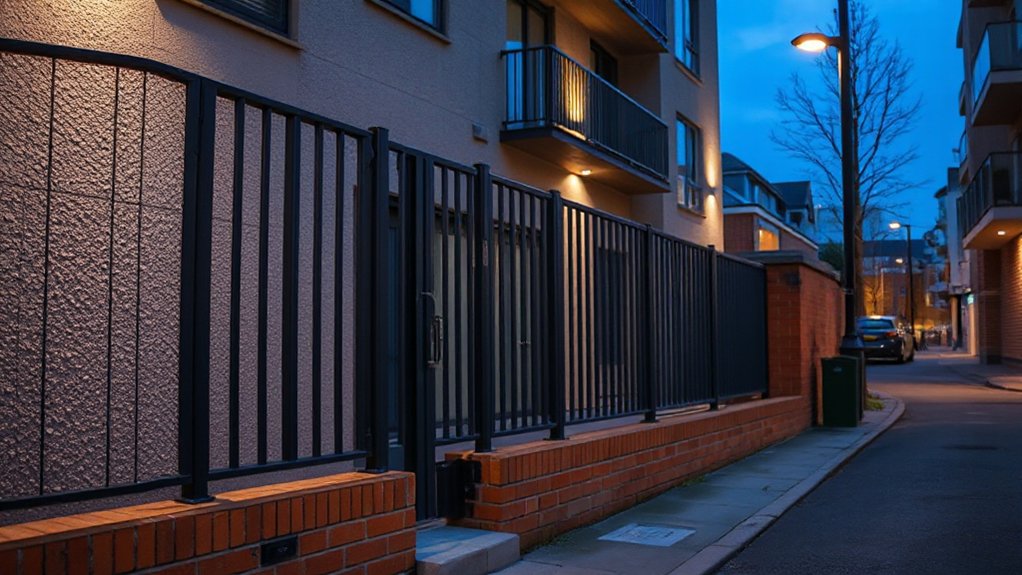
You’ll start by surveying your flat’s boundaries and fencing to guarantee clear, legible markers and no gaps that small hands or pets could exploit.
Implement focused access controls at entry points—code or keyless systems, monitored intercoms, and controlled stair access—to deter unauthorised entry.
Keep the perimeter tidy and well-lit, with visible sensors or cameras that reinforce guidance and quick incident awareness.
Fencing And Boundaries
- Garden barriers that deter tampering yet please the eye
- Boundary markers placed at consistent intervals for clarity
- Gates that lock, swing freely, and auto-close
- Visible, durable materials resistant to corrosion and rot
- Clear sightlines to monitor access points without creating blind spots
Access Control Measures
What practical steps tighten perimeter awareness in flats? You implement strict access control measures that deter opportunists and reduce risk.
Begin with clear boundaries: install visible, well-maintained fencing and numbered, lit entry points to cue residents and visitors.
Use controlled access systems at every common door, with audit trails so you can review entries after incidents.
Prioritize layered protection: door hardware rated for apartment living, reinforced frames, and secure mail locations to prevent tailgating.
For cyber threats, shield networks supporting entry systems with strong, unique credentials and regular software updates.
Consider biometric access where appropriate, ensuring backup keys and a rapid revocation process.
Train residents on reporting anomalies, and keep a log of access events to identify patterns and respond promptly.
Communal Practices for Flats and Shared Buildings
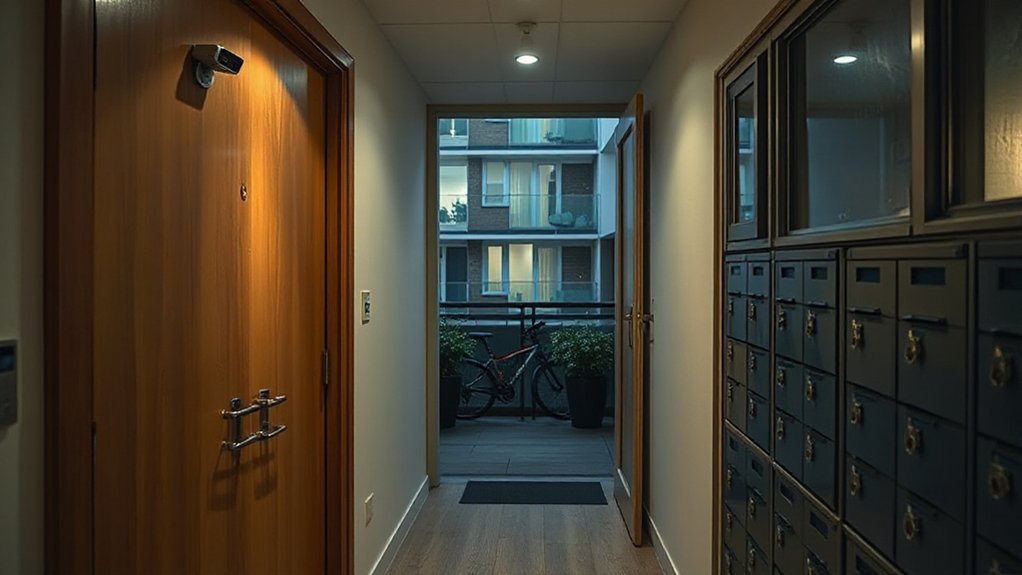
In flats and shared buildings, establish clear communal security routines that everyone follows. You’ll create predictable, repeatable actions that reduce risk and confusion, reinforcing a culture of vigilance. Focus on visibility, accountability, and communication to maintain consistent protection across all communal areas.
Maintain up-to-date contact lists for residents and building management, and guarantee everyone knows how to report issues promptly. Use shared hallway protocols to coordinate access, monitor entry points, and log incidents without blame.
Cultivate communal security awareness through regular, brief briefings and accessible reminders. Implement simple, enforceable rules that deter opportunistic crime and help occupants feel responsible for one another’s safety.
- Clear, posted access procedures for all entrances
- Regular security drills and briefings for residents
- Consistent reporting channels and response times
- Visible signage and lighting updates in common areas
- Neighborly check-ins during absences
Nightly Routines That Stop Burglars in Their Tracks
Nightly routines deter burglars by closing gaps in security before you sleep. You start by checking all entry points: doors, ground-floor windows, and any accessible skylights. Lock deadbolts firmly, test multipoint mechanisms, and engage window locks, then set internal alarms if you have them.
Remove key laxity by returning keys to a secure place and disable any door-to-gate delays. Next, turn on exterior lighting and ensure motion sensors cover paths to the door, garage, and rear access.
Review your smart devices: disable unattended alarms, confirm app notifications, and verify camera views. Quietly verify valuables aren’t visible from outside and store them out of sight.
Maintain a routine log to reinforce nightly security and bolster burglar prevention.
Budget-Friendly Upgrades You Can Do This Weekend
You can start with quick, budget-smart upgrades this weekend that noticeably raise your home’s security.
Prioritize practical fixes like reinforcing door frames, upgrading outdoor lighting with motion sensors, and adding a simple camera or doorbell system that fits your budget.
These actions are actionable, name specific items, and set the stage for deeper weekend improvements.
Weekend Security Upgrades
If you’re short on time but want realSecurity bumps, start this weekend with quick, budget-friendly upgrades that deter common break-in tactics. You’ll tighten entry points, illuminate shadows, and signal vigilance without high costs, keeping you safer as you unwind.
Focus on visible deterrents: improve door and window framing, add strike plates, and test latches. Use clear security signage to advertise vigilance, and pair it with a neighborhood watch mindset to amplify deterrence.
- Replace weak cylinder guards and install reinforced strike plates
- Add motion-activated exterior lighting along entry paths
- Seal gaps around doors and windows with affordable draught stoppers
- Install a doorbell cam or smart camera at principal access
- Post security signage and coordinate brief neighborhood watch checks
Budget-Smart Home Improvements
Even on a tight schedule, you can make meaningful, budget-friendly upgrades this weekend that bolster security and energy efficiency without breaking the bank. Start with door and window seals: replace worn gaskets, add weatherstripping, and install door sweeps to cut drafts and deter intruders.
Next, focus on visibility and monitoring: install a smart doorbell or motion-activated light, then position cameras to cover blind spots without costly rewiring. For ease, choose wireless devices that integrate with your existing router and app.
Consider simple home automation tweaks—schedule lights and sensors to create the appearance of occupancy. Tap into neighborhood watch by sharing access windows with trusted neighbors and coordinating alerts.
Finally, upgrade CFL or LED bulbs to reduce energy use while maintaining clear visibility.
Legal Considerations and Privacy in UK Security
In the UK, security measures in homes must balance effective protection with residents’ privacy and legal rights. You’ll align safety goals with legal compliance, ensuring camera placement, data handling, and access logs respect privacy protection rules.
Assess systems for lawful processing, informing household members about data collection, retention periods, and purposes. Choose devices with strong encryption, transparent terms, and clear retention policies to minimize exposure.
Regularly review permissions for installers and third parties, documenting consent and purpose limits. Implement privacy-by-design features, such as restricted monitoring zones and secure local storage.
Stay aware of surveillance sensitivities in shared buildings and comply with housing association guidelines. Maintain clear incident response plans, including data breach notification steps and user-friendly dispute channels.
- Visible, lawful camera placement that respects neighbors
- Transparent data notices and retention schedules
- Encrypted, locally stored footage with access logs
- Consent-based third-party access controls
- Regular privacy impact assessments and audits
Frequently Asked Questions
How Often Should I Audit My Home Security Baseline?
You should audit your home security baseline quarterly, then after any major change or alert. Regular risk assessment keeps you proactive, updating devices, access controls, and routines to maintain solid home security and resilient defense. Stay consistent.
Which Door Hardware Offers Best Anti-Snap Protection?
First, yes, door reinforcement and lock upgrading offer the strongest anti-snap protection. You should upgrade to a certified anti-snap lock and reinforce the door frame; use steel strike plates and security screws for ideal, practical protection.
Can Outdoor Lights Trigger False Alarms at Night?
Yes, outdoor lights can trigger false alarms at night if motion sensors or light sensors misread; adjust sensitivity, use time-based lighting, guarantee shielding to deter glare, and pair with cameras to verify activity before sounding alarms.
What’s the Ideal Camera Placement for Flat Entrances?
Place cameras at eye level, angled 15–45 degrees toward the entrance, to optimize facial visibility. Use a wide-term shot for context, ensuring entrance visibility from your main hallway. Balance lighting and avoid glare; test angles nightly.
Are There Legal Limits to Surveillance in Shared Buildings?
Yes, there are legal limits to surveillance in shared buildings; you must balance security with tenant privacy and legal compliance. About 60% of offenses rise in shared spaces when cameras invade private areas, avoid those targets.
Conclusion
Small chances collide with big outcomes: you lock your door just as a thief happens to stroll past a dimly lit street. Your front door isn’t just hardware—it’s a shield that, paired with smart cameras and visible alarms, nudges intruders toward easier targets. Morning routines and quiet neighborhood watches sync like clockwork, turning random risk into predictable safety. When the lights snap on and gates click shut, your urban home feels less exposed and far more secure.