


When you approach an older terraced home in Bristol, you’ll apply a structured, technical checklist to each stage—from exterior fabric to party-wall responsibilities—so you can quantify risk and outline fixes before you commit. Every step narrows the unknown: timber and brick clues, damp signs, roof and gutter health, wiring safety, and planning constraints. You’ll document findings, compare against typical repair costs, and assess negotiation leverage—but the true implications only reveal themselves as you proceed deeper into the details.
How to Inspect an Older Terraced Home on a Viewing

When you’re inspecting an older terraced home on a viewing, start with a structured exterior assessment to identify any obvious defects before you move inside. Begin at the façade, noting brick integrity, mortar deterioration, and any veneer delamination.
Inspect roof lines for missing tiles, sagging fascia, and gutter blockages, then confirm damp-proof course continuity and visible wall tie condition.
Assess window and door frames for rot, misalignment, and glazing gaps that hint at failed seals.
Inside, verify stair alignment, floor levelness, and plaster crack patterns for settlement indicators.
Document electrical and plumbing accessibility, focusing on era-appropriate wiring and pipe insulation.
Prioritize Historic preservation considerations and estimate Renovation costs for remedial work, providing a concise risk profile and actionable mitigation steps to guide an informed viewing decision.
Exterior Checks You Can Do in Minutes
From the exterior inspection you’ve just outlined, you can rapidly verify key conditions without entering the home. Begin with boundary walls and fences: look for leaning sections, cracking pointing, or mortar gaps that signal structural movement.
Inspect roofline edges from ground level for slipped or missing slates and verify fascia boards aren’t warped. Check downpipes and guttering for misalignment, blockages, and signs of overflowing water at junctions.
Examine garden landscaping for drainage cues, such as water pooling near foundations or compacted soil that may impede infiltration.
Assess driveway conditions: surface cracking, spalling concrete, or displaced slabs that could worsen with freeze–thaw cycles. Note any vegetation encroachment onto the path, as roots can undermine pavement.
Conclude by logging clear photos and marks for follow‑up inquiries.
Inside: Timber, Brick, and Damp Clues to Read
You’ll assess structural health by systematically inspecting timber framing, brickwork, and signs of damp, starting with visible timbers for signs of decay, infestation, or unexpected staining. Then move to brick joints for cracking, efflorescence, or failed mortar. Finally, evaluate humidity indicators such as watermark halos, plaster cracking, and brick damp patches to map potential remedial priorities.
In timber deterioration, check for rot pockets, fungal staining, and insect galleries. Trace moisture paths from concealed voids to load-bearing members.
Assess brickwork for spalling, loose or failed mortar, and efflorescence patterns that signal moisture migration.
Damp detection hinges on surface dampness, condensation patterns, and rising damp indicators behind skirting, with attention to stoppages or damp-proof course integrity.
Document findings with precise notes to guide costed remediation planning and future inspections.
Party Walls and Boundaries: What Shared Responsibility Means
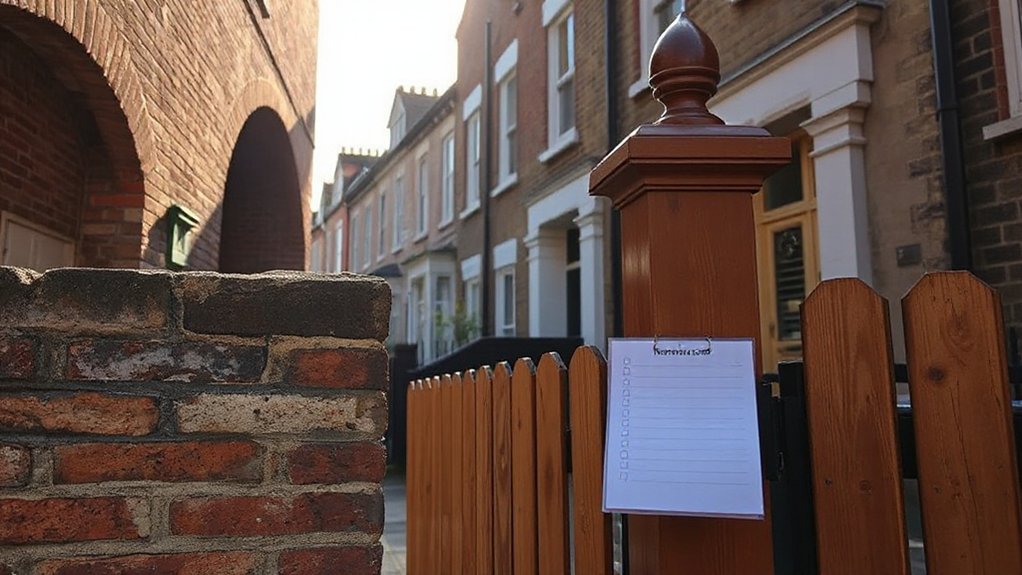
Shared wall obligations and boundary maintenance responsibilities can be clarified upfront by confirming who owns and owns responsibility for each element, from cracks to shared fixtures.
You’ll want to identify the party wall award, access rights for surveys or repairs, and any notice periods that trigger work or cost sharing.
This discussion sets a practical framework for how you and your seller or neighbor will coordinate maintenance, consent, and dispute resolution going forward.
Shared Wall Obligations
When you own or occupy a terraced home, understanding shared wall obligations is essential, because party walls and boundary arrangements determine who’s responsible for maintenance, repairs, and legal notices. You’ll reference the Party Wall Act where applicable and confirm notice timing with neighbours to avoid disputes. Clear documentation helps.
- Identify affected walls and property lines
- Confirm party wall agreements and signatures
- Schedule joint inspections for maintenance needs
- Record responsibilities for costs and remedy steps
Key terms to track include shared wall obligations and boundary maintenance, ensuring you know whether you’re responsible for structural integrity, service installations, or cosmetic repairs.
Maintain written communications, store notices, and consult a surveyor for ambiguous sections. Proactive planning minimizes conflicts and supports timely compliance with statutory requirements.
Boundary Maintenance Responsibilities
Boundary maintenance in terraced homes hinges on clearly defined responsibilities for party walls and boundary lines. You’ll need to identify, in writing or deeds, who maintains shared structures and who funds repairs.
Typically, party walls belong to both owners, with mutual rights to access for upkeep, but formal notice may be required before works. Check the boundary lines to confirm whether any fencing or gates fall under your land or your neighbour’s, and confirm whether fencing maintenance costs are shared or unilateral.
Look for any existing party wall agreements, covenants, or schedules that specify notice periods, dispute resolution, and access rights. If you encounter boundary disputes, document evidence, seek technical surveys, and consult a solicitor early to avoid delays.
Roof, Gutters, and Fascia: Quick Maintenance Wins
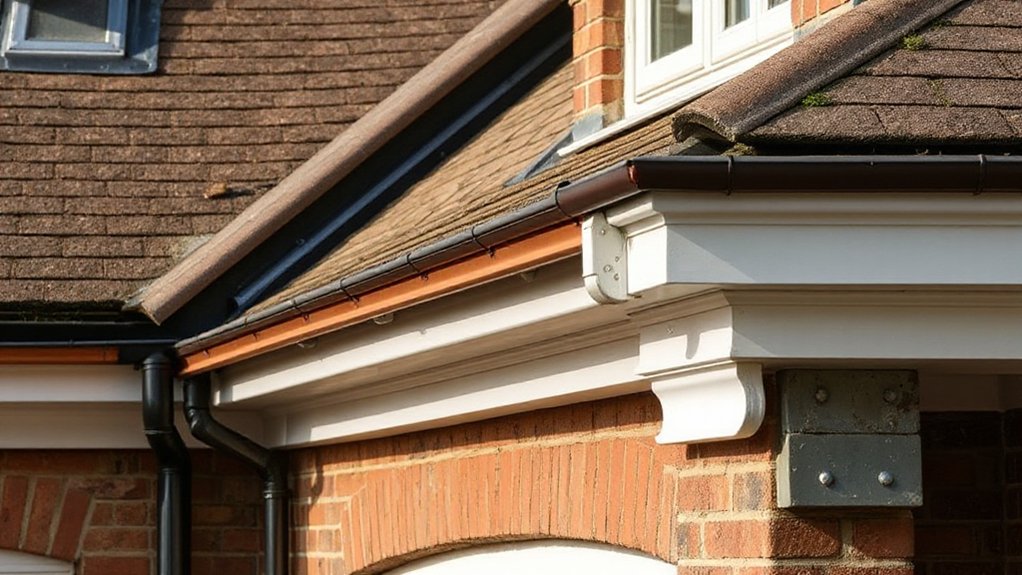
Start with a quick, practical assessment: inspect the roof surface for missing or damaged tiles, signs of curling edges, or lifting felt, and check gutters and fascia for blockages, rot, or loose hangers.
1) Confirm gutter clearance and remove debris, ensuring downpipes are clear to prevent backflow.
2) Assess fascia repair needs, noting cracked boards, nail heads, or weathered finish; plan targeted fixes before further deterioration.
3) Inspect roof edge details, reseating loose tiles, resealing flashing, and addressing minor leaks with temporary sealant where appropriate.
4) Evaluate overall water management, testing rainfall response, and sealing joints to minimize future ingress.
Focus on documenting findings, prioritizing urgent repairs, and scheduling professional assessment for structural concerns.
Utilities and Wiring: Safe, Up-to-Date, Ready to Scale
You’ll assess the electrical system’s age and labeling to determine code compliance and potential upgrade needs.
You’ll verify visible wiring for insulation integrity, conduit protection, and junction box accessibility, noting any signs of overheating or damage.
You’ll plan for scalable capacity by calculating feeder loads and noting available headroom for future circuits.
Electrical System Age
Electrical systems in older terraced homes can be a hidden risk if not properly evaluated. You’ll assess age, materials, and upgrade history to gauge safety margins and future load needs. Expect evidence of outdated insulation, cloth or rubber wiring, and non-compliant circuit layouts.
Focus on electrical wiring quality, junction accessibility, and potential fire hazards. Document meter and fuse box safety, noting labeling, fusing type, and service capacity. Identify signs of moisture intrusion near panels and aged enclosures, which can compromise performance.
Plan a targeted assessment checklist and reserve a qualified electrician for confirmation before exchange.
- Verify main service size and fuse box condition
- Check wiring type, insulation, and accessibility
- Inspect for corrosion, moisture, and panel tightness
- Confirm upgrading history or planned improvements
Wiring Safety Checks
Inspect cable routes for secure containment, avoiding exposed conductors, and verify older cloth-insulated wiring has been upgraded where present. Look for signs of overheating, such as discoloration or melted insulation, and test sockets for polarity and earth continuity.
Examine earthing arrangements, confirming a solid connection to the building’s earth system and adequate bonding where required. Document any Electrical hazards and evaluate wiring upgrades in the context of future load, such as EV charging or supplementary heating.
Conclude with a concise plan detailing improvements, prioritizing safety, compliance, and scalable capacity.
Planning Permissions and Local Rules You’ll Need to Know
Planning permissions and local rules govern what changes you may legally implement in a terraced home, so start by mapping exactly which alterations require consent and which don’t. You’ll assess planning permissions and Local regulations before any work begins, reducing risk of enforcement or fines. Document reputable sources, including Bristol City Council guidance, to verify thresholds and appeal options.
- Identify every alteration that needs consent (structural, extensions, altering front elevations).
- Distinguish permitted development rights versus required applications.
- Check local conservation area or listed status implications, if relevant.
- Establish a clear approval pathway, timelines, and potential conditions.
This approach keeps projects compliant, minimizes delays, and informs cost budgeting.
Negotiating and Next Steps After a Viewing
After viewing, you should start negotiating promptly and map clear next steps to avoid delays: confirm your interest level, set a floor price with a realistic buffer, and outline a due diligence checklist (fixtures, fittings, structural concerns, and any required disclosures).
Begin with a factual bid assessment, documenting comparable values and timing constraints.
Employ Negotiation tactics that prioritize information gathering, counter‑offers, and conditionality.
Define offer strategies that cover price, inclusions, and repairs, while preserving exit options if due diligence uncovers material issues.
Request seller disclosures early, secure access for surveys, and establish a milestone calendar for responses.
Maintain written records of all communications, and avoid unilateral commitments.
Conclude with a provisional agreement contingent on survey results and contract completeness.
Proceed to formalize with a solicitor and viva voce confirmation.
Frequently Asked Questions
What Is the Typical Cost to Renovate an Old Terraced Home?
A typical renovation costs 40,000 to 120,000 pounds, depending on scope. You’ll factor in home insurance and renovation budgeting, plus structural work, plumbing, electrical, and finishes; plan contingencies of 10–20% for unforeseen issues.
How Long Does a Typical Viewing Take for These Homes?
Like a quiet prelude, you’ll spend about 30–40 minutes per home. You assess Property history and Neighborhood amenities, documenting details methodically, and you’ll move on when the facts satisfy your criteria and questions are answered.
Are There Common Legal Disputes With Neighboring Terraced Properties?
Common legal disputes include boundary disputes and party wall issues. You should review boundary lines, confirm party wall agreements, and document any deviations; consult a surveyor, notify neighbors, and guarantee compulsory compliance with the Party Wall etc. Act.
What Are Hidden or Unusual Maintenance Issues to Watch For?
Hidden or unusual maintenance issues you should spot include hidden structural issues and unusual plumbing problems. You methodically inspect foundations, walls, and pipes, documenting signs, leaks, or dampness, and verify permits, repairs, and timing to avoid costly, overlooked defects.
How Do I Estimate Ongoing Running Costs for Older Terraces?
You’ll treat the home like a car’s engine: estimate energy efficiency, project insulation upgrades, and calculate ongoing costs via utility history, appliance loads, and seasonal variations; then build a methodical budget with contingency for maintenance and unpredictable spikes.
Conclusion
In short, you’ve got a clear workflow: verify structural integrity, verify shared boundaries, and confirm utilities meet current standards, all while noting planning constraints. Keep a concise log and photos for each item, then prioritize repairs by safety first and cost impact. One striking stat: terraced homes in Bristol show 28% higher risk of damp-related repairs compared to detached equivalents, largely from brickwork age and party-wall moisture transfer. Use that to negotiate and plan inspections with precision.