

It’s necessary to weigh the pros and cons of replacing your own toilet versus hiring a plumber before making a decision. You might save money and gain satisfaction from a DIY project, but the potential for costly mistakes and extensive repairs could outweigh those benefits. On the other hand, hiring a professional ensures expertise and efficiency but comes at a higher price. This article will guide you through the factors to consider, helping you determine the best approach for your specific situation.
Understanding Toilet Replacement
Replacing a toilet involves removing the old unit and installing a new one, which can impact your bathroom’s functionality and aesthetics. Knowledge about toilet replacement helps you make informed decisions, whether you choose to DIY or enlist professional help. Understanding the different stages of replacement, including measuring the space and ensuring proper plumbing connections, ensures a smoother process.
Common Reasons for Replacement
Several factors may lead you to replace your toilet. These include the need for an upgrade, persistent leaks, or issues with flushing efficiency. Cracks in the porcelain, outdated designs, or simply wanting a more environmentally friendly option can also motivate your decision to replace.
Types of Toilets Available
When considering a new toilet, you have several options. Standard toilets generally use about 1.6 gallons per flush, while dual-flush models allow you to select a low or high flush option, conserving water. Wall-mounted toilets save space and are easier to clean, while smart toilets offer advanced features such as seat warmers and automatic flushing. Selecting the right type depends on your preferences, budget, and bathroom layout.
| Type of Toilet | Features |
|---|---|
| Standard Toilet | 1.6 GPF, affordable |
| Dual-Flush Toilet | Water-saving options, 0.8 or 1.6 GPF |
| Wall-Mounted Toilet | Space-saving design, easy cleaning |
| Smart Toilet | Advanced features, bidet functions |
| Compact Toilet | Ideal for small bathrooms, shorter height |
- The right choice ultimately enhances your bathroom’s efficiency and style.
In addition to conventional choices, innovative options such as composting toilets and high-efficiency models are gaining popularity. Composting toilets turn waste into compost, making them environmentally friendly for sustainable living. High-efficiency toilets use less water than traditional models, which can significantly cut down on water bills. It’s important to evaluate factors like water usage, space, and design aesthetics when making your decision.
| Innovative Toilet Type | Benefit |
|---|---|
| Composting Toilet | Eco-friendly, no plumbing needed |
| High-Efficiency Toilet | Reduces water usage, lowers bills |
| Bidet Toilet Combo | Enhances hygiene, water-saving features |
| Pressure-Assisted Toilet | Powerful flush for clogged situations |
| Smart Bidet Toilet | Luxury features, increased comfort |
- The variety available ensures you can find a toilet that fits both your needs and lifestyle.
Benefits of Replacing Your Own Toilet
Choosing to replace your own toilet can bring several advantages, enhancing both your home and personal satisfaction. You gain the opportunity to customize your selection to fit your style and needs while learning valuable DIY skills. This hands-on project not only saves you money but also instills a sense of pride in accomplishing a significant home improvement task.
Cost Savings
By replacing your toilet yourself, you can save hundreds of dollars in labor costs typically charged by plumbers. The average toilet installation cost ranges from $125 to $300, depending on your location and the complexity of the job. Doing it yourself means you’ll only need to invest in the new toilet and minimal tools or materials, making it a budget-friendly option.
Sense of Accomplishment
Completing a toilet installation on your own can deliver a rewarding sense of accomplishment. Successfully navigating the challenges of plumbing gives you confidence in your DIY abilities. Each step, from disconnecting the old unit to securely positioning the new one, teaches you more about home maintenance. This newfound knowledge can empower you to tackle future projects with greater ease and assurance.
When you finish replacing your toilet, you’ll likely stand back and appreciate your work, knowing you took on a project many would shy away from. This feeling of satisfaction not only boosts your confidence in tackling household tasks but also encourages a proactive attitude towards home repairs. As you develop your skills, you become less reliant on professionals for future tasks, potentially enhancing your overall homeownership experience.
Drawbacks of DIY Toilet Replacement
While replacing your own toilet has its merits, several drawbacks warrant consideration. Choosing to go the DIY route can lead to unforeseen complications, added labor, and potential expenses that could outweigh the initial savings. It’s imperative to weigh these factors against your skills and time availability before deciding if DIY is the best approach for you.
Time and Labor Involved
Replacing a toilet may seem straightforward, but it can consume more time and labor than you anticipate. You’ll need to allocate several hours, if not a whole day, to successfully remove the old fixture, make necessary adjustments, and install the new one. Factors like age, plumbing condition, and prior experience can significantly impact the duration of the project.
Potential for Mistakes
Even small missteps in toilet replacement can lead to significant issues, such as leaks or improper installation. For instance, damaging the wax seal during installation can result in water damage and costly repairs. You might also struggle to align pipes or bolts correctly, leading to malfunction or instability. These mistakes not only create stress but can also necessitate hiring a plumber, negating any savings made from the DIY effort.
Advantages of Hiring a Plumber
Hiring a plumber carries several advantages that can alleviate stress and ensure quality work. Their experience can save you from costly mistakes, providing peace of mind that the job is done right. Plumbers also have access to specialized tools and knowledge regarding local codes, ensuring your installation meets all necessary regulations.
Professional Expertise
When you hire a plumber, you benefit from their professional expertise, which can greatly reduce the risk of errors. Their training equips them with the skills to diagnose issues quickly, preventing potential complications that an untrained person might overlook. You’ll have confidence that the installation adheres to industry standards, ensuring safety and functionality.
Time Efficiency
Plumbers can complete the installation much quicker than you might on your own. Experienced professionals typically take a fraction of the time, given their familiarity with common pitfalls and quick solutions. What may take you hours or even days could be resolved in a couple of hours by a skilled plumber.
This time efficiency not only minimizes disruption in your household but also allows you to focus on other important tasks. For example, while a plumber replaces your toilet in about 1-2 hours, you could use that time for family, work, or other crucial home projects. Their ability to handle unforeseen problems swiftly means you won’t be left scrambling to fix issues, further streamlining the entire process.
Disadvantages of Professional Services
While hiring a professional plumber offers peace of mind, it comes with several notable downsides that may impact your decision-making process.
Higher Costs
Opting for professional services typically means paying significantly higher fees compared to a DIY approach. Labor costs can vary, but on average, you may spend anywhere from $100 to $300 for installation alone, not including the toilet’s price. With unexpected service charges and possible overtime fees, your total expenses could easily exceed your budget.
Scheduling and Availability Issues
Finding a convenient time for a plumber can be challenging, especially during peak hours or weekends. Many plumbing services require advance scheduling, and you might have to wait days or even weeks for an available appointment. This delay can lead to prolonged inconvenience, particularly if your current toilet is malfunctioning or inaccessible.
Additionally, emergencies can significantly complicate scheduling. Plumbers may prioritize urgent situations, leaving you to navigate your daily routines without a functioning toilet. During busy seasons or bad weather, wait times may increase, forcing you to adjust your plans while dealing with a plumbing issue. This lack of immediate availability adds stress and frustration, making the DIY route more appealing for those who prefer to take control of their installations on their own timeline.
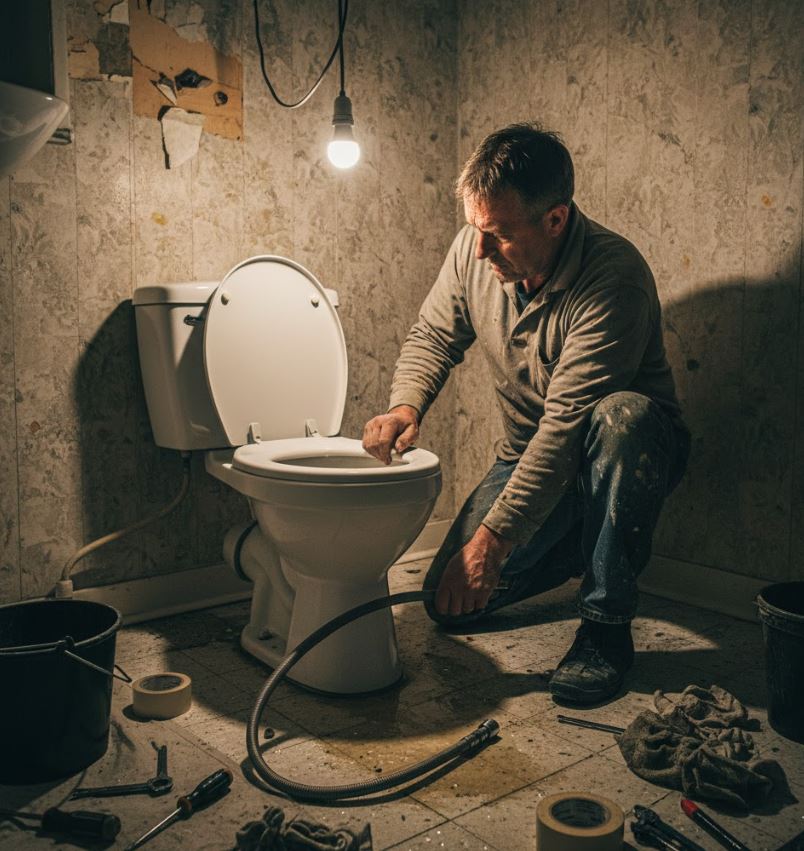
Factors to Consider Before Making a Decision
Before deciding between replacing your own toilet or hiring a plumber, consider several key factors that can influence your choice. These include your skill level, the complexity of the installation, your budget, time constraints, and the potential for unexpected issues during the replacement process.
- Skill level and experience
- Budget constraints
- Time available for the project
- Potential plumbing complications
- Warranty and guarantees on workmanship
Any of these factors can significantly impact the final decision.
Skill Level and Experience
Your skill level and experience with plumbing projects play a vital role in determining whether you should tackle the toilet replacement or hire a plumber. If you have some DIY experience, basic plumbing knowledge, and confidence in your abilities, you may be well-equipped to handle the task. However, if you’re unfamiliar with plumbing systems or lack the necessary tools, it’s wise to consult a professional.
Budget Constraints
Budget considerations are necessary when deciding to replace your toilet yourself or hire a plumber. While DIY projects can save you significant labor costs, you must weigh this against potential hidden expenses from mistakes or mishaps that may arise if you’re inexperienced. Plumbers typically provide a clear estimate, which can assist you in comparing costs and deciding the most financially viable option.
In-depth budgeting involves not just the price of the toilet and installation tools if you go the DIY route, but also considering plumbing supplies, potential repairs for errors, and time off work if necessary. Hiring a plumber, while often more expensive upfront—averaging between $50 and $150 per hour—can provide assurance and reduce risks of costly plumbing issues down the line. Analyze the overall financial impact of both options before proceeding.
To wrap up
Presently, weighing the pros and cons of replacing your own toilet versus hiring a plumber is important in making an informed choice. By opting to DIY, you can save money and gain personal satisfaction; however, you may encounter challenges if you’re inexperienced. Hiring a plumber offers expertise and efficiency but typically comes with a higher cost. Ultimately, your decision should align with your confidence in handling the task and your budget considerations. Assess your skills and resources to decide what best suits your needs.