


If you want a quick UK sale with solid returns, start by nailing curb appeal and a calm interior: fresh paint in neutral tones, tidy landscaping, and a lit, inviting entry. Budget smartly, target high-impact surface refreshes, and declutter for a spacious feel. Prioritize natural light and quiet spaces, smooth layout tweaks, and transparent disclosures. Get these basics right, and you’ll create instant appeal that persuades buyers—yet plenty still to optimize before you list. Where will you begin first?
Pinpoint Quick Curb-Appeal Wins That Sell Fast
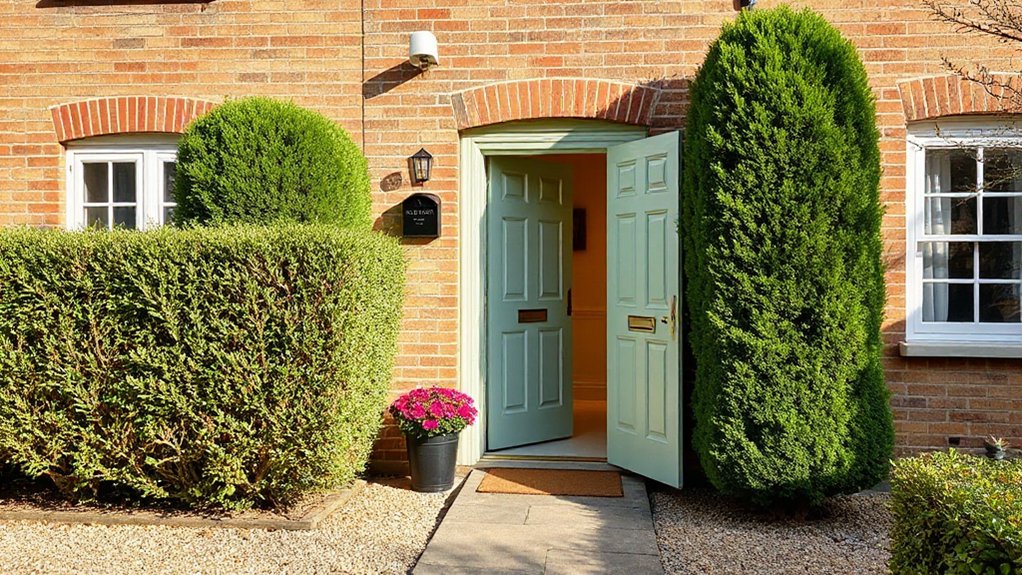
Sprucing up curb appeal doesn’t have to break the bank. You’ll target quick wins that buyers notice first, without overhauling the entire exterior.
Begin with clean, well-defined entry points: a fresh door color that complements brick, clear house numbers, and modern lighting to extend usable hours of curb presence.
Prioritize low-cost garden landscaping tweaks—mulch beds, edging, and drought-tolerant perennials—to create color contrasts that sell.
Tidy gutters, a trimmed lawn, and pressure-washed path surfaces boost perceived value instantly.
For energy efficiency, install a draft-proof letterbox seal, seal obvious gaps around windows, and add a compact, insulated door sweep.
Focus on high-impact visuals: a neat, inviting front porch, cohesive plantings, and deliberate spacing that guides buyers’ eyes toward the home’s best features.
Set a Rapid-ROI Budget for Your UK Home Sale
After you’ve nailed those curb-appeal wins, it’s time to lock in a rapid-ROI budget that keeps your sale moving without overspending. Your approach should be disciplined: set a clear cap on improvements, prioritizing high-ROI updates like minor landscaping, fresh paint, and decluttering.
Use Budget planning to allocate funds by phase, not by impulse, and build in a 10–15% contingency for unexpected costs. Establish market timing benchmarks—listings go live when you’re within two weeks of peak buyer activity and price sensitivity is highest.
Track daily expenditures against a simple worksheet, adjusting only if market signals shift or a proven quick-win emerges. Avoid overinvesting in features buyers rarely value; preserve capital for negotiations and closing costs.
Precision budgeting fuels faster, profitable, low-risk sell-through.
Do a 60-Minute Refresh: Fastroom Makeovers
If you’ve only got 60 minutes, focus on a quick room refresh that yields perceptible impact. Tackle one high-visibility area with time-efficient makeovers—think fresh paint touch-ups, updated hardware, and bright, clutter-free surfaces.
Quick Room Refresh
A quick 60-minute room refresh can dramatically improve feel and function without a full renovation. You’ll start with a tight plan: choose one wall as the focal point, declutter, and swap 2–3 small accents rather than redoing large areas.
Use color psychology to choose a cohesive palette that brightens the space—soft neutrals with a single bold accent helps rooms feel larger and calmer.
Prioritize high-impact, low-cost changes: fresh white trim, clean surfaces, and updated lighting to amplify natural light.
Revisit furniture arrangement to improve flow; angle a sofa to open walkways or float a chair to create dual seating zones without crowding.
Refresh textiles with inexpensive throws and cushions for texture, then test the overall balance from multiple angles.
Time-Efficient Makeovers
DIY upgrades can refresh walls with a single coat of neutral, durable paint and swap tired hardware for brushed nickel or matte black to lift the space without big spend. Tidy, decluttered surfaces read as spacious, so remove excess furnishings and misaligned frames.
Use budget strategies such as repurposing bargains into focal points—potted greenery, a refreshed backsplash, or a new lampshade. Quick re-cuts, weatherstripping, and brighter bulbs can cut perceived rough edges.
Track costs, time, and results to repeat successful, low-cost tweaks across properties.
Update Key Surfaces for Big Visual Impact
Revitalizing cabinet faces and invigorating wall surfaces can dramatically change a room without a full reno. Start with cost-effective updates like repainting frames, replacing hardware, or using peel-and-stick options for a clean, high-contrast look.
Plan the budget first, measure precisely, and choose durable finishes that stand up to daily use.
Refresh Cabinet Faces
When you refresh cabinet faces, you upgrade the room’s look with minimal disruption and cost. You can achieve a noticeable update without a full remodel by focusing on surfaces that buyers notice first.
Begin with Cabinet painting for a cohesive finish: pick a durable, washable enamel in a neutral tone that complements nearby counters and flooring. Prepare by cleaning, light sanding, and applying painter’s tape to edges.
If you’re on a tighter budget, Face replacement of cabinet doors or panels only can deliver dramatic impact without replacing the entire unit. Use high-quality hinges and soft-close mechanisms to boost perceived value.
Keep doors aligned, gaps even, and finishes uniform. Document the project for buyers, emphasizing value, workmanship, and low maintenance.
Freshen Wall Surfaces
Ever wondered how to deliver a room-changing effect without a full remodel? Freshen wall surfaces with practical steps that pay off.
Begin with a thorough surface cleaning to remove dirt, grease, and fingerprints, using a mild detergent solution and a soft sponge. Rinse, then let dry completely.
Inspect for flaws, then repair small cracks or holes with appropriate filler. Lightly sand until smooth, dusting between passes.
Choose a quality wall paint and apply a single crisp coat to create uniform tone and brightness, using painter’s tape to protect trim.
If the walls are stained or heavily faded, two thin coats beat one thick one for durability.
For budget-friendly impact, keep existing color tone but refresh with a fresh finish and clean, consistent edges.
Rework Layout and Flow for Move-In Comfort
Start by mapping the flow from entry to everyday use, then identify bottlenecks that frustrate moving from room to room. You’ll rework imperfect layouts by prioritizing clear sightlines, easy paths, and immediate access to essentials.
Begin with furniture arrangement that supports daily tasks: sofa and seating aligned to conversation zones, dining near the kitchen, and a clear path from front door to living spaces. Eliminate dual-purpose clutter that traps traffic; shift bulky pieces to create a natural corridor, not a barrier.
Consider multi-use zones: a soft-edged segue between lounge and dining, with storage tucked along walls. Focus on flow optimization by labeling routes, measuring gaps, and testing movements with a trial run.
Implement cost-conscious tweaks first, reserving bigger changes for later if needed.
Choose Neutral Tones That Read Move-In Ready

Neutral tones set a move-in-ready baseline that feels calm and flexible. When you pick soft beiges, greys, or off-whites, you create space for buyers to imagine their belongings without clashing with loud decor. Use color psychology to evoke serenity and openness, not drama. Keep walls and ceilings in the same family to maximize perceived space, and choose a washable matte finish for practicality.
Plan furniture placement to emphasize flow: clear sightlines, anchored seating, and minimal clutter. Prioritize cost-effective updates like fresh subtlety color touches on trim or doors, not entire rooms. Finishes should look cohesive across spaces for a unified feel. Small changes beat large, costly renovations for a quick sale.
1) Pick a cohesive neutral palette
2) Use light-reflective surfaces
3) Place key furniture for open sightlines
Stage Rooms Strategically to Sell Faster
Staging rooms strategically means highlighting the best features while keeping costs under control. You assess each space for its strongest asset—sunlit corners, a view, or clean lines—and arrange furnishings to accentuate it without overcrowding.
Begin with essential furniture you already own or can borrow, focusing on proportion and flow. Prioritize furnishing essentials that create usable, inviting niches: a compact dining setup, a comfortable seating area, and a clear walkway.
Use neutral tones as a backdrop, then add decorative accents that photograph well and feel high quality without overspending. Keep textures varied—linen, wool, or jute—so rooms read warm on quick-sale timelines.
Remove personal clutter, label storage areas, and guarantee each room communicates purpose and value to prospective buyers.
Maximize Light and Acoustics to Feel Spacious
Maximizing light and acoustics secretly sells space before buyers even step inside. You improve perceived room size by smart lighting, reflective surfaces, and clean sightlines, then tame noise with targeted fixes.
Use natural lighting as your baseline; keep curtains thin and blinds open during viewings, and stage with light-coloured walls that bounce daylight. Pair this with budget-friendly acoustic treatment: door seals, rug underfoot, and soft furnishings to absorb echoes without overhauling the space.
The result is a calmer, brighter feel that reads larger in photos and in person.
- Prioritise natural lighting adjustments and window treatment choices
- Add affordable acoustic treatment through rugs, door seals, and textiles
- Use reflective surfaces and neutral tones to amplify light
Quick Negotiation and Disclosure Tips Before Listing

Before listing, lock down quick negotiation and disclosure basics to prevent last-minute hurdles: know your bottom line, set clear asking terms, and prepare candid disclosures about known issues.
You’ll approach negotiations with calm, concrete targets, not emotions, and you’ll document every key detail to avoid back-and-forth delays.
Use concise negotiation tactics, outlining acceptable offer ranges, contingencies, and timelines upfront.
When it comes to disclosure etiquette, list known defects, past repairs, and any ongoing risks clearly in your property notes.
Keep responses factual and timely, avoiding embellishment.
Budget-conscious sellers focus on cost-effective upgrades and professional surveys to support pricing.
Don’t dodge questions; provide verifiable information.
This disciplined approach reduces renegotiation risk and speeds a smooth, credible sale.
Frequently Asked Questions
How Soon Can a Quick Sale Affect Asking Price?
You can see impacts within weeks as Market trends shift; a swift, accurate valuation boosts perceived value, but valuation accuracy matters most. Stay budget-conscious: invest smartly, monitor comps, and adjust listing price promptly to optimize your quick sale.
Will Curb Appeal Changes Impact Time on Market?
Yes, curb appeal affects time on market; you’ll trim days by boosting Landscaping upgrades and interior staging, staying budget-conscious. You’ll prioritize practical, detailed upgrades, focusing on durable plants, tidy pathways, fresh paint, and clean, inviting rooms.
Do Cosmetic Updates Require Planning Permission in the UK?
Asking if cosmetic updates need planning permission? Think of it like checking building regulations first. You likely don’t need renovation permits for cosmetic changes, but confirm with local authorities to stay compliant with building regulations and permits.
Which Rooms Yield the Highest ROI Quickly?
Garden landscaping yields quick ROI, but prioritize Kitchen upgrades for bigger impact. You’ll upgrade efficiently, budget-conscious: prune, plant low-maintenance borders, install smart lighting; then refinish cabinets, new handles, and optimize layout to boost appeal and value quickly.
How Should I Price to Balance Speed and Value?
Pricing strategy balances speed and value by pricing just under market, then adjusting as market timing shifts. You’ll monitor days on market, respond quickly to feedback, and refine offers, maximizing exposure while preserving budget and expected profit margins.
Conclusion
You can boost value fast by targeting curb appeal, quick interior refreshes, and smart staging. A key stat: homes with high-impact curb appeal sell 7–14% faster than comparable properties. Stick to a rapid ROI budget, tackle a 60-minute room refresh, and update key surfaces without overhauling—think neutral tones, ample light, and quiet spaces. Declutter, reveal layout flow, and disclose transparently. With disciplined prioritization, you’ll attract buyers quickly and keep costs sensible while maximizing sale potential.