


Finding the right area isn’t about chasing perfect scenery; it’s about avoiding costly missteps. You’ll want a pragmatic mix of budget, commute, and vibe, balanced by safety and convenience. Start by mapping your must-haves to districts like Jesmond, Heaton, or Gosforth, then test-drive neighborhoods at different times. If you want a solid framework and real-world checks, you’re in the right place to proceed.
What Matters Most When Choosing a Newcastle Neighborhood

When choosing a Newcastle neighborhood, start by identifying your top priorities—budget, commute, and daily conveniences—then map them to exact areas. You’ll want a clear sense of how each district fits your routine: housing costs, transit access, and proximity to shops, parks, and services.
Evaluate community events as a gauge of neighborhood vibrancy and social life, noting how regularly activities align with your schedule. Consider local cuisine options nearby, since dining variety often reflects a district’s cultural mix and everyday convenience.
For practicality, create a short scoring sheet: price tier, travel time, and essential amenities. Weigh trade-offs honestly, then test-drive a few evenings in promising spots.
Prioritize stability, accessibility, and flavor of daily life to choose a lasting, comfortable base.
How to Map Your Priorities to Newcastle Districts (Step-by-Step)
You’ll map your priorities to Newcastle districts by listing key criteria and score each area against them. Start with core needs (schools, transit, safety) and add preferences (green spaces, nightlife, pricing) to create a district-by-criteria grid.
This step-by-step approach keeps your choices clear, trend-aware, and directly tied to real neighborhood strengths.
Map Your Priorities
To map your priorities to Newcastle districts, start by listing your must-haves—things like commute time, school quality, safety, and access to parks—and then match each item to the districts that best meet them. You’ll compare neighborhoods by how well they deliver on these criteria, then rank options for a focused shortlist. Keep your notes tight: assign a score, note trade-offs, and visualize daily routines.
Consider how current trends, like revitalized riverside paths or community events, influence livability. Factor pro amenities such as local cuisine spots and weekend markets into your calculations, since they affect satisfaction beyond basics. Use this framework to refine your search before visiting areas.
- Quick commute planning and pedestrian access
- Proximity to parks and green spaces
- Local cuisine and community events per district
Districts By Criteria
Now that you’ve mapped your priorities, you’ll translate them into concrete criteria for Newcastle’s districts and build a step-by-step framework to compare them.
Start by scoring each district on core needs: commute time, safety, schooling, and green space. Add a second layer: cultural richness, affordability, and housing quality.
For each criterion, set a clear threshold (e.g., under 20 minutes to work, crime below city average). Use current data or local guides to verify trends, like rising areas near redevelopment or pockets of stability.
Note landmarks and access to Historical landmarks, Local cuisine venues, and social hubs.
Compile a side-by-side matrix, then draft a short summary for quick decisions, highlighting your top two contenders and any deal-breakers.
The Decision Framework: Criteria for Judging Newcastle Neighborhoods
When you evaluate Newcastle neighborhoods, start with Neighborhood Equity Factors to gauge who benefits from growth and how inclusive the area is.
Then weigh Accessibility and Transit Options to see how you’ll get around day to day without hassles.
Finally, consider Local Amenities and Culture to judge daily livability and the vibe that fits your routines.
Neighborhood Equity Factors
Evaluate Newcastle neighborhoods with a practical, data-driven lens: fairness, access, and opportunity should drive choices about where to live, invest, or visit. In this section, you weigh Neighborhood Equity Factors by examining how history and governance shape outcomes.
Consider current property taxes and how they align with services, schools, and safety across blocks. Track neighborhood history to spot persistent disparities and recent improvements, so you don’t overlook hidden value or risk.
Measure access to amenities, and the distribution of investment, not just averages. This framework helps you predict where renewal brings benefits without displacement, guiding thoughtful selection and negotiation.
- Neighborhood history informs risk and upside
- Property taxes reflect service levels and investment patterns
- Equity-aware renewals balance growth with protections
Accessibility And Transit Options
Consider bus, rail, and potential future tram lines, and gauge how well routes serve morning and evening peaks. Accessibility improvements, such as step-free stations, smoother pedestrian links, and sheltered stops, can cut commute stress and boost reliability.
Map out a week of travel—note delays, transfer reliability, and crowd levels—to gauge real-world performance. Prioritize areas with planned upgrades that align with your schedule, budget, and long‑term mobility needs.
Local Amenities And Culture
What local amenities and culture matter most to you, and how do they shape daily life in Newcastle neighborhoods? You’ll weigh nearby shops, parks, and schools, plus access to libraries, gyms, and community centers.
Local cuisine and cultural festivals signal a neighborhood’s vibe and social calendar, influencing weekend plans and dining options. You’ll notice how walkability blends with delivery apps, and how nightlife or quiet streets affect your routine.
Consider practical details: hours, safety, parking, and proximity to work or study hubs. Trends matter, too—local markets, pop-up events, and multi-use spaces reflect evolving community life.
- Access to diverse local cuisine and regular cultural festivals
- Proximity to markets, museums, and community spaces
- Seasonal events, street life, and activity density
Quick-Start Assessment: Shortlist 3–5 Newcastle Areas
Start with a shortlist of 3–5 Newcastle neighborhoods that fit your goals, budget, and lifestyle. Then map how each one ticks the basics: commute, schools, safety, amenities, and future value.
You’ll compare travel times to work or study, judge school catchments, and assess crime trends from recent data. Look for areas with convenient transit links, walkable centers, and easy access to parks or riverside paths.
Note practical amenities: supermarkets, medical hubs, libraries, and gyms. Gauge future value by planned developments, student demand, and new businesses.
Consider Historical landmarks as anchors for character and stability, while noting nightlife options to ensure nights don’t derail your routine.
Narrow to 3–5 that balance affordability, growth potential, and your daily rhythm.
Price Ranges by District: Quayside, Jesmond, Heaton, Gosforth
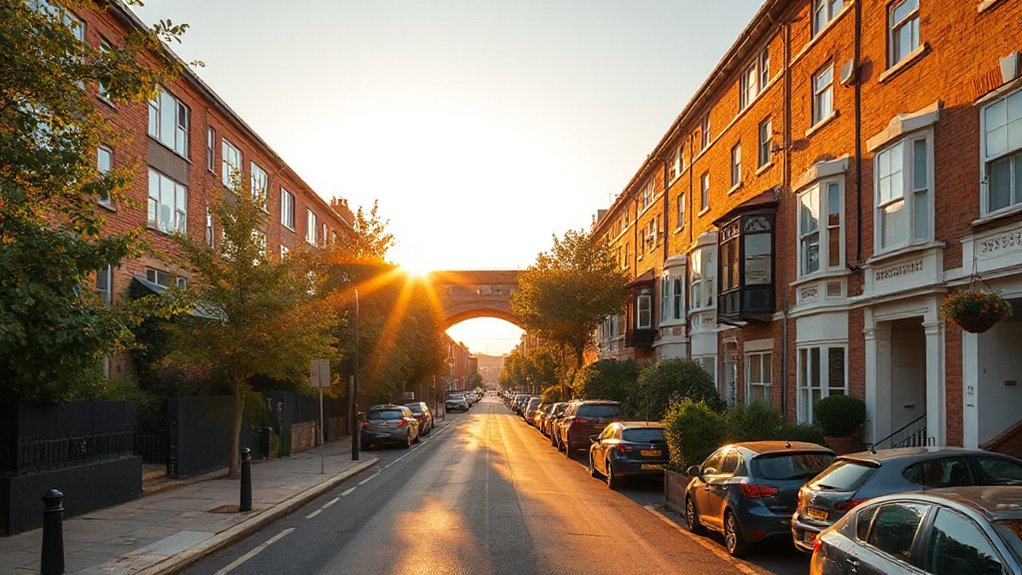
You’ll compare Quayside’s recent price range with Jesmond’s market variances to spot which districts fit your budget.
We’ll break down Heaton versus Gosforth costs so you can see where value and desirability align.
This gives you a practical, trend-aware view to guide your next move in Newcastle.
Quayside Price Range
Quayside property prices vary by district, with current ranges reflecting demand for waterfront living and easy access to the city center. You’ll see higher entry points near the river, with premium flats and renovated terraces edging above the average for Newcastle.
If you’re targeting stability, look for longer-standing blocks that offer solid resale, while newer developments push prices upward but deliver modern perks.
Quayside history adds value for buyers who want character alongside convenience, and Quayside nightlife can drive rents and occupancy in the short term, shaping upside if you’re considering investment.
Follow recent trend data to gauge seasonal shifts and project long-term growth.
- Waterfront focus: premium flats, river views, and evolving redevelopment
- Demand drivers: proximity to transport hubs, bars, and cultural spots
- Investment angle: timing shifts around developments and neighborhoods
Jesmond Market Variances
Jesmond shows distinct price variances compared with Quayside, Heaton, and Gosforth, driven by its established residential appeal, transport links, and sought-after village-style amenities. You’ll notice higher entry points for terraces and period homes, with premium for proximity to dining lanes and green spaces.
Market trends show steadier demand in Jesmond, yet property fluctuations occur around rental yields and school catchment cycles, influencing short-term shifts. Streets nearer to Oswald Road command elevated price bands, while fashionably renovated period properties maintain value during market ebbs.
You’ll also see fluctuations tied to planning changes and transport upgrades that affect time-to-center commutes. Use these patterns to gauge when to target specific blocks or streets, balancing price tolerance with lifestyle perks.
Heaton vs Gosforth Costs
In Heaton vs Gosforth, price ranges reflect a practical mix of buyer priorities: Heaton offers more affordable entry points with steady demand from families and renters. Meanwhile, Gosforth commands higher premiums driven by stronger schools, polished suburbia, and convenient transit links.
- Cost comparison shows Heaton’s houses and flats staying within reach for first-time buyers or renters, with modest price growth year over year.
- Neighborhood affordability trends favor Gosforth for long-term value, thanks to consistent demand and premium amenities, though prices stay higher.
- Market signals emphasize balance: you’ll pay more upfront in Gosforth, but resale resilience and rental yields can offset the gap over time.
Riverside vs. Leafy Vibes: Which Fits Your Lifestyle
If you’re weighing Riverside calm versus leafy neighborhood vibes, you’ll notice two distinct rhythms shaping daily life in Newcastle.
Riverside mornings lean on riverside paths, early coffee spots, and a jog with calm water reflecting city glass. You’ll notice Riverside serenity in the quieter streets and boutique breakfasts that favor speed over noise.
In contrast, leafy areas pulse with shaded lanes, communal gardens, and weekend markets that emphasize slow, social rhythms. The leafy ambiance supports longer walks, brunch chatter, and easy access to green spaces.
While Riverside serenity favors compact transit options and riverside viewpoints, your decision hinges on balance: prefer active, social mornings or serene, reflective afternoons. Consider noise tolerance, view preferences, and how often you’ll value outdoor time near water or trees.
Transport by District: Routes, Frequency, and Access
Transport around each district in Newcastle is shaped by routes, frequency, and access points, so you can map your commute from door to tram stop or river path with confidence. You’ll notice how bus corridors align with major hubs, while Metro lines offer rapid alternatives for longer trips. Check punctuality, peak vs off-peak frequencies, and last-mile options like bike-hubs or pedestrian routes to stations.
Public transport in higher-demand districts tends to run more consistently, while outskirts may rely on fewer connections but faster express services. Your commuting options should match your workdays, preferred speed, and budget, with multimodal swaps as needed. Plan a weekly pattern, testing key routes and transfer points before moving.
- Map routes by district to compare time, cost, and ease
- Note peak frequency and transfer reliability for a realistic commute
- Consider last-mile access to stations and river paths
Schools and Schooling Options by Newcastle Area

You’ll want to map out School Options by Area, noting which districts feed into your top choices and how catchment rules affect entry.
Consider Local Education Resources and how nearby programs—from primary through secondary—tie into each neighborhood’s offerings and schedules.
Be mindful of School Year Boundaries, as start dates and term dates can shift enrollment timelines and transportation planning.
School Options by Area
Which areas around Newcastle offer the strongest school options, and how do you compare them quickly? You’ll weigh exam results, Ofsted-style insights, and catchment realities without drowning in data. Look for schools near Historical landmarks and thriving community hubs, where active parent networks share real experiences.
Prioritize areas with consistent staffing, broad curricula, after‑school programs, and safe routes for walking or cycling. Map proximity to libraries, museums, and youth services that reinforce learning.
Consider school feeder patterns and transition support, plus how nearby amenities support homework routines and weekend enrichment. Then triangulate using travel time, headteachers’ updates, and recent inspection summaries to form a confident shortlist.
- Close to Cultural landmarks and local heritage sites
- Availability of diverse programs (STEM, arts, sports)
- Accessibility and safe, convenient transport options
Local Education Resources
From choosing the right area in Newcastle, you can shift now to Local Education Resources and map out what schools and schooling options look like across the city. You’ll evaluate primary and secondary options by proximity, performance, and focus areas, then compare academies, independent schools, and state facilities.
Check school profiles for Ofsted-style ratings, catchment zones, and transport links, noting how local sports programs and facilities integrate with after-school routines. Plan for transitions between campuses if needed and consider special education provisions, language support, and gifted-and-talented offerings.
Track community events and parent groups tied to schools to gauge culture and engagement. Use this data to forecast significance, access to tutors, and consistent learning support across Newcastle neighborhoods.
School Year Boundaries
- School boundaries and academic zones determine enrollment paths.
- Align catchments with commute, care, and activity schedules.
- Check updates each year for boundary adjustments.
Safety and Community Feel Across Newcastle Neighborhoods
Newcastle’s neighborhoods each have their own safety and community vibe, so you’ll notice clear differences in day-to-day feeling and local engagement. You’ll find pockets with visible neighborhood watch signs, well-lit streets, and active local groups that host weekend cleanups or pop-up markets.
Community engagement varies by district, so you’ll want to compare council-led programs, volunteer opportunities, and resident-led associations. Track recent safety initiatives like increased patrols near transit hubs and curbside CCTV coverage, then assess how those measures translate to real-time comfort after dark.
In practice, visit at different times, talk with residents, and observe how shared spaces get used. Prioritize areas where safety initiatives align with your routines, values, and social interests.
Property Types by District: What You’ll Typically Find
In each district, property types skew toward the local character and daily routines, so you’ll notice clear patterns in what’s available and how spaces are used. You’ll see pockets of compact, efficient flats near transit, and larger townhouses where families linger.
Historical architecture often houses boutique rentals and renovated lofts, while newer developments emphasize flexible layouts.
Expect ground-floor commercial spaces in busy hubs that convert to live‑work setups, especially where nightlife hotspots thrive.
- Historic conversions and brick-facing flats near transport nodes
- Family-friendly townhouses with generous outdoor space in established neighborhoods
- Modern apartments with modular rooms close to entertainment districts
These trends help you anticipate space needs, maintenance cycles, and how nearby activities shape daily living.
Amenities by Area: What You’ll Actually Use

When you pick an area, you’re not just buying space—you’re weighing everyday conveniences: grocery options, transit access, parks, schools, and dining scenes. In Newcastle, look beyond fancy names and map real-world use: nearby supermarkets with late hours, farmers markets, and fresh produce spots.
Consider parks and green spaces for weekend rituals, kid-friendly recs, and dog walks, plus reliable schools or catchment clarity if you have children. Dining scenes matter, but focus on what you’ll actually use: quick coffee runs, takeout options, and neighborhood meal deals.
Cultural festivals show up as community calendars and pop-up markets—part of the vibe you’ll notice daily. Local cuisine becomes your staple, not just a brochure promise. Choose areas where frequency and proximity align with your routines.
Car Ownership vs. Transit Realities in Newcastle
With Newcastle’s layout, you’ll notice a clear trade-off between owning a car and relying on transit: a car adds flexibility for weekend trips and errands outside core zones, but good bus routes, rail links, and bike-friendly streets can cut the need to drive daily.
You’ll weigh convenience against costs, parking challenges, and maintenance upkeep, and you’ll notice certain corridors favor transit reliability over parking freedom. Plan for occasional car maintenance, but lean on Newcastle’s sidewalk-friendly neighborhoods and park-and-ride options to trim daily miles.
- Efficient routes in central and coastal zones reduce drive time and parking stress
- Regular rail and bus upgrades boost predictability, cutting fuel and wear
- Bike-friendly streets and car-sharing options simplify short trips and errands
Family-Friendly Features to Prioritize in Each District
Newcastle families look for safe, accessible spaces, so start each district by prioritizing age-appropriate playgrounds, well-lit sidewalks, and traffic-calmed streets near schools and community hubs.
In practice, compare district layouts for walkable routes to parks and libraries, and note shaded crossings, bike lanes, and visible crosswalks during peak hours.
Look for community parks within a short, stroller-friendly radius and concrete surfaces for mobility devices.
Assess park amenities: shade, seating, restrooms, and safety patrols.
Consider timed lighting and proximity to after-school programs or sports clubs.
Track recurring Local festivals and markets that bring families together without weekend travel.
Prioritize districts with consistent maintenance, clear signage, and family-oriented city services to support regular, stress-free outings.
Student Life and Services Near Newcastle Universities

Where do students find the best mix of support and opportunity around Newcastle universities? You’ll notice strong on-campus services and nearby hubs that keep study and social life balanced. Registration desks, academic advising, mental health support, and affordable tutoring are easy to access, often with flexible hours.
City-center libraries, student unions, and university-run workshops sharpen skills fast, while career centers connect you to internships and part-time work. Off-campus cafés and affordable housing clusters keep your routine practical and budget-friendly.
Cultural festivals and student-friendly venues showcase local arts, and you’ll experience the city’s Local cuisine through pop-ups and markets.
- On-campus support offices, tutoring, and mental health services
- Student unions, clubs, and career-center connections
- Cultural festivals, Local cuisine discoveries, and affordable housing options
Lifestyle Personas: Matching Your Routine to a Neighborhood
You tailor your routine by pairing lifestyle personas with the neighborhood rhythm, so you’ll pick areas that fit your study pace, social needs, and budget.
In Newcastle, match your cadence to district vibes: if you’re methodical, opt for quieter, well-connected pockets with reliable amenities and study-friendly cafés. If you crave social energy, seek areas with evening markets, live music, and active co-working spaces.
For families, prioritize safety, parks, good schools, and predictable traffic patterns. Casual explorers should balance affordable housing with accessible entertainment.
Track local calendars for cultural festivals and seasonal excursions to gauge community pulse.
Tastes matter too—explore culinary scenes before committing, noting proximity to groceries, specialty shops, and delivery options. Your choice should minimize friction between daily routines and the city’s evolving rhythms.
How to Test-Drive a Neighborhood Before Moving
You’ll test-drive a neighborhood by timing your visits to weekdays vs weekends and rush hours to gauge commute and noise levels.
Do a quick Local Vibe Check by visiting cafes, grocers, and parks at different times to see how lively or quiet it feels, who’s out, and how safe you sense the area.
Check practical Park Nearby first—confirm nearby greenspace, footpaths, and rest areas that line up with your routine, then map out a quick weekend stroll to spot any gaps.
Test-Drive Timing
A practical test-drive plan lets you judge a neighborhood in real time, not just from a brochure. You’ll optimize timing to catch daily rhythms, seasonal shifts, and weekend crowding, giving your decisions a sharper edge.
Plan a multi-phase tour that mirrors a typical week, noting traffic, noise, and storefront hours. Track your mood changes as you move through different blocks, and compare first impressions with later in the day experiences to refine your choice.
Use a simple log to capture the feel of sidewalks, parking ease, and transit access during peak times. This approach helps you quantify test drive timing and build reliable neighborhood impressions.
- Observe morning rush, midday lull, and evening buzz to gauge consistency
- Note parking availability, crosswalk density, and bus/train frequency
- Record ambient sound, lighting, and pedestrian activity at key blocks
Local Vibe Check
What does the street-level feel say about a neighborhood before you move in? You’ll test-drive vibes by wandering at different times, noting pace, noise, and how strangers greet you. Observe storefronts: are there long-standing staples or rotating pop-ups that signal energy without chaos?
Peek at public spaces—parks, benches, and transit hubs—to gauge accessibility and safety cues. Listen to conversations on street corners and coffee-shop chatter for common concerns and pride points.
Check community events calendars to see if residents show up and support local initiatives.
Taste the area through the local cuisine scene: do nearby eateries reflect diverse options and reliable hours? If you can imagine yourself fitting into this rhythm, you’ve probably found the right pulse for your move.
Practical Park Nearby
First, map out the park’s daily rhythm and test-drive it like a short, repeatable itinerary. You’ll assess accessibility, seating, shade, and paths at different times, noting how crowds ebb and facilities adapt. Observe maintenance, safety, and nearby noise from parks and recreation staff and events.
Gauge green spaces balance—how well the park connects to transit, groceries, and coffee stops. Track how long you linger, and whether you’d want to live within easy reach for weekend wind-downs or weekday lunchtime strolls. This practical check helps you forecast routines and stress points, minimizing post-move surprises.
- Accessible routes for bike and foot traffic, plus parking availability
- Shade variety, seating density, restrooms, and playground quality
- Proximity to amenities and daylight hours for outdoor activities
Negotiation Tips: Reading the Newcastle Housing Market

If you want to read the Newcastle market effectively, start with current listing momentum, price trends, and days-on-market to gauge seller urgency and bidding behavior. You’ll monitor weekly shifts in supply, noting spikes or dips that signal hot pockets or cooling periods.
Track price per square meter in target suburbs and compare, so you can spot overreactions or steadier gains. Consider negotiation levers: initial offers, escalation clauses, and response timelines, then calibrate your strategy to local discipline.
Stay mindful of housing affordability and property investment implications, recognizing where rent potential supports price strength. Don’t chase every uptick; align bids with your budget, risk tolerance, and market cycles.
Short-term momentum can mislead; rely on broader trend context for confident decisions.
Final Decision Framework: A Checklist Before You Move
From narrowing your options to a concrete decision, this checklist anchors your move with practical, no-nonsense steps. You’ll validate priorities, compare neighborhoods, and confirm logistics before you commit. Use clear criteria: commute feasibility, budget realism, safety comfort, and access to daily needs. Map essential distances, weigh trade-offs, and flag deal-breakers early. Consider historical landmarks and local cuisine as lifestyle anchors that signal a district’s character and long-term satisfaction. Balance sentiment with data, and avoid rushing decisions that could backfire when you’re unpacking boxes.
- Verify commute times during peak hours and budget a buffer for delays
- Assess amenities, schools, healthcare, and dining options, noting standout historical landmarks and local cuisine spots
- Confirm lease terms, deposit, utilities, and future resale or rental potential
Frequently Asked Questions
How Does Commute Time Influence Neighborhood Choice?
Commute time heavily influences your neighborhood choice: shorter trips reduce stress and increase weekend flexibility. Prioritize public transport accessibility, ensuring frequent trains or buses, and check local amenities availability near transit to maximize practicality and trend-aligned convenience.
Which Areas Offer the Best Value for Money?
Yes—areas with the best value include affordable housing options near strong local amenities, balancing price with convenience. You should target neighborhoods offering affordable housing, walkable centers, schools, parks, and growing transit links to keep overall costs down.
What Safety Metrics Matter Most Locally?
Cobblestone sidewalks? You look at local crime statistics and community safety initiatives, prioritizing violent crime and theft trends, police presence, and reporting rates. You’ll compare neighborhoods by consistency, timeliness, and improvements, staying trend-aware and practical in decisions.
Where Are Hidden Gem Neighborhoods Overlooked by Guides?
Hidden gem neighborhoods aren’t on every guide. You’ll find them where locals gather, savor local dining, and join community events, off beaten paths where prices rise slower, vibes stay authentic, and daily life feels truly homegrown and practical.
How Do You Balance Lifestyle and Budget Quickly?
You balance lifestyle and budget quickly by prioritizing affordable amenities and lifestyle amenities you actually use, then trim choices that don’t add value, compare costs, and lock in flexible options, staying practical, detail-oriented, and trend-aware throughout.
Conclusion
When you lock in a Newcastle move, you’ll balance price, commute, and vibes with your real-life routine. Quick stat: average asking rents in Jesmond are about 15–20% higher than Gosforth, signaling lifestyle demand. Use your shortlist to test-drive mornings, evenings, and weekend hangs, then compare safety, green space, and transit. Rely on your framework, not impulse, and seal the choice that matches your budget, timing, and daily rituals—then tailor your new home to your future.