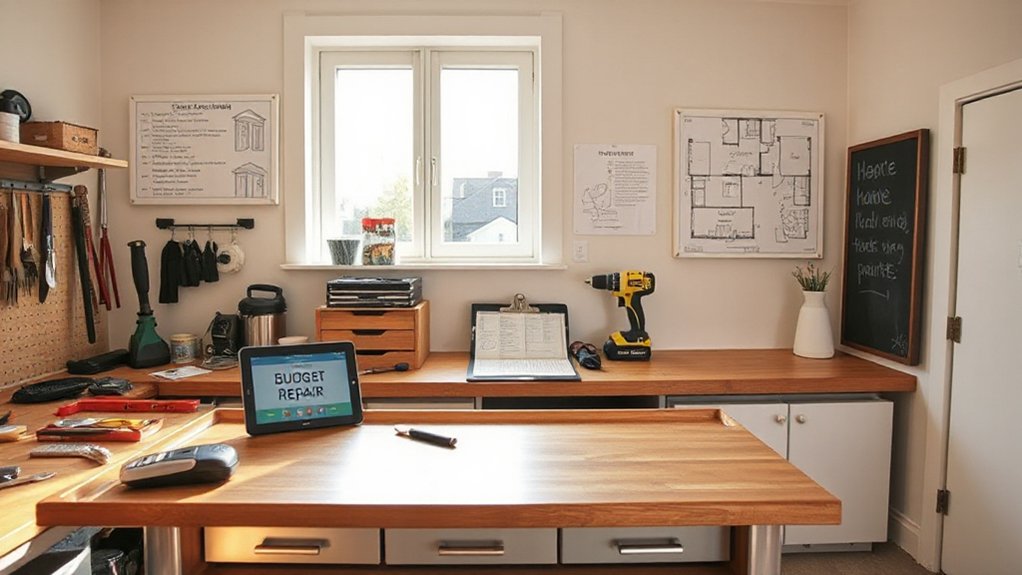

Smart planning now saves big bucks later. You’ll want to balance DIY fixes with smart hiring, target essential systems, and lock in preventive steps that head off expensive later repairs. Start with a realistic budget, gather multiple quotes, and time repairs to seasonal deals. Build a phased plan and keep a contingency fund. Curious how to map this into a practical year ahead while keeping safety and quality top of mind, especially as you weigh energy upgrades and warranties.
Tackling Home Repairs in 2025: Decide What to DIY, What to Hire
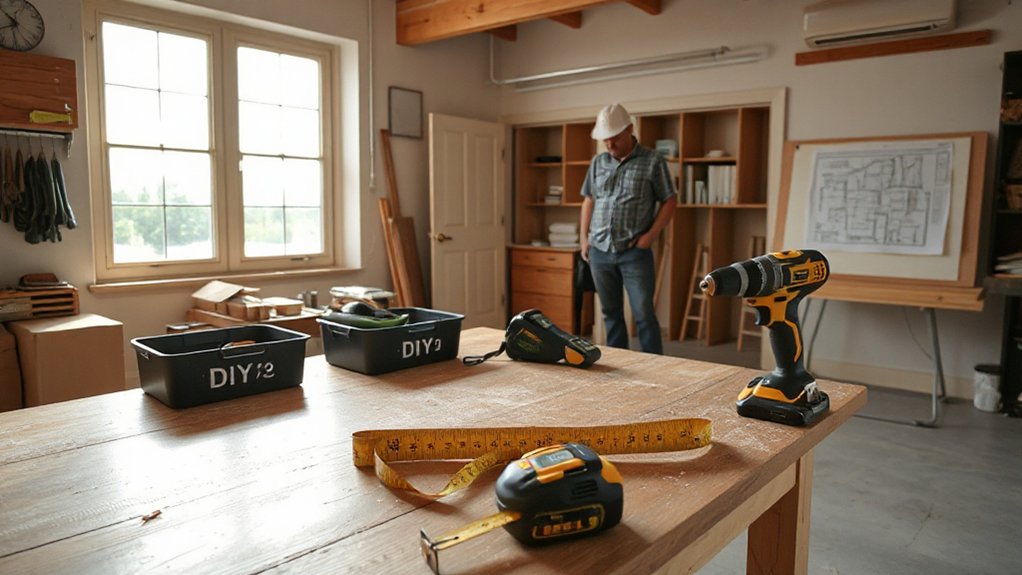
Deciding which repairs to DIY and which to hire out starts with a honest assessment of your skills, tools, and time. You’ll save money by separating quick, low-risk tasks from projects that require expertise.
Start with basic upkeep—patching drywall, painting edges, sealing gaps—where you can leverage solid tutorials and affordable supplies.
For more complex work, like electrical rewiring, plumbing, or roof repairs, hire a licensed pro to avoid costly mistakes.
When a project touches home décor or smart technology, weigh the value of your time against potential savings; upgrades may justify DIY if you already own the tools and have the patience to learn.
Document costs, compare quotes, and choose the option that minimizes downtime and disruption while maintaining safety and quality.
Assess Your Repair Priorities for the Year Ahead
Now that you’ve weighed what to DIY versus hire, it’s time to set a clear repair agenda for the year. Begin with a prioritized list based on safety, function, and cost impact. Schedule a professional home inspection to uncover hidden issues and guide urgent versus optional fixes.
Identify critical systems—roof, plumbing, electrical, HVAC—and allocate funds for early corrective actions to prevent bigger damages later. Create a realistic timeline that staggers major projects through seasons, aligning with weather and financing.
Plan for emergency preparedness by stocking essentials and verifying exits, alarms, and extinguishers. Track costs carefully, reassess quarterly, and adjust priorities as needed.
With a focused plan, you’ll reduce surprise expenses and extend asset value without overhauling your budget.
Build a Practical Home Maintenance Budget for 2025
A practical home maintenance budget for 2025 starts with a realistic baseline: list all expected yearly costs, from routine upkeep to potential surprises, then prioritize by impact on safety and system reliability. You’ll map expenses to essential systems, then build a cushion for unexpected repairs. Include a clear line for a Home inspection and a separate line for contractor selection to guarantee preparedness and quality work.
- List annual costs by category (HVAC, plumbing, electrical, exterior, interior, and inspections).
- Add a contingency fund (5–10%) for surprises and delayed projects.
- Budget for preventive tasks to avoid bigger bills later.
- Research contractors now, compare estimates, and schedule a yearly review.
Keep receipts, track variances, and adjust quarterly for accuracy.
Preventive Maintenance That Actually Saves Money
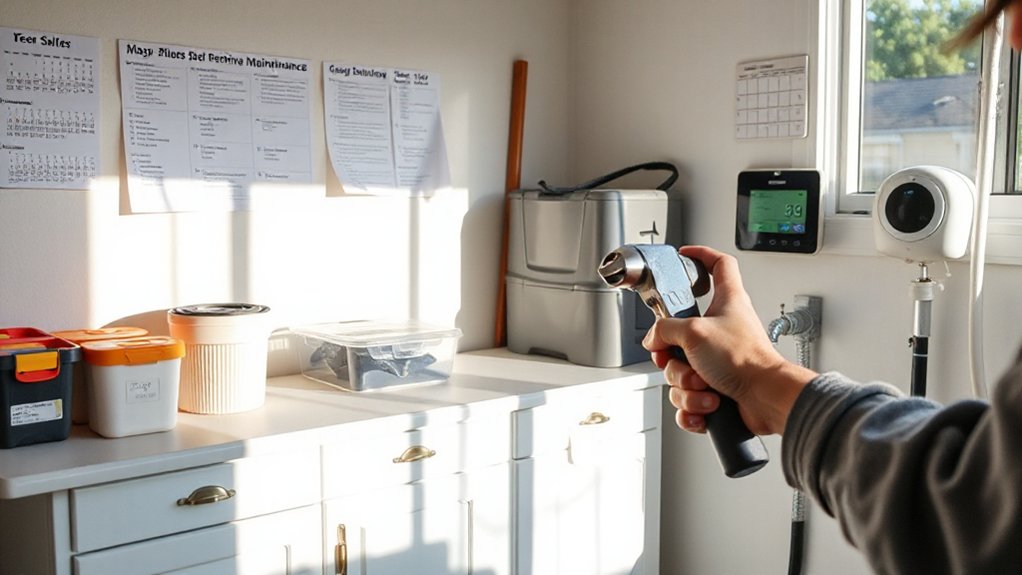
Preventive maintenance isn’t just a nice-to-have; it’s a money saver because small, timely actions prevent big, costly repairs. You’ll reduce long-term costs by scheduling seasonal checks, cleaning drainage, and tightening connections before leaks start.
Prioritize tiny fixes: squeaky hinges, warped doors, and worn seals, since the cumulative impact compounds fast.
Use sustainable materials where possible—weatherstripping with recycled foam, low-VOC paints, and durable sealants—to extend life and minimize replacements.
Track wear on roofs, gutters, and HVAC filters; a monthly quick inspection stops minor issues from escalating.
Address safety-critical items first to protect occupants and avoid expensive claims.
Invest in simple upgrades now—smarter lighting, water-saving taps, and proper venting—to lower energy bills while maintaining home safety.
DIY First: Which Projects You Can Tackle Safely
If you’re handy, start with low-risk tasks that build confidence and save big later, such as caulking gaps, fixing squeaky hinges, and replacing worn weatherstripping. You’ll gain momentum while honing safety habits and avoiding costly mistakes.
Focus on clearly defined steps, proper tools, and personal protective gear to protect your home and yourself. Prioritize quick wins that demonstrate tangible results and support DIY skill building.
1) Caulking gaps around windows and tubs
2) Replacing weatherstripping and door sweeps
3) Lubricating door hinges and cabinet latches
4) Basic outlet and switch faceplate replacements (with power off)
Keep tasks within your comfort zone, verify electrical circuits are off, and follow product instructions. This approach emphasizes home repair safety and steady DIY skill building, reducing reliance on pricey pro calls.
When to Hire a Pro: A Clear Decision Framework
When in doubt, hire a pro sooner rather than later to prevent costly mistakes and safety hazards. You’ll know you’ve crossed the line from DIY to pro care when risks outpace your skills, tools, or time.
Use a clear decision framework: list the task, assess complexity, estimate cost vs. potential damage, and set a go/no-go threshold. If a project involves structural changes, electrical, plumbing, or gas lines, call a licensed tradesperson for a Professional consultation.
Even if you suspect a quick fix, get an estimate to compare against your own time and risk.
For emergencies, initiate Emergency preparedness steps first, then contact a pro to minimize damage.
Document warranties, permits, and scope, so expectations stay aligned and costs stay controlled.
Find Reputable DIY Resources You Can Trust

Start with trusted DIY guides you can count on, focusing on sources that offer step-by-step instructions and clear cost estimates.
Verify resource sources by checking author credentials, publication dates, and cross-references to professional standards.
This approach keeps you accurate, saves money, and reduces risk as you tackle projects yourself.
Trusted DIY Guides
- Verify authorship and credentials
- Prefer publishers with transparent methods and materials
- Compare multiple step-by-step guides for consistency
- Read reviews that mention cost-savings and outcome accuracy
Keep a running note of trusted resources, bookmark guarded links, and test techniques on inexpensive projects first.
With disciplined choices, you’ll save both money and time on essential repairs.
Verified Resource Sources
Want to build a dependable DIY library? Start by verifying resource sources before diving in. You’ll save time and money by bookmarking official sites, trade associations, and accredited how-to publishers.
Prioritize peer-reviewed guides, manufacturer manuals, and city or county procurement pages to avoid outdated or unsafe instructions. Cross-check tips against multiple reputable references to spot discrepancies early.
Set a list of go-to sites for electrical, plumbing, and structural work, and note any licensing or certification requirements. When evaluating content, favor sources that disclose authorship, dates, and revisions.
This diligence protects your wallet, especially if you factor in Home insurance considerations and potential property taxes tied to renovation quality. Reliable sources reduce revisit costs and help you plan cost-conscious, compliant repairs.
Smart Tools That Pay for Themselves Over Time

1) Invest in home automation hubs to coordinate schedules and monitor energy use, lowering utility bills.
2) Use smart sensors on doors, windows, and leaks to catch issues early and prevent costly damage.
3) Choose tool-enabled measuring devices with built-in calibration to minimize rework and material waste.
4) Opt for rechargeable, multi-function batteries and durable tools that resist downtime on long projects.
With thoughtful selection, you’ll see a rapid payback as maintenance costs drop and repairs become more predictable.
Keep data logs to justify future upgrades and optimize your toolkit’s ROI.
How to Compare Contractor Quotes Like a Pro
When you’re evaluating contractor quotes, don’t just chase the lowest bid—compare the full package: scope, materials, labor, timeline, and warranty terms.
To start, request line-item quotes and a defined scope of work you can cross-check against your project goals.
Focus on contractor pricing beyond the total sum—identify where costs may escalate, like change orders, permit fees, or subcontractor charges.
Use a standardized comparison sheet to track each quote’s assumptions, material quality, and delivery dates.
Ask for warranty details and post-project support in writing.
Prioritize value over rock-bottom price, and weigh reputations, communication responsiveness, and project management capabilities.
Do a quick gut check after each quote, then perform a formal Quote analysis to choose the most reliable, cost-efficient option.
Material Shopping Smart: Coupons, Bulk, and Timing
Coupon smarter by clipping and tracking deals, then stack discounts when possible.
Buy in bulk for items you use often, but only after verifying shelf life and storage space to avoid waste.
Time your purchases around sales cycles, coupons, and price dips to maximize value without delaying needed repairs.
Coupons Practice Smart
Coupons aren’t just freebies; they’re a practical tool to trim home-repair costs if you use them smartly. You’ll apply coupon strategies with discipline, pairing discounts to match exact needs and project timelines. Let smart shopping guide your choices, not impulse.
- Track expiration dates and stack only when allowed.
- Compare unit prices, not sticker values, to spot true savings.
- Align coupons with sale cycles; don’t buy early if you’ll save more later.
- Keep a ledger of discounts by category (paints, fasteners, sealants) for quick retrieval.
With this approach, you maximize value without buying extras. Stay organized, review terms carefully, and avoid filler purchases. Your budget benefit stems from deliberate, informed decisions.
Buy In Bulk
Buying in bulk can slash per-unit costs and reduce trips to the store, so plan purchases around your actual needs and project timelines.
When you consider bulk buying, assess shelf life, storage space, and waste risk. Favor durable, commonly used items with predictable usage, such as fasteners, sealants, paints, and primers, keeping quantities aligned with upcoming projects.
Compare bulk price per unit against standard-pack pricing, and include shipping or pickup costs in the math.
Use reputable suppliers, verify return policies, and track expiration-sensitive items to avoid spoilage.
Maintain an organized stock system—label containers, log purchases, and rotate inventory.
This approach yields cost savings by minimizing overbuying and maximizing utilization, while preserving project momentum and reducing last-minute, premium-priced purchases.
Time Your Purchases
Timing matters just as much as what you buy. You can save by planning purchases around sales, coupons, and delivery timing, especially for home automation and smart appliances that often drip in price after holidays or product updates.
Keep a running list of needed items and watch price trends before you buy.
- Set alerts for coupons and price drops on essential parts.
- Buy during end-of-season or holiday promotions to maximize discounts.
- Stack legitimate savings—coupons plus rebates, where allowed.
- Schedule installations and deliveries to avoid rush fees and stockouts.
With smart planning, you reduce waste and avoid impulse buys. This approach helps you manage costs without sacrificing functionality for home automation and smart appliances.
Seasonal Savings for Year-Round Repairs
Seasonal savings can add up fast when you plan ahead for year‑round repairs. You’ll reduce costs by coordinating tasks with predictable weather windows and offshore deals, not last‑minute rushes.
Create a calendar of maintenance windows: spring sealing, summer exterior touch‑ups, fall inspections, winter weatherproofing.
Track seasonal promotions from local suppliers, contractors, and big‑box stores to lock in discounts before demand climbs.
Prioritize tasks by impact and urgency, pairing lower‑cost fixes with higher‑return improvements when promotions appear.
Use weather considerations to time projects that rely on dry periods or moderate temps, avoiding freeze‑thaw setbacks.
Bundle related services to secure multi‑job discounts, and request detailed written estimates with tax credits or warranties.
Maintain records of completed seasonal work to optimize future planning and budgeting.
Energy-Saving Fixes That Cut Bills
Energy-saving fixes can slash your bills without a full renovation. You’ll benefit from practical upgrades that pay for themselves over time. Focus on simple fixes you can implement this season, then monitor impact.
1) Install a smart thermostat to optimize comfort and reduce energy use.
2) Seal leaks around doors and windows with affordable weatherstripping.
3) Add insulation or upgrade attic insulation to curb heat loss in cold months.
4) Explore solar panels if your site qualifies, lowering daytime electricity draw and bills.
Beyond equipment, adopt behavior shifts: run full loads, sunlit room usage, and efficient appliance habits. These steps compound savings.
If you pursue Solar panels, you may access credits and long-term gains. Your cost-conscious approach translates to meaningful, steady reductions.
Smart thermostat choices and solar options empower ongoing efficiency.
Budgeting for Renovations: Hidden Costs to Watch
Budgeting for renovations isn’t just about the price tag—you need a contingency and a clear buyer’s mindset.
Watch for hidden renovation fees that pop up during permits, disposal, and labor changes, and plan a contingency budget that covers 10–20% extra.
Start with a strict line-item plan and keep it updated so you don’t derail the project or drain savings.
Hidden Renovation Fees
- Get detailed bids with itemized line items and contingency allowances.
- Confirm permit, inspection, and inspection-delay costs upfront.
- Clarify delivery windows, disposal fees, and site-cleanup charges.
- Build a realistic contingency—typically 10–15% of project cost.
Tips to stay on budget: compare suppliers, negotiate bulk or repeat-client discounts, and document changes in writing. Don’t assume inclusions are automatic; verify what’s included and what isn’t.
Track costs weekly so you can catch unexpected charges early and adjust the plan before they derail targets.
Contingency Planning Budget
Hidden costs often surface as projects unfold, so you’ll want a robust contingency plan that ties directly to your renovation budget. Your contingency should be a dedicated percentage of the project total, typically 10–20%, based on risk and scope.
Identify likely overages early: permit delays, design changes, and material price swings. Build in a separate line item for unforeseen structural issues and site access problems.
Track emergencies like supplier backorders or weather shutdowns under emergency preparedness, so you can mobilize funds without derailing cash flow.
Maintain a transparent cushion for the supply chain, capturing lead times, freight spikes, and subcontractor availability.
Revisit the contingency monthly, adjusting for evolving priorities, while documenting every transfer to preserve accountability and avoid budget creep.
Prioritize Safety to Prevent Costly Accidents
To cut repair costs, start by making safety your top priority, because preventing accidents now saves both money and downtime later. You’ll protect yourself, your family, and your project from costly surprises by focusing on prevention first.
- Inspect for safety hazards today and address quick fixes that prevent bigger failures tomorrow.
- Verify structural integrity before adding loads, repairs, or renovations to avoid collapse or costly rework.
- Wear proper PPE and follow clear protocols during every task to reduce injury risk.
- Schedule routine maintenance and immediate repairs to catch small issues before they escalate.
This approach minimizes downtime, protects investments, and keeps projects on track.
Build a Simple, Scalable Repair Plan
Prioritize essential repairs first, so you protect safety and function without overspending.
Then map a scalable budget that covers expected fixes now and leaves room for future needs as they arise.
Start with a clear, stepwise plan so you can adjust costs and scope without chaos.
Prioritize Essential Repairs
Start by listing repairs in order of impact and urgency, then build a simple, scalable plan you can expand over time. You focus on fixes that prevent damage, save energy, and protect safety first, then schedule cosmetic upgrades as budget allows. Prioritizing keeps costs predictable and avoids waste.
- Tackle structural and safety issues (plumbing leaks, roof, electrical) immediately.
- Seal energy drains (insulation, windows, doors) to cut bills.
- Address mold, ventilation, and moisture to protect health and assets.
- Plan long-term cosmetic touches (garden landscaping, interior decorating) as funds permit.
Create Scalable Budget Plan
A scalable budget plan starts with a clear, bite-size framework you can grow: identify the most urgent repairs, estimate costs, and set a monthly funding target you can sustain. You’ll map upgrades in phases, so you don’t overcommit.
Begin with a simple audit of both Home exterior and interior needs, then assign prices from trusted sources and add a small contingency. Prioritize fixes that protect structure and curb appeal, like sealing gaps or patching leaks.
Then schedule garden landscaping in later months to maximize seasonal savings. Build a tracking sheet: a running total, the month, and the progress toward each target.
Reassess quarterly, shifting funds from low-priority items to high-impact projects as costs shift. This disciplined approach keeps repairs affordable and scalable.
Financing Options That Minimize Pain Points

If you’re financing home repairs, choosing options that minimize pain points means planning around upfront costs, long-term savings, and easy approval. You want predictable payments, flexible terms, and clear eligibility. Consider these strategies:
1) Home equity line of credit (HELOC) or personal loan as a bridge, prioritizing low initial fees.
2) Refinancing options that lower interest rates or extend terms without extending loan-to-value risk.
3) Short-term financing with promotional rates, then refinancing once repairs are complete.
4) Vendor financing or contractor-approved plans that bundle work and simplify repayment.
Key benefits include faster approval, potential tax implications, and using existing equity to reduce borrowing costs. Compare total costs, not just monthly payments, and avoid over-leveraging.
Home equity can be a powerful tool when used responsibly, so weigh refinancing options against long-term savings and your repayment timeline.
Insurance and Warranties That Save Real Money
Are you surprised how much insurance and warranties can save on home repairs? You can leverage coverage to reduce out-of-pocket costs for both common failures and unexpected damage.
Start by reviewing your policy details: what’s covered, deductibles, claim limits, and any exclusions that apply to appliances, HVAC, and structural components.
Look for extended warranties on major systems and consider seller-provided home warranties for recent purchases.
Prioritize preventative maintenance that keeps claims low and premiums stable.
Compare providers to find favorable “service call” terms and rapid repair networks.
Track claim histories to spot patterns you can address financially.
Keep clear records for Insurance insights and warranty tips, then align coverage with replacement cost vs. actual cash value to maximize real savings.
Frequently Asked Questions
How Can I Claim Tax Credits for Home Energy Upgrades in 2025?
Yes, you can claim tax credits for home energy upgrades in 2025. Check tax credit eligibility, collect upgrade documentation, save receipts, and file IRS Form 5695. Track project dates, supplier invoices, and contractor certifications for audit readiness.
What Internal Costs Should I Track Beyond Contractor Quotes?
Project profitability prompts practical tracking: you should track internal costs beyond quotes. Specifically, monitor material disposal costs, time overruns, permit fees, and contingency funds while you tighten contractor negotiations for total-savings gains.
Are There Seasonal Price Spikes I Should Avoid for Materials?
Yes—watch for seasonal discounts and timing shifts in material pricing. You’ll save by stocking essentials during off-peak periods, negotiating bulk or early-purchase deals, and avoiding peak-season surcharges that spike costs, especially for durable goods and fasteners.
How Can I Safely Store and Reuse Repaired Materials?
“Waste not, want not.” You store repaired materials in labeled, sealed containers, keep them dry, and rotate stock. Practice reuse safety by inspecting for cracks, corrosion, and flaws before reuse, and document dates for future projects.
What Warranty Details Matter Most for Post-Repair Costs?
Warranty coverage matters most: prioritize clear post-repair guarantees that cover labor, parts, and callbacks. Ask for documented terms, duration, exclusions, and transferability. Keep receipts and timelines handy to manage costs and protect your post repair budgets. Post repair guarantees.
Conclusion
You’ll save by planning, not panicking. Don’t pretend a leaky faucet is “fixable later”—that drip becomes a mortgage in disguise. DIY the small stuff, beg, borrow, or hire for the scary bits, and compare quotes like a savvy shopper. Keep a phased budget, snag seasonal deals, and clock preventive checks before they explode. Irony hits: you budget for repairs, then discover the best fix was maintenance you skipped. Fix smart, live cheaper, smile later.