
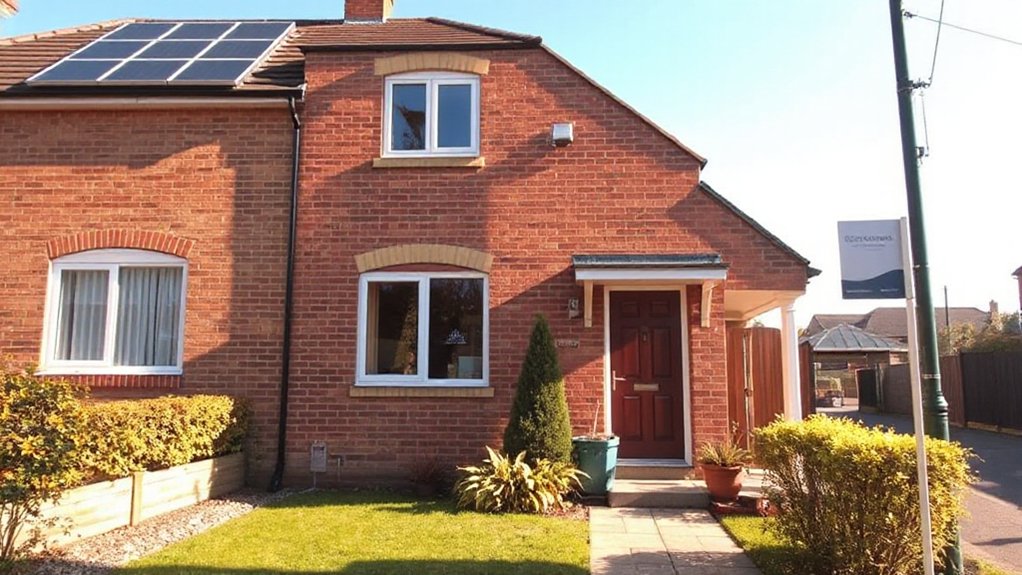

If you’re aiming to boost your semi-detached’s rental yield, start with a clear ROI plan and a realistic budget. You’ll prioritize energy efficiency, modern kitchens and baths, strong curb appeal, and security tech that tenants actually value, then roll out a phased renovation with measurable milestones. Track rents and vacancy changes as you go, and stay attuned to market feedback. The next step? sharpen the priorities and confirm the exact improvements that release the best value.
Set Roi-Driven Rental Goals for Your Semi-Detached Home
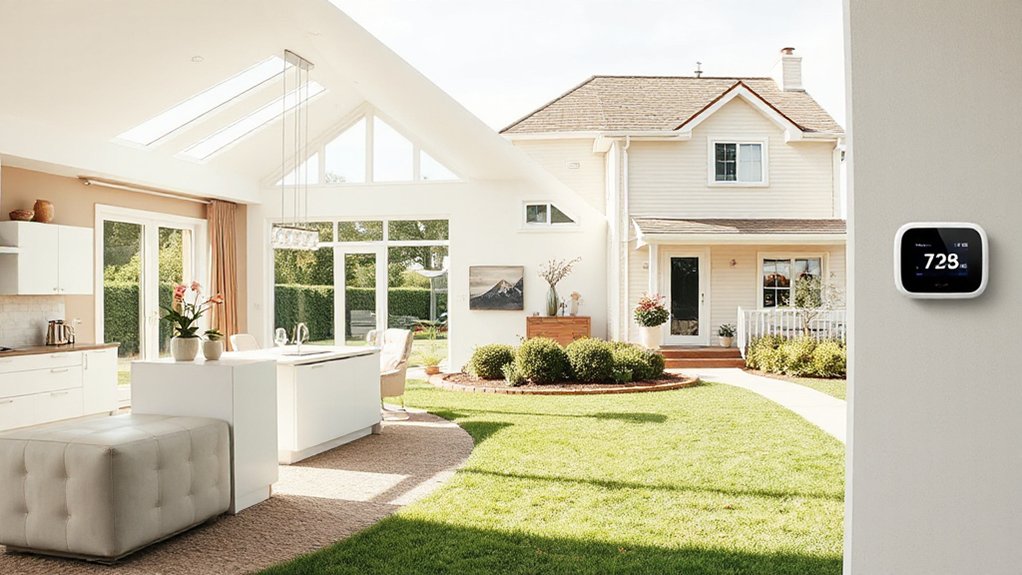
To maximize your rental yield, start by setting clear, ROI-driven goals for your semi-detached home. You’ll begin with a precise market analysis to anchor expectations, noting average rents, vacancy rates, and seasonal demand shifts in your area.
Translate insights into measurable targets: cap rate, rent-to-value ratio, and a realistic occupancy timeline.
Then align upgrades with tenant preferences, prioritizing features that tenants actually value, such as functional layouts, reliable storage, and modernized kitchens.
Define success metrics for renovations, like cost per square foot and projected monthly cash flow.
Build a timeline with milestones and review points, adjusting as market signals change.
Keep documentation organized, so you can defend decisions to lenders or partners and stay ROI-focused throughout the upgrade process.
Prioritize Energy Upgrades That Save Long-Term Rent Income
Upgrading with energy savings gives you a clear ROI path while boosting long-term rent stability.
Focus on high-impact upgrades—insulation, efficient heating and cooling, and smart controls—that cut monthly bills for tenants and reduce vacancy risk.
Track cost vs. savings over time to demonstrate steady income growth and attract appliance-conscious renters.
Energy Savings ROI
Ever wondered which upgrades yield real rent income over time? You’ll quantify ROI by annual energy savings, factoring in upfront costs, maintenance, and depreciation.
Target high-use areas first, like heating, cooling, and hot water, then stack incentives to improve payback. Keep these practical bets in mind:
- Install high-efficiency boilers or heat pumps to slash seasonal bills
- Add smart meters and data-driven controls to optimize setpoints
- Upgrade insulation and sealing to reduce heating loads
- Adopt LED lighting and smart thermostats for continuous savings
- Explore Renewable energy options (rooftop solar) with favorable net metering
Track year-over-year savings, compare to project costs, and project a 5–7 year payback.
Align upgrades with rental value growth and tenant comfort.
Long-Term Rent Stability
Start with high‑efficiency systems: heat pumps, insulation, and LED lighting, then pair them with smart thermostats to prevent spikes during cold snaps. Document expected savings and weave them into your leasing pitch to attract quality tenants.
In tenant screening, look for applicants who value predictable costs and long tenures, reducing turnover risk.
For lease renewal, offer a plan that locks in energy savings for another term, with transparent maintenance schedules and utility cost projections.
Tie incentives to renewal timelines, not just rent, to reinforce stability and maximize rent income over time.
Upgrade the Kitchen for Higher Rental Appeal and Returns
Transforming the kitchen is one of the fastest ways to boost a semi-detached home’s rental appeal and returns: a modern, efficient space attracts quality tenants and supports higher rents. You’ll prioritise practical upgrades that deliver value without overextending your budget.
Focus on lighting, storage, and durable finishes that withstand daily use.
- Install layered Kitchen lighting to improve mood and task visibility
- Upgrade appliances with ENERGY STAR models for lower operating costs
- Choose a timeless cabinetry layout to maximize counter space
- Add a solid surface countertop for longevity and easy cleaning
- Invest in a functional island or peninsula for social dining and prep
Prioritize efficiency, durability, and aesthetics, and you’ll create a kitchen that rents quickly and commands premium rates.
Modernize Bathrooms to Boost Desirability and Value
Choose mid-priced porcelain or stone-look tiles, solid-surface countertops, and corrosion-resistant hardware to reduce future repair costs. Plan layouts that separate wet areas from vanities, optimizing flow and privacy in smaller spaces.
Update with timeless, neutral palettes to appeal to a wide tenant base and avoid rapid obsolescence. Focus on smart yet affordable upgrades: bathroom fixtures that blend form and function, and lighting designs that maximize brightness while minimizing glare.
Complete the look with coordinated accessories and durable mirrors for a polished, rental-friendly result.
Improve Insulation and Air Sealing for Comfort and Bills

You’ll start by boosting wall insulation to cut heat loss and keep rooms evenly warm.
Next, seal air gaps thoroughly around doors, windows, and penetrations to stop drafts and improve efficiency.
Finally, optimize ventilation hours to balance fresh air with energy use, so comfort stays high without spiking bills.
Improve Wall Insulation
Improving wall insulation is one of the quickest, most cost‑effective ways to boost comfort and slash energy bills on a semi‑detached home. You’ll gain steady warmth, fewer drafts, and consistent indoor temperatures without overhauling your whole shell. Focus on practical upgrades that blend with existing wall aesthetics and optimize insulation materials for long‑term performance.
- Assess existing wall types and choose suitable insulation materials
- Consider mineral wool or batt fiberglass for cavities
- Add continuous insulation behind exterior cladding where possible
- Seal minor gaps around outlets and wires as you install
- Verify overall thickness meets local energy codes and returns in rent
This approach keeps interior lines clean, supports efficient HVAC loads, and aligns with current trend toward visible, well‑insulated walls.
Seal Air Gaps Thoroughly
After boosting wall insulation, the next step is sealing air gaps thoroughly to stop drafts and lock in the gains. You’ll improve air tightness by targeting common leak points: around window frames, door thresholds, attic hatches, electrical outlets, and plumbing penetrations.
Use high-quality caulk for static gaps and expanding foam for larger voids, but avoid overfilling to prevent bowing or moisture traps. Invest in weatherstripping for doors and draft stoppers at the bottom of front and back doors.
For masonry gaps, consider foam backer rods before sealant to maintain depth. Inspect for hidden conduits and vent pipes that bypass typical seals.
Track progress with simple blower-door or smoke tests to confirm air tightness improvements, and document sealing techniques for future maintenance. This boosts comfort and rental yield.
Optimize Ventilation Hours
Could optimizing ventilation hours actually trim energy bills while keeping indoor air fresh? Yes—targeted hours boost ventilation efficiency without overdoing it, while supporting comfort and occupant health. You’ll balance fresh air with heat retention by aligning fans and, if applicable, ERV/HRV schedules with occupancy and outdoor conditions.
Focus on modest, repeatable routines, not constant running.
- Set back ventilation during unoccupied stretches and peak heat or cold
- Time whole-house exchanges to morning and evening for best comfort
- Prioritize zones with drafty walls or moisture risks for adjustments
- Pair with smart sensors to fine-tune airflow management
- Schedule seasonal checks to recalibrate filters and damper positions
This approach sharpens efficiency, reduces bills, and maintains breathable indoor air.
Choose Smart Features Tenants Actually Value
When you’re choosing upgrades, focus on features tenants actually value and will pay for, not just what looks flashy. Start with practical priorities: security, energy efficiency, and convenience that translate to lower utility bills and easier living.
Smart security is a top selling point: doorbell cams, tamper alerts, and remote access give peace of mind without invasive complexity. Pair that with automated lighting that adapts to occupancy and schedules, reducing waste and delivering consistent ambiance.
Prioritize durable, low-maintenance choices over flashy gimmicks, like quality blinds, programmable thermostats, and reliable Wi‑Fi‑connected devices that tenants can control from one app.
Avoid overloading circuits; ensure wiring supports future upgrades.
Finally, document warranties and maintenance plans to reassure tenants you’re invested in long-term value.
Elevate Curb Appeal With Low-Cost, High-Impact Fixes
Spruce up your curb appeal without breaking the bank by prioritizing high-impact, low-cost fixes that buyers and renters notice first. You’ll create instant appeal with targeted, practical upgrades that don’t disrupt budgets or routines.
Focus on quick wins that boost yard and facade perception, then layer in thoughtful details that signal durability and care.
- Landscaping enhancements: tidy borders, mulch fresh, and drought-tolerant plants for color with low maintenance
- Exterior lighting: install warm LEDs along walkways and entry, improving safety and attractiveness
- Front door upgrade: repaint or stain, add a seasonal wreath, and a clean doorstep
- Window accents: trim, clean panes, and add shutters or decorative planters
- Pathway refresh: pressure-wash, seal cracks, and align stones for a welcoming approach
Create a Phased Renovation Plan and Budget With Milestones

Creating a phased renovation plan with a clear budget and milestones keeps big improvements manageable and measurable. You map scope to phases, starting with essential systems, then cosmetic upgrades.
Set a total cap and break it into milestone budgets tied to specific deliverables, like windows, insulation, or bathroom updates, so you can track progress without overspending.
Align each phase with your target rent lift and disruption tolerance, avoiding backlogs that inflate costs. Include Historical preservation considerations where relevant, preserving character while modernizing function.
Schedule contractors to maximize overlap but protect continuity, and build in contingency funds for unforeseen issues.
Document decisions in a living master plan, noting architectural styles you’re honoring to maintain curb appeal.
Revisit milestones quarterly to adjust timelines, costs, and vendor choices as needed.
Measure Impact: Price Rents and Reduce Vacancy After Upgrades
Evaluating impact starts with a clear pricing test: after upgrades, run targeted rent comparisons to similar semi-detached properties in your neighborhood and adjust rents to reflect improved features, energy savings, and enhanced curb appeal.
You’ll use historical comparisons and market trend analysis to calibrate expectations and minimize vacancy.
- Compare unit-by-unit features, finishes, and energy upgrades across benchmarks
- Track occupancy rates and days-on-market after each pricing adjustment
- Align rents with neighborhood demand signals and seasonal cycles
- Quantify vacancy costs versus incremental rent increases
- Reassess quarterly and iterate pricing based on real data
Frequently Asked Questions
How Do I Calculate ROI for Semi-Detached Upgrades?
You calculate ROI by estimating net annual gain from upgrades divided by total cost. Include landscaping improvements and security enhancements, account for maintenance, vacancies, and tax impacts, then track over 3–5 years to refine your projections and strategy.
Which Upgrades Deliver the Fastest Rent Premium?
You’ll maximize rent fastest with landscaping improvements and smart home technology, delivering curb appeal and efficiency. You’ll install energy-efficient systems, smart thermostats, secure Wi‑Fi-enabled devices, and low-maintenance plants to attract tenants who value modern conveniences.
What Lease Structures Maximize Post-Renovation Income?
You should favor longer-term, flexible leases with built-in rent steps and renewal options, since this often boosts post-renovation income. Interior design and landscaping enhancements create consistent demand, while monthly escalators align with market trends and occupancy stability.
How Can I Assess Tenant Willingness to Pay More?
You can gauge tenant willingness to pay more by surveying preferences, monitoring rent trends, and testing small price increments; listen for signals in feedback, emphasize value in upgrades, and document tenant preferences during negotiations for strategic rent negotiation.
What Are Common Upgrade Pitfalls to Avoid?
Avoid over investing in renovations; common upgrade pitfalls include ignoring market-demand features and over-customizing. Focus on interior aesthetics and landscaping improvements, guarantee durable materials, budget controls, and phased upgrades to maintain rentability and avoid scope creep.
Conclusion
You’ll notice rents rise faster than a skyline on payday, and vacancies drop like a stone in a pond. With ROI-driven goals, energy upgrades, a kitchen and bath glow-up, airtight insulation, smart conveniences tenants actually care about, and curb appeal that stops every passerby in their tracks, your semi-detached will feel like a brand-new castle. Phase it smartly, track every dollar, and watch demand surge, margins widen, and your investment practically prints money.