


A seasonal garden makeover blends resilience, beauty, and function so you can enjoy color, texture, and use year-round. You’ll map microclimates, pick native and drought-tolerant plants, and layer elements for structure and interest. With smart hardscaping, adaptable zones, and a practical lighting plan, you’ll see how every season shifts your landscape’s mood and usefulness. The framework may surprise you with its budget wins and maintenance rhythm—and that balance could change how you plan your space.
Frame the Year-Round Garden: Your 6-Step Plan
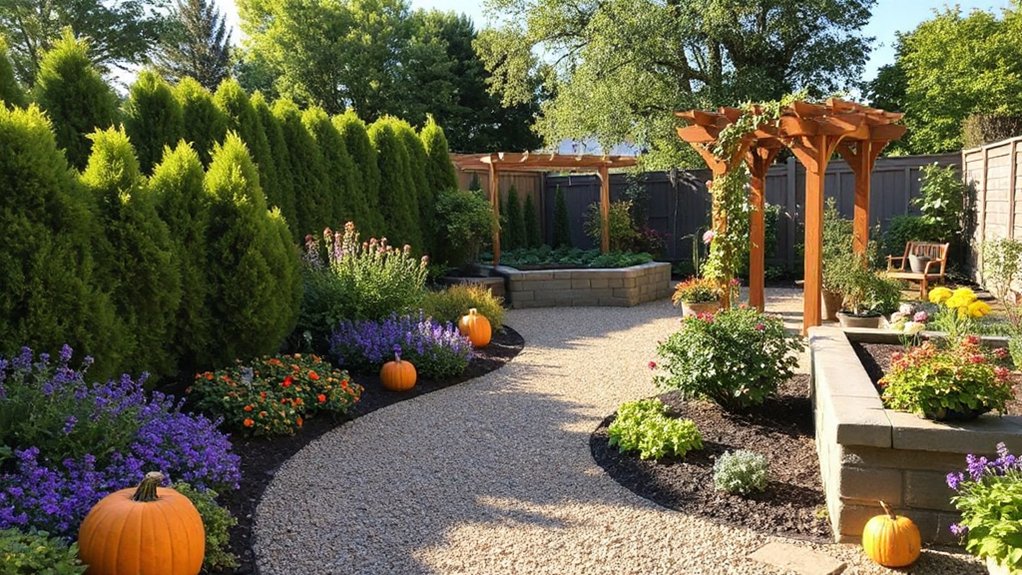
To frame a year‑round garden, start with a clear, six‑step plan that guides seasonal decisions and ongoing maintenance. You map objectives, prioritize microclimates, and balance aesthetics with function.
Step one, assess site and soil; test, amend, and plan drainage.
Step two, define zones for sun, shade, and wind; allocate paths, beds, and boundaries.
Step three, select adaptive plantings that span seasons, pairing evergreen structure with seasonal bloom.
Step four, integrate garden art and habitat features to enrich experience without clutter.
Step five, create wildlife habitat through diverse textures, water features, and native species.
Step six, establish maintenance cadence, data logging, and revision cycles. You’ll refine routines, monitor results, and adapt.
The result: a resilient, inviting space built for year‑round enjoyment.
How Seasonal Gardens Tell Their Year-Round Story
Seasonal gardens tell their year-round story by weaving structure, color, and texture across every season, so you experience a coherent narrative rather than isolated moments. You design with cyclical rhythms: persistent backbone, dynamic accents, and evolving focal points that shift as conditions change.
Seasonal storytelling isn’t random; it’s planned cadence—a sequence of textures, forms, and hues that reads as a single, continuous plot. You map progressions between seasons, aligning bloom windows with structural elements and maintenance tasks to keep the plot advancing.
Garden narratives emerge through contrasts, repeats, and layered color that’s legible from spring through winter. When you choreograph these elements, you create a living timeline that informs care priorities, microclimate adjustments, and visitor experience year after year.
Choosing Plants That Shine All Year
Prioritize reliable performers: dwarf evergreens for backbone, grasses for motion, and small flowering shrubs for color shifts. Integrate herb arrangements for scent and utility in-season, ensuring pots or beds stay productive across quarters.
Plan vertical dimensions alongside horizontal spread to maximize light capture and accessibility. Consider vertical gardens to amplify seasonal impact without crowding ground space.
Choose plants with compatible soil, sun, and moisture needs, and tag maintenance tasks to prevent gaps in interest. Schedule reviews to refresh contrasts and keep structure intact.
Layering for Texture: Foliage, Structure, and Color
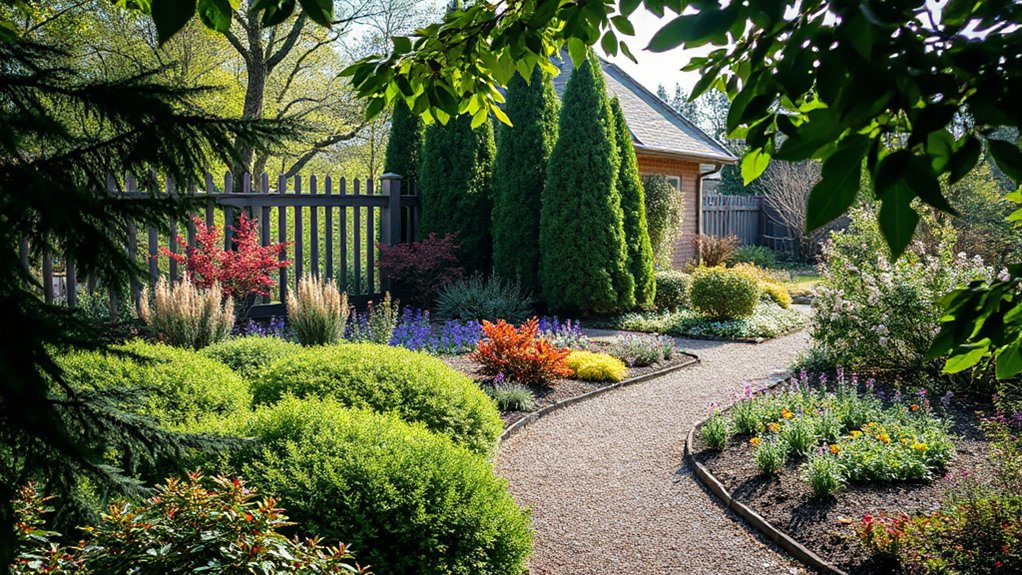
You’ll start by layering foliage textures to build depth, using varied leaf shapes and sizes for tactile contrast.
Balance structure with color by mixing upright stems, spreading forms, and seasonal hues to create ongoing visual interest.
Aim for harmonized texture, color, and form so your garden reads as a cohesive, multi-season tapestry.
Foliage Texture Layering
Layering foliage for texture means thoughtfully combining leaf shapes, sizes, and surfaces so the garden reads as a cohesive sculpture from spring through fall. You mix broad, lobed leaves with slender, linear greens to create deliberate contrast, guiding eye movement across borders and beds.
Prioritize texture variation by pairing matte, fuzzy, and glossy surfaces, so light catches each layer differently as seasons shift. Use mid-height plants as anchor points, then stage lower and taller elements to reveal depth without crowding sightlines.
Consider leaf edge, venation, and surface reflectivity to expand the palette beyond color alone, ensuring visual interest even when foliage is muted. Remember, foliage contrast and texture variation support structure, rhythm, and year-round legibility.
Color and Structure Harmony
Color and structure should work in tandem to guide the eye and anchor season-long rhythm, so you layer foliage not just by hue but by form and build. You pair leafy textures with architectural elements to create rhythm, balance, and movement across beds and edges.
Start with a backbone of structural plants—evergreen trunks, bold silhouettes, architectural grasses—that provide year-round anchor. Then layer color with understory foliage and seasonal blooms, ensuring color contrast remains visible under diffused light and stark sun.
Maintain structural balance by distributing mass evenly along sightlines and avoiding crowding. Use scale, repetition, and contrast to avoid flatness; let foliage density rise and fall with path and bed shape.
This disciplined layering yields durable personality and year-round coherence.
Designing for Color Transitions Across the Year

When planning a year-round palette, look for plants that deliver shifting color as seasons change, so your garden reads as a cohesive canvas rather than a collection of isolated moments. You’ll design with deliberate progressions, selecting species that demonstrate predictable color shifts and compatible textures.
Emphasize color blending across layered plantings, ensuring mid-season blooms bridge gaps between extremes. Use a disciplined plant pairing approach: pair complementary hues, repeat motifs, and respect bloom timing to avoid abrupt changes. Consider foliage color and fruit or stem accents to sustain interest after flowering fades.
Develop a palette that remains legible in overcast days, then rewards attention with evolving focal points. Document your combinations, adjust for local climate, and refine progressions through seasonal pruning, fertilization, and deadheading.
Reading Your Site: Sun, Shade, and Microclimates
Understanding your site’s sun exposure, shade patterns, and microclimates is the foundation of any successful garden plan. You’ll evaluate how daylight shifts through seasons, where long shadows form, and where warm or cool pockets persist.
Map key factors: site microclimates, wind paths, reflected heat from structures, and existing vegetation. Record sun angles at solstices and equinoxes, then note shade intensity from trees, fences, and buildings.
Plan by layering: sun-loving beds in full sun, partial shade zones for woodland plants, and cool microclimates for moisture lovers. Shade management becomes a practical tool: prune strategically, install permeable screens, and select drought-tolerant options for hot seams.
Use this diagnostic to choose resilient species and incremental tweaks that sustain function year-round.
Flexible Zones for Everyday Use
You’ll design flexible zones that adapt to daily tasks, balancing arable beds, seating, and tool access in a single flow.
Keeping everyday access paths clear anchors movement between productive spaces and relaxation areas while guiding seasonal shifts.
This approach harmonizes space planning, circulation, and functional zones so changes in use or weather are effortless.
Flexible Space Planning
Prioritize sightlines and circulation to prevent bottlenecks between cooking, dining, and lounging spaces. Implement durable surfaces that tolerate seasonal wear and easy cleaning, then pair them with weather‑resilient textiles.
Consider container arrangements to host seasonal crops or display dynamic color blocks without heavy planting changes. Include Wildlife habitats near perimeters to encourage biodiversity while maintaining easy maintenance and access.
This approach aligns accessibility, function, and aesthetics across seasons.
Everyday Access Paths
Prioritize clear sightlines, stable footing, and accessibility for all ages and abilities. Choose garden pathways that are durable under foot, weather, and foot traffic, then match pathway materials to nearby hardscape and plant palettes to reduce maintenance.
Balance permeability with cleanliness to minimize mud and off-path erosion. Implement modular layouts like short segments, tangential connectors, and hinge points that reconfigure seasonally or for special events.
Plan drainage, edging, and surface texture to prevent trips while keeping aesthetics cohesive with adjacent beds and seating.
Seasonal Zone Transitions
Seasonal Zone Shifts balance function and flow by shifting how spaces are used as conditions change, keeping pathways, seating, and planting aligned with current needs. You adapt layouts seasonally, using flexible zones to support activity, weather, and light patterns without rebuilding foundations.
This approach enhances Garden aesthetics by pairing robust plant diversity with modular components, so borders, shade, and sun zones can move in concert with tasks, from dining to quiet reflection. Materials remain consistent to preserve cohesion while progressions occur, reducing maintenance and waste.
You’ll map microclimates, select multifunctional furniture, and group plants by water needs and bloom windows for year-round interest. Emphasize clear sightlines, safe circulation, and scalable infrastructure that accommodates future changes.
- Map microclimates and adjust zones
- Pair multifunctional furniture with plant diversity
- Maintain cohesive materials and clear sightlines
Hardscaping That Supports Seasonal Beauty
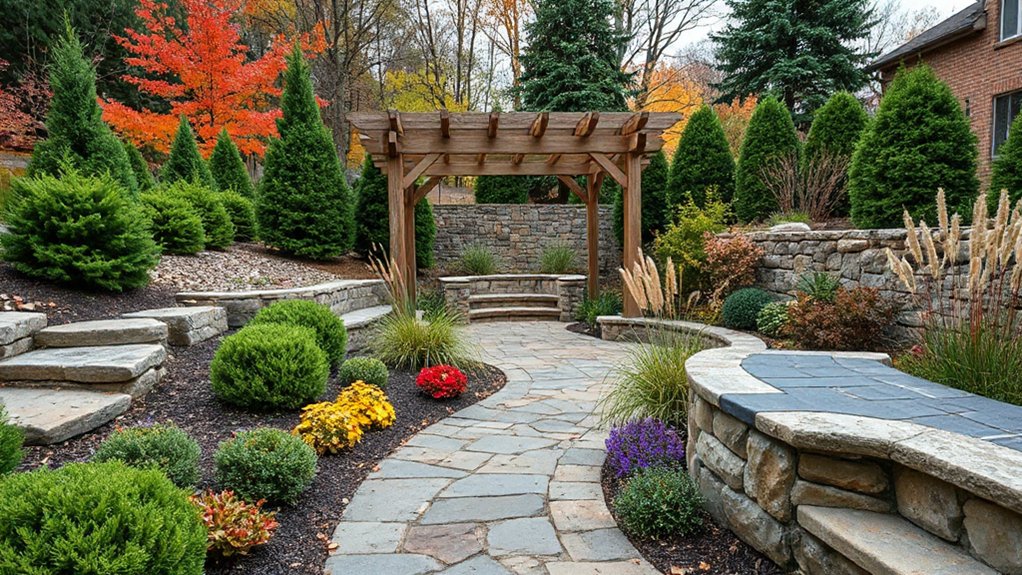
Are you maximizing year‑round appeal with hardscaping that supports seasonal beauty? You’re designing resilient surfaces that blend with plant cycles and weather shifts.
Prioritize hardscaping durability by selecting materials with proven freeze–thaw performance, slip resistance, and low maintenance, so paths and patios stay usable across seasons.
Integrate stone pathways with texture and color that echo seasonal palettes, guiding movement while reducing turf wear.
Use modular elements to adapt layouts as beds shift, and design passages between hardscape and planting to minimize glare and heat buildup in summer.
Guarantee irrigation, drainage, and grading align with your overall plan to prevent pooling and erosion.
Consider lighting and seating that extend usability after dusk, enhancing safety and enjoyment year round.
Soil Health as the Groundwork for Color
Soil health underpins every color you see in the garden, and it starts with the basics: structure, biology, and chemistry that support plant roots and microbial activity. You enhance color by improving how roots explore, hold water, and access nutrients. Practical steps integrate science and craft, aligning soil processes with plant needs across seasons.
Focus on soil improvement through targeted amendments and living biology, not just inputs. Track pH, texture, and organic matter to guide decisions, and tailor strategies to your climate and beds. By combining physical structure, microbial life, and nutrient balance, you empower vibrant growth and sustained color.
- Test and adjust soil structure and pH for ideal root function
- Implement compost application to boost biology and nutrient reserve
- Schedule gradual soil improvements to maintain plant performance
Watering, Mulching, and Feeding Through the Seasons
When you manage watering, mulching, and feeding throughout the year, you optimize water use, protect root zones, and sustain soil biology across seasons. You’ll apply targeted irrigation strategies, adjusting frequency and volume to plant stage, weather, and soil texture—this is the core of watering techniques.
Mulching benefits include moisture retention, temperature moderation, and weed suppression, so choose organic or inorganic cover based on project goals and composting capacity.
Feeding cycles align with growth spurts, root development, and microbial activity; use balanced, slow-release blends or compost teas to avoid nutrient shocks. Coordinate timing with pruning and spacing to minimize stress.
Record observations, monitor soil moisture, and adapt inputs seasonally to maintain plant vigor without waste.
Native and Drought-Tolerant Selections for Resilience
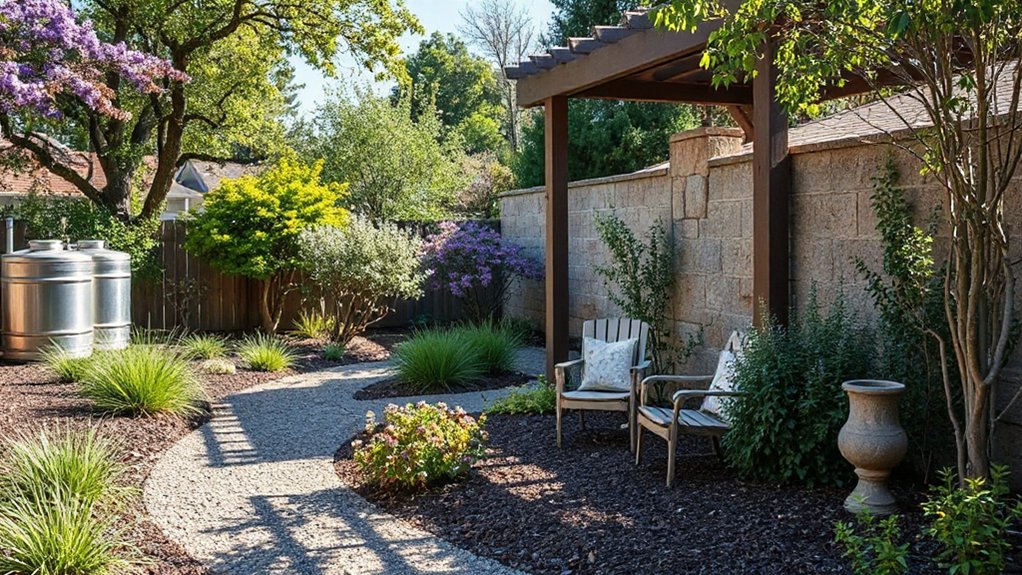
Native selections thrive in local soils and microclimates, offering reliable performance with less water and maintenance. Drought-tolerant winners prove resilient across seasons, reducing irrigation needs while supporting pollinators and soil health.
Native Selections Thrive
- Choose locally adapted natives that attract pollinators and wildlife.
- Assess soil and microclimates, adjusting amendments for ideal moisture.
- Implement efficient irrigation and mulching to sustain thriving ecosystems.
Drought-Tolerant Winners
Curious about resilience? You’ll choose drought-tolerant winners that suit your site’s sun, soil, and microclimate. Prioritize native and hardy selections that thrive with minimal irrigation, yet deliver year‑round structure.
Consider shrub options for windbreaks and seasonal color, plus perennial modules that re-bloom with smart pruning. Implement Succulent arrangements where water‑wise interest meets texture, avoiding battalions of thirsty plants.
Group plants by water needs to minimize maintenance and waste, aligning with Xeriscape principles: efficient irrigation, mulching, and soil‑level moisture retention.
Design paths and beds to guide airflow and reduce evaporation, then layer native grasses for movement and contrast.
Pair drought tolerance with functional garden tasks—edible foregrounds, pollinator habitat, and durable seating zones for resilience.
Your landscape becomes practical, precise, and self-sustaining.
Fragrance and Pollinators: Plants by Season

Ever wondered how to maximize scent and pollination across the seasons? You’ll craft a layered palette that favors Fragrant blooms and steady Pollinator attraction. Start with season-specific combos: spring bulbs with early-blooming herbs; summer perennials that emit strong notes at dusk; autumn shrubs that retain fragrance as notes shift.
Use diverse flower forms to lure bees, butterflies, and hummingbirds without overwhelming maintenance. A practical approach is to group plants by bloom time and scent intensity, coordinating with foliage texture for year-round interest. Pair scented varieties with windbreaks or trellises to extend fragrance into outdoor spaces.
Consider soil, light, and water needs to guarantee reliable bloom and pollinator visits.
- Spring: pungent herbs and bass-note florals
- Summer: bright, nectar-rich clusters
- Fall: lingering fragrance and seed-head interest
Annuals, Perennials, and Seasonal Guests: A Rotation Plan
A practical rotation plan keeps annuals, perennials, and seasonal guests aligned with light, soil, and moisture cycles.
You’ll coordinate rotations through a seasonal palette, matching plant lifespans and color beats to maintenance windows and climate windows.
This approach balances rotation between plants and a cohesive seasonal palette strategy for year‑round interest.
Rotation Between Plants
Rotation between annuals, perennials, and seasonal guests is essential to maintain soil health, manage pests, and optimize yields. A thoughtful rotation plan reduces disease buildup and nutrient depletion while keeping beds productive year after year.
- Plan yearly beds by grouping crops with similar nutrient needs to minimize soil fatigue and simplify soil preparation.
- Alternate aboveground and root-centric crops to disrupt pest life cycles and preserve soil structure.
- Track plant families and timing to maximize plant pairing benefits and maintain soil biology.
A disciplined rotation blends diversity with practicality, leveraging perennial regrowth gaps and seasonal guests to extend harvest windows. You’ll map beds, swap locations, and adjust based on compost activity, rainfall, and observed soil tilth.
This approach stabilizes yields, supports integrated pest management, and supports resilient garden systems.
Seasonal Palette Strategy
Plan a rhythm: spring blooms, mid-season fillers, and late-season accents that extend interest without exhausting bed prep. Use color psychology to position plant groups, guiding mood: cool tones calm, warm tones energize, contrast highlights focal points.
Rotate taxa to prevent disease buildup and nutrient depletion, aligning root depth and canopy cover with fertility schedules. Map garden symbolism into placement—herbs near entrances, sun-loving symbols at light borders—then adjust for microclimates.
Maintain a simple rotation log to optimize succession, soil life, and visual cohesion across seasons.
Lighting for Color, Texture, and Nighttime Interest
Strategic lighting can transform nighttime texture and color in your garden by highlighting leaf patterns, bark tones, and sculptural forms, while also extending usability after dark. You illuminate focal plants and textures with purpose, avoiding glare and mismatched hues.
Think in layers: path wash, specimen uplight, and subtle downlight for canopy drama. Choose color temperature to support garden art and wildlife habitats, guiding visitors without startling nocturnal visitors.
Energy-efficient LEDs offer longevity and control, while timers and sensors tailor brightness to seasons and events. Combine accent lighting with shadow play to reveal form and movement after dusk, enhancing year-round function.
- Layered lighting plan that matches plant structure and seasonal color
- Warm, neutral, and cool tones balanced for garden art and wildlife habitats
- Timers, dimmers, and motion sensors for efficiency and safety
Seasonal Pruning and Maintenance Calendar
A seasonal pruning and maintenance calendar helps you keep plants healthy, safe, and attractive year round, aligning tasks with growth cycles, weather windows, and wildlife considerations. You’ll map key pruning techniques to each plant group, scheduling dormant-season cuts for structure and health and selective summer trims to shape growth.
Prioritize tool readiness: pruning shears, loppers, saws, gloves, and disinfectant to prevent disease spread. Maintain a routine for mulching, staking, and irrigation checks, pairing them with forecasted rain or irrigation cycles to minimize stress.
Document whether a plant is spring-flowering or late-blooming to avoid removing desirable buds. Monitor pest pressure and nutrient needs, adjusting maintenance tools and schedules accordingly.
Review results quarterly, refining pruning techniques and workload balance for year-round resilience.
Budget-Smart Makeovers: Getting Big Color for Less
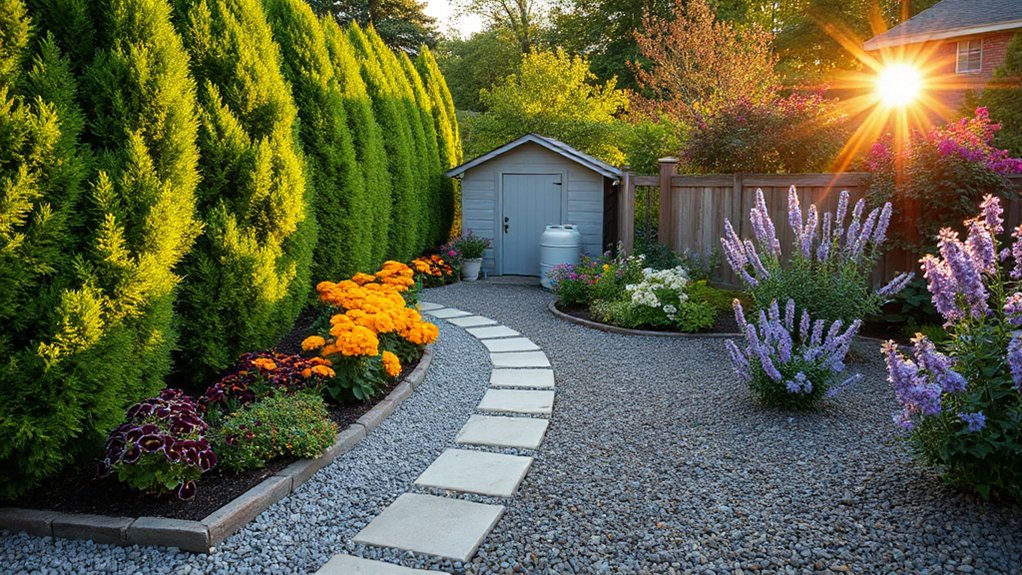
Can you get big, vibrant color in your garden without breaking the bank? Yes, with a budget-smart approach that emphasizes value, timing, and smart combinations. You’ll maximize impact by systematic plant pairing and inexpensive accents, then reuse structures as season changes demand.
Focus on designing with repeat color blocks, layering bloom times, and selecting sturdy, low-cost performers that perform year after year. Use garden accessories like planters, trellises, and recycled containers to elevate color without overspending.
Prioritize plants that combine long bloom windows with drought tolerance and compact growth so you don’t overdraw the budget on maintenance. Plan, group, and test ideas in small plots before committing large quantities, ensuring you achieve influential color while controlling costs.
- Choose plant pairing with overlapping bloom times for continuous color
- Reuse and repurpose garden accessories to boost visuals
- Favor perennials and tough annuals for enduring impact
Frequently Asked Questions
How Can I Ensure Year-Round Garden Color With Limited Sun?
You can keep year-round color with limited sun by choosing shade-tolerant plants and emphasizing colorful foliage; mix understory shrubs, perennials, and groundcovers, rotate seasonal blooms, and layer textures. Shade tolerant plants provide structure, while colorful foliage accents contrast.
What Are Budget-Friendly DIY Seasonal Makeover Ideas?
Budget-friendly DIY seasonal makeover ideas include container planting for rapid color swaps and thrift-workshop garden art accents. You’ll save cash, create impact, and shift seasons smoothly, using practical, precise steps that blend design, horticulture, and hands-on crafts.
Which Low-Maintenance Perennials Perform Across Seasons?
You’ll want evergreen shrubs and drought tolerant perennials that perform across seasons, minimizing care. Plant and mulch strategically, monitor water, and pair with proper soil. This multidisciplinary approach keeps color, structure, and resilience in your garden year-round.
How Do I Balance Fragrance With Pollinator Needs Year-Round?
You balance fragrance with pollinators by designing fragrance layering that respects bloom times and nectar needs, ensuring Pollinator compatibility across seasons, while you select calm, scent-rich plants, mix natives, and stagger flowering for continuous, practical fragrance without depletion.
What Shady Spots Benefit Most From Seasonal Foliage Textures?
Take shade in stride; understory plantings with varied foliage textures boost seasonal interest. In shady spots, mix hostas, ferns, and astilbes for durable garden shading, while contrasting shapes and colors keep the palette lively year-round.
Conclusion
In sum, your garden becomes a living timeline, shifting with seasons like a well-tuned chorus. You plan, plant, and prune with purpose—layering texture, color, and light to carry interest year-round. Think of resilience as your backbone and drought tolerance as your quiet partner. With dosed maintenance and smart hardscape, you’ll harvest beauty and function in every quarter, turning soil into a steady performance space—practical, precise, and endlessly adaptable. Your yard, thriving through time.