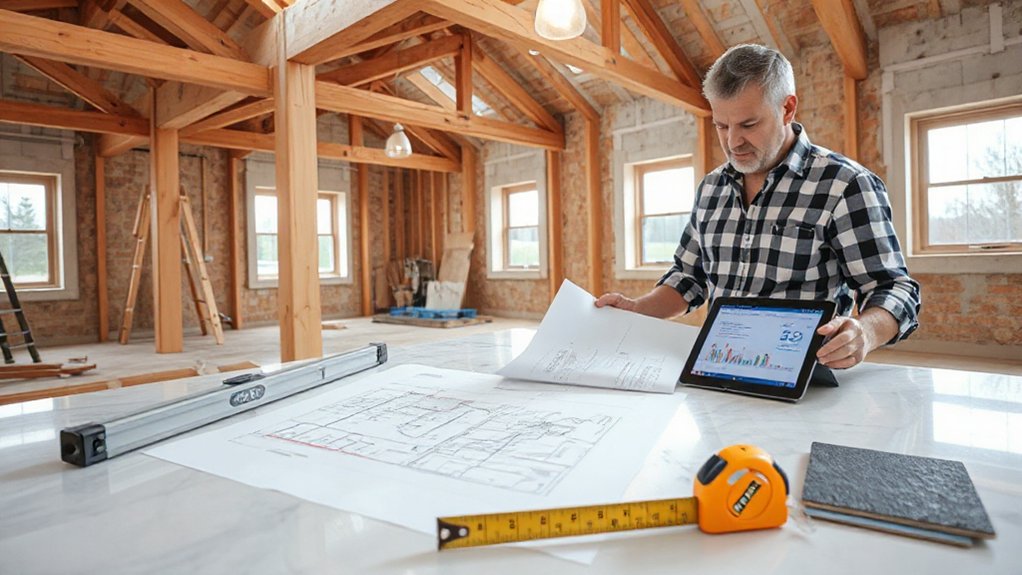

Choosing a reliable builder starts with solid credentials, clear scope, and honest costs. You’ll verify licenses, insurance, and standing with official bodies, then examine past projects for consistency in quality and timeline. Compare bids with a detailed framework, including contingencies and change procedures, and establish upfront communication norms and project management expectations. Watch for red flags like vague estimates or missed milestones. If a builder demonstrates transparency and proactive problem-solving, you’ll want to pursue them further—but you’ll want to proceed with caution.
Why a Reliable Builder Matters for Your Renovation
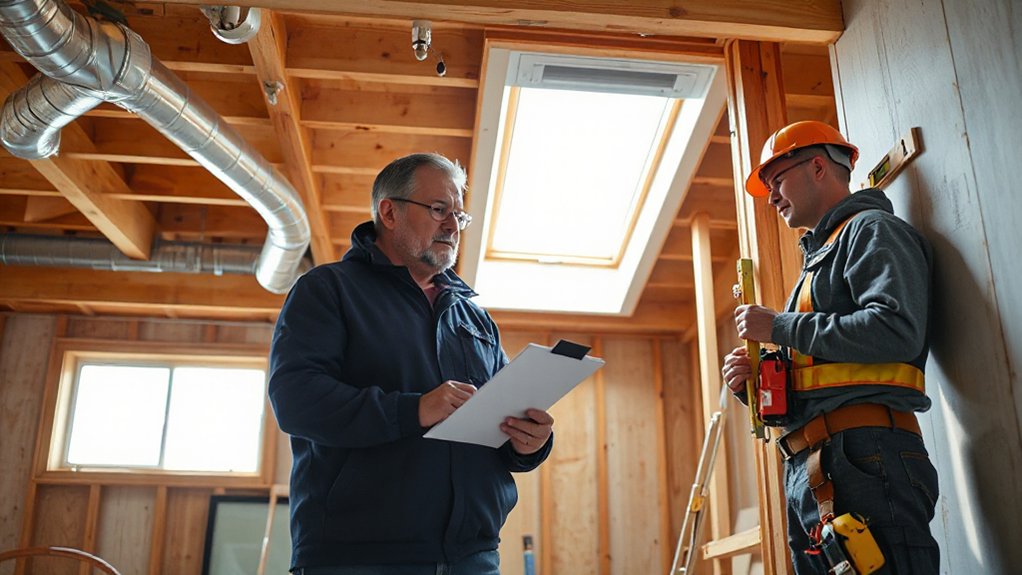
Choosing a reliable builder is essential because the quality, timeline, and budget of your renovation hinge on their expertise and integrity. You’ll see the impact in how projects unfold: clear schedules, dependable materials, and thorough safety practices.
A reliable builder delivers quality craftsmanship through precise workmanship, materials that endure, and meticulous site management. They document progress with transparent updates, promptly address discrepancies, and minimize change orders by refining plans early.
Ethical practices matter for your peace of mind, ensuring fair contracts, accurate cost reporting, and compliant licensing. When expectations align, you avoid rework and delays, while warranties and post-completion support stand behind the work.
In short, integrity paired with skill translates to fewer compromises and a renovation that meets your stated goals.
Define Your Renovation Priorities: Budget, Scope, and Timeline
Your renovation goals hinge on clearly defined priorities—budget, scope, and timeline—and setting them upfront helps you avoid costly surprises later. You’ll map tradeoffs between materials, labor, and schedule, then quantify each priority to guide decisions.
Prioritize a realistic budget with contingency, a feasible scope that aligns with your goals, and a timeline you can actually meet. Material selection affects both cost and quality, so document nonnegotiables early.
Design flexibility lets you adapt as options emerge without blowing the plan. Use evidence from bids to compare pacing, allowances, and lead times.
Track changes formally, and revisit priorities at major milestones.
- Budget benchmarks and contingency planning
- Scope boundaries and phase planning
- Timeline with milestones and buffers
- Design flexibility and material impact
Verify Licenses, Insurance, and Legal Standing Up Front
Before you sign a contract, verify that your builder holds valid licenses, appropriate insurance, and a solid legal standing.
Begin with license verification through your state or local authority; confirm current status, any discipline records, and scope of occupational licenses held.
Next, assure insurance confirmation covers general liability, workers’ compensation, and builder’s risk where applicable, requesting certificates with limits that meet project risk.
Verify corporate status and licensing board endorsements to avoid firms operating without proper authorization.
Documentation should align with the project’s value and location, renewing as needed.
Check for red flags: missing licenses, outdated certificates, or restricted practice.
This upfront diligence reduces risk, supports compliance, and strengthens accountability in disputes.
Keep notes, dates, and contact points for reference throughout the renovation process.
Read Past Work: Evidence of Consistent Quality
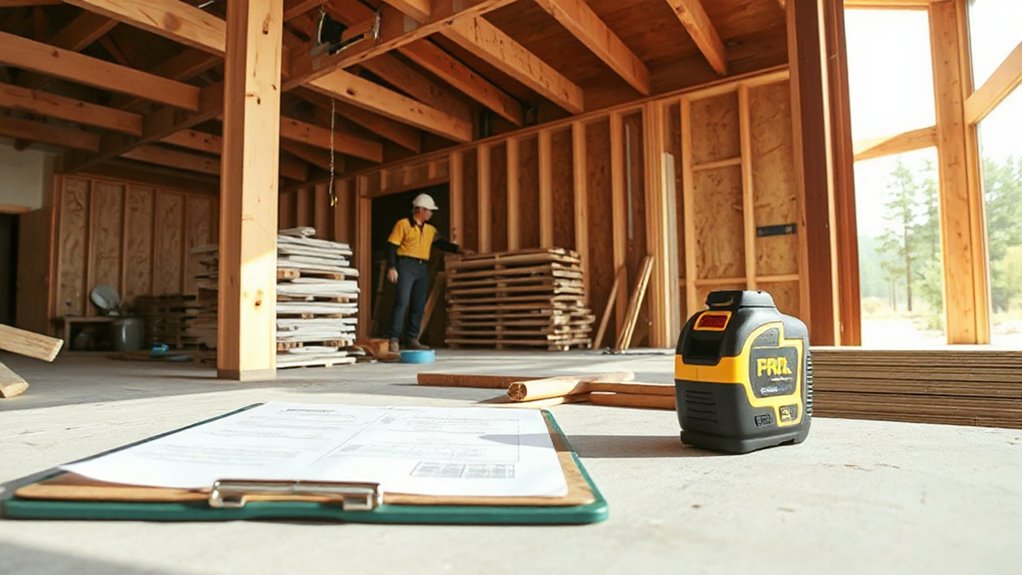
Look at how past projects were executed and finished, focusing on decisive details like timelines, materials, and finishes.
Assess consistency by comparing comparable jobs and spotting patterns in quality, responsiveness, and problem-solving.
Use documented outcomes—photos, specs, and client feedback—to gauge reliability across projects.
Analyzing Past Projects
When evaluating a builder, start with their past projects to gauge consistency and workmanship. You’ll assess how they delivered on scope, timelines, and finishes, then map patterns across jobs to anticipate future performance. Look for documented precedents that align with your design intent and budget.
Pay attention to how they handle design trends and material sourcing, ensuring choices were durable and appropriate for climate and use. Check photos, specs, and any third-party inspections for uniform quality.
Ask for a portfolio timeline and client feedback, focusing on how issues were resolved. Finally, verify compliance with codes and warranty terms, confirming they stand behind work beyond project completion.
- Portfolio breadth and relevance to your project
- Consistency in finishes, deadlines, and budget adherence
- Documentation of material sourcing and substitutions
- Post-completion/repair responsiveness and warranty history
Consistency Across Work
Look for uniform craftsmanship quality in finishes, alignment of fixtures, and tolerance adherence, not just final appearance. Material sourcing matters: verify supplier reliability, material substitutions, lead times, and defect rates across sites to spot patterns.
Documented RFIs and issue logs reveal responsiveness and root-cause handling. Review subcontractor performance histories for consistency in workmanship and coordination.
Ask for a portfolio with project-by-project summaries, including budget adherence and completion dates. A track record of steady performance across varied scopes demonstrates durable reliability, reducing risk during your major renovation.
Compare Contractor Bids With a Clear Framework

When you compare bids, start with the breakdowns and check that each line item matches your project scope.
Look for equivalence in scope across bids so you’re not trading apples for oranges, and demand clear unit costs, quantities, and contingencies.
This framework helps you spot gaps, estimate true costs, and select bids that reflect the same work and quality.
Compare Bid Breakdowns
How do you compare contractor bids with confidence? Break down each bid into four core components, then assess them against concrete criteria. Start with total cost, but don’t stop there—examine itemized line items, contingencies, and payment schedules. Look for transparent assumptions, clear unit prices, and realistic timelines.
Track how well each bid aligns with your project goals, especially budget flexibility and design originality, and note any gaps that could become surprises later. Compare value, not just price, by weighing quality, warranty terms, and the contractor’s ability to manage risk. Use a standardized scoring approach for objective results, and document questions for short-listed bidders.
- Itemized vs. lump-sum clarity
- Contingency and schedule realism
- Payment milestones and protections
- Risk, warranty, and post-project support
Evaluate Scope Equivalence
Can you trust that two contractor bids are truly comparable? Not until you evaluate scope equivalence with a clear framework.
Start by listing each bid’s inclusions, exclusions, and assumed quantities, then map them to your project plan.
Check material compatibility: do both bids specify the same brands, grades, and delivery timelines, or will substitutions alter cost and quality?
Convert every line item to a common unit (square footage, cubic yards, hours) to surface hidden gaps.
Assess design flexibility: does one bidder offer during-construction alternates, updates, or revised drawings without price hikes?
Require a contingency and escalation clause in both bids for external price shifts.
Finally, compare procurement strategies, subcontractor quality, and warranty terms to guarantee you’re really counting the same scope.
Wrapping Contracts: Protections, Contingencies, and Change Orders
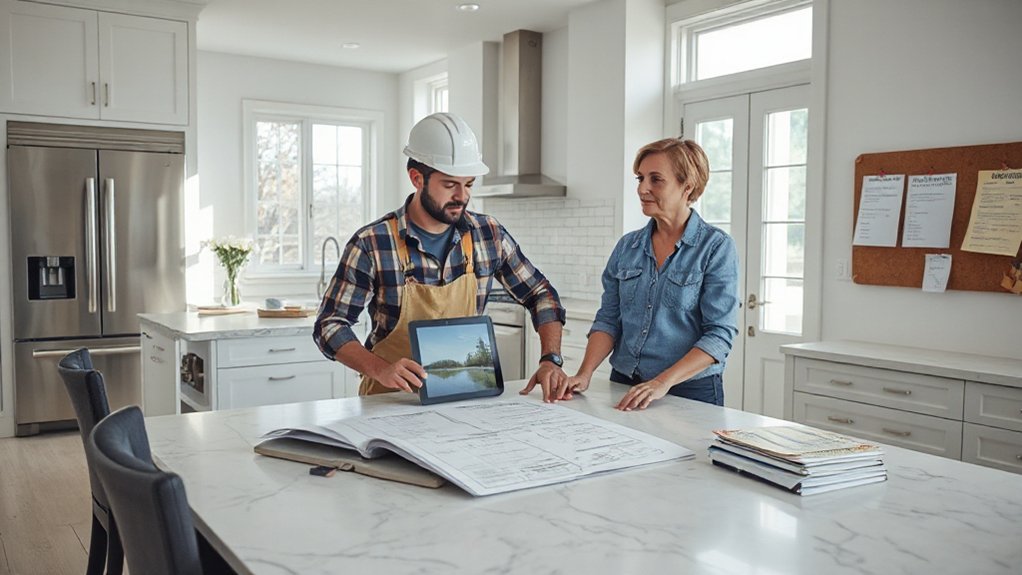
Wrapping contracts are the backbone of risk management in construction projects, defining protections, contingencies, and change-order processes up front so both parties know what to expect. You’ll benefit from clear, codified terms that reduce disputes and accelerate decisions when issues arise.
Focus on two core ideas: contractual protections and contingency planning.
- Explicit scope and payment terms to prevent scope creep
- Contingency allowances with predefined triggers and approvals
- Change-order protocol, pricing, and timing
- Dispute resolution and liquidated damages benchmarks
What to Expect in Communication and Project Management
Effective communication and disciplined project management are the backbone of a successful build, delivering clarity, accountability, and timely decisions.
You should expect a defined communication plan with scheduled updates, preferred channels, and response targets. Confirm who holds decision authority for design changes, cost adjustments, and schedule shifts, so you’re not left guessing.
Communication clarity matters: expect concise summaries, actionable items, and written records of every agreement.
Project scheduling should be detailed, with milestones, critical-path tasks, and buffer time for weather or material delays.
A reputable builder provides real-time progress tracking, weekly progress dashboards, and proactive risk disclosures.
You’ll receive early warnings for potential overruns, plus options to accelerate or re-sequence work.
Your goal is a predictable timeline, transparent costs, and a collaborative problem-solving approach.
Red Flags That Signal When to Walk Away
Red flags aren’t just warning signs; they’re concrete indicators you should step back and reassess before committing more time or money. When a builder misses milestones, ghosts schedules, or shows vague estimates, you’re likely facing deeper issues such as unprofessional behavior or hidden costs.
Trustworthy firms document scope changes and provide transparent pricing; if that’s missing, walk away. Signoffs should be formal, not verbal, and references must verify quality and reliability. Look for inconsistent licensing or insurance details, which protect you during disputes.
If subcontractor turnover is high, productivity and accountability suffer. Prioritize communication that’s proactive, not reactive.
- Unprofessional behavior and poor communication
- Hidden costs or unclear change orders
- Incomplete licensing, insurance, or permitting
- Frequent subcontractor turnover and missed milestones
Frequently Asked Questions
How Long Should a Renovation Project Realistically Last From Start to Finish?
A realistic renovation takes about 4 to 6 months, depending on scope and permits. You should plan for design considerations, material selection, and phased scheduling, with buffers for weather and inspections to avoid delays and maintain progress.
What Are Common Cost Overruns and How Can They Be Prevented?
Common cost overruns include scope creep, change orders, and underestimating contingencies. You prevent them with robust budget planning, detailed contracts, and tracking. Check contractor reputation, document decisions, and set milestones to manage expectations and avoid surprises.
How Will Changes to Scope Affect Project Schedule and Payments?
Changes to scope stretch the schedule and trigger budget adjustments; you’ll need formal change orders, revised milestones, and transparent contractor communication to align payments with updated work. Expect renegotiated terms, added contingencies, and documentation to protect timelines and costs.
What Warranty Coverage Is Typically Provided and for How Long?
Warranty coverage typically lasts one year for workmanship, with longer coverage for structural elements (often 5–10 years). You should verify specifics, request written details, and align warranty terms with project duration and major components.
How Often Will the Builder Provide Written Progress Updates?
You’ll receive weekly written progress updates, unless issues arise, then you’ll get more frequent notes. Expect clear communication frequency and documentation standards, with concise summaries, timelines, photos, and milestone confirmations to support a transparent, evidence-based workflow.
Conclusion
You’ll love how easy this is in theory: pick a licensed, insured pro, compare bids, and demand a tight schedule—no drama, right? In reality, you’ll chase credentials, parsed line items, and evasive timelines. Ironically, that diligence is your shortcut to peace of mind. Do the hard checks, demand clear change orders, and walk away from vague estimates. The right builder saves you from yourself and your wallet, not from your project’s inevitable surprises.