
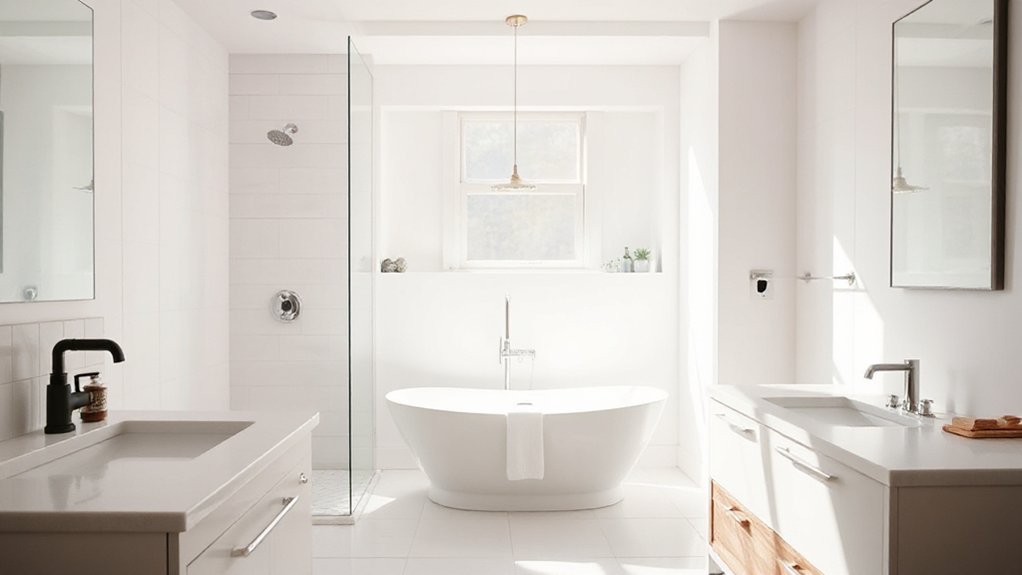

In a typical 2026 project, you might spend around $25,000 on a midrange full bathroom renovation, enough to refresh fixtures, tile, and plumbing without a reconfiguration. Costs swing with scope, materials, and regional labor rates, so a modest refresh stays lower while a gut remodel pushes higher. You’ll want to account for contingencies, because 10–20% helps cover surprises. For context and a practical budgeting framework, keep reading to compare project types, drivers, and smart-saving moves.
What a Full Bathroom Renovation Includes in 2026
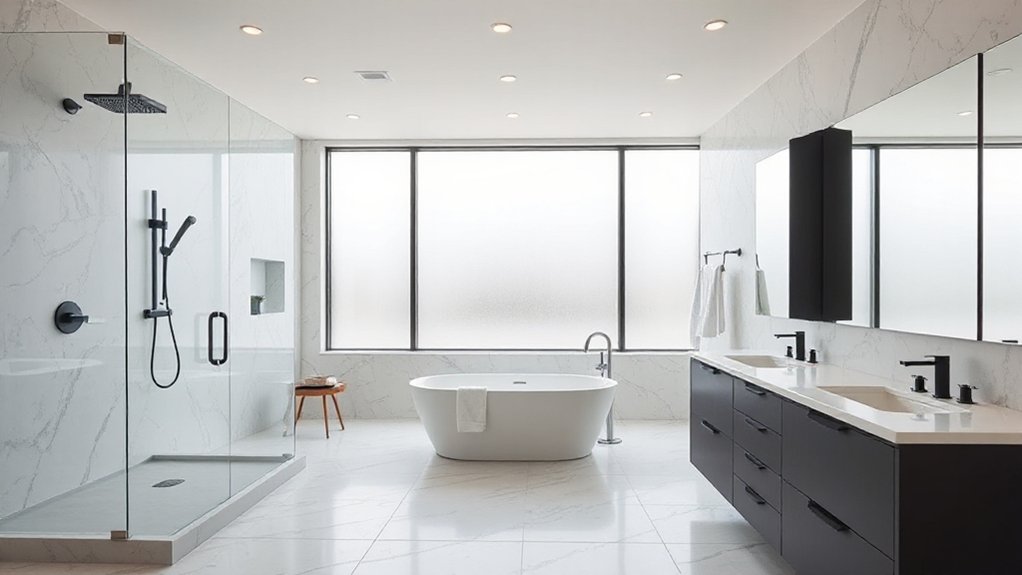
A full bathroom renovation covers more than cosmetic changes; it reconfigures layout, plumbing, electrical, and finishes to create a fully functional, code-compliant space. You’ll assess space use, plumbing risers, venting, and fixture routing to minimize interference with structural elements.
Expect revised wall positions, updated waterproofing, and new climate controls aligned with current standards. You’ll select durable, code-ready finishes, including moisture-safe surfaces and properly rated insulation.
Vintage fixtures can anchor historic aesthetics while meeting today’s performance, requiring careful compatibility checks with plumbing connections, water pressure, and trap sizes. For historic preservation, you’ll document existing features, integrate reversible alterations, and use approved materials to honor era character without compromising health or safety.
Budget considerations must reflect permit scopes, inspection points, and long-term maintenance requirements.
Refresh or Gut: Which Remodel Fits Your Goals?
Deciding between a refresh and a gut renovation hinges on your goals, budget, and the existing space. A refresh preserves layout, focuses on cosmetic upgrades, and minimizes disruption, cost, and downtime. You’ll swap finishes, hardware, lighting, and fixtures, while maintaining structural components.
A gut renovation, by contrast, rewires and replumbs, reconfigures rooms, and replaces framing, which enables you to alter footprint and comply with updated standards. Your decision should reflect desired functionality, moisture management, and long-term maintenance.
Consider ventilation options early to prevent future costs, and plan for proper bathroom accessories placement to optimize workflow. If you expect high utilization, a gut may prove cost-efficient over time; if you prioritize speed and lower risk, a refresh suits tighter targets.
Align choice with lifecycle expectations and budget constraints.
The Five Biggest Cost Drivers in 2026
In 2026, your project costs hinge on Material and Labor Costs and how long the work takes, since prices and crew hours drive total spend. You’ll see that rate changes, supply delays, and unit labor rates directly affect the bottom line, even before finishes are chosen.
We’ll also examine how scheduling, sequencing, and site readiness influence the overall Project Timeline Impact to help you plan with precision.
Material And Labor Costs
Material costs hinge on fixture quality, installation complexity, and lead times; avoid last‑minute substitutions that trigger price spikes. Vintage fixtures can elevate costs due to limited supply, specialty fencing, or custom fittings, so budget for procurement risk and potential custom fabrication.
Eco friendly materials often carry a premium, but offer long‑term savings through durability and reduced maintenance. Specify standard sizes where possible to minimize custom fabrication.
Confirm warranties, delivery windows, and installer familiarity with sustainable products to guarantee predictable, contract‑level cost control. Prioritize clear contingencies for labor and material divergences.
Project Timeline Impact
Project timeline has a direct and measurable impact on total bathroom renovation costs, as scheduling delays or accelerated needs alter labor availability, procurement windows, and lead times. You’ll see cost variance tied to crew productivity and material delivery velocity, with longer durations increasing overlap risk and waste.
Historical trends show that extended durations often inflate subcontractor rates and on-site mobilization fees, while compressed schedules raise overtime and coordination costs. Practical planning reduces these spikes by aligning permit processing, trades arrivals, and inspection windows.
Future projections indicate modest cost sensitivity to timeline realism as supply chains stabilize, yet interruptions remain probable in peak seasons. To manage risk, build a buffer for trades, lock lead times in contracts, and schedule critical phases early to minimize last-minute substitutions and expedited shipping charges.
Budgeting by Project Type: Refresh vs. Gut Remodel
A refresh targets cosmetic updates and lower disruption, with a typical budget range that remains practical for minor fixture swaps and finishes.
A gut remodel involves structural changes and higher costs, often exceeding refresh by a wide margin due to plumbing, electrical, and potentially enclosure or layout work.
You’ll want to map constraints to project type early, so you can compare refresh budgets against potential gut remodel costs and plan contingencies accordingly.
Refresh Budget Range
If you’re planning a bathroom refresh, expect costs to stay within a narrower range than a full gut remodel, since cosmetic updates—new tile, fixtures, and finishes—primarily drive price rather than structural work.
In this budget range, you’ll encounter predictable line items dominated by material quality and scope of finish replacements. Expect per-square-foot costs to cluster around mid-tier inventories, with minimal structural alterations.
Key budget components include the cost of updated bathroom lighting and ventilation systems, surface reconfigurations, and fixture replacements.
Prioritize exact material specs, finish grades, and line-item allowances to avoid overruns. Contingency planning remains prudent, but your primary focus is selecting durable, compliant products and reputable trades for install.
Documented quotes and a detailed scope prevent unnecessary variation during procurement and installation.
Gut Remodel Costs
Expect amplified costs for reinforcing structural elements, upgrading waterproofing, and meeting code requirements. Materials and finishes influence totals more than you might assume, with premium cabinetry, tile, and fittings elevating expenses quickly.
When budgeting, separate the core system failures from cosmetic improvements to avoid scope creep. Plan for contingencies of 10–20% for unforeseen issues, especially in older homes.
Favor vintage fixtures where you can; they can offer character at a lower unit cost than bespoke replacements. Prioritize eco-friendly materials to reduce long-term operating costs and environmental impact.
Tile, Fixture, and Countertop Cost Ranges
- Historical trends influence per-sq-ft tile pricing and fixture labor premiums.
- Tile costs vary by material (ceramic, porcelain, natural stone) and thickness.
- Fixture ranges reflect faucet, showerhead, and tub selections, plus accessibility options.
- Countertop options span laminate to solid surface to natural stone, affecting install time.
- Market forecasts project modest increases in material surcharges and skilled labor demand over 2026.
Planning for Plumbing and Electrical in 2026
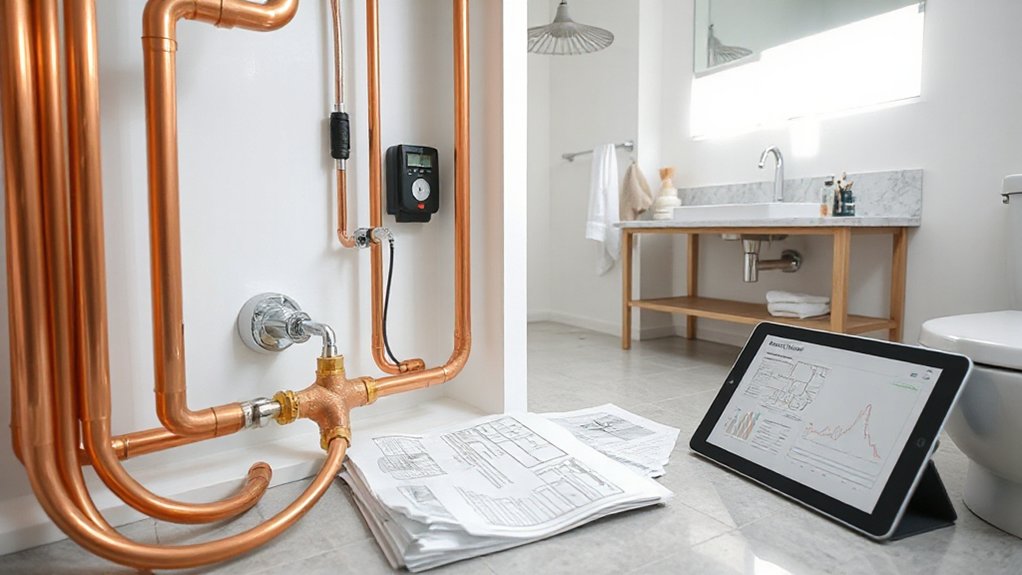
Assess water pressure at fixtures to determine regulator needs and potential booster options, aiming for consistent performance across the bathroom without causing leaks or noise.
Your electrical plan should separate lighting, outlets, and GFCI protection, with dedicated circuits for high-draw appliances and vent fans.
Specify ventilation systems that eliminate moisture buildup while fitting ceiling or wall cavities without compromising acoustics or access.
Consider future expands, like radiant floor circuits or additional outlets, and coordinate with plumbing so fittings align with studs and cabinetry.
Document setbacks, clearances, and inspection checkpoints to prevent costly rework.
Labor vs. Material Costs: What Fluctuates and Why
Labor costs and material costs don’t move in lockstep; they fluctuate independently based on supply chains, demand cycles, and regional market conditions. You’ll see different drivers for each category, which means budgeting requires separate tracking of timing and risk.
Material shortages can push unit prices up quickly, even as labor rates hold steadier. Conversely, tight labor markets may raise hours and contingency allowances without material price spikes. Understanding these dynamics helps you optimize sequencing and vendor contracts.
You’ll benefit from preordering long-lead items and locking rates when possible, while monitoring macro signals like commodity prices and trade policies.
- Material shortages can trigger sudden price hikes and longer lead times
- Labor shortages push scheduling delays and higher contractor bids
- Supplier shift fees may appear as surcharges or minimums
- Currency and import costs affect largely imported materials
- Economic cycles influence bid competition and project phasing
Regional Price Differences Across the U.S
In coastal markets, expect higher labor premiums and shipping surcharges, while inland areas may offer steadier material pricing but longer lead times.
Commercially sourced fixtures can tilt prices differently than residential bundles, so compare quotes with exact scope definitions.
When budgeting, account for regional code requirements, demolition permits, and waste handling fees that vary by jurisdiction.
You’ll also notice ancillary costs tied to project staging, which can influence scheduling and volatility.
Include planning for landscaping ideas around exterior access and, where applicable, choose bathroom color schemes that align with regional design trends and material availability.
Smart Ways to Save Without Sacrificing Function
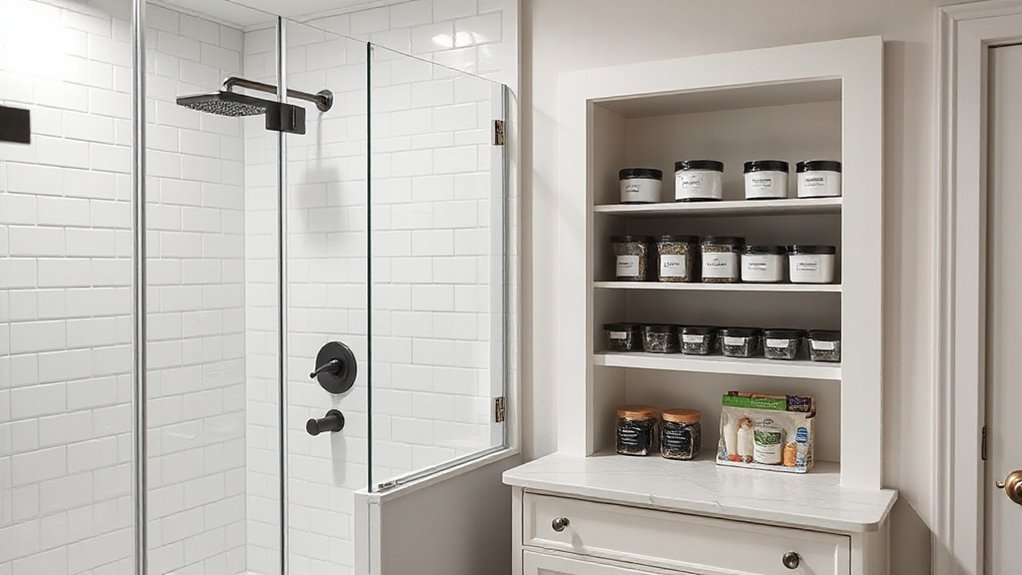
You can cut costs without losing performance by using smart budget tricks and targeted DIY savings tactics.
Consider low-cost upgrades that preserve function, such as efficient fixtures and measured material choices, to maximize value.
This discussion starts with practical, precise options that balance cost, quality, and usability.
Smart Budget Tricks
- Prioritize high-impact, low-risk changes
- Specify durable, maintainable components
- Favor scalable, energy-efficient systems
- Embrace Eco friendly fixtures and Minimalist design
- Build in a contingency for uncertainties
DIY Savings Tacts
Opt for durable, modular components with common connections to reduce labor time and waste. Choose Eco friendly fixtures that deliver comparable performance at lower lifecycle costs, emphasizing water efficiency and long-term reliability.
Reuse or upcycle where feasible without compromising code compliance, and document revisions to prevent scope creep. Compare certifications and warranty terms to avoid replacement cycles.
Favor timeless finishes that resist trend-driven depreciation, including clean lines and practical textures aligned with Vintage aesthetics.
Schedule trades to overlap tasks where safe, bundling deliveries to cut on-site traffic and scheduling friction.
Low-Cost Upgrades
Smart budget tactics can yield meaningful upgrades without inflating the project budget. You’ll get value by choosing targeted, low-cost adjustments that maintain function while lowering overall spend. Focus on efficiency, durability, and timing to maximize impact without compromising performance.
Eco friendly upgrades should be prioritized where feasible, combining materials and fixtures that reduce long-term operating costs. Integrate a plan that supports easy maintenance and minimal downtime, aligning choices with core bathroom use and code compliance.
Prioritize options that deliver visible benefit without necessitating full room teardown, preserving layout and plumbing. Luxury features can be added selectively through smart sourcing and modular upgrades, enhancing perceived value without overwhelming the budget.
- Refinish or reglaze existing fixtures instead of full replacements
- Select water-efficient, durable faucets and showerheads
- Use eco friendly materials for countertops and cabinetry
- Upgrade lighting with high-efficiency LEDs and sensors
- Opt for modular storage that adapts to need
How to Create a Realistic, Phased Renovation Plan
To create a realistic, phased renovation plan, start by defining your goals and constraints, then map them onto a practical timeline and budget.
You’ll specify scope, sequence, and dependencies for each phase, ensuring workable handoffs between trades and permitting windows. Establish baselines for existing conditions and identify critical path items that determine start dates.
Translate goals into measurable milestones, with clear acceptance criteria and contingency allowances of 5–15%. Use a work breakdown structure to assign tasks, durations, and required resources, aligning with supplier lead times and potential supply chain delays.
Prioritize durable, low-maintenance finishes that fit your style, such as vintage charm or contemporary updates, and specify eco friendly materials where feasible.
Document assumptions, review cycles, and decision checkpoints to maintain momentum and control costs.
Red Flags and Common Budgeting Pitfalls to Avoid
Budget overruns are common in bathroom renovations when you don’t anticipate changes in scope or costs. To curb surprises, tighten process controls and monitor every line item.
This section highlights red flags and budgeting pitfalls that threaten cost accuracy, and it emphasizes disciplined budget planning and contractor selection as core safeguards.
- Inaccurate baselines: treat initial estimates as targets, not guarantees.
- Scope creep: formalize changes and rebaseline costs promptly.
- Material upcharges: lock pricing with purchase timelines and supplier quotes.
- Labor assumptions: verify crew availability and productivity, adding buffers only when justified.
- Inadequate contingency: maintain a realistic contingency pool for unforeseen issues.
Frequently Asked Questions
How Long Does a Full Bathroom Renovation Typically Take?
You’ll typically complete a full bathroom renovation in 2–4 weeks, depending on scope. You’ll install bathroom fixtures, choose tile options, and manage plumbing, electrical, and drying times to minimize disruption during the project.
What Permits Are Usually Required for a Full Remodel?
You’ll typically need building permits from your local authority, electrical and plumbing approvals, and mechanical codes reviewed; expect inspections. Make certain bathroom fixtures and tile selection comply with code, and coordinate with your contractor for compliance during installations.
Can I Renovate on a Tight Budget Without Compromises?
Budget planning guides you: you can renovate on a tight budget without compromises, if you choose wisely. You’ll compare materials, weigh durability, and balance costs. Material selection matters; allocate funds, track fixtures, and avoid costly overruns with disciplined planning.
How Should I Estimate Hidden Plumbing or Structural Issues?
Start with a plumbing inspection and a structural assessment to estimate hidden issues. You’ll identify required repairs, file costs, and set contingencies. You’ll document findings, prioritize fixes, and adjust your renovation budget accordingly for accuracy and safety.
What Warranty Protections Come With Material and Labor?
“Protection first.” You get warranty coverage on labor and materials, typically 1–2 years for labor and longer for certain components; material guarantees vary by product, following manufacturer terms. You’ll want documented terms, transferability, and claim procedures.
Conclusion
A full bathroom remodel in 2026 typically runs from $15,000 to $45,000, with high-end projects exceeding that range. One striking stat: regional price differences can swing total costs by 20–30%, so you’ll want a detailed bid and contingency. By defining scope (refresh vs. gut), prioritizing essential upgrades, and staging work, you’ll minimize surprises. Plan for 10–20% contingency, track tile, fixtures, and labor costs closely, and phase work to manage cash flow without sacrificing function.