
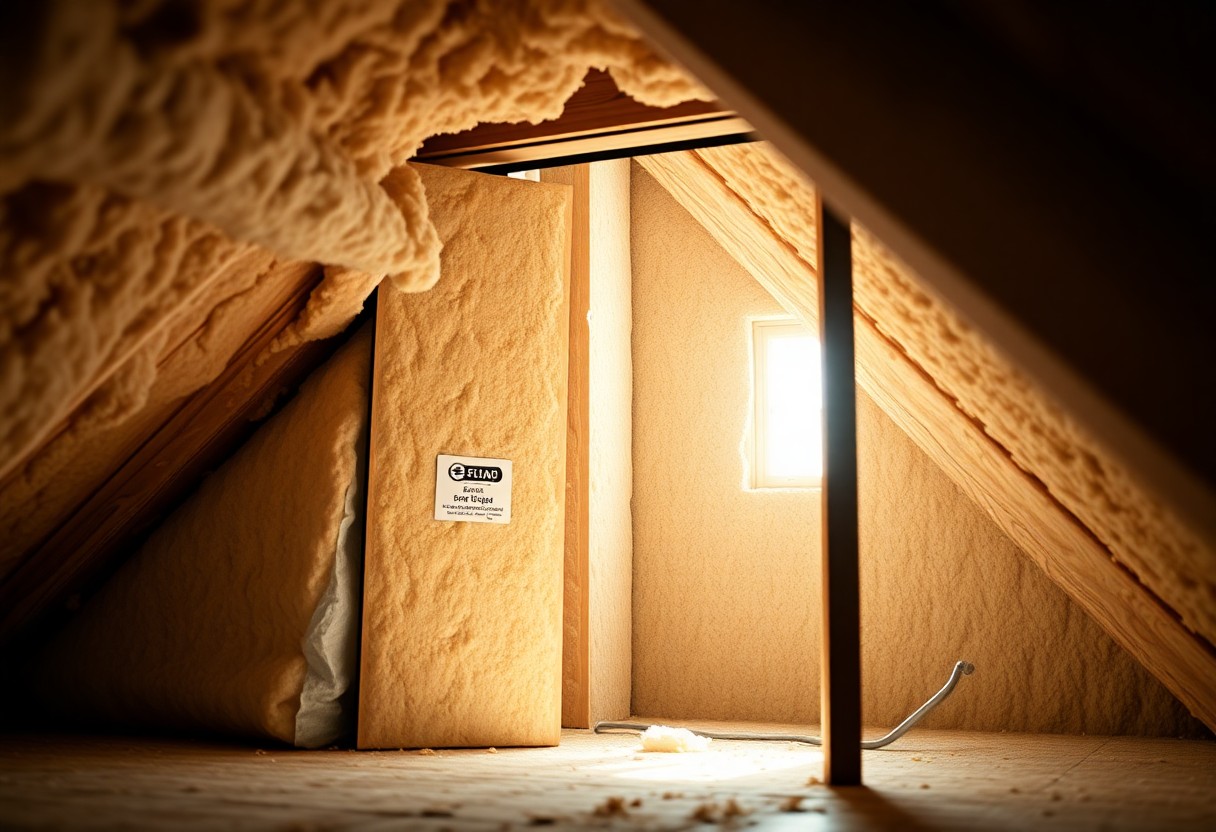

Over time, you may notice that your energy bills are higher than expected, and this could be due to inadequate insulation around your attic door. Investing in attic door insulation can significantly enhance your home’s energy efficiency, preventing heat loss in the winter and keeping your space cooler in the summer. By ensuring your attic access is properly insulated, you’re not only optimizing your home’s climate control but also reducing your energy costs, making it a smart and effective solution for any homeowner.
Your attic is often the last on the list for updating and improving, and sometimes even the basement is renovated before your roof space.
Understanding Attic Door Insulation
Attic door insulation plays a vital role in maintaining your home’s energy efficiency. Your attic often experiences significant temperature fluctuations, leading to unwanted heat loss in winter and heat gain in summer. This makes proper insulation crucial to create a thermal barrier, ensuring that your home remains comfortable year-round while reducing your energy bills.
Importance of Attic Insulation
Proper attic insulation helps reduce energy costs by minimizing heat transfer between your living space and the attic. Without adequate insulation, you could lose up to 30% of your home’s heating and cooling energy, forcing your HVAC system to work harder. This not only leads to higher bills but also decreases the lifespan of your equipment.
Common Types of Attic Door Insulation
There are several effective types of attic door insulation designed to meet various needs. Rigid foam boards, insulated covers, and blanket insulation are popular choices. Rigid foam boards provide high insulation values with minimal thickness, while insulated covers are easier to install and remove. Blanket insulation, typically made from fiberglass, fits snugly against the door and is cost-effective.
| Type | Description |
| Rigid Foam Boards | High insulation value, minimal thickness |
| Insulated Covers | Easy to install; removable for access |
| Blanket Insulation | Cost-effective; fits snugly against the attic door |
| Reflective Insulation | Reduces heat gain; ideal for warmer climates |
| Spray Foam | Air-tight seal; excellent thermal performance |
When selecting the right type of insulation for your attic door, consider factors such as effectiveness, installation ease, and climate. Rigid foam boards excel in thermal resistance, making them ideal for extreme weather conditions. Conversely, spray foam insulation provides an air-tight seal that enhances overall energy efficiency. Assessing your specific needs will help you make an informed decision.
- Recognizing the right type of insulation can make a significant difference in energy savings.
Assessing Your Current Insulation
Evaluating your existing insulation is crucial to determine how effectively your attic door is maintaining temperature. Start by examining the insulation material around the door and ensuring it’s intact and providing adequate coverage. Pay close attention to the R-value of your insulation; a higher R-value indicates better insulation performance. An R-value between 30 and 60 is ideal for attic spaces, so if your current insulation falls below this range, enhancements will likely lead to significant energy savings.
Identifying Air Leaks
Air leaks can considerably undermine your insulation efforts, allowing conditioned air to escape and unfiltered air to enter. Check around the attic door frame, seams, and any penetrations, such as electrical fixtures and pipes. If you feel drafts when standing near the door or hear wind noise, it’s likely that you have gaps that require sealing. Using caulk or weatherstripping can effectively address these leaks, leading to a more energy-efficient home.
Measuring Current Energy Efficiency
To gauge your home’s energy efficiency, start by reviewing your recent energy bills for any unusual spikes in usage. A home energy audit can provide a comprehensive analysis, often revealing areas where you’re losing energy. You might consider using an infrared camera to visually detect cold spots around your attic door. Additionally, tracking your home’s overall energy use against similar homes can offer insights into how effectively your insulation works.
Consider conducting a blower door test to quantify the air leakage in your home. This test will help pinpoint where air is leaking, making it easier for you to prioritize which areas to address first. Additionally, using energy monitoring devices can help track your overall consumption patterns more closely. By establishing a baseline and making improvements, such as enhancing attic door insulation, you can more accurately evaluate the effects of your energy-saving measures over time.
Benefits of Improved Attic Door Insulation
Elevating your attic door insulation yields numerous advantages, directly affecting your home’s efficiency and comfort. By making this upgrade, you’re not only cutting energy costs but also enhancing your living environment. Improved insulation seals air leaks, preventing drafts and temperature fluctuations, leading to a noticeable difference in your home’s overall ambiance.
Energy Cost Savings
With better attic door insulation, you can significantly reduce your energy expenses. A well-insulated attic door prevents warm air from escaping during winter and keeps it cool in summer. Many homeowners report saving 15% to 30% on their heating and cooling bills after proper insulation installation, translating to substantial savings over time.
Enhanced Comfort Levels
Better insulation contributes to a more stable indoor temperature, making your home feel more comfortable. Insulation minimizes cold drafts in winter and helps maintain cool air in summer, creating a balanced climate throughout your living spaces. This improvement means fewer temperature fluctuations, allowing you to enjoy consistent comfort no matter the season.
When insulation prevents air leaks around your attic door, you’ll notice a dramatic change in your comfort levels. For instance, a properly insulated attic door can lower the average temperature difference between your living areas and the attic. This consistency makes your home more enjoyable, reduces reliance on heating and cooling systems, and can even extend their lifespan by reducing wear and tear. Ultimately, these enhancements lead to a more pleasant living experience year-round.
Installation Process
The installation process for attic door insulation is straightforward, whether you opt for a DIY approach or seek professional assistance. Key tools and materials include insulation panels, adhesive, weatherstripping, and a utility knife. Ensuring proper measurements and a clean surface will lead to effective insulation, maximizing your energy savings.
DIY vs. Professional Installation
You can choose to insulate your attic door yourself, which saves on labor costs and allows for flexibility in timing. Alternatively, hiring a professional can guarantee a faster, more efficient installation with expert guidance, especially if you’re unsure about the process or lack the necessary tools.
Step-by-Step Installation Guide
A successful installation follows a clear, organized process. Start by measuring the door frame, cutting your insulation material to size, and securing it in place with adhesive. Weatherstripping should be added around the edges to prevent air leakage, ensuring optimal energy efficiency for your home.
Step-by-Step Installation Guide
| Step 1: Measure the Door Frame | Accurate measurements ensure the insulation fits perfectly. |
| Step 2: Cut Insulation Material | Use a utility knife for clean, precise cuts based on your measurements. |
| Step 3: Apply Adhesive | Evenly spread adhesive on the back of the insulation panels. |
| Step 4: Secure Insulation | Press the insulation firmly onto the door frame and allow it to set. |
| Step 5: Install Weatherstripping | Add weatherstripping around the edges to enhance the seal. |
Following these steps helps ensure that your attic door is well-insulated. Start by measuring the dimension accurately to cut your insulation panels effectively. Use a quality adhesive that bonds well with your insulation material, ensuring a secure hold. After placing the insulation, use weatherstripping to cover any gaps, preventing leaks and heat loss, ultimately leading to reduced energy costs over time.
Additional Information
| Tip: Use R-value Rated Insulation | Select insulation with a suitable R-value for your climate zone for maximum efficiency. |
| Tools Needed | Utility knife, measuring tape, adhesive, weatherstripping, and a level. |
Maintenance Tips for Attic Door Insulation
Proper maintenance of your attic door insulation is key to sustaining energy efficiency and extending its lifespan. Regular checks can help ensure your insulation is performing optimally. Follow these tips:
- Inspect for gaps and leaks.
- Ensure the door seals tightly.
- Clean the area around the attic door.
- Replace worn-out insulation materials.
Knowing how to maintain your attic door insulation will save you energy and money in the long run.
Regular Inspections
Conducting regular inspections of your attic door insulation is vital to prevent energy loss. Aim to check at least twice a year, focusing on potential gaps, moisture damage, and overall condition. Even small breaches can lead to a significant decline in energy efficiency.
Signs of Wear and Tear
Identifying signs of wear and tear on your attic door insulation helps you address issues before they escalate. Common indicators include visible tears, lost insulation material, or significant temperature fluctuations in your home. Additionally, look for water stains or mold, as these suggest moisture damage.
Small tears or insufficient insulation may seem insignificant at first, but they can lead to increased energy costs and reduced comfort levels in your home. Your attic insulation should create a tight barrier against temperature extremes, so any sign of degradation warrants immediate attention. Regularly checking the insulation around the attic door can help you catch these problems early, avoiding expensive repairs and maintaining your home’s energy efficiency.
Cost Considerations
Evaluating the cost of attic door insulation requires weighing the initial investment against potential long-term savings on energy bills. While upfront costs can vary widely based on the type of insulation and installation methods, the reduction in energy expenses often leads to recouping your investment within a few years. Additionally, consider the added value to your home when making your decision.
Initial Investment vs. Long-Term Savings
The upfront cost for insulating an attic door can range from $100 to $400, depending on the materials used and whether you choose to DIY or hire a professional. However, with energy savings averaging 10-15% on heating and cooling bills annually, you could see a return on your investment in less than five years.
Available Grants and Incentives
Many homeowners may be eligible for grants and tax incentives when upgrading their insulation, making the project more affordable. Check local and federal programs, as some states offer rebates specifically for energy efficiency improvements.
For instance, the federal government provides tax credits for energy-efficient home improvements, which can cover a portion of the insulation costs. Additionally, local utility companies often have specific programs that fund energy efficiency upgrades, sometimes offering rebates that offset installation costs by hundreds of dollars. Research your area’s energy efficiency programs and reach out to local organizations to maximize your financial benefits while enhancing your home’s insulation.
To wrap up
Following this, insulating your attic door can significantly reduce your energy costs by preventing heat loss in winter and keeping your home cooler in summer. This simple upgrade not only enhances your home’s energy efficiency but also contributes to a more comfortable living environment. By investing in proper insulation, you’ll ensure that your heating and cooling systems work more effectively, leading to lower utility bills over time. Take action now to improve your home’s energy performance and enjoy the long-term financial benefits of a well-insulated attic door.