
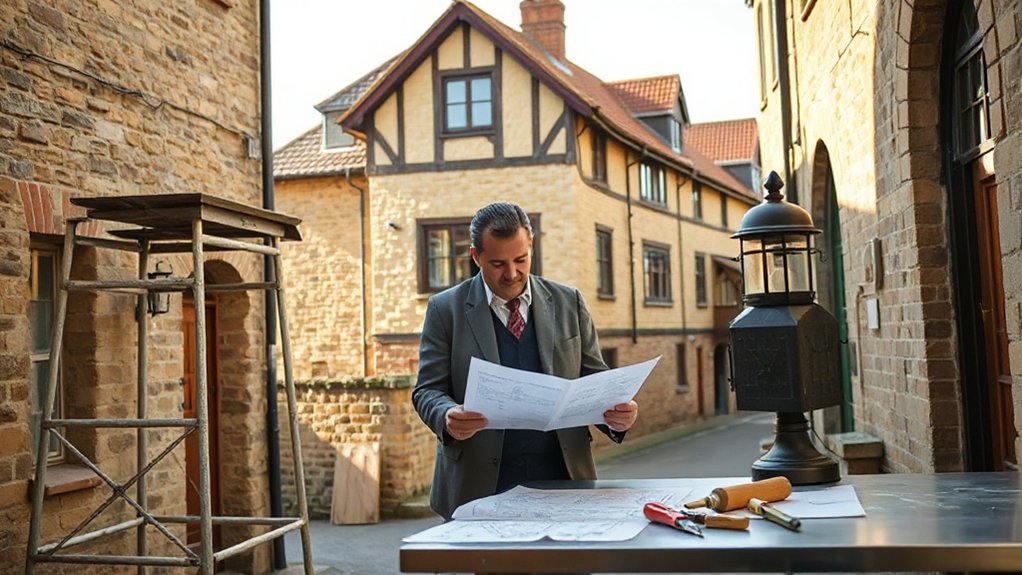

Start by mapping every permit and guideline you’ll need for a conservation area, then build a realistic schedule with buffers and clear milestones. Keep stakeholders in the loop with precise updates and documented decisions, and choose materials that meet conservation standards from day one. Budget cautiously, anticipate inspections, and stay flexible as constraints shift. Stay disciplined, monitor progress, and adjust quickly; the value lies in your proactive grip on the process, not in last‑minute fixes—so what’s your first key step?
Identify Permits for Conservation Areas
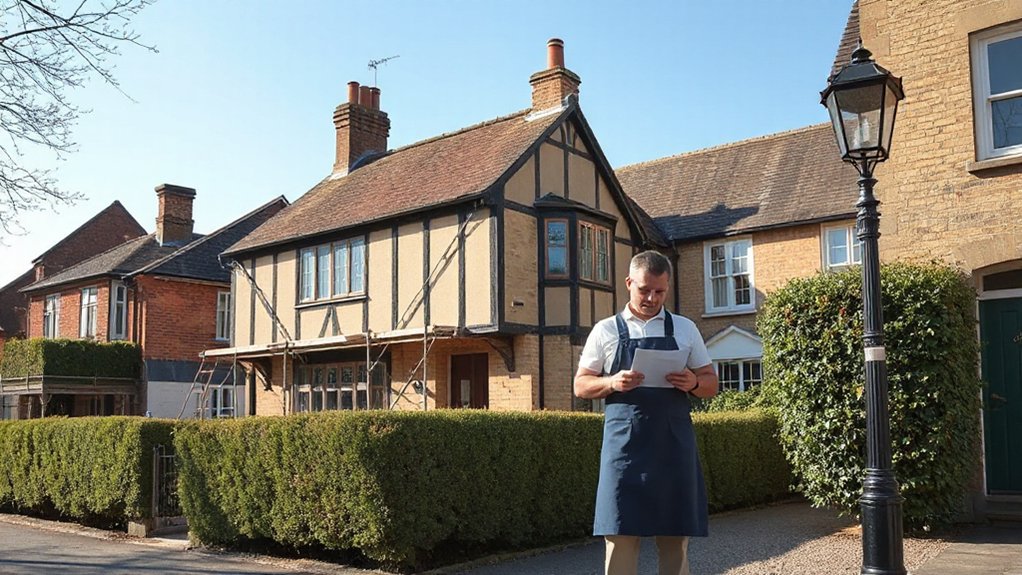
Identifying the permits needed for a conservation area starts with a clear map of the property’s status and intended work. You’ll review whether you need listed-building consent, planning permission, and any local conservation-area approvals before you proceed.
You assess whether alterations affect historic signage or architectural detailing, because these features often trigger stricter scrutiny. You’ll document existing conditions with photos and notes, then outline proposed changes, safeguards, and timelines.
You communicate early with the planning authority, presenting a concise scope and rationale. You verify accessibility, impact on nearby listed structures, and potential environmental constraints.
You keep a running permit checklist, update it as plans evolve, and flag any gaps promptly. By staying proactive, you minimize delays and preserve essential historic character.
Build a Realistic Timeline With Stakeholder Input
You align stakeholders early to map expectations and capture key milestones.
Use their input to craft a realistic timeline with clear deadlines and dependencies.
This upfront coordination prevents delays and keeps the project on track.
Stakeholder Input Timeline
To build a realistic Stakeholder Input Timeline, start by mapping all key voices early—property owners, residents, local businesses, and preservation groups—so you can align expectations and set clear milestones.
You’ll create a calendar that allocates time for initial consultations, feedback windows, and documented responses, ensuring no party feels sidelined.
Prioritize rapid, focused workshops to surface concerns around scale, materials, and historic integrity, then translate input into action items with owners’ sign-off.
Maintain momentum by sending summaries after each session and marking decision points on the timeline.
Track responses, adjust deadlines if needed, and log legal considerations that affect approvals.
This approach strengthens community engagement, reduces delays, and keeps your project compliant and on track.
Realistic Milestone Planning
When you build a realistic milestone plan, you start by anchoring key stakeholder inputs to concrete deadlines and decision points. Then translate concerns about scale, materials, and historic integrity into actionable tasks.
You map dependencies, assign owners, and set clear review gates to avoid surprises. Break the project into phases with measurable milestones, from design approvals to permits, procurement, and installation windows aligned with seasonal constraints in a conservation area.
Build in buffers for inspections and weather, while preserving momentum through short, focused checkpoints. Prioritize Architectural styles and Modern innovations that comply with guidelines, documenting deviations for quick approvals.
Maintain a living schedule, update weekly, and communicate risks early to minimize delays and protect the project’s scope, budget, and historic character.
Liaise With the Planning Authority Effectively
Establish clear channels from the outset to avoid delays: set up a single point of contact, confirm responsibilities, and agree on timelines with the planning authority. You’ll work with a named officer to streamline decisions, avoiding back-and-forth chaos.
Prepare concise briefs that explain the project’s scope, intent, and potential impacts on surrounding structures and streets. Prioritize timely responses to requests for information, drawings, and reports.
Maintain a running log of communications, decisions, and deadlines to prevent missteps. When questions arise, present options with pros, cons, and practical implications.
Emphasize community engagement and historical significance to demonstrate thoughtful stewardship. Seek early feedback on design implications, and adjust promptly.
Document approvals, conditions, and compliance steps to sustain momentum toward a smooth, delay-free renovation.
Choose Materials Within Conservation Guidelines
You should match historic guidelines and source approved materials to preserve the area’s character.
Start by identifying authentic options that align with the defined standards.
Then verify each option’s provenance and suitability.
This approach keeps your renovation precise, compliant, and ready for review.
Match Historic Guidelines
How do you guarantee your selection stays faithful to the historic character while still meeting modern needs? You’ll assess materials against local guidelines, focusing on proven fit within the conservation context.
Start with timber, brick, or lime plaster that matches scale, texture, and patina, avoiding slick modern substitutes. Validate each choice against documented architectural significance, ensuring features reflect traditional craft and detailing.
Prioritize compatibility with existing structures, including rooflines, joints, and corrosion-resistant finishes that age gracefully. Document decisions and rationale for each material: why it’s appropriate, how it preserves the building’s story, and how it supports longevity.
Engage the community early; align choices with expectations through transparent communication, inviting feedback and demonstrating responsible stewardship. This proactive approach minimizes delays and reinforces responsible conservation.
Source Approved Materials
What materials meet the conservation criteria, and how can you verify their approval before procurement? You’ll source materials that reflect Historic significance and local regulations, prioritizing approved suppliers and documented certifications.
Begin with a materials list checked against the conservation guidance, then confirm compatibility with listed regulations before purchase. Verify approvals via formal records, issuer stamps, and up-to-date consent from planning authorities.
Keep a running log of batch numbers, provenance, and installation suitability to prevent delays. Your approach blends practicality with compliance, ensuring every choice aligns with the area’s conservation ethos and project timeline.
- Prioritize certified, locally sourced options
- Document provenance and approvals for each material
- Maintain a cross-check against Local regulations and historic guidelines
Budget for Constraints and Scheduling Buffers
In budgeting for a renovation within a property conservation area, you must account for constraints and scheduling buffers up front to keep the project on track. You set clear targets for scope, time, and cost, so surprises don’t derail progress.
Begin with precise Budget allocation, aligning it to permit requirements, materials lead times, and critical milestone dates.
Build a realistic contingency plan that covers weather delays, supplier shortages, and approvals windows.
Document every assumption and revalidate weekly against actuals, adjusting allocations as needed.
Schedule buffers go beyond a single phase; embed them between trades and inspections to absorb misfits without cascading delays.
Practice strict change-control, and communicate buffers’ rationale to stakeholders.
Contingency planning isn’t pessimism—it’s preparedness that sustains momentum and protects your deadline.
Navigate Approvals, Inspections, and Scheduling Tricks
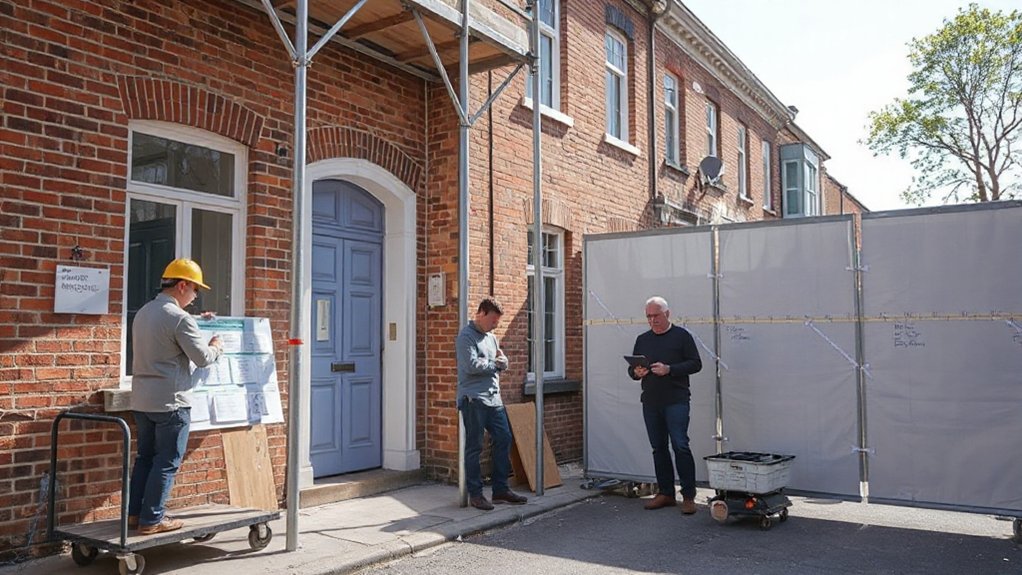
Managing approvals, inspections, and scheduling tricks requires a disciplined, proactive approach: map all required permits and codes early, align them to your project milestones, and build in explicit windows for reviews. You’ll navigate historic preservation rules with precision, avoiding last‑minute scrambles, and keep the process transparent to stakeholders.
- Prioritize early consultations with planners and the historic district commission to prevent surprises.
- Build a communications log for community engagement, noting questions, decisions, and approvals.
- Schedule staggered inspections and permit sign‑offs to avoid bottlenecks and delays.
Keep your timeline realistic, document everything, and adjust promptly.
You’ll protect neighborhood character while delivering the project on schedule and with minimal friction. Historic preservation hinges on preparation and steady coordination with the community.
Frequently Asked Questions
Can Renovations Affect Neighboring Property Rights in a Conservation Area?
Yes, renovations can affect neighbor objections and property boundaries in a conservation area you’re steering through. You should assess property boundaries meticulously, communicate early, and address any concerns to prevent disputes with neighbors. Be proactive, pragmatic, and documented.
What Penalties Exist for Minor Deviations From Guidelines?
Penalties for minor deviations exist, but they’re usually warnings or corrective notices under historic guidelines and preservation standards. You’ll mitigate risk by promptly consulting planners, documenting changes, and restoring to comply; otherwise enforcement actions could follow, including curtailments or fines.
How Long Can Delays Be Attributed to Weather or Strikes?
Like a clockwork plan, delays due to weather or strikes can stretch project timelines, but you should align contingency buffers. You’ll track historical accuracy, respect material restrictions, document causes, notify authorities promptly, and adjust milestones pragmatically and proactively.
Are There Grants or Tax Relief for Conservation Renovations?
Yes, you can access Heritage grants and Tax incentives for conservation renovations. You’ll identify eligible works, document compliance, apply promptly, and leverage milestones; you’ll maximize funding while ensuring meticulous adherence to conservation standards and proactive planning.
How to Handle Emergency Repairs Without Planning Delays?
You handle emergency repairs by acting quickly, documenting issues, and coordinating with authorities for planning flexibility. You assess risks, implement temporary measures, notify relevant bodies, and secure approvals later, balancing safety with minimal disruption to the renovation timeline.
Conclusion
To keep your conservation-area project on track, stay proactive, precise, and flexible. Document decisions, secure permits early, and keep stakeholders in the loop with clear updates. Build a realistic timetable with buffers, and choose authentic materials that respect guidelines. Monitor progress, revalidate budgets, and adapt as needed. Example: a hypothetical piecemeal porch restoration saved months by pre-coordinating with the planning authority and using period-accurate timber, avoiding delays from unexpected approvals. Your careful, collaborative approach preserves character and pace.