


You’ve heard that exterior upgrades wear better in Yorkshire than fancy add-ons, but does weatherproofing truly pay off in the long run? You’ll want to assess your envelope, insulation, and air sealing first, then pick durable sidings and windows that curb heat loss while withstanding rain and wind. There’s value in stone accents, heritage cues, and careful color choices that endure, plus smart lighting and drainage tweaks that quietly boost curb appeal. Keep going to map out a practical, cost-conscious plan.
Understanding Yorkshire Weather and Exterior Upgrade Priorities
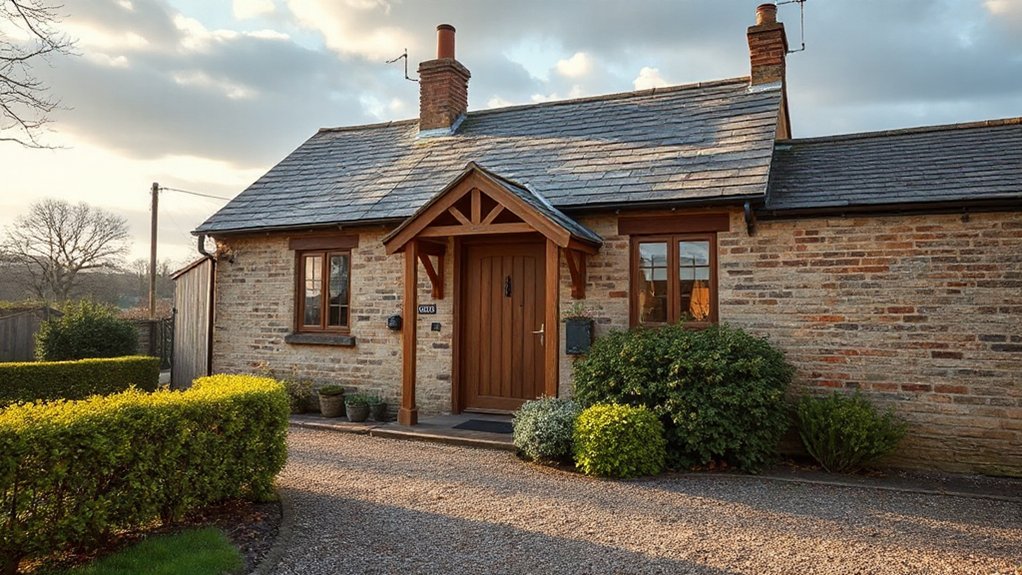
Yorkshire’s weather is famously variable, so prioritizing exterior upgrades means planning for rain, wind, and temperature swings. You’ll need a practical framework: track seasonal exposure, wind direction, and rainfall patterns to identify where moisture stress appears first.
Focus on exterior priorities like weather-resistant cladding, flashing, and drainage that endure frequent shifts in humidity and temperature. Choose materials with low porosity and UV stability, and verify finishes resist staining from damp air.
Consider gaps around doors and windows, fascia integrity, and roofline clarity to prevent creeping damp. Align choices with current trends toward breathable but protective systems, thermally efficient sheathing, and color palettes that cope with seasonal grime.
You’ll create durable value by prioritizing maintenance access and robust, weather-aware design.
Assess Your Home: Envelope, Insulation, and Air Sealing
Evaluating your home begins with the envelope, insulation, and air sealing. You’ll start by inspecting the obvious: doors, windows, and any cracks that whisper drafts.
Next, assess the attic and rim joists for gaps, then check basement or crawlspace edges where cold air lurks.
Prioritize high-impact upgrades: sealing leaks with caulking or spray foam, upgrading attic insulation thickness, and adding weatherstripping to exterior doors.
Consider an air-permeability test to quantify leakage and guide where to spend.
With your findings, align upgrades with practical timelines—preventing heat loss during Yorkshire’s long winters while keeping energy bills sensible.
Tie in home gardening and exterior decor cues by choosing insulation-friendly installation positions for planters and trellises, avoiding obstruction of vents or drainage paths.
Choose Durable Siding for Yorkshire Homes
Choosing durable siding for Yorkshire homes means prioritizing materials that withstand damp winters, windy coastal straits, and rapid seasonal shifts while keeping maintenance low and curb appeal high.
Durability testing should guide your choice, ensuring the product resists moisture intrusion, rot, and wind uplift. Look for options with tested ratings appropriate for exposed coastlines.
Consider fiber cement, engineered wood, or insulated vinyl, balancing weight, installation ease, and warranty. Color fade resistance matters for long-term curb appeal, as does insect and fungal resistance in damp climates.
For a solid ROI, plan a precise siding installation with proper flashing and weathertight seams. Regular inspections after storms help catch issues early and extend life.
1) Material want-list and weather performance
2) Substrate preparation and flashing specifics
3) Fastener compatibility and corrosion resistance
4) Maintenance schedule and warranty checks
Windows That Cut Energy Use in Yorkshire Climates
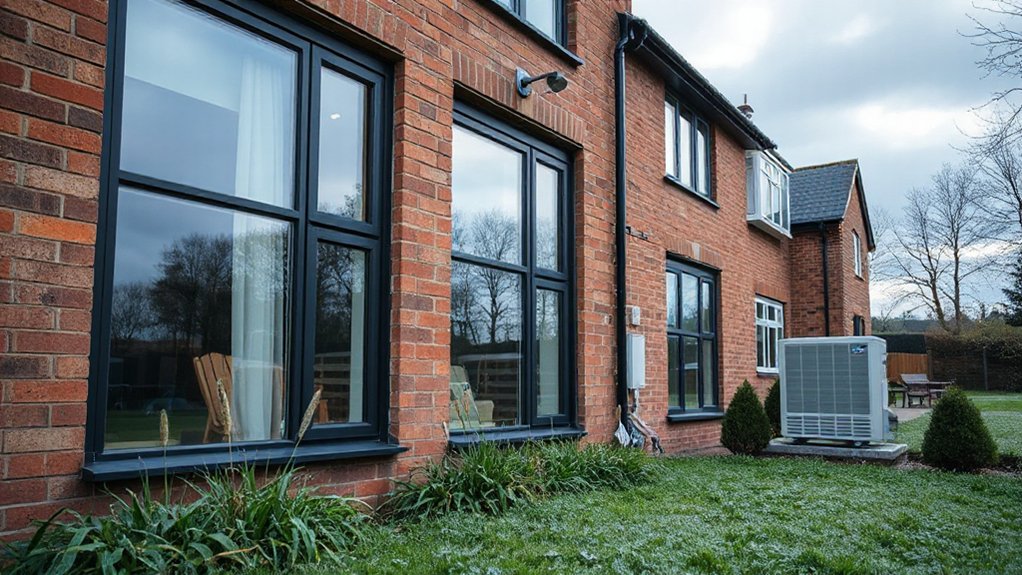
You can keep energy use in check by choosing windows designed for Yorkshire’s cool, damp winters and breezy coastlines.
In practice, pick energy efficient windows with multi‑pane glazing and low-emissivity coatings to minimize heat loss and conquer drafts. Look for frames with robust insulation, like uPVC with reinforced steel reinforcement or thermally broken aluminum, to resist swelling from damp air.
Consider double or triple glazing, depending on your budget, and guarantee gas fills or Argon between panes for extra performance.
A well‑sealed installation matters as much as the product; choose windows with precise sashes, gasket durability, and airtight flashing.
Align choices with Yorkshire climate, prioritizing solar gain control in winter and glare reduction in brighter months. This approach keeps comfort high and bills predictable.
Roofing That Withstands Yorkshire Showers
Yorkshire’s frequent showers demand roofs that shrug off damp and deliver lasting protection; choose materials and details that resist water ingress and manage condensation. Focus on durable membranes, properly sealed joints, and breathability to balance moisture and warmth.
Prioritize roof insulation to curb heat loss and reduce condensation risk inside the attic, while keeping decking protected from damp. Select dark, weatherproof finishes with algae resistance for longevity in damp climates.
Good roof design channels water away without pooling, and you’ll notice fewer cold spots on chillier days. Also consider vented soffits and ridge ventilation to maintain airflow and prevent moisture buildup.
- Choose a robust underlayment and sealed fasteners for integrity
- Insulate roof cavities adequately to minimize condensation
- Opt for corrosion-resistant flashing and edge metals
- Plan for regular gutter maintenance to prevent overflow
Water Management: Guttering, Drains, and Downspout Routing
Water management hinges on well-placed gutters, efficient drains, and smart downspout routing that direct rainwater away from the foundation and into drainage lines or a rain garden.
You’ll want gutters sized for your roof run, with seamless profiles and rust-resistant finishes. Gutter maintenance should be routine: remove debris, check seals, and verify slope so water exits swiftly.
Downspout placement matters most where runoff concentrates; position elbows and extensions to direct flow at least three or four meters from walls, or toward a swale or rain barrel.
Guarantee first-floor gutters align with splash blocks to minimize soil erosion. Use splash guards where needed and confirm drainage paths remain clear after storms.
Regular inspections prevent leaks, basement dampness, and costly repairs later.
Stone and Brick Finishes: Weather-Resistant Treatments
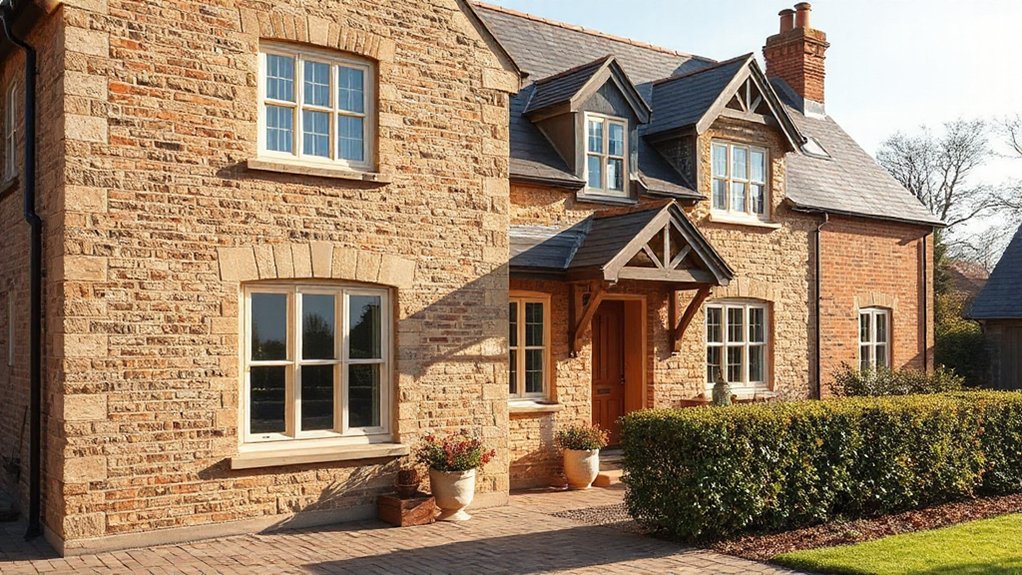
Stone and brick finishes deserve weather-resistant treatments that protect against Yorkshire’s rain, wind, and temperature swings without sacrificing curb appeal. You’ll want coatings that seal porous surfaces, breathe to prevent moisture buildup, and resist UV fade.
Choose options labeled weatherproof coatings that form a durable film, yet allow expansion and contraction with seasonal shifts. For brick preservation, apply breathable sealers to minimize efflorescence while preserving texture and color.
Match finishes to architectural style and neighborhood expectations, then recoat on schedule to maintain protection.
- Test patch and choose breathable, water-repellent sealers
- Apply evenly in dry, above-freezing conditions
- Recoat every 3–5 years based on wear
- Maintain brick joints to prevent moisture ingress
Low-Maintenance Exterior Finishes That Last
If you want long-lasting curb appeal with minimal upkeep, prioritize exterior finishes that endure Yorkshire’s weather without demanding constant attention. Choose coatings and materials proven for durability—fiber cement siding, low-maintenance metal cladding, and textured stucco that resist mildew and fading.
Opt for a breathable yet water-resistant sealant on timber accents to prevent warping without frequent re-coats. For color, pick fade-resistant pigments in neutral tones that align with garden aesthetics and still look fresh after seasons.
Plan for easy cleaning with smooth textures and minimal ornamentation to reduce grime buildup. Ground-level surfaces should be slip-resistant and durable, supporting outdoor furniture without rapid wear.
Pair finishes with clean lines, maximizing garden aesthetics and making outdoor furniture look intentional, not cluttered. Regular inspections keep these finishes performing year after year.
Energy-Smart Front Doors and Entrances
Are you ready to cut energy waste right at the threshold? Front doors and entrances set the first energy line for your home. Choose energy-smart options that prevent drafts, improve insulation, and reduce heating load without sacrificing curb appeal.
Prioritize sturdy frames, multi-point locks, and weatherstripping that seals every gap. Integrate smart sensors to monitor door status and performance, and pair with energy-efficient lighting for a welcoming glow.
Use materials that resist Yorkshire damp without warping, and consider glazing that balances daylight with heat gain. Maintenance-friendly elements keep performance high.
A cohesive entrance supports overall efficiency and security, while smart home security integration adds peace of mind. Energy efficient lighting completes the setup, guiding guests safely.
- Pick insulated doors with tight seals
- Install multi-point locking and smart sensors
- Add weatherstripping and draft fixes
- Choose energy-efficient lighting and glazing
Exterior Lighting for Security and Curb Appeal
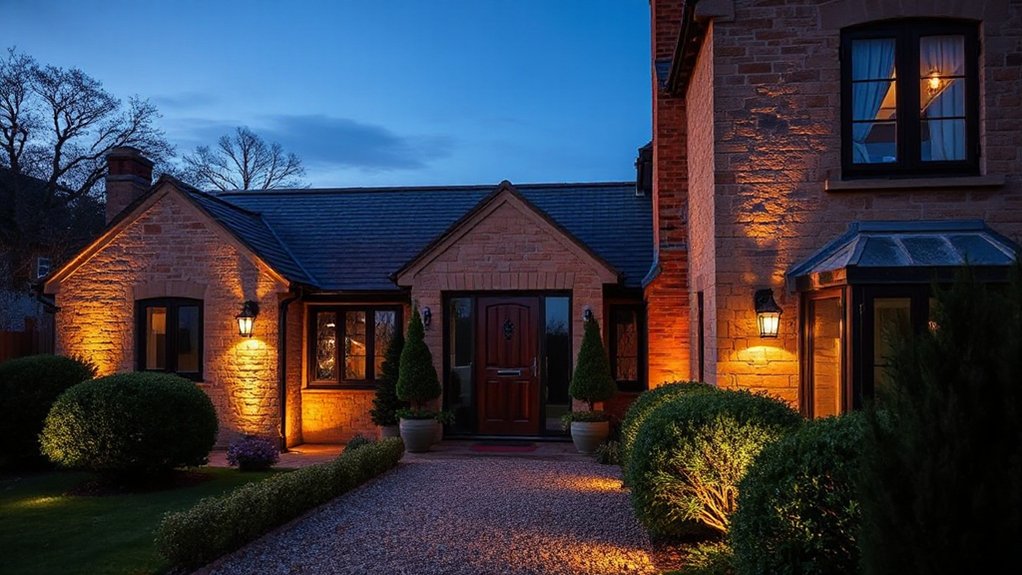
Think about how exterior lighting can deter intruders while highlighting your home’s best features, using layered lighting that covers entryways, pathways, and dark corners.
You’ll want high-contrast, energy-efficient options like LEDs with motion sensors and dusk-to-dawn controls to balance safety and curb appeal.
Start by plotting a lighting plan that targets security zones and accentuates architectural details, then adjust brightness and color temperature to match Yorkshire aesthetics.
Exterior Lighting Security
Ever wondered how smart lighting can both secure your Yorkshire home and elevate curb appeal? With a practical setup, you can deter intruders while highlighting your property’s features. Focus on consistent illumination, motion sensors, and weatherproof fixtures to keep outdoor security reliable year-round.
Pair landscape lighting with low-glare LEDs to avoid light pollution, ensuring safe navigation at night without harsh hotspots. Plan zones that cover entry points, paths, and the darkest corners for all-encompassing protection.
- Install motion-activated lights at doors and garage
- Use landscape lighting to accent steps, hedges, and architecture
- Choose weatherproof, vandal-resistant fixtures with warm white output
- Integrate smart controls for scheduling and remote monitoring
Curb Appeal Illumination
Smart exterior lighting does double duty for Yorkshire homes: it secures entry points and boosts curb appeal from dusk till late night. You’ll want a layered approach: warm ambient lighting along eaves, focused landscape lighting to sculpt features, and motion-triggered accents at doors.
Use low-profile fixtures that blend with architecture but still punch up visibility. Pathway illumination should be evenly spaced and diffused, reducing trip hazards while guiding visitors to entrances.
Battery or low-voltage systems simplify installs and maintenance, and smart controls let you adjust brightness by time or mood. Keep color temperatures around 2700K for inviting warmth, and verify fixtures are rated for outdoor use.
Landscaping and Hardscaping to Boost Curb Appeal

Landscape and hardscape choices dramatically shape first impressions, so start by evaluating your Yorkshire home’s architecture and site conditions. Then tailor planting palettes, materials, and layout to enhance flow and durability.
- Map your path flow to create clear sightlines with garden pathways that guide visitors from curb to entry, using permeable pavers for practicality.
- Use decorative planters in varied sizes and heights near doors and steps to add color, texture, and a welcoming rhythm.
- Choose edging that defines zones—soft plant beds vs. hard surfaces—without breaking cohesion.
- Select low-maintenance evergreens and seasonal blooms that frame the facade year-round, reducing upkeep while boosting curb appeal.
Sustainable Exterior Materials: Local, Recycled, and Low-Emissions
Sustainable exterior materials prioritize local availability, recycled content, and low emissions, so you can reduce your home’s environmental footprint without sacrificing durability or curb appeal. You’ll prioritize materials that minimize transport, use recycled or upcycled components, and offer long lifespans for fewer replacements.
Look for recycled siding options sourced near Yorkshire to cut embodied energy while maintaining texture and color. Pair these with low emission paints that resist fading and mildew, yet remain breathable for coastal humidity.
Durability matters, so choose fiber cement, engineered wood, or metal with corrosion resistance and low maintenance. Assess life-cycle data, warranty terms, and local supplier availability to avoid hot-pressed composites with hidden VOCs.
Finally, balance aesthetics, weather performance, and cost to sustain long-term value.
Thermal Bridges and Air Sealing: Practical Fixes That Pay Back
Thermal bridges and drafts waste heat and raise bills, but quick, targeted fixes can pay you back fast. You’ll improve comfort and stop cold spots by sealing gaps and tightening joints before the season shifts.
- Locate gaps around doors, windows, and penetrations, then apply high-performance caulk or foam to reduce air leakage.
- Install continuous polyurethane or mineral wool insulation at trouble spots, especially where framing meets exterior walls.
- Use door sweeps and low-profile weatherstripping to minimize drafts at entries and attic access hatches.
- Seal utility penetrations with backer rod, sealant, and fire-rated caulk, then verify with a blower door or handheld tracer smoke test.
Tip: document upgrades for value and optimize for energy savings with regular checks on thermal bridges and air sealing.
Color Schemes That Honor Yorkshire Heritage

The Yorkshire Heritage Palette guides your exterior choices, balancing warm stone tones with muted greens and slate grays. Consider Historic Hue Harmonies to harmonize with local brickwork, timber, and rooflines.
While using Local Stone Accents to anchor the façade. Keep the palette cohesive across doors, trims, and masonry to honor regional character without sacrificing modern curb appeal.
Yorkshire Heritage Palette
Have you ever wondered how to honor Yorkshire’s rich architectural past while keeping today’s homes fresh and livable? The Yorkshire heritage palette guides your exterior choices with restrained, authentic tones that age gracefully and coordinate well with stone, brick, and timber.
Focus on palettes that emphasize historic hue harmonies while avoiding trendy missteps, so every upgrade feels rooted in place and time.
- Pair warm stone or brick with soft, muted greens and grays to mirror traditional Yorkshire exteriors.
- Use accent trims in deeper hues to highlight architectural details without overpowering the overall scheme.
- Integrate timber porches or shutters in natural stains that echo centuries-old finishes.
- Test color swatches outdoors at different times of day to ensure consistency across light shifts.
Historic Hue Harmonies
Palette choices that honor Yorkshire’s heritage don’t have to feel fussy or dated; instead, they should ground your home in place while staying livable and fresh. When you plan a historic hue, you’re balancing warmth with restraint, so select a traditional palette that resists novelty without feeling stale.
Start with a muted base—stone, plaster, or soft taupe—that echoes regional textures. Pair it with a deeper accent on trim, shutters, or door frames to create contrast and depth.
Consider breathable finishes and low-sheen sheens to preserve character while modernizing maintenance. Test color samples at different times of day to gauge the evolving mood.
Keep the palette cohesive across doors, gutters, and fascia, ensuring subtle harmony that respects Yorkshire heritage while supporting curb appeal and practicality.
Historic hue is about purposeful, lasting appeal.
Local Stone Accents
- Match mortar tones to stone for seamless shift and long-lasting joints.
- Pair warm limestone with cool slate accents to reflect seasonal skies.
- Introduce restrained iron or charcoal trims to frame windows without overpowering stone.
- Test finishes under wind, rain, and sun to confirm color stability and wash-off resilience.
Smart Exterior Upgrades for Ease and Security
Smart exterior upgrades blend convenience with security, letting you monitor entry points, lighting, and access from anywhere. You’ll install a centralized hub that ties door sensors, motion detectors, and camera feeds into a single app, so alerts arrive instantly.
Choose weatherproof cameras with wide-angle lenses and local recording to cut cloud costs, and verify the system supports two-factor authentication for access.
Smart locks replace traditional bolts, offering keypad or biometric options and auto-lock when you depart.
Lighting becomes proactive with dusk-to-dawn sensors and scene controls triggered by occupancy, improving night visibility.
For curb appeal, integrate garden lighting and discreet outdoor fixtures.
Pair the tech with practical touches like durable outdoor furniture and weather-rated plugs to keep entries welcoming and secure.
Budget-Friendly Upgrades That Maximize Value
You can start by prioritizing Budget-Friendly Exterior Upgrades that punch above their price tag, like fresh fascia paint, affordable drainage tweaks, and sealant upgrades that curb heat loss.
Focus on Value-Boosting Home Improvements that improve curb appeal and durability without breaking the bank, such as lighting updates, door and window weatherstripping, and smart landscaping tweaks.
You’ll maximize impact by choosing durable, low-maintenance options and planned upgrades that pay off in energy savings and resale value.
Budget-Friendly Exterior Upgrades
Seasonal curb appeal doesn’t have to break the bank; start with targeted, high-impact upgrades that boost value without overhauling the exterior. You’ll gain noticeable impact by prioritizing durability, low maintenance, and style-consistent choices that work with Yorkshire weather.
1) Refresh entryways with fresh paint and updated hardware for instant lift without a full renovation.
2) Improve lighting along paths and doors with energy-efficient LEDs for safety and ambiance.
3) Add garden features and defined borders to create focal points that draw attention to the façade.
4) Upgrade outdoor furniture areas with weather-resistant pieces that complement your home’s color palette and extend usable outdoor time.
Practical, trend-conscious tweaks keep costs down while elevating curb appeal and overall home value.
Value-Boosting Home Improvements
Ever wondered how to boost your home’s value without a full makeover? You can achieve noticeable gains with smart, budget-friendly tweaks. Start with curb-appeal basics: quick fixes like fresh door hardware, lighting upgrades, and clean, crisp fascia.
Prioritize durable, low-maintenance materials that withstand Yorkshire weather. Next, invest in garden landscaping that creates year-round interest; think native shrubs, resilient perennials, and tidy edging to elevate the exterior without heavy costs.
Improve energy efficiency with sealing, weatherstripping, and a modest upgrade to windows or insulation where feasible. Choose exterior color schemes thoughtfully to modernize without a complete repaint.
Finally, document updates for resale—before-and-after photos boost perceived value. These small, targeted improvements deliver meaningful returns while staying practical and trend-conscious.
Frequently Asked Questions
How Can I Budget for Exterior Upgrades in Yorkshire?
Yes, set a clear budget first, then prioritize priorities. Track costs for landscaping design and outdoor lighting, layer options, compare quotes, and include contingencies. Use phased milestones, seasonal discounts, and reputable suppliers to maximize value.
Which Upgrades Reduce Annual Heating Costs Most?
Climb the savings ladder: insulation improvements cut drafts and heat loss, while window replacements seal the gaps. You’ll reduce annual heating costs most by prioritizing thick, continuous insulation and high-performance, double- or triple-glazed windows tailored to Yorkshire winds.
Do Local Regulations Affect Exterior Material Choices?
Yes, local regulations affect exterior material choices. You’ll need Building permits and comply with Local restrictions, which shape approved materials, colors, and installation methods, so plan approvals early and select options that meet code while preserving design goals.
What Maintenance Schedule Extends Exterior Durability?
Exterior cleaning, then paint preservation—follow a quarterly schedule to extend exterior durability. You inspect, scrub, rinse, and recoat as needed; you seal cracks, curb mildew, and choose breathable finishes. You maintain trends while protecting curb appeal.
How Do I Prioritize Upgrades for Older Homes?
Start by evaluating structural safety and preservation guidelines, then prioritize preserving original features. Focus on weatherproofing, insulation, and durable finishes. Historical preservation informs choices; aim for aesthetic enhancement that respects era-defining details. Budget, timelines, and maintenance must align.
Conclusion
In short, prioritize weather-ready materials, airtight insulation, and heritage-inspired aesthetics to boost durability, comfort, and value in Yorkshire homes. Pair durable siding with reflective roofing, seal doors and gaps, and choose energy-efficient windows to cut bills and emissions. Add stone accents and cohesive colors for instant curb appeal. Example: a mid-terrace upgraded with lime render, multi-point insulated sash windows, and attic air sealing cut heating needs by 32% within a single season, paying back quickly.