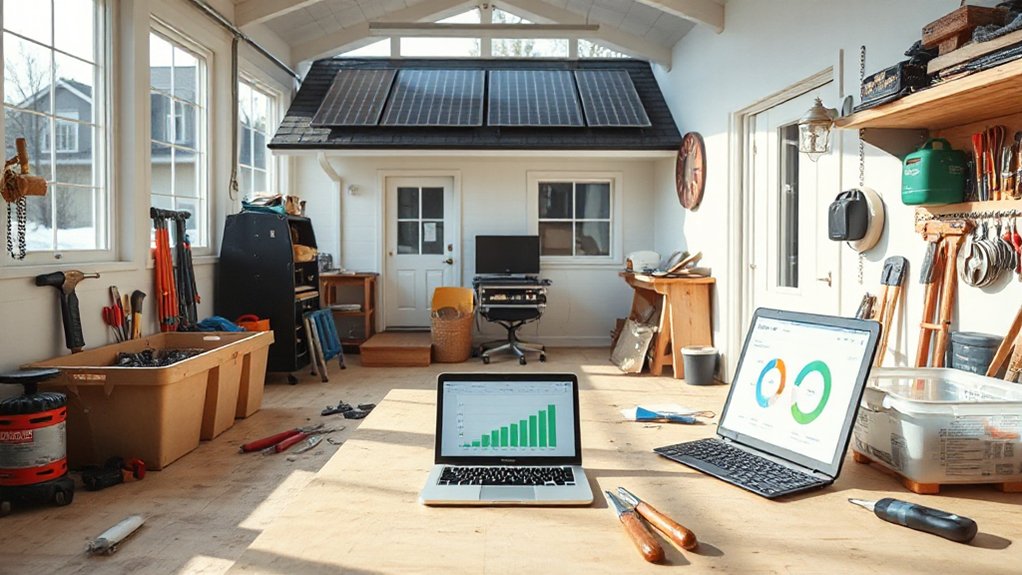

To cut home repair costs in 2026, you should start with a proactive plan that catches issues before they escalate. Use smart sensors, thermal imaging, and regular inspections to spot leaks, drafts, or decay early. Build a simple budgeting system, time purchases for discounts, and insist on fixed-price bids from reputable contractors. You’ll save more by doing select DIY tasks and keeping thorough records, but the best progress comes from knowing where to focus first—and there’s a clear path you’ll want to follow next.
What Drives Home Repair Costs in 2026
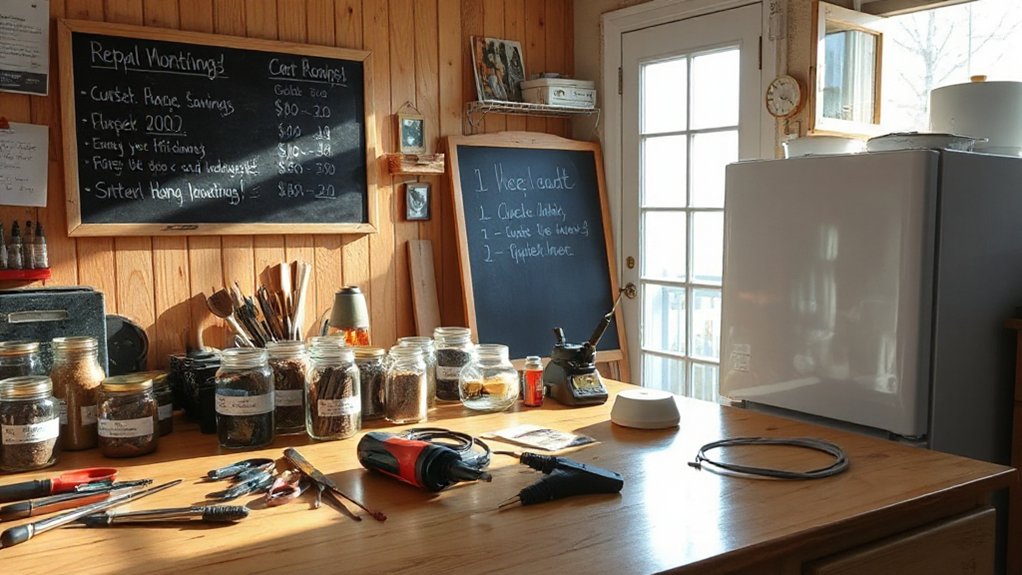
Costs for home repairs in 2026 are driven by a mix of material prices, labor availability, and the aging housing stock. You’ll see costs swing with supply volatility, especially for aluminum, copper, and synthetic decking.
Labor shortages keep hourly rates elevated, while skilled tradespeople prioritize urgent work, delaying projects and raising overall sums.
Structural aging amplifies expenditures when inspectors flag framing, insulation, or moisture issues that trigger rework.
Insurance considerations influence your bottom line: Home insurance can cap certain repair scopes, and claim histories may affect deductibles and coverage terms.
Contractor reputation matters, too; choosing seasoned professionals reduces change orders and accelerates timelines.
Plan for price shocks by budgeting a contingency, verifying quotes, and confirming scope before work starts.
Build a Proactive Maintenance Plan
Set up a proactive maintenance plan with regular inspections and prioritized seasonal prevents, so small issues don’t become costly repairs.
By scheduling inspections at key intervals, you catch wear early and allocate budget more predictably.
This data-driven approach minimizes surprises and keeps your systems running efficiently year-round.
Schedule Regular Inspections
Establish a proactive maintenance plan by scheduling regular inspections, because catching issues early prevents costly repairs and extends your home’s life. You’ll gain confidence knowing problems are identified before they escalate, supported by data from routine checks and documented trends.
1) Set a pragmatic maintenance schedule aligned with manufacturer guidelines and local codes.
2) Schedule annual home inspection milestones to verify structural integrity, HVAC efficiency, and moisture risk.
3) Track findings in a centralized log to measure performance, costs, and repair impact over time.
4) Use inspection results to prioritize budget allocations, avoiding unexpected outages or large emergencies.
A disciplined approach reduces surprises, informs purchasing decisions, and optimizes your maintenance schedule for long-term value.
Prioritize Seasonal Prevents
Do you know which seasonal needs typically drive the biggest repair costs? The answer is predictable: plan around seasonal stresses before they cause failures. Create a proactive maintenance plan that weights seasonal planning, not reactive fixes.
Map your year: spring roof checks, summer gutter clearings, fall weatherproofing, and winter heater and pipe inspections. Use data from local weather patterns to time tasks when issues are most likely—before storms, freezes, or heat waves strike.
Budget for preventive replacements that commonly fail with seasonality, like seals, caulking, and insulation; document warranties and service histories for easy planning. Track tasks, costs, and outcomes to refine the calendar each year.
Weather awareness informs priority. This reduces emergency calls, extends asset life, and lowers overall repair spend.
Forecast Repairs and Budget With a Simple System
A simple forecasting method keeps repair costs predictable by separating spending into fixed monthly reserves and occasional major projects. You’ll build clarity by aligning reserves with projected maintenance cycles and energy-efficient upgrades, which protects your bottom line and supports Home insurance considerations.
Track data, not guesses, and adjust quarterly as prices shift.
- Set fixed monthly reserves for regular upkeep and energy efficiency upgrades.
- Designate a separate major-repairs fund for large, unexpected projects.
- Monitor actual costs against projections and recalibrate annually.
- Use historical data to forecast seasonal spikes and align with insurance expectations.
DIY Confidence Boosters That Save Real Cash
Ever wonder how small, hands-on fixes can cut your home maintenance bills without sacrificing safety or quality? You’ll boost DIY confidence by sticking to proven, data-backed steps.
Begin with a simple checklist: identify common failure points, estimate repair costs, and compare against professional quotes. This practice strengthens budget planning by revealing true savings and narrowing risk.
Build competence through targeted, safety‑driven tasks—caulking gaps, patching drywall, or replacing switch plates—each documented with before-and-after costs.
Track outcomes: time spent, material waste, and energy use. Confidence rises as you see repeatable results, not guesswork.
Smart Sourcing: When and Where to Buy Materials

Smart sourcing means buying the right materials at the right time and at the right price. You’ll optimize material sourcing by aligning purchases with project schedules, market trends, and price signals from suppliers.
Prioritize predictable needs and bulk possibilities without tying up cash in excess inventory. Focus on supplier selection criteria, lead times, and quality assurances to minimize rework and delays.
- Map your bill of materials to project milestones to forecast demand.
- Compare multiple suppliers on price, reliability, and warranty terms.
- Time purchases to seasonal discounts, freight cycles, and supplier promotions.
- Maintain a short list of trusted vendors for rapid reordering and risk mitigation.
When to Hire a Pro vs. DIY Safe Tasks
When deciding whether to hire a pro or tackle a task yourself, start with safety, complexity, and code requirements. You should assess risk first: electrical and structural work often demands licenses, permits, and inspections, reducing liability and future costs.
If the job involves hidden hazards, you’ll save time and money by hiring a pro. For simple, low-risk tasks with clear instructions, DIY can trim expenses and build confidence.
Consider time, skill level, and tool access; set a cutoff where specialized gear or expertise makes sense. Weave in practical checks: compare quotes, read reviews, verify licenses, and request written scopes.
For garden landscaping or interior decorating tweaks, quantify impact on resale value and comfort. When in doubt, start small to avoid costly rework.
Negotiating Tactics That Protect Your Wallet
You can start by using negotiation basics to shape every estimate, then compare line items across bids to spot savings.
Rely on data, ask for itemized quotes, and push for price-matching or bulk discounts where feasible.
Stay direct about budget limits and document every agreement to protect your wallet.
Negotiation Tactics 101
Negotiating repairs without overpay starts with preparation: know the scope, gather baselines from multiple reputable sources, and be ready to walk away if the estimates drift too far from market norms. You’ll leverage data, not feelings, to anchor conversations and protect Home insurance claims while avoiding inflated costs. Focus on verifiable details and contractor reputation to prevent surprises later.
1) Define scope precisely, with measurements, materials, and timelines.
2) Compare at least three independent estimates from reputable sources.
3) Request itemized bids and identify any optional add-ons that aren’t essential.
4) Use a walk-away threshold and document concessions you’ll accept.
Tip: check contractor reputation and verify licenses; keep discussions professional and evidence-driven.
Protect Your Wallet Strategies
Check contractor reputation, read reviews, and verify licensing and insurance; trust but verify with past-client references. Ask about line-item pricing, material substitutions, and a pause mechanism if specs drift.
Tie payments to milestones, not calendar dates, and require change orders in writing with cost caps. Before signing, confirm scenarios for extensions or delays and how extra work is handled.
Leverage home insurance where applicable, but don’t assume it covers everything; document damage thoroughly. Finally, negotiate warranties and post-completion support to reduce future outlays.
Tech Tools That Spot Problems Early
- Smart sensors that monitor moisture, temperature, and vibration, triggering alerts at the first sign of trouble.
- Home automation dashboards that translate sensor signals into actionable maintenance tasks.
- Leak detectors placed near appliances and under sinks to catch hidden water damage early.
- Thermal imaging tools that reveal insulation gaps or electrical hotspots before failures occur.
High‑Value Projects for Long‑Term Savings
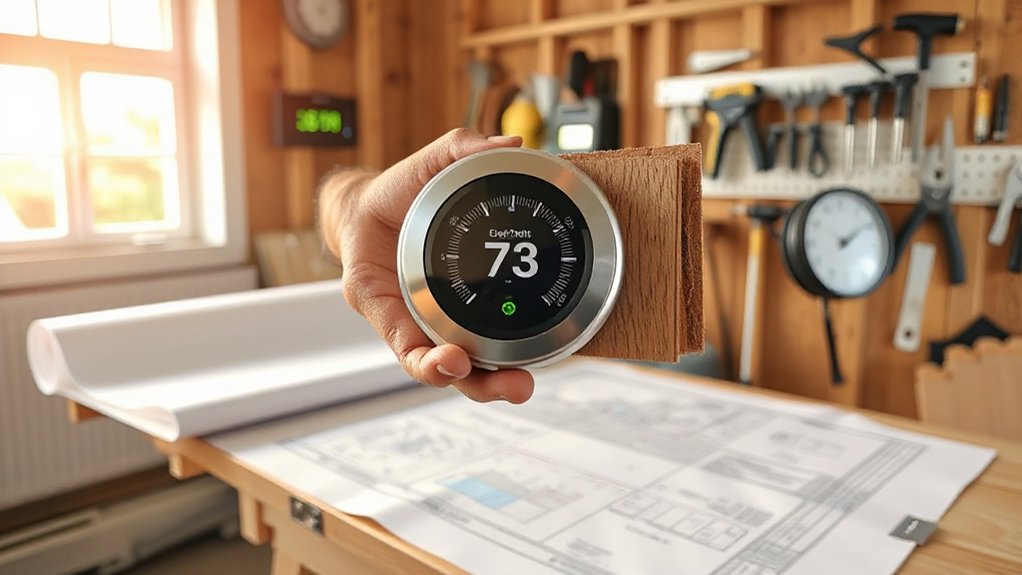
Prioritizing long-term value means tackling high-impact upgrades first, so your costs and disruptions are minimized over time.
Choose durable materials and proven systems that withstand wear, backed by data on lifecycle costs and maintenance needs.
This approach sets you up for reliable performance and lower repair bills for years to come.
Long-Term Value Projects
- Upgrade to efficient insulation and windows
- Install energy‑saving HVAC and smart controls
- Refinish or seal roof with durable materials
- Replace aging electrical panels and outlets
Prioritize High-Impact Upgrades
When you’re choosing where to invest, focus on upgrades that deliver the biggest long‑term savings and reliability gains. Prioritize high‑impact projects that reduce recurring repairs and energy waste, such as wiring, insulation, sealing, and HVAC efficiency.
Base decisions on cost‑per‑year saved, not just upfront price, and demand solid, long‑term performance data from reputable sources. Favor proven systems with high reliability, easy access for maintenance, and favorable replacement cycles.
Screen contractors by reputation, asking for recent, verifiable outcomes and detailed timelines. Align upgrades with insurance considerations by consulting your home insurance provider about value‑added improvements and potential discounts.
Document each recommendation’s expected payback, ensuring you don’t overextend budget while maximizing safety, comfort, and overall property resilience.
Durable Materials Selection
Durable materials pay off long term by reducing maintenance, repair frequency, and energy loss, making them a smart anchor for high‑value home upgrades.
- Material durability: Choose substrates with proven life cycles, low degradation, and minimal need for frequent replacement.
- Weather resistance: Prioritize seals, coatings, and assemblies rated to withstand your climate’s extremes, reducing leaks and damage.
- Installation integrity: Favor methods that maximize performance over time, such as proper fastening, ventilation, and drainage to prevent deterioration.
- Lifecycle cost awareness: Compare upfront costs against anticipated savings from fewer calls, less material waste, and lower energy consumption.
Red Flags and Money Traps to Avoid in 2026
To navigate 2026 efficiently, start by spotting red flags and money traps that frequently surface in home-repair projects. You’ll guard your budget by recognizing common schemes before you sign anything.
Look out for unusually high upfront deposits, vague scope, and pressure to rush decisions. Don’t trust vague estimates or “one-day” repairs that reappear as additional charges.
Validate licenses, insurance, and local contractor registrations; verify the contractor’s track record with independent reviews and solid references.
Get written, itemized bids with fixed prices for labor and materials, plus a clear timeline.
Beware financial scams that propose staged payments or demand cash-only deals.
Watch for contractor red flags like frequent subcontractor changes, overwhelming upsells, or hostility to questions.
Document everything, and insist on a clear, enforceable contract.
Frequently Asked Questions
How Can I Estimate Total Annual Home Repair Costs Accurately?
To estimate your annual repair costs, track past projects and monitor monthly spending. Use DIY projects for smaller fixes, and compare multiple quotes for larger jobs; evaluate contractor selection based on transparency, warranties, and historical cost accuracy. Update annually.
What Hidden Costs Commonly Surprise Homeowners in 2026?
Hidden fees hit you like a hurricane, and emergency funds aren’t optional. You’ll face surprise line-item charges, permitting delays, rising material costs, and labor shortages. Track hidden fees, fund emergencies, and chart data-driven reserves for resilience.
Which Repairs Add the Most Value per Dollar Spent?
You get the most value from major systems updates—kitchens, bathrooms, and insulation—per dollar spent. Prioritize DIY projects for finishing touches and eco friendly upgrades, backing decisions with data on energy savings and resale impact.
How Often Should I Reassess My Maintenance Plan?
You should reassess your maintenance plan annually, adjusting based on inspection findings and performance data. Prioritize Maintenance scheduling and set clear intervals; increase frequency for high-risk systems. Continuous tracking improves reliability and cost-efficiency, reducing unexpected repairs over time.
What Financing Options Minimize Out-Of-Pocket Repairs?
Insurance claims and loan options minimize out-of-pocket repairs; compare coverage gaps, interest rates, and repayment terms. You should prioritize lender-approved plans, transparent fees, and data-backed estimates to optimize total costs and cash flow over time.
Conclusion
You can trim repair costs in 2026 by staying proactive, using data-driven decisions, and sticking to fixed-price bids from trusted pros. Document everything, plan seasonal tasks, and deploy DIY where sensible. Use smart sensors and thermal checks to catch issues early, then source durable materials at the right time. Negotiate smartly, avoid red flags, and keep a clear budget with a simple tracking system. The future favors preparation—think of it as a DeLorean for cost control, minus the time travel glitches.