
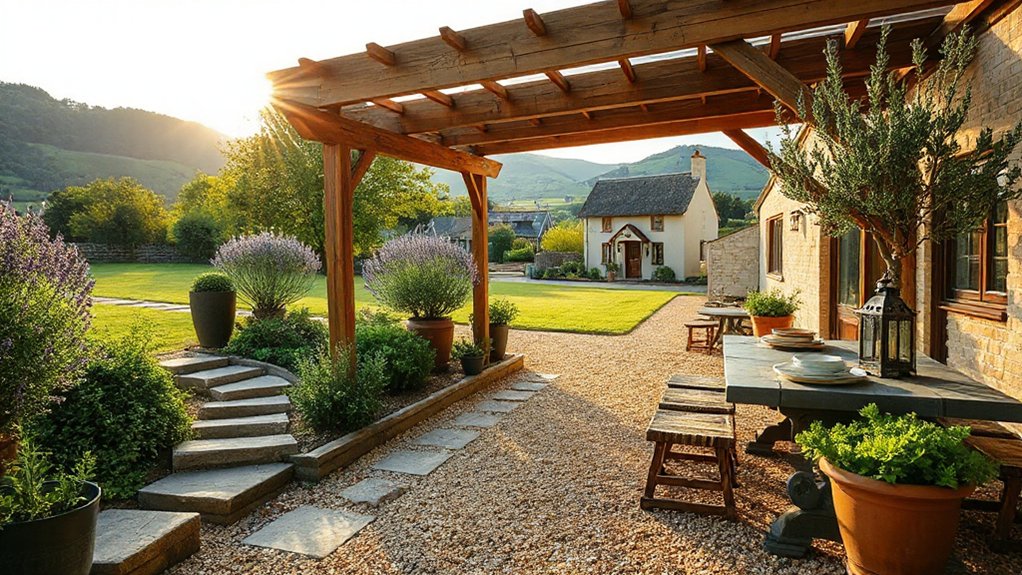

Devon’s coastal climate demands durable, low-fuss materials and layouts that frame your garden and sea views without crowding them. You’ll want weather‑resistant decking, smart drainage, and low‑profile furniture that stays comfortable year‑round. Think multi‑level platforms, clear sightlines, and zones for cooking, lounging, and dining. Keep lighting layered for sunset evenings, and plan seasonal styling that can adapt as tides and light shift. There’s more to optimize, and the next steps guide you toward a balanced, practical setup.
Best Patio Designs for Devon Coastline Homes

When designing patios for Devon coastline homes, start with durable materials that resist wind, salt air, and moisture while still feeling warm and inviting. You’ll prioritize low-maintenance surfaces that age gracefully, with clean lines and scalable layouts that suit both intimate spaces and larger entertaining zones.
Focus on landscape integration, aligning plantings, borders, and terrain to the patio edge so transitions feel seamless rather than abrupt. Consider multi-level platforms that capture sun moments and sheltered nooks, maximizing usable hours throughout the year.
Choose outdoor furniture with weatherproof cushions, ergonomic forms, and modularity that adapts to gatherings or quiet mornings. Ensure practical access to storage, lighting, and utilities, keeping maintenance tasks straightforward.
Your design communicates clarity, purpose, and comfort for every Devon coastline encounter.
Durable Materials for Devon’s Coastal Climate
Choose materials that tolerate temperature swings and frequent cleaning without warping. For furniture, select weather resistant pieces with powder-coated frames and UV-stable finishes to prevent fading and rust.
Avoid softwoods that readily swell; instead, opt for composite decking or treated timber rated for exterior use. Seal joints and guarantee proper airflow beneath furniture to reduce mold risks.
Plan for easy replacements or repairs, keeping spare tiles and cushions handy. This approach keeps your patio durable, comfortable, and low maintenance year-round.
Layouts That Maximize Garden Views and Sun
To maximize garden views and sun, place seating and dining areas where they capture the strongest natural light and strongest sightlines from inside the house. You’ll design paths and zones that guide eyes toward flowering borders, water features, and open lawn—reducing obstructions so views stay clear.
Choose low-profile outdoor furniture to keep lines open, and orient lounges to face the sun during peak hours. Plan plant arrangements that frame key vistas without blocking them, using height variation to create depth.
Maintain easy circulation between kitchen doors and dining zones for outdoor meals. Coordinate colors with your house exterior for cohesion and investor appeal, then fine-tune scale to match courtyard proportions.
- Outdoor furniture placement that enhances sightlines
- Plant arrangements that frame views while preserving openness
- Balanced zones combining dining, lounging, and circulation
All-Season Lighting and Comfort

Ever thought about patio comfort year-round? You can expand usability with smart lighting and targeted warmth. Begin with layered fixtures: warm ambient glow along eaves, task lighting for dining, and subtle path lights for safety. Choose weatherproof bulbs with low glare to reduce shadows and glare on glossy surfaces.
For chilly evenings, outdoor heating options should be compact yet effective, like infrared wall-mounted units or patio-mounted radiants. Position them to heat seating zones without overwhelming the space.
Weatherproof furniture stays comfortable through rain and sun, with covers and quick-dry cushions kept accessible. Integrate dimmers and timer controls to shift mood from bright daytime to cozy nighttime.
Test layout at varying times to ensure even coverage and avoid hot spots while preserving usable space.
Budget, Maintenance, and Seasonal Styling Tips
Budget-conscious planning makes patio upkeep smoother, so start with a realistic cost map and a simple maintenance rhythm you can actually stick to. You’ll balance upfront investments with long-term savings, selecting durable materials and scalable upgrades that fit landscaping trends while staying within budget.
Plan seasonal styling around weather windows, so you swap cushions and accents without overhauling the core design. Commit to a maintenance cadence—clear debris weekly, seal surfaces annually, and check fasteners after heavy use.
When choosing outdoor furniture, prioritize weather resistance and modularity, then match color and texture to your landscape palette for cohesive curb appeal.
- Create a cost and maintenance calendar that aligns with seasonal tasks and furniture rotation
- Prioritize durable, modular outdoor furniture choices and protective covers
- Schedule simple refreshes that reflect evolving landscaping trends without large expense
Frequently Asked Questions
How Deep Should a Patio Foundation Be for Devon Soil?
For Devon soil, you’ll typically dig a foundation depth of 150–200 mm for a compact base, plus a 100–150 mm sub-base, depending on load. Use Patio materials that suit drainage, and make certain proper Foundation depth calculations.
Which Plants Resist Coastal Salt Spray for Patios?
You’ll choose salt tolerant plants and coastal friendly greenery that thrive on your patio, resisting spray. You’ll group them by sun exposure, water needs, and wind direction, monitoring soil salinity and adjusting irrigation for durable, low-maintenance results.
What Drainage Options Work Best Near Cliffs and Dunes?
You should choose coarse-grained, well-drained substrates and install wind resistant paving with proper slopes; using permeable membranes helps manage Coastal erosion and runoff near cliffs and dunes, while ensuring drainage channels, filtration, and robust edging.
Can I Install a Heat Source Without Violating Coastal Regulations?
Like a lighthouse beacon, you can’t ignore regulations. You can install solar heating and outdoor fireplaces only if permitted by coastal rules, site-specific permits, setbacks, and environmental assessments; confirm with planners, engineers, and your HOA before proceeding.
How Do I Prevent Slippery Surfaces in Wet Devon Winters?
To prevent slips on wet Devon surfaces, you should choose textured finishes and slip-resistant coatings, install non-slip mats in high-traffic zones, and maintain drainage. Prioritize surface textures, proper rake, and regular cleaning to minimize hazard risks.
Conclusion
You’ll see that a Devon-perfect patio isn’t just about looks—it’s about practical, durable design that keeps paying off year after year. Stick to weather-ready materials, plan multi-level layouts for views, and layer lighting for all-season usability. Now, question a familiar theory: could the “keeping it simple” rule actually boost long-term value more than flashy upgrades? The evidence points to yes. Focus on sturdy basics, tuned to your home and coastline, and your patio becomes a trusted, timeless retreat.