


You may not realise how much a single refreshed front door color can shift a whole street’s mood. Start with a cohesive plan that ties your facade, garden, and gate color together, then map out quick fixes you can tackle this weekend. Think durable, local materials and low-fuss plants that shrug off coastal winds. Want a simple path to a standout yet sensible result? Keep going.
Define Your Brighton Curb-Appeal Goals

Start by picturing the exact look you want from the curb. You’ll define clear goals that guide every choice, from color to clutter control.
Start with your baseline: what passes for “curb appeal” in your Brighton neighborhood, then translate that into measurable targets.
Decide which elements you want to foreground and which you’ll minimize, so your home reads as intentional. Consider sightlines, maintenance demands, and seasonal texture.
Your goals should include durable touches and a cohesive feel, not just quick fixes.
Think practical, budget-conscious steps: select garden furniture that withstands coastal weather, choose outdoor artwork that complements your façade, and plan for easy upgrades over time.
Document priorities, timelines, and success criteria, then revisit quarterly to stay aligned with reality.
Quick Wins for an Immediate Curb Transformation
Start with fast, high-impact tweaks you can see from the curb: a fresh coat of neutral paint on the front door, clean and bright house numbers, and a tidy, low-stress plant display that follows the path to the door.
Add a new welcome mat, a crisp mailbox, and outdoor lighting that highlights architectural details without glare.
These quick exterior enhancements set the scene and invite passersby to look closer at the rest of your curb appeal plan.
Quick Exterior Enhancements
Ever considered a few fast, affordable tweaks that can dramatically brighten your curb appeal today? Start with a clean slate: power wash paths, refresh trim paint, and replace any faded house numbers for instant contrast.
Choose a bold yet tasteful door color that complements nearby brick or siding, and keep the shutters aligned.
Add lighting along the walkway to guide the eye and deter shadows after dark.
Update small details—new mailbox, matching planters, and a tidy, two-tone edging to define borders.
Integrate garden furniture with compact seating on the porch and a small table to suggest usable space.
Finish with a single focal point: a framed outdoor art piece that echoes Brighton’s coastal vibe.
Curb Appeal Quick Wins
Add a bold focal point near the entrance: a single garden sculpture that reflects Brighton’s coastal vibe, sized to stay proportional to the doorway.
Install exterior lighting along the path and under porch eaves to create depth and safety after dusk.
Swap dull planters for ceramic or textured containers with evergreen foliage for year-round impact.
Refresh house numbers and mailbox with high-contrast finishes to boost legibility.
Keep mulch fresh and evenly spread to unify color blocks, then remove any debris that distracts from the entrance’s symmetry.
Brighton Planning and Permissions: What You Need to Know
You’ll want a clear map of planning approval essentials, permits, and timelines before you lift a shovel or change a facade.
We’ll look at what permissions you need, how long they typically take, and where to track each step so your project stays on a steady track.
Think practical checkpoints: document checklists, anticipated delays, and visual milestones to keep your Brighton kerb appeal on target.
Planning Approval Essentials
Planning approval in Brighton isn’t something you can wing. You’ll first map your plan to local planning policies, spotting what needs consent and what’s permitted development. Visualize the outcome: height, footprint, and how materials read from the street.
Gather clear sketches, site photos, and measurements to support your case. Check whether your project touches protected trees, listed features, or conservation area rules, and anticipate potential objections from neighbours.
When you prepare applications, describe the change’s impact on character and street scene, not just function. You’ll need to show how garden features relate to access and safety, and how driveway materials integrate with your home’s look.
Keep notes, respond promptly, and keep communications concise to avoid delays.
Permits And Timelines
Begin with a clear plan: list alterations that touch external walls, fences, or elevations, and note which require planning permission versus permitted development. Check your exact address against the Brighton and Hove City Council’s planning portal to confirm thresholds, constraints, and required drawings.
Expect a timeline that includes pre-application advice, response windows, and possible amendments. Submit concise, accurate proposals to avoid delays.
For garden furniture and outdoor art installations, verify site lines, visibility, and fire/safety rules, since these can influence permission status. Build in time for potential consultations and condition checks, not surprises.
Top Plantings for Brighton’s Climate and Soil
Brighton’s mix of sunny beachfront and chalky soils supports a diverse palette of plantings that thrive with a bit of local knowledge. In practice, choose species that tolerate salt spray, drought spells, and compact urban beds.
Start with layers: a tough groundcover, a low-mussel-free edging, and a mid-height filler that won’t crowd harder-working shrubs. Native paths like scillas, primroses, and bluebells add seasonal color without heavy maintenance.
For resilience, mix evergreen grasses with hardy perennials that accept dry summers and damp winters. Plant clusters for visual impact and water-wise mulching to reduce evaporation.
Consider pollinator-friendly blooms to support urban wildlife and soil-friendly compost cycles for garden sustainability. Label specimens, group by sun exposure, and keep stakes handy for quick, neat seasonal tweaks.
Refresh Your Façade to Fit Brighton Character
You start by freshening your facade color to echo Brighton’s light and sea-salted vibe, choosing hues that feel timeless but today’s. Keep the palette small and cohesive to respect local identity, using 2–3 tones max and keeping trim work crisp.
Visualize how each shade shifts with weather and street activity, guiding your choices to enhance curb appeal without shouting.
Freshen Facade Color
Freshen the facade by choosing a color palette that echoes Brighton’s seaside character while staying true to your home’s architecture. Start with a base that complements brick, stucco, or timber details, then add accent hues sparingly to highlight architectural features.
For Facade paint, select durable, breathable finishes that resist weathering and salt spray. Check local light: morning sun warmens colors; afternoon light cools them, so test swatches on shaded and sunny sides.
Limit your palette to two main tones plus one accent for doors or trim to preserve harmony. Use high-contrast trims to define cornices or window surrounds, but avoid overdoing it.
Consider matte or satin sheens to minimize glare, while maintaining curb appeal. Finally, document your palette for future touch-ups and consistency.
Color palette choices should feel timeless, not trendy.
Respect Local Identity
To respect Brighton’s local identity, align your facade with the town’s character by drawing on familiar materials, scale, and street rhythms. You’ll shape a respectful update by selecting textures and colors that echo surrounding homes, avoiding flashy mismatches.
Start with traditional brickwork or soft render, then match window proportions and rooflines to nearby properties. Keep proportions comfortable for pedestrians; avoid oversized signage or aggressive contrasts.
Integrate public art thoughtfully—subtle, local motifs or a small mural that nods to coastal history can anchor your look without overpowering neighboring homes.
Add street furniture—lamps, planters, and a discreet front gate—to reinforce the area’s rhythm and invite strolling residents.
Your facade should feel grounded, human-scaled, and unmistakably Brighton, inviting dialogue and pride.
Boundary Treatments That Define, Not Shrink, Space
Boundary treatments should define outdoor spaces without shrinking them, so you can enjoy both privacy and openness. You’ll balance height, materials, and gaps to guide the eye without imprisoning the plot. Choose slim archival fencing or low, solid hedges to frame views rather than close them off.
Add texture with timber, brick, or painted concrete to anchor the facade while keeping airiness. Integrate garden sculptures and decorative planters to create focal points that draw the eye outward.
Keep gates proportional to the boundary, ensuring easy access and sightlines from inside to street. Use consistent profiles for a cohesive look that extends the home’s character.
- slim fencing with airy gaps
- low hedges for soft edges
- textured timber panels
- garden sculptures as focal points
- decorative planters along borders
Lighting for Safety and Charm on a Brighton Street
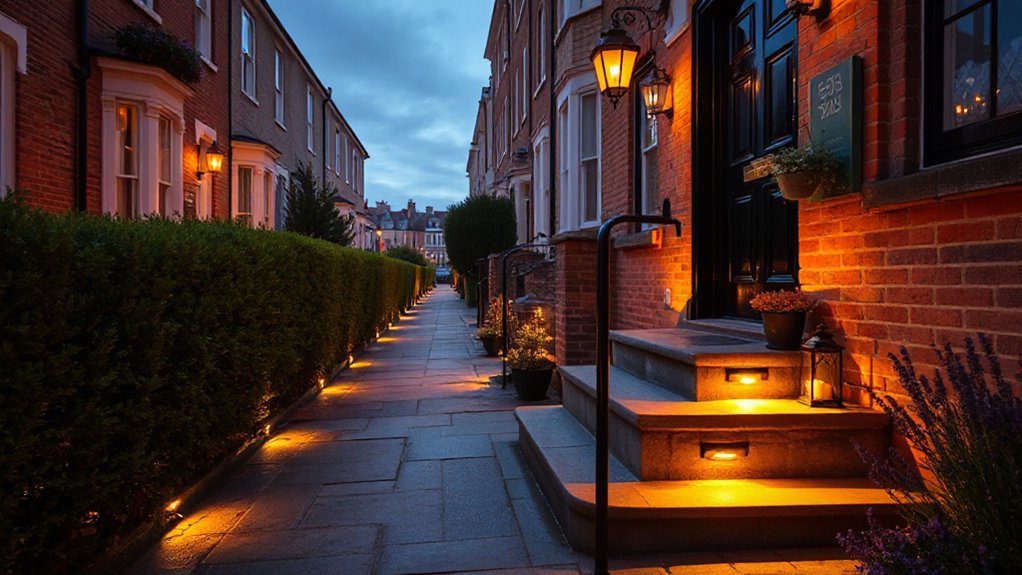
Lighting on a Brighton street should feel both inviting and secure, so you’ll layer warmth with clear visibility from dusk till late. You’ll map exterior lighting to high-traffic zones first—porch, doorway, and path—then add garden art accents that cast soft shadows, guiding feet without glare.
Use warm, diffused fixtures at entry points and avoid harsh downlighting that washes textures. Position lights to illuminate house numbers for safety and curb appeal, while path lights create rhythm along the pavement.
Choose weather-resistant materials suitable for coastal air, and keep wiring tucked neatly to preserve sight lines. Consider a dimmer or smart control to adjust ambiance for gatherings.
Seasonal Curb Appeal: Year-Round Planting and Styling
Seasonal curb appeal hinges on year‑round planting and styling that stay vibrant through Brighton’s changing moods. You’ll layer color, texture, and structure so the frontage reads lively in sun, mist, or frost.
Focus on scalable planters, evergreen backbone, and seasonal accents that rotate with the calendar. Integrate garden sculptures as focal points, pairing them with durable outdoor furniture for inviting nooks.
Choose containers that suit the curb’s scale and you’ll avoid muddy progressions between garden and pavement. Maintain height variety to guide the eye along the path.
Prune regularly, mulch, and refresh plantings each season to keep a polished, purposeful look.
- Evergreen backbone with rotating seasonal accents
- Textured foliage and color pops in pots
- Garden sculptures as focal anchors
- Outdoor furniture for curbside seating areas
- Clean lines, tidy borders, deliberate contrasts
Sustainable, Low-Water Planting Options for Brighton
Brighton lawns can thrive with drought-tolerant plantings that keep water use low and curb appeal high.
Start with hardy, native blooms that resist heat and still offer year-round color, then pair them with water-wise garden techniques like mulching and smart irrigation.
Think of a visual, low-water palette that highlights texture and bloom timing while guiding you toward practical choices for your space.
Drought-Tolerant Planting Options
- Sturdy evergreen shrubs with year-round foliage
- Low-growing thyme and mulching groundcovers
- Silvery, drought-tolerant grasses for movement
- Bold, architectural succulents for focal points
- Dense, low hedges for edge definition
Native-Blooming Species Guide
Ever wondered which native blooms thrive with minimal water while boosting curb appeal in Brighton? You’ll choose native blooms that suit local planting zones and minimize upkeep. Begin with a compact palette: species that flourish in Brighton’s milder winters and sandy soils, requiring little irrigation once established.
Focus on bloom timing—early spring charm, mid-summer color, and late-season structure—to reduce gaps in visual impact. Pair upright natives with low-growing groundcovers to suppress weeds and conserve moisture through shade and mulch.
Prioritize drought-tolerant native flora that resist common pests, avoiding chemical dependence. Document sun exposure, soil drainage, and maintenance intervals to fine-tune irrigation needs.
Use mulch to preserve moisture and reflect light for visual contrast. This approach supports sustainable curb appeal, compatible with planting zones and Brighton’s climate.
Water-Wise Garden Techniques
If you want a water-wise garden that thrives with minimal irrigation, start with smart design: group plants by identical water needs, contour the beds to capture and slow runoff, and mulch thickly to lock in moisture.
- Visualize a rain garden tucked beside the path, its shallow depressions catching every shower.
- Layer textures: silvery grasses, deep-green shrubs, and drought-tolerant perennials for year-round structure.
- Choose native and adaptive species that flourish with Brighton’s rainfall patterns.
- Use gravel paths and mulch to minimize evaporation while guiding foot traffic.
- Implement Xeriscaping principles: efficient irrigation, soil amendment, and sun-soaked, low-water planting zones.
This approach pairs Rain garden concepts with practical, low-maintenance planting for curb appeal and resilience.
Budget-Friendly Front Doors and Porch Updates

For a tight budget, start with a door color that pops against your brick or siding and set the tone for your entry; a bold shade or classic black can dramatically boost curb appeal without breaking the bank.
You’ll notice major impact from small changes: swap a plain handle for a weatherproof lever, add a brass or black door knocker, and choose a simple, durable doormat that echoes your color scheme.
Explore front door styles that suit your home’s architecture—modern slab, panel, or arched designs—without overspending.
Update porch lighting with two compact fixtures flanking the door or a single overhead LED that highlights your entry.
A fresh coat of sealant on the door and frames seals the deal, enhancing longevity and welcome.
Driveway and Path Upgrades That Boost First Impressions
A welcoming driveway and well-defined path instantly set the tone, guiding guests from the curb to your door. You improve first impressions with clean edges, smart lighting, and a cohesive motif that echoes your home’s style.
Choose durable surfaces, repair cracks, and add subtle contrast with edging that highlights landscaping. Consider integrated drainage to prevent puddling after rain, and install low-maintenance ground cover to reduce upkeep.
Garden sculptures and outdoor art serve as focal points, guiding the eye toward entry features while avoiding clutter.
Keep travel width generous enough for two wheels, and guarantee non-slip textures for safety in wet weather.
- Clean lines with contrasting borders
- Durable, slip-resistant surfaces
- Subtle garden sculptures as focal points
- Low-maintenance ground cover along the edges
- Even lighting that highlights path and door
Garden sculptures, outdoor art.
Color, Texture, and Material Guidelines for Brighton Homes
Color, texture, and material choices shape Brighton homes at a glance, so start with a restrained palette that echoes the seaside and town streets. You’ll pair soft plaster with exposed brick or timber, keeping contrasts subtle to avoid visual noise.
Prioritize color psychology: cool blues and warm sand tones feel calming near sea walls, while deeper accents convey solidity.
Use texture contrast to add depth—smooth walls juxtaposed with rough stone, or glossy trim against matte cladding.
Materials should be durable, low maintenance, and locally sourced when possible, reducing upkeep and echoing the area’s character.
Limit high-contrast combos to two or three elements, ensuring coherence across doors, gutters, and fences.
Test samples in natural light, then commit to a unified, lasting finish.
Community Signals: Coordinating With Neighbours

Neighbors aren’t an afterthought here; coordinating early sets curb appeal in motion. You’ll shape a cohesive street presence by aligning with neighbors on small but visible signals, from shared front-yard accents to welcoming signage. Neighborhood collaboration helps you avoid jarring mismatches and creates a legible, inviting rhythm along the pavement.
When you plan, designate a simple contact method and a shared goals list, then confirm timing and responsibilities. You’ll also map visible elements—mailboxes, planters, window boxes—in a unified palette to reduce visual clutter. Signage coordination keeps messages consistent, from acceptable lawn signs to seasonal décor.
Communicate openly, document decisions, and revisit quarterly to stay aligned.
- Shared goals list and contact method
- Unified color and material cues
- Consistent signage standards
- Visible object alignment along the curb
- Regular quick check-ins
Maintenance Habits for Long-Lasting Curb Appeal
Maintenance habits keep your Brighton curb appealing long after the initial splash of effort. You’ll streamline upkeep by scheduling a quick weekly walk‑through: check for chipped paint, loose boards, and weeds breaking through paved paths.
Clean surfaces with a mild solution to prevent staining, then rinse thoroughly to avoid residue that dulls colors. Rotate garden sculptures to balance focal points and prevent weathering on one side.
Inspect outdoor furniture for rust, loose screws, and faded cushions; apply touch‑up paint where needed, and store cushions indoors during heavy rains.
Seasonal tasks matter: prune overgrowth to maintain sightlines, mulch beds to suppress weeds, and refresh mulch yearly.
Keep a reusable toolkit handy, so small fixes don’t delay curb appeal between bigger projects.
Case Studies: Before-and-After Curb Appeals in Brighton
Case studies from Brighton show how small, targeted changes produce visible transformations. You’ll see how a single porch light paired with fresh paint elevates curb presence, or how a trimmed hedge reshapes sightlines toward the front door. These before-and-after tweaks prove that cost-conscious, thoughtful updates beat big overhauls.
- Garden sculptures create focal points that draw the eye
- Updated mailbox styles reinforce neighborhood character
- Repainted doors and trims unify color harmony
- Cleaned paving and defined edging sharpen overall appeal
- Seasonal plantings add texture and color with minimal effort
You’ll notice mood shifts: welcoming entry, clearer paths, and a stronger first impression. These case snapshots highlight practical changes you can replicate, without overhauling your whole frontage. Garden sculptures and mailbox styles anchor the transformation, guiding your next small win.
Next Steps: Plan Your Brighton Curb-Appeal Project
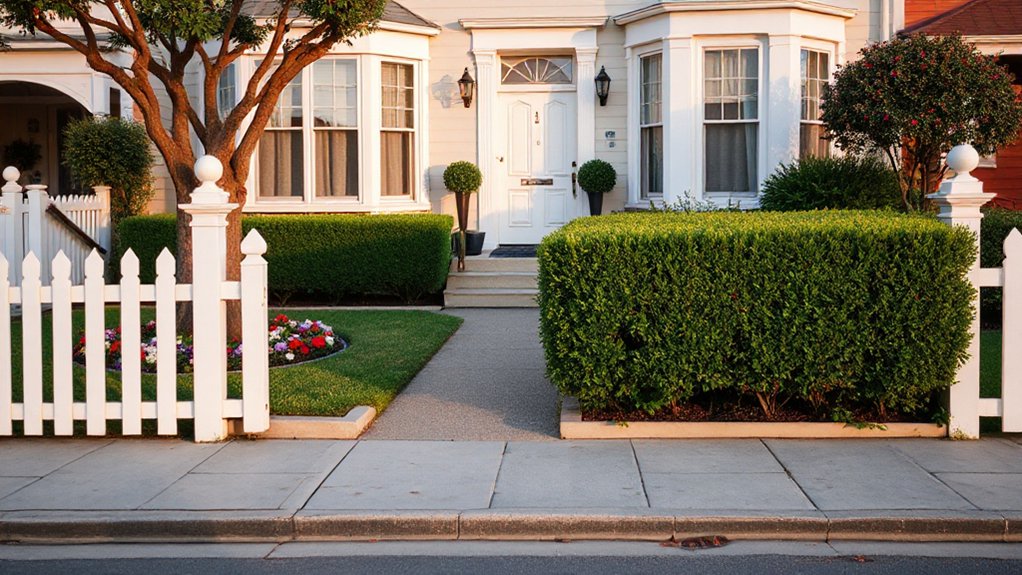
Ready to translate inspiration into action, you’ll start by outlining a practical, step-by-step plan for your Brighton curb-appeal project.
First, map your goals: what vibe, color palette, and budget you want.
Next, inventory what you already have and what needs replacing or revitalizing.
Then, create a phased timeline: quick wins (exterior cleaning) first, followed by bigger tweaks like fencing, pots, and lighting.
Landscaping ideas should focus on low-maintenance inputs that suit Brighton’s climate and space.
Measure each area to ensure proportional planting zones and clear sightlines from the street.
Source local suppliers for materials and seasonal plants.
Finally, assign responsibilities and set review checkpoints to adjust.
Keep notes on costs, weather windows, and contractor estimates to stay on track.
Frequently Asked Questions
How Long Does a Curb Appeal Project Typically Take in Brighton?
A typical curb appeal project in Brighton takes a few days to a couple of weeks, depending on scope. You’ll plan garden landscaping tweaks, install exterior lighting, and coordinate deliveries, softly layering soil, plants, and fixtures for steady progress.
What Are Common Hidden Costs in Brighton Curb Upgrades?
Hidden costs in Brighton curb upgrades pop up like mischievous pigeons. You’ll face permit fees, soil disposal, drainage, and temporary roadworks. Use careful cost estimation, budgeting strategies, contingency funds, and clear quotes to keep projects on track.
Can Tenants Implement Curb Appeal Improvements Without Landlord Approval?
Yes, you can, but check your lease: many rental restrictions require landlord approval for changes, so you’ll want written consent first. Know tenant rights, document plans, and avoid permanent alterations; opt for temporary, reversible improvements.
Which Brighton-Specific Neighborhoods Influence Curb Appeal Style?
Answer: In Brighton, you’ll notice Kemp Town, Kemptown, and Hanover influence curb appeal styles. You’ll blend Local planting with architectural features, focusing on color, texture, and period details to craft a visually cohesive, practical streetscape assessment.
How to Measure Return on Investment for Curb-Appeal Changes?
You measure ROI by comparing added curb-appeal value to landscaping costs and paint durability, tracking resale uplift and time on market. You document costs, materials, and outcomes, adjusting tactics as visuals improve and maintenance plans stay practical and clear.
Conclusion
Step onto your Brighton doorstep and feel the curb come alive: a sweep of sun-washed bricks, a border of natives nodding in the sea breeze, and tea-house light pooling along a welcoming path. With cohesive color, tidy gardens, and a fresh front door, you’ll hear the street’s heartbeat—neighbors noticing, visitors lingering. Plan, plant, paint, and maintain; let each season’s touchmark your home’s story. Your curb becomes a beacon, guiding admirers toward your coastal haven.